Discover our leading range of zero-emission utility and cargo transport solutions optimized for smart assembly lines, municipal infrastructure, and dynamic facility logistics.
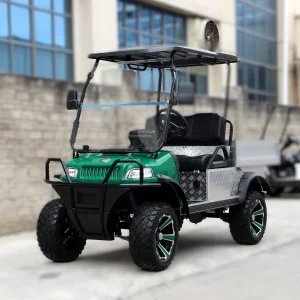
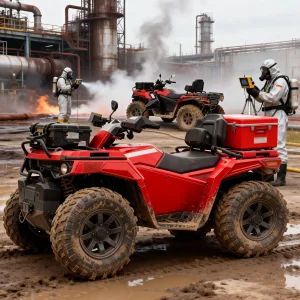
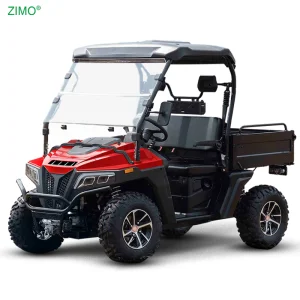
Nagoya, situated at the core of the Chubu (Tokai) region, stands as Japan's undisputed manufacturing powerhouse. Accountable for a massive proportion of Japan’s industrial shipments, the Nagoya metropolitan area drives key sectors including automotive assembly, advanced machinery, aerospace structures, and maritime logistics. In an era shaped by smart manufacturing (Industry 4.0) and stringent ESG frameworks, the internal logistics of these facilities require a technological transition.
Traditional combustion-engine tow trucks and manual tuggers are rapidly giving way to high-performance, battery-electric **Industrial Utility Vehicles (IUVs)** and **Unmanned Ground Vehicles (UGVs)**. These smart machines act as the connective tissue inside modern factories, shuttling components from inventory storage directly to Kanban lines. By deploying smart, high-torque utility fleets, factories across Nagoya are significantly reducing material handling overheads, minimizing cleanroom contamination, and achieving zero-carbon transport benchmarks.
To optimize fleet configurations, manufacturers must align vehicle capabilities with the unique challenges of regional workspaces. In the Nagoya industrial corridor, this maps to four core scenarios:
Automotive assembly complexes in Toyoda City and surrounding Nagoya require continuous component replenishments. Low-profile, high-torque electric utility cars move through narrow assembly corridors, transporting sub-assemblies to designated work centers. Their zero-emission operation ensures indoor air quality is unaffected, keeping employees safe and compliant with health regulations.
As one of Japan's busiest ports, maritime container depots demand extremely robust vehicles. High-capacity electric utility models, equipped with structural steel chassis and weatherized electronics, endure saline air, high humidity, and continuous run-times. They transport tools, crew members, and parts across container stacking yards without requiring frequent charging cycles.
With Nagoya hosting major aerospace manufacturers, component transport must occur under controlled cleanroom conditions. Vehicles featuring non-marking specialized tires, brushless AC motor configurations, and high-efficiency particulate air (HEPA) systems prevent particulate contamination while moving delicate fuselage components and structural electronics.
From commercial properties and extensive railway hubs to urban development sectors, street-legal electric utilities provide compact, quiet, and eco-friendly support. They handle maintenance operations, waste management, and cargo transit in crowded public venues where larger, noisy internal combustion engines are restricted.
The international demand for IUVs is undergoing a rapid transition. Driven by structural labor shortages, volatile energy pricing, and aggressive global carbon neutrality targets, the market has pivoted from legacy fuel systems to intelligent electrification. According to recent industrial market analyses, electric utility vehicle fleets are growing at a CAGR of over 8.5% globally.
Today, global procurement departments look beyond simple towing capabilities. They demand **smart telematics, modular cargo bed platforms, advanced driver assistance systems (ADAS)**, and compatibility with localized road regulations (such as EEC, CE, and Japan's domestic safety certifications). The integration of Lithium Iron Phosphate (LiFePO4) chemistries has replaced maintenance-heavy lead-acid batteries, offering faster charge rates, extended cycle counts, and superior safety profiles under thermal stress.
For Nagoya businesses looking to procure reliable, scalable, and high-value utility vehicle fleets, partnering with Chinese manufacturing clusters offers clear supply-chain benefits. Companies like Shenzhen Kabar Golf Co., Ltd. represent the vanguard of Chinese specialized manufacturing capability.
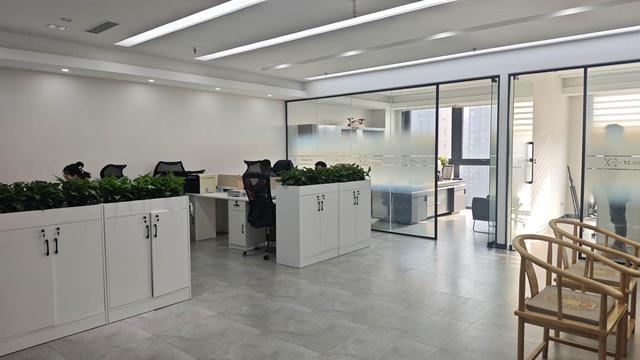
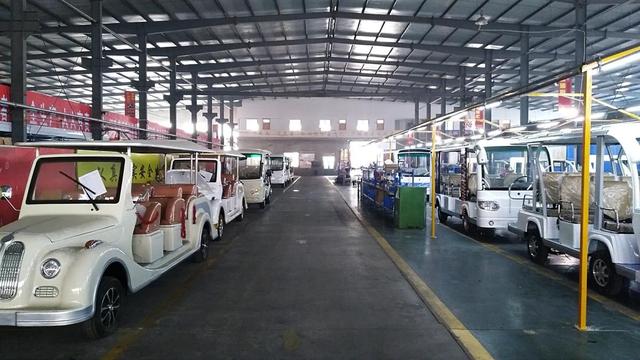
Established in 2014 and situated in China's technology center, Shenzhen, Kabar Golf operates a modern 18,000+ square meter production facility. Employing over 220 skilled workers and maintaining a dedicated R&D division, the company specializes in researching, manufacturing, and exporting premium electric golf carts, heavy utility vehicles, and custom transport configurations globally.
By leveraging China's dense EV battery ecosystem, advanced aluminum extrusion supply chains, and specialized electronics networks, Shenzhen Kabar Golf delivers competitive pricing without compromising build quality. Their comprehensive OEM/ODM integration allows companies in Japan and around the globe to customize chassis dimensions, passenger configurations, motor power (ranging from 5kW to 10kW+ high-torque AC setups), and cabin weatherization to perfectly match local operation sites.
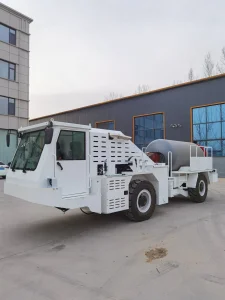
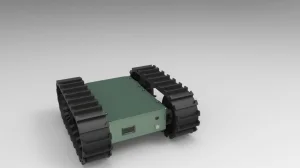
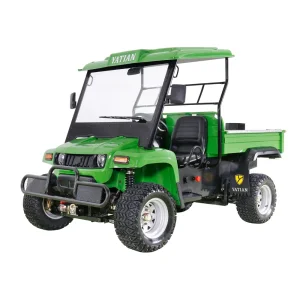
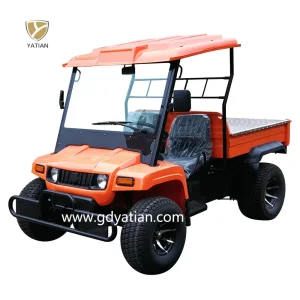
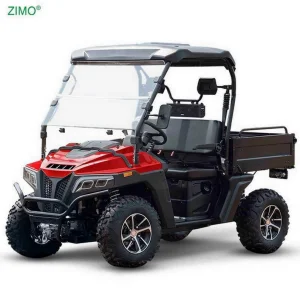
Our diversified product suite covers everything from autonomous agricultural operations to hazardous underground mining tasks, keeping your site efficient and compliant.

As manufacturers align with industrial digitisation initiatives, the technological expectations for utility fleets are changing. Sourcing teams should monitor three key trends:
Procuring an industrial utility fleet is a long-term capital investment. Sourcing managers should look beyond the initial purchase price and perform a comprehensive **Total Cost of Ownership (TCO)** analysis:
Yes, provided they meet specific compliance criteria. Vehicles with EEC/COC certifications can be adapted to comply with Japanese light-vehicle road codes. Local registration typically requires installing functional turn signals, mirrors, horn systems, and license plate brackets. Shenzhen Kabar Golf provides tailored configurations to ensure domestic street-legal readiness.
Lithium batteries offer major performance benefits, including up to 3,500 charging cycles compared to only 500 for lead-acid alternatives. They accept rapid opportunity charging during breaks, do not require water maintenance, and maintain stable voltage output even under heavy workloads. This results in significantly lower operational costs over the vehicle's lifespan.
Sourcing managers can request custom cargo beds, hydraulic dump systems, high-torque electric motors (e.g., 5kW to 10kW AC systems), customized battery packs, weatherproofing, and branded color schemes. These changes ensure the vehicles fit your facility's exact workflow requirements.
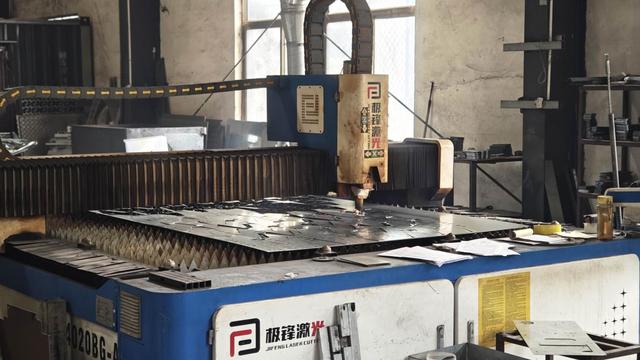
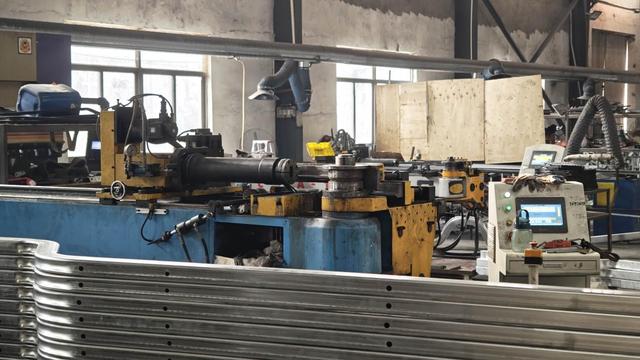
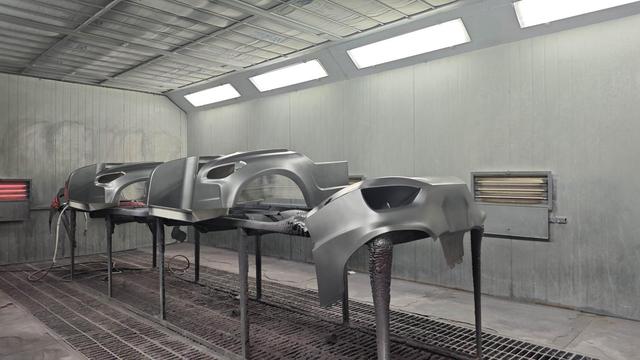
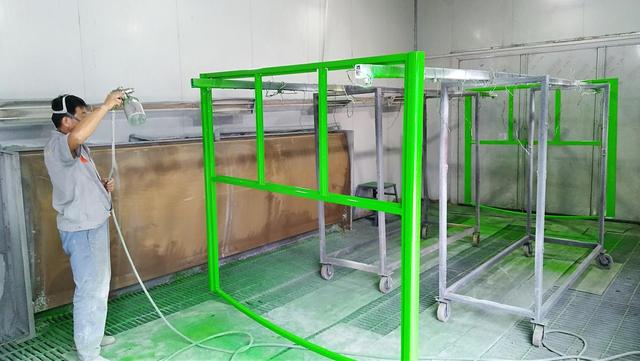
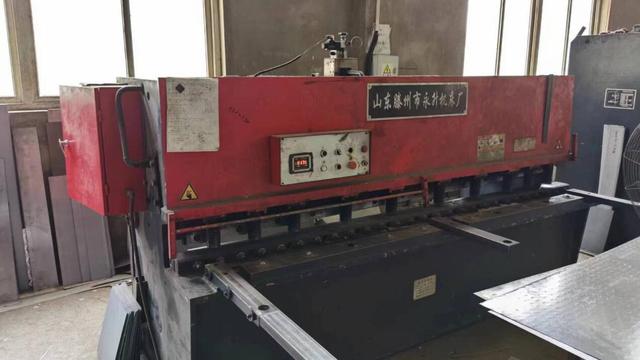
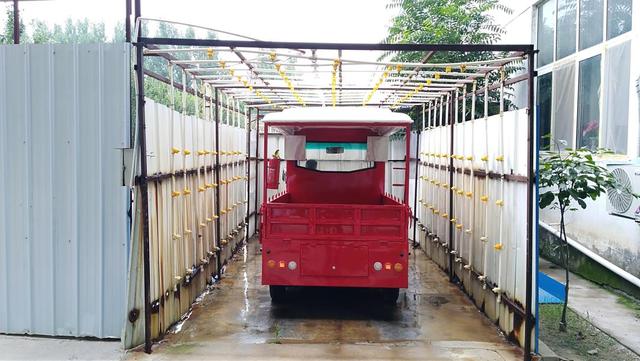
Quality control is built into every step of production. The company uses advanced manufacturing equipment and tests all components, frames, electrical assemblies, and battery packs before final delivery. Vehicles undergo rigorous dynamic load, braking, and climbing tests to ensure reliability in demanding environments.
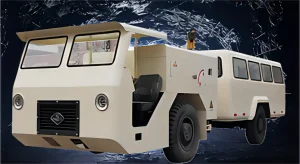
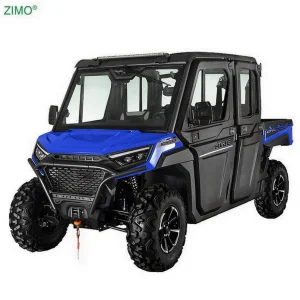
Explore our specialized industrial solutions, built for municipal service, deep mining, and heavy cargo transport across demanding environments.
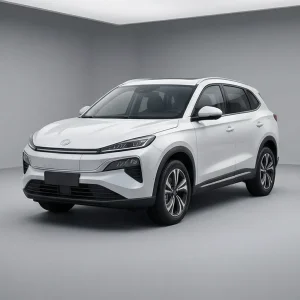
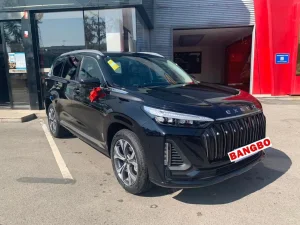
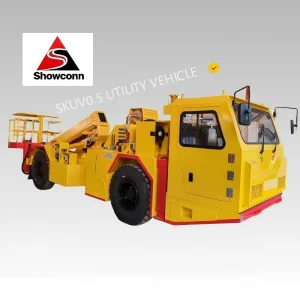
Shenzhen Kabar Golf Co., Ltd. is a professional golf cart manufacturer located in Shenzhen, Guangdong, China. Established in 2014, the company specializes in the research, development, manufacturing, and export of electric golf carts, utility vehicles, and customized mobility solutions for global customers. With a modern production facility covering more than 18,000 square meters and a workforce of over 220 employees, Kabar Golf has developed into a reliable supplier serving golf courses, resorts, hotels, industrial parks, residential communities, airports, campuses, and commercial facilities worldwide.
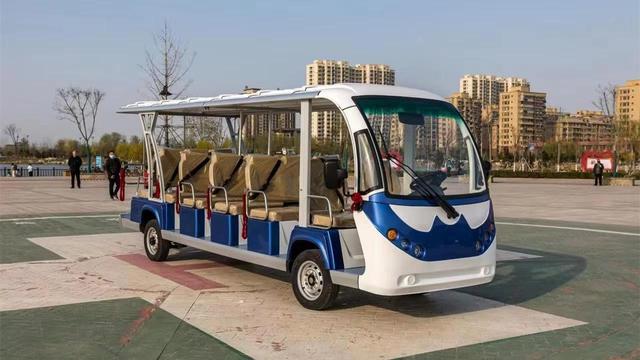
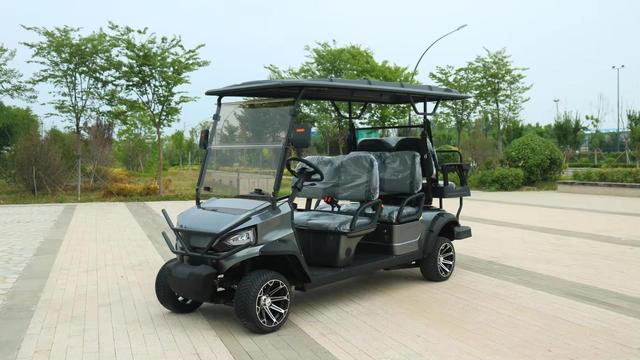
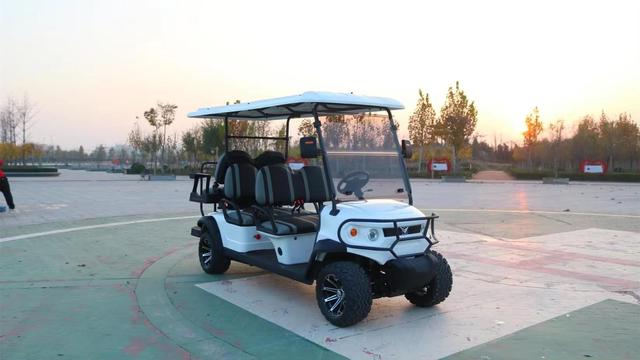
The company's product portfolio includes electric golf carts, passenger transport vehicles, utility carts, cargo vehicles, resort shuttle carts, street-legal electric vehicles, fleet transportation solutions, and customized mobility vehicles. Designed with a focus on efficiency, comfort, safety, and sustainability, Kabar Golf products help customers improve transportation operations while reducing environmental impact.
Supported by an experienced engineering and R&D team, Shenzhen Kabar Golf continuously invests in vehicle innovation, battery technology, intelligent control systems, and ergonomic design. The company offers comprehensive OEM and ODM services, including vehicle customization, branding, color matching, seating configurations, accessory integration, and private-label manufacturing to meet the diverse requirements of international markets.
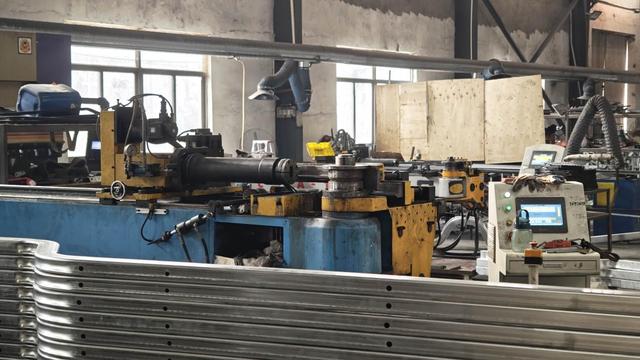
Quality management is integrated throughout every stage of production, from component sourcing and vehicle assembly to testing and final inspection. Advanced manufacturing equipment and strict quality control procedures help ensure consistent product performance and reliability.
With products exported to North America, Europe, the Middle East, Southeast Asia, Australia, and other regions, Shenzhen Kabar Golf Co., Ltd. is committed to delivering dependable electric mobility solutions and long-term value for customers worldwide. The company continues to provide innovative golf carts, utility vehicles, and custom transportation solutions tailored to evolving market needs.
 Kabar Golf