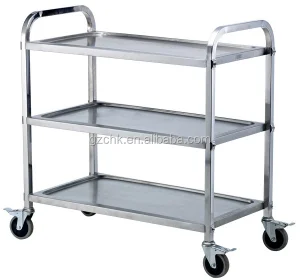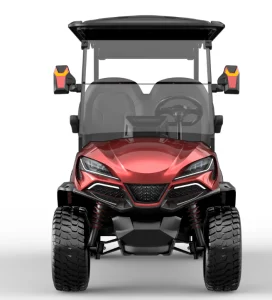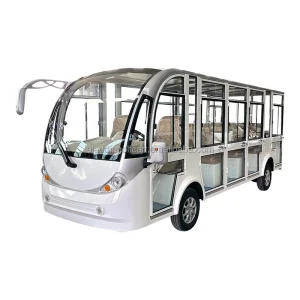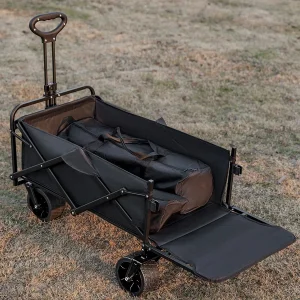
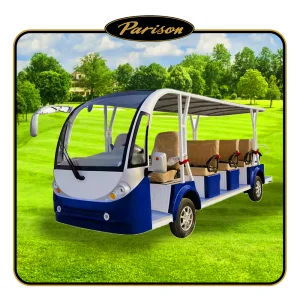
In modern luxury resort design and micro-urban master planning, logistics and guest transit represent key operational challenges. Elevating guest experiences demands zero noise, immediate responsiveness, high aesthetic compatibility, and clean energy execution. High-performance resort transportation carts represent more than simple utility vehicles; they are integrated customer touchpoints, supply chain links, and crucial assets in sustainable land development.
As leading designers, developers, and global exporters, Shenzhen Kabar Golf Co., Ltd. delivers mobility platforms that bridge the gap between luxury design and rugged, multi-terrain operational efficiency. By leveraging cutting-edge lithium-ion energy technology and modular mechanical architecture, our vehicle configurations consistently optimize operating expenditures (OpEx) while elevating guest satisfaction metrics (CSAT) for operators worldwide.
The international resort transportation market has evolved from using conventional internal combustion engine (ICE) carts to sophisticated low-speed electric vehicles (LSVs). This paradigm shift is driven by strict environmental policies, high fuel costs, and the luxury hospitality sector's demand for silent operation. According to market indicators, the compound annual growth rate (CAGR) for commercial-grade utility and shuttle electric carts continues to rise, especially in the Asia-Pacific, North American, and European premium tourism regions.
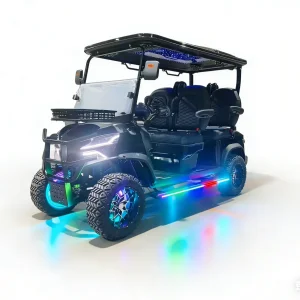
B2B buyers, fleet management enterprises, and procurement directorships look beyond standard off-the-shelf golf buggies. Modern resort operations demand custom seating configurations (ranging from compact 2-seater setups up to large-scale 14-seater sightseeing buses), advanced smart battery telemetry, and compliance with local municipal street-legal registrations. These demands place pressure on manufacturing frameworks to guarantee quality, consistent delivery times, and robust global after-sales component distribution networks.
In designing contemporary transportation networks, engineering must anticipate technological shifts. The technical roadmap for our advanced transport carts focuses on three core areas:
The operating conditions of resort transportation vehicles vary significantly based on their geographic location. A vehicle optimized for desert dry-heat requires different engineering parameters than one exposed to tropical humidity or mountain environments.
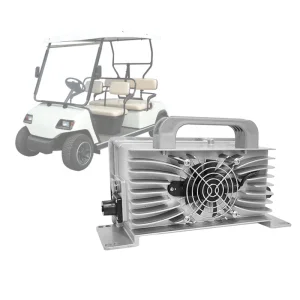
High humidity and salt air can accelerate corrosion in standard metals. In these coastal environments, we supply vehicles equipped with hot-dip galvanized steel or lightweight aluminum alloy chassis, marine-grade vinyl seating, and fully waterproofed wiring harnesses. Waterproof onboard chargers (48V/25A with IP67 protection ratings) ensure reliability in humid maritime conditions.
For destinations focusing on nature conservation, maintaining low noise levels is critical to protecting local wildlife and the guest experience. In these settings, high-efficiency AC motors operating through low-noise helical gearboxes provide quiet performance. This configuration helps properties maintain quiet surroundings, whether carrying guests on nature trails or through quiet forest estates.
When routing transit paths across public roadways, vehicles must meet legal requirements. We supply configurations equipped with three-point seat belts, automotive glass windshields, side-view mirrors, hydraulic braking systems, and complete LED light kits. This ensures compliance with regional Low-Speed Vehicle (LSV) road standards.
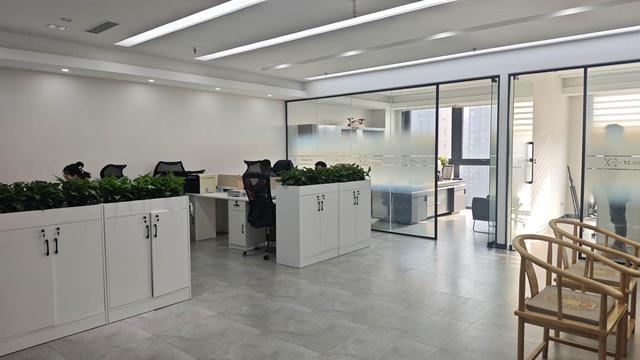
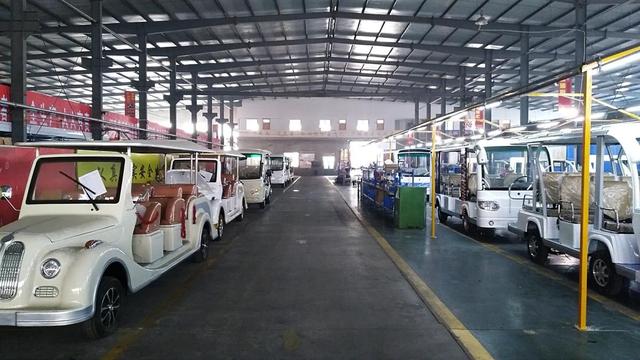
Established in 2014, Shenzhen Kabar Golf Co., Ltd. is a leading manufacturer specializing in the research, design, production, and export of electric golf carts, utility transport vehicles, and custom mobility solutions. Operating from a modern production facility spanning more than 18,000 square meters in Shenzhen, Guangdong, China, our team of over 220 professionals, including experienced automotive and electrical engineers, guarantees quality at every stage of production.
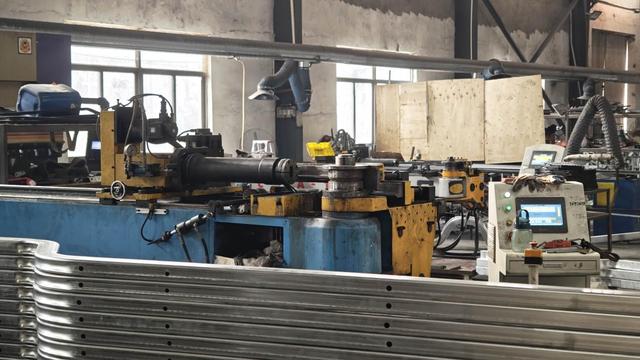
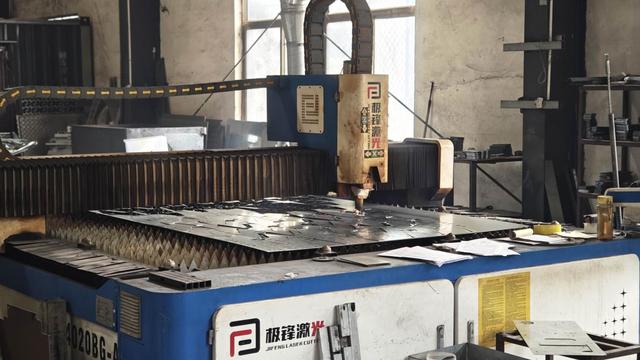
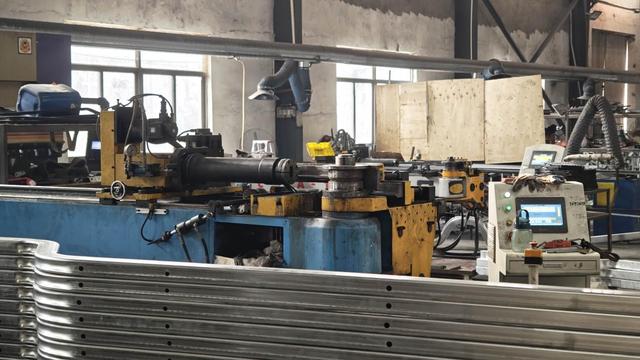
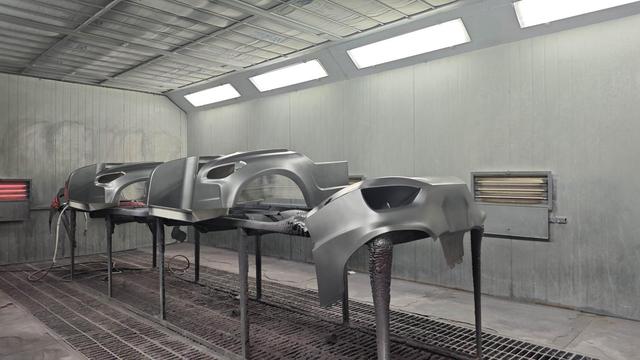
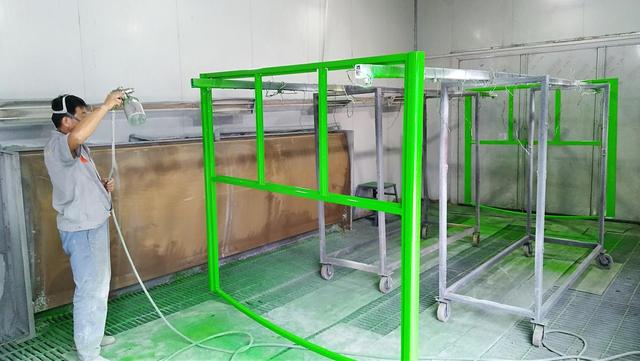
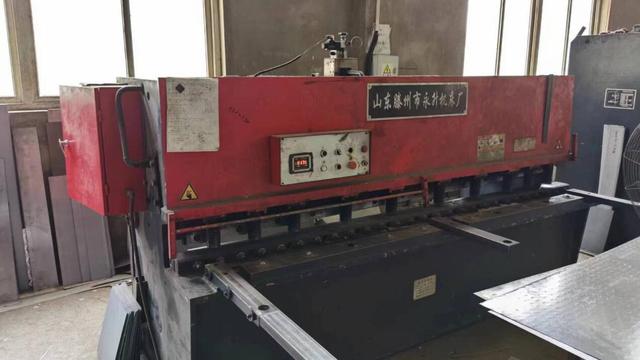
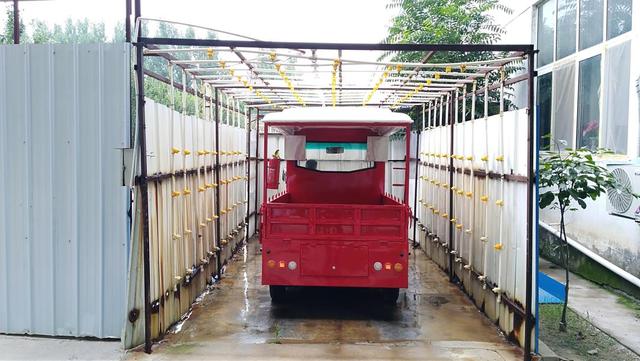
Our comprehensive manufacturing facility features specialized welding bays, precision alignment jigs, electronic testing laboratories, and dedicated vehicle test tracks to evaluate torque, braking, suspension dynamics, and water resistance. Our strict quality management framework ensures compliance with international standards, securing CE certification and ISO13485 compliance for special-purpose transport systems.
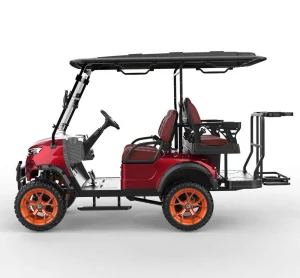
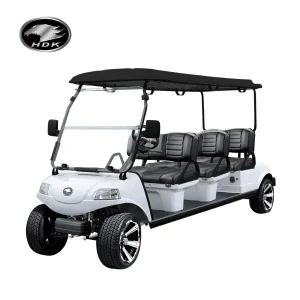
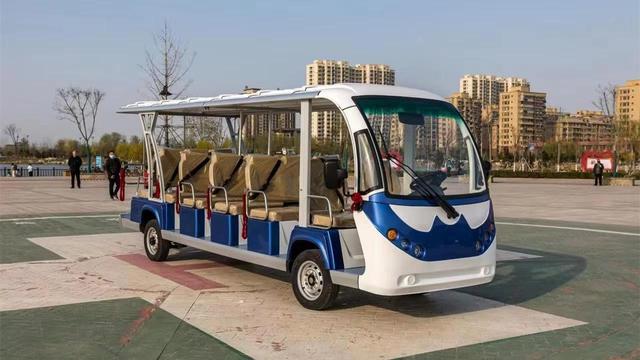
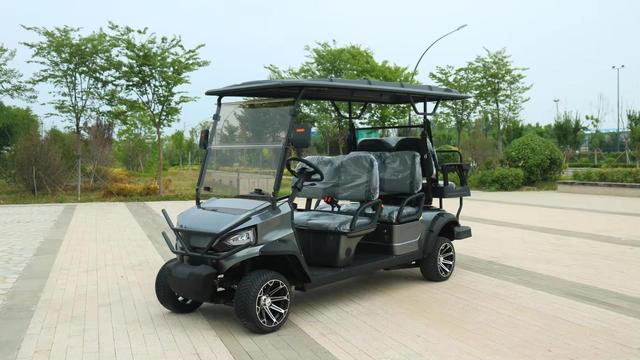
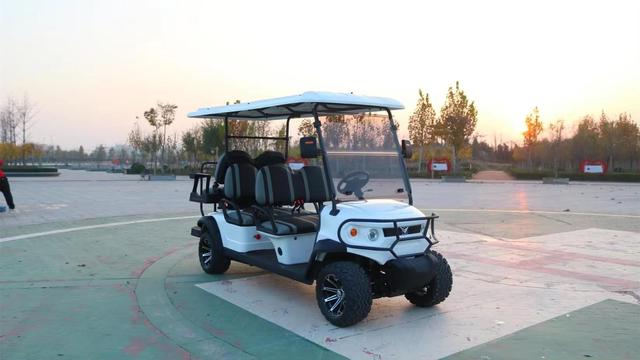
As a major exporter, our distribution networks serve markets across North America, Europe, the Middle East, Southeast Asia, and Australia. We work closely with logistics firms and customs brokers to manage shipping and delivery. Whether supplying a boutique hotel with a customized 4-seat VIP buggy or delivering a fleet of 11-seat sightseeing shuttles to a major amusement park, our manufacturing capacity meets demanding commercial timelines.
Additionally, our R&D team provides end-to-end OEM and ODM services. We collaborate with clients on bespoke requirements, including custom branding, seating layouts, specialized cargo platforms, and integration of high-performance components. This approach enables us to deliver tailored, reliable solutions for commercial operations worldwide.
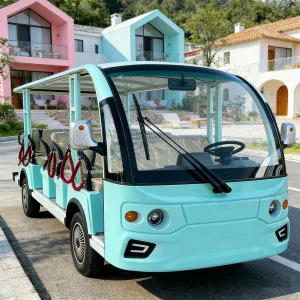
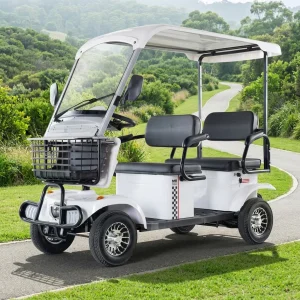
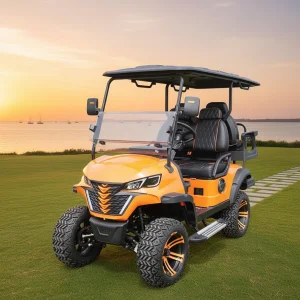
Managing a fleet of over 50 transit vehicles requires robust logistical support. For destination developers and theme park operators, vehicle downtime directly affects operational revenue. We address these challenges by providing comprehensive, integrated fleet management systems.
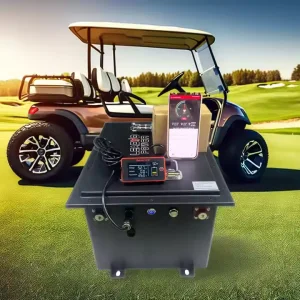
First, we integrate battery telemetry systems that allow operations managers to monitor charge statuses, locate vehicles, and track speed profiles via a centralized dashboard. This data helps schedule preventative maintenance, avoid unexpected battery discharge on guest routes, and optimize route planning.
Second, we supply adaptive high-efficiency charging systems. Our smart charger designs detect grid variations and adjust voltage parameters to ensure stable power delivery without overheating internal circuits. This helps prevent premature cell degradation, extending the operational life of the battery fleet.
 Kabar Golf