Explore our leading commercial-grade utility carts, motorized room service systems, and housekeeping trolleys engineered for durability and efficient hospitality operations.
An in-depth analysis of structural engineering, material science, and fleet automation in modern hospitality procurement.
Modern hotels are complex operational environments. The choice of service equipment directly impacts workflow efficiency, workplace safety, and customer satisfaction. The hospitality sector has transitioned from simple utility trolleys to highly specialized ergonomic transport platforms. Selecting the optimal service cart requires a granular understanding of material science, mechanical structures, and load dynamics.
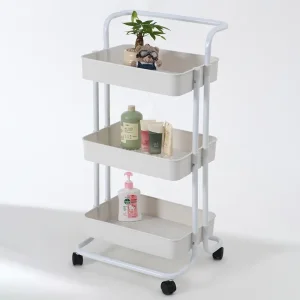
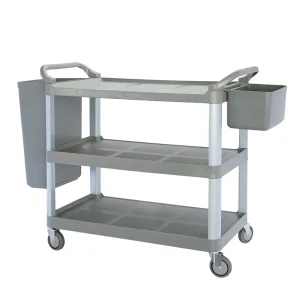
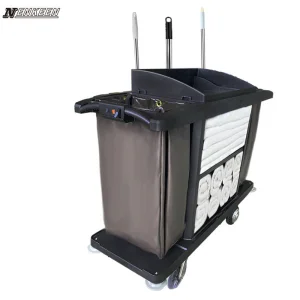
For instance, **High-Density Polypropylene (PP)** carts are favored for back-of-house, laundry, and heavy-duty janitorial tasks. PP is chemically inert, providing resistance to commercial disinfectants, bleaching agents, and organic liquids. Its structural flexibility absorbs impacts, preventing damage to hotel drywall and guestroom doors.
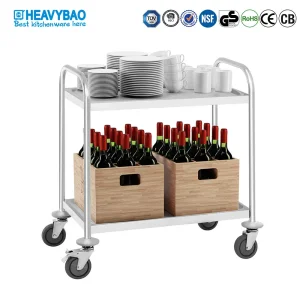
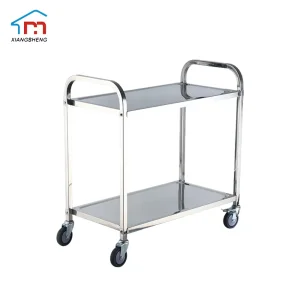
Conversely, **Grade 304 Stainless Steel** remains the benchmark for front-of-house food distribution and room service. Offering high tensile strength and a non-porous surface, 304 stainless steel guarantees absolute hygiene. It prevents microbial colonization and supports rapid thermal sanitation processes, which is essential for multi-shelf food delivery setups and poolside operations.
China, particularly the Shenzhen-Guangdong industrial corridor, represents the global epicenter for advanced service cart and electric mobility manufacturing. The structural convergence of traditional metal/plastic fabrication with cutting-edge electronics has allowed Chinese manufacturers to redefine the capabilities of hotel utility fleets.
The primary advantage of Chinese factories is the vertically integrated supply chain. Within a 50-kilometer radius in Shenzhen, factories access high-grade metallurgical processors, precision injection-molding facilities, digital motor control designers, and tier-one lithium battery assembly lines. This dense concentration cuts transport overheads, speeds up prototyping, and guarantees strict quality control across mechanical and electronic systems.
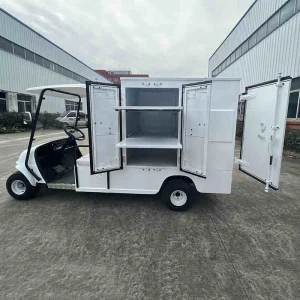
Additionally, Chinese manufacturers have pioneered the deployment of **intelligent mobility controls** in hospitality logistics. By integrating automotive-grade controllers and advanced electric drivetrains into standard utility chassis, factories produce powered room service carts and multi-seat shuttles that safely manage steep resort inclines, reducing strain on hotel personnel.
A global leader in electric hospitality mobility, fleet logistics, and custom OEM/ODM solutions since 2014.
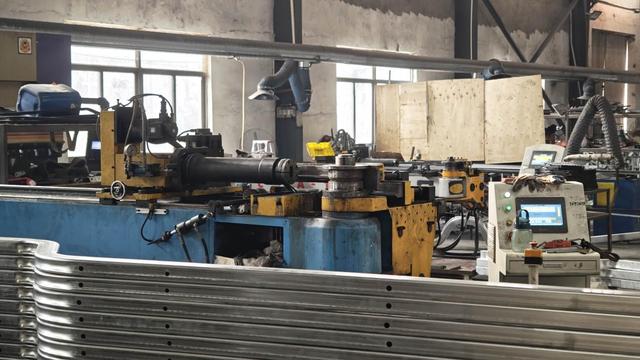
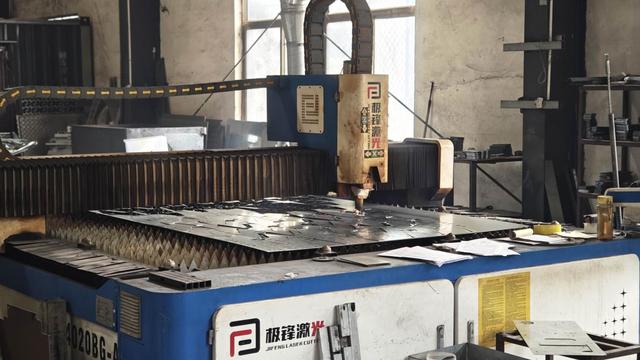
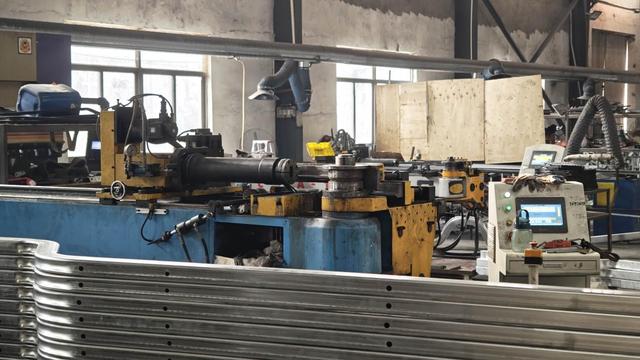
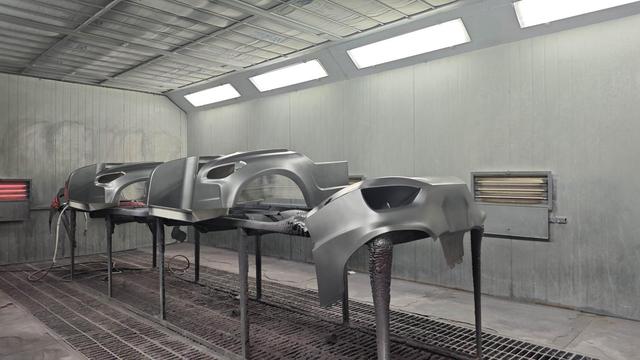
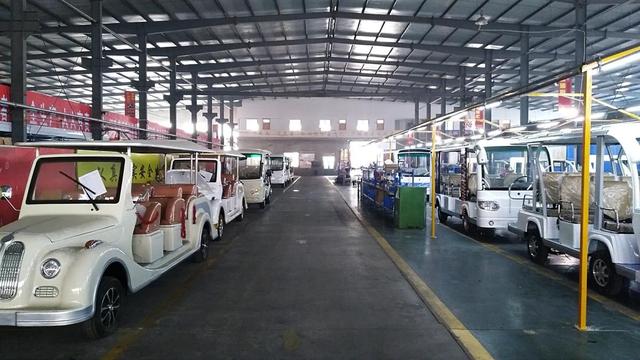
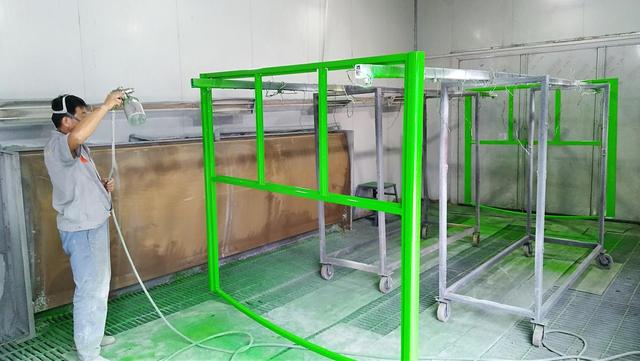
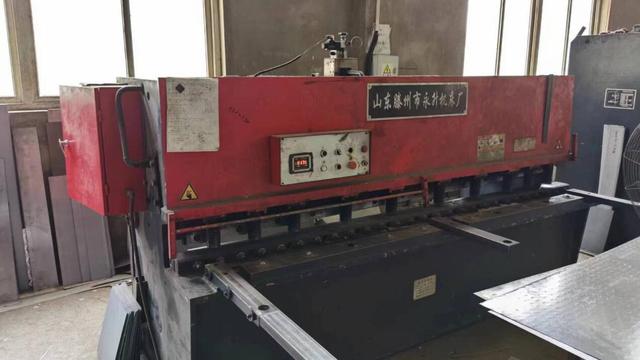
Operates an 18,000+ square meter facility in Shenzhen. Utilizing modern precision machinery, structural robotic welding, and automated powder coating systems to guarantee durable, industrial-grade manufacturing output.
Exporting customized utility vehicles and premium service carts across North America, Europe, the Middle East, Southeast Asia, and Australia. Fully compliant with international CE, safety, and road-legal certification standards.
Our dedicated engineering team supports vehicle customization, custom branding, optimized seating configurations, cargo box variations, and advanced integration of electronic smart controls.
The hospitality sector is undergoing a massive transformation, driven by automated operations, strict sustainability mandates, and the rising cost of labor. Procurement managers are no longer looking for passive carts; they require active logistics assets.
When purchasing hotel service equipment from manufacturing facilities, international buyers must establish rigorous validation protocols:
1. Wheel and Caster Specifications: Casters are the most common point of failure. Carts must feature non-marking polyurethane (PU) or thermo-plastic rubber (TPR) wheels with double-ball precision bearings. These configurations reduce rolling resistance on carpet and prevent unsightly tracking on marble floors.
2. Structural Joint Verification: Welded points on stainless steel carts should undergo ultrasonic weld testing to prevent corrosion fatigue. For plastic storage units, interlocking structural joints secured with stainless steel fasteners offer greater longevity than snap-fit models.
3. Battery Safety & Certification: For motorized and electric utility carts, lithium iron phosphate (LiFePO4) cell chemistry is preferred over ternary lithium (NMC) due to its thermal stability, safety profile, and extended cycle life (exceeding 3,000 charge cycles). Ensure all battery management systems (BMS) are UL or CE certified.
Modern hospitality operations require customized transport solutions tailored to specific architectural and geographic layouts:
Focuses on vertical transport efficiency. Carts must feature ultra-quiet casters (under 50dB) and compact turning radii to navigate guestroom corridors and standard service elevators without causing noise disruption or blockages.
Requires weatherized, rugged electric utility carts and multi-seat shuttles. Equipment must feature high-clearance suspension, corrosion-resistant chassis coating to withstand salty sea air, and robust off-road tires for paved and unpaved pathways.
Emphasizes structural payload capacity and thermal control. Carts must support multi-tier plate racking with heavy-duty drop-down shelves and thermal insulation systems to safely transport hundreds of hot meals simultaneously.
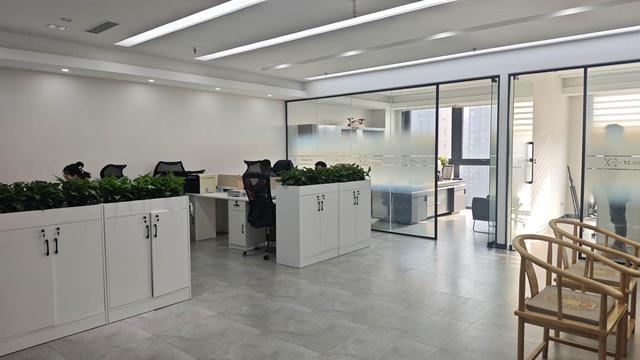
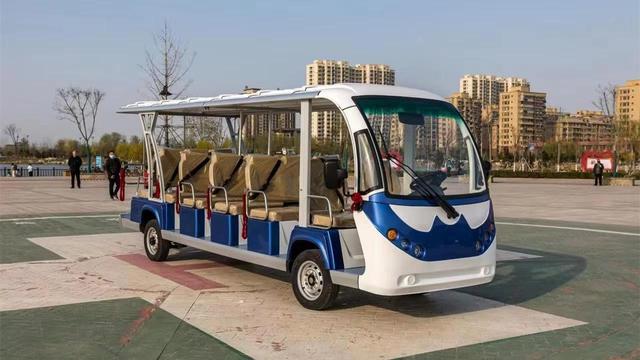
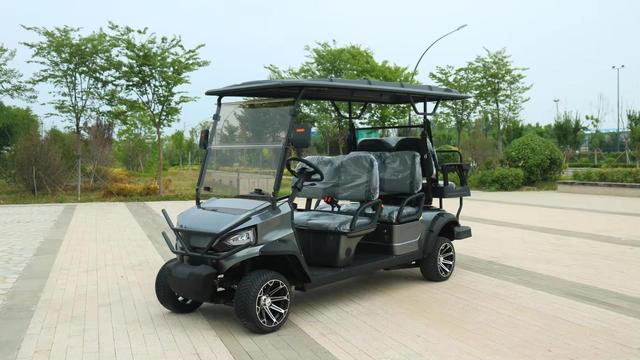
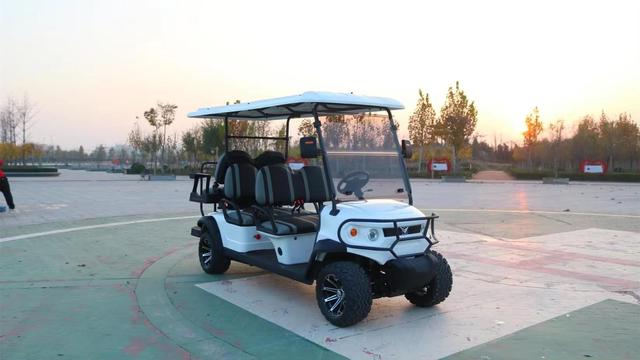
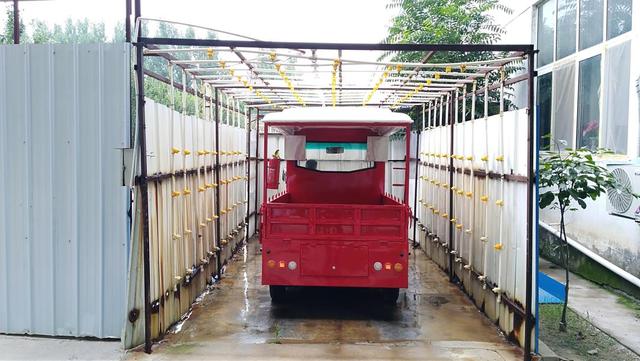
A look inside our manufacturing processes, including raw material selection, robotic welding, final vehicle assembly, and rigorous testing lines.
Direct answers to critical questions asked by hospitality purchasing directors, operations managers, and facility engineers.
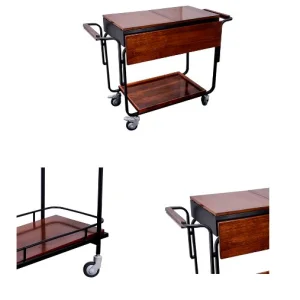
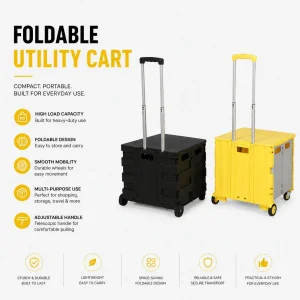
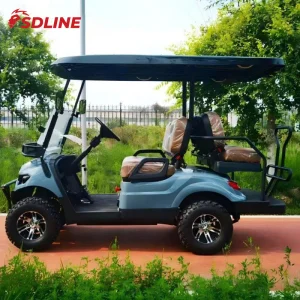
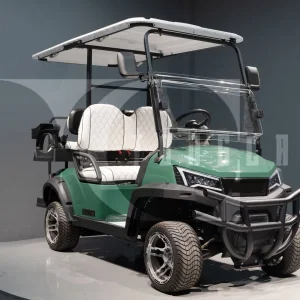
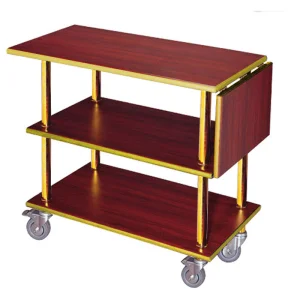
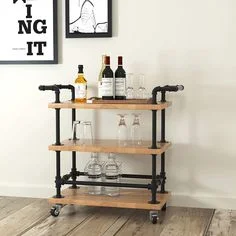
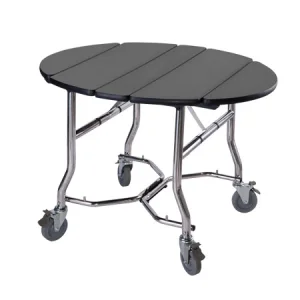
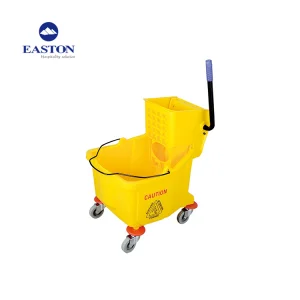
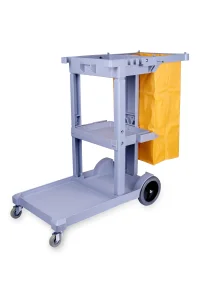
Explore our selection of specialized folding baggage trolleys, multi-seat resort shuttles, classic wood service carts, and high-capacity janitorial collection systems.
 Kabar Golf