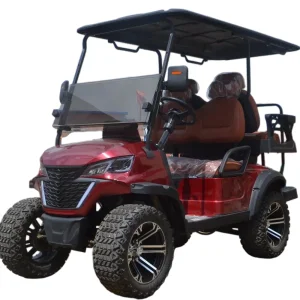
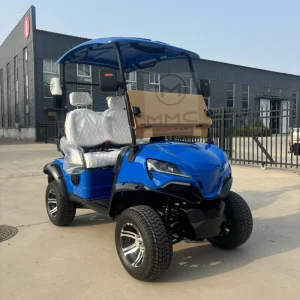
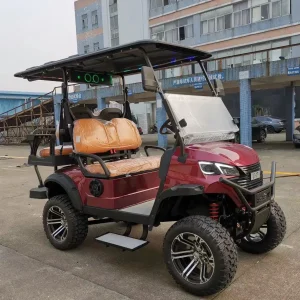
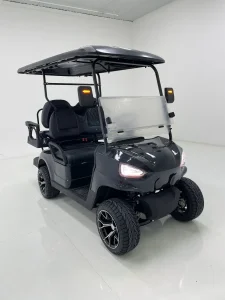
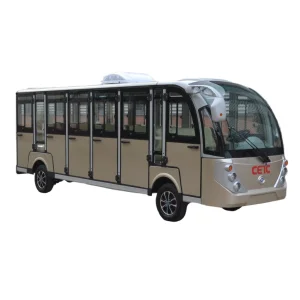
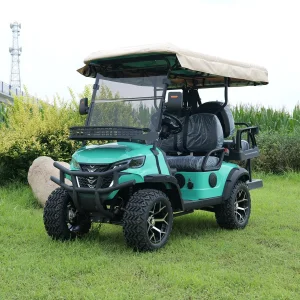
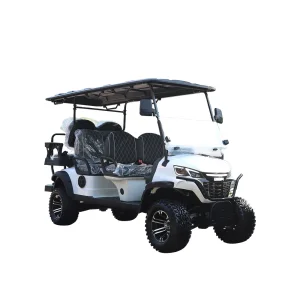
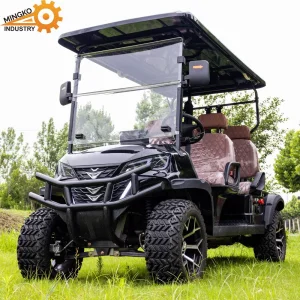
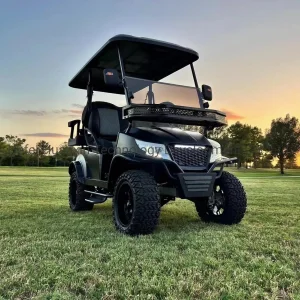
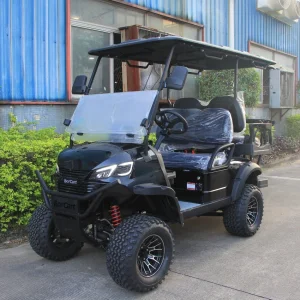
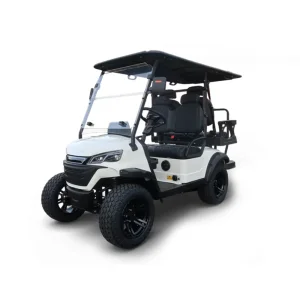
Explore our premium, high-efficiency commercial and recreational fleet options engineered to ISO standards.
Analyzing key shifts in commercial zero-emission transportation, battery optimization, and regional adoption.
The global low-speed electric vehicle (LSEV) landscape is undergoing an unprecedented structural transition. Driven by strict carbon-reduction mandates, escalating fuel costs, and massive infrastructure upgrades in commercial developments, fleet managers are systematically replacing traditional internal combustion engines (ICE) and legacy lead-acid vehicles. Modern low-speed transit now calls for reliable, long-range energy systems, real-time diagnostic capabilities, and robust durability to handle diverse operational tasks.
Today, electric golf carts are no longer confined to manicured fairways. They serve as primary cargo haulers, resort multi-passenger shuttles, utility support vehicles in heavy industrial facilities, and neighborhood electric vehicles (NEVs) for municipal patrol. As urban development emphasizes pedestrian-friendly micro-mobility, the demand for customizable electric utility carts is rising sharply in both mature markets (such as North America and Europe) and rapidly expanding commercial hubs across the Middle East and Southeast Asia.
Moving from lead-acid batteries to smart Lithium Iron Phosphate (LiFePO4) systems extends a vehicle's service life from roughly 500 cycles to over 3,500. This dramatically lowers maintenance costs and ensures long-term return on investment (ROI) for resort operators and industrial fleets.
Understanding the critical metrics and compliance standards required by industrial, commercial, and resort buyers.
B2B procurement for commercial vehicle fleets requires balancing regulatory compliance, operational safety, and financial return. Global buyers seek manufacturers capable of tailoring configurations to meet localized work needs while maintaining strict global quality certifications. Sourcing criteria typically center on three primary factors:
Exporting vehicles internationally requires rigorous compliance with target-market safety laws. In Europe, vehicles must carry CE certifications. For North American public-road use, street-legal electric buggies must comply with DOT regulations and meet low-speed vehicle (LSV) FMVSS 500 requirements. Fleet safety standards also dictate including structural safety features like certified roll-over protection, impact-resistant windshields, LED headlamp packages, and reliable dual-circuit hydraulic braking systems.
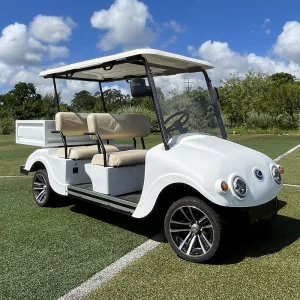
No single configuration fits all applications. Resorts require luxurious, high-back seating and weather-resistant enclosures. Conversely, airport terminals and manufacturing complexes require rugged flatbed attachments, hydraulic tippers, high-capacity utility tool racks, and heavy-duty cargo boxes. Working with a manufacturer that provides modular chassis configurations allows sourcing agents to order purpose-built machinery tailored directly to their operational layouts.
Modern commercial operations require reliable energy management. Advanced BMS setups prevent thermal issues, regulate cells during charging cycles, and optimize energy recapture during regenerative braking. This control preserves range in hilly areas and helps guarantee stable power output even during extreme ambient summer heat.
How Shenzhen Kabar Golf Co., Ltd. combines advanced manufacturing with regional logistics to deliver competitive global value.
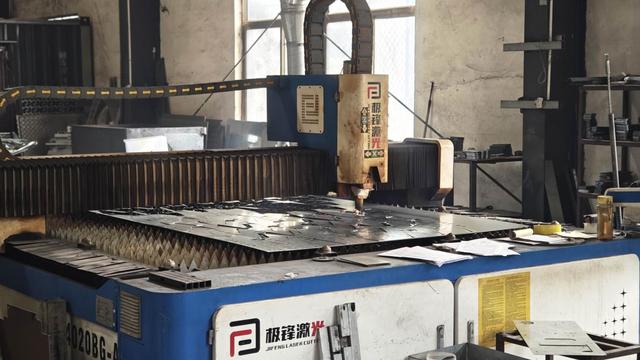
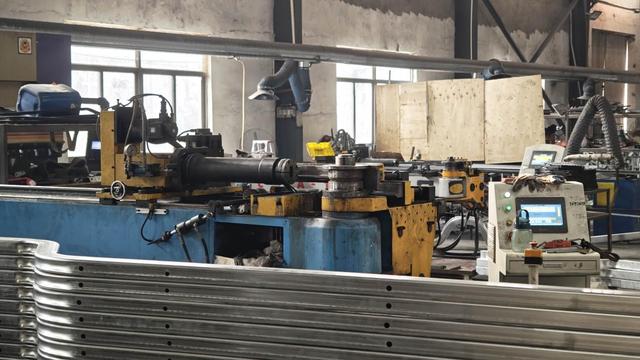
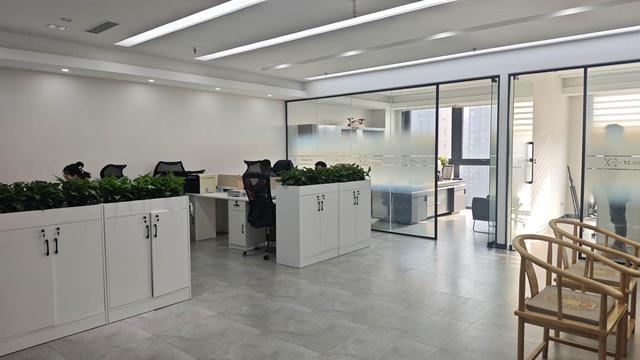
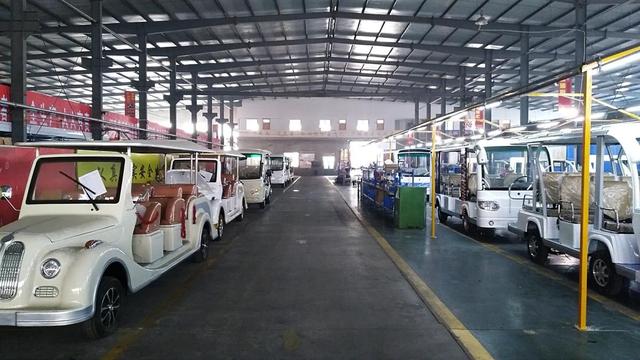
Shenzhen Kabar Golf Co., Ltd. represents the cutting edge of China's Industry 4.0 transition in LSEV production. Founded in 2014 and based in Shenzhen, Guangdong, China, the company operates a modern, state-of-the-art facility spanning over 18,000 square meters. Backed by a dedicated workforce of over 220 skilled workers and engineers, Kabar Golf has established a highly efficient workflow that blends advanced engineering with robust quality assurance.
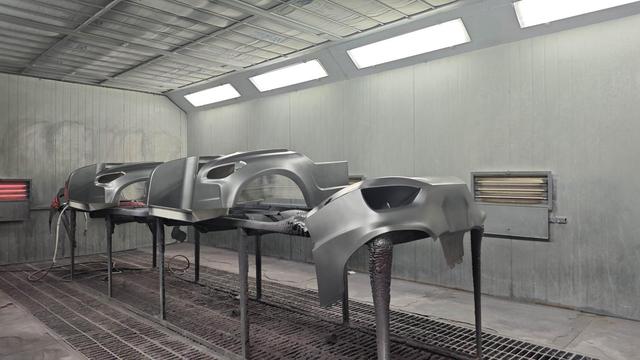
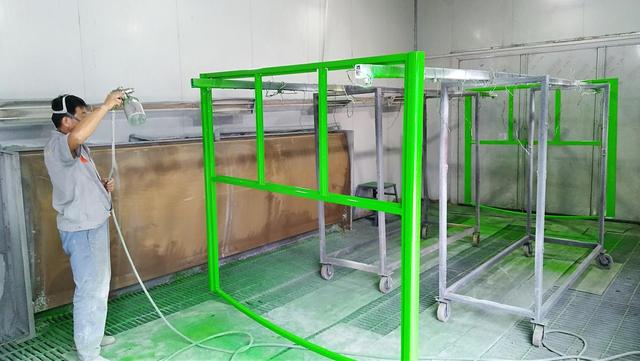
Located in the heart of the Pearl River Delta industrial cluster, Kabar Golf benefits from an integrated component ecosystem. From advanced lithium cell development to precision chassis casting, digital powertrain configuration, and anti-corrosion coating, every step of the supply chain is tightly coordinated. This regional synergy significantly shortens research cycles, speeds up customized component sourcing, and reduces shipping lead times to international destinations.
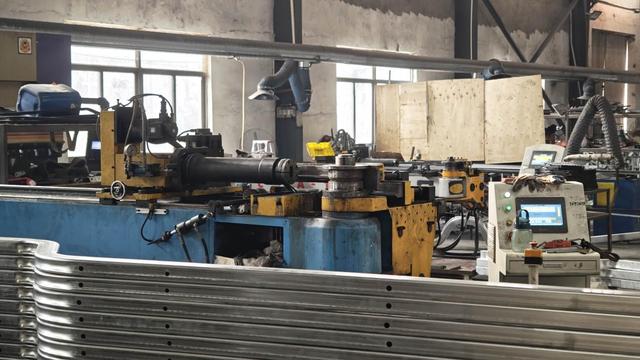
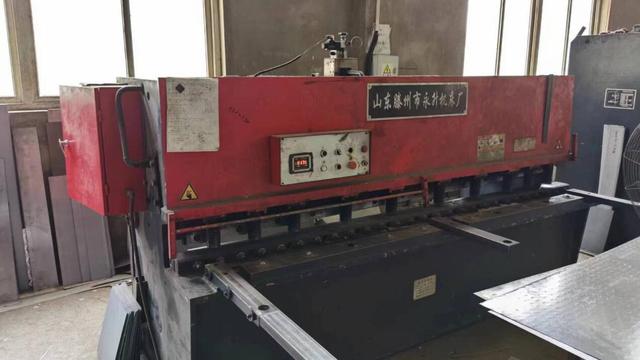
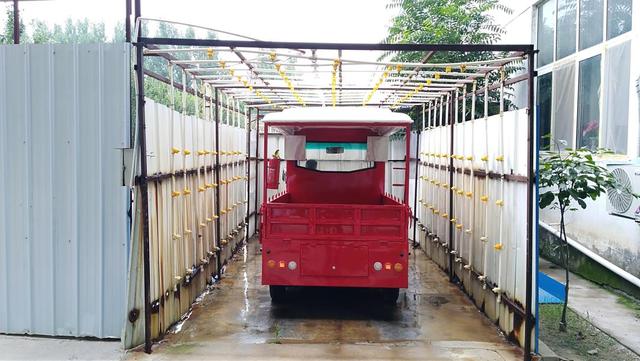
Quality control is embedded at every stage of the assembly process. The production workflow involves incoming component inspection, automated chassis welding, computerized controller configuration, and thorough dynamometer assessment. Finished vehicles undergo rigorous testing on simulated rough terrain, steep slopes, and waterproof test beds, ensuring they deliver lasting durability, consistent power, and absolute safety upon arrival.
Custom setups engineered for specific operations, weather conditions, and terrain challenges.
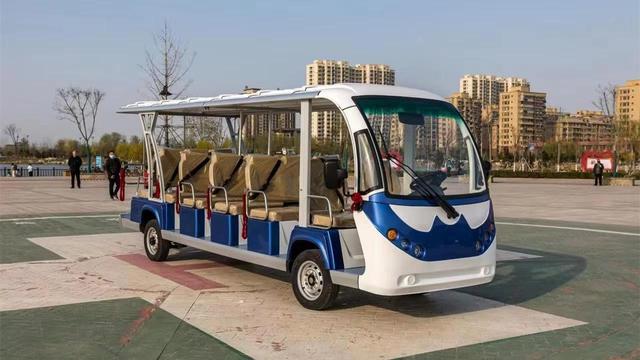
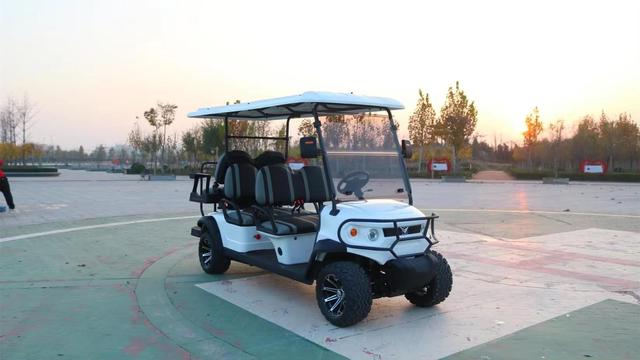
Golf Courses and Premium Eco-Resorts: Traditional courses rely on quiet operation and turf-friendly tires. High-end resorts demand a premium guest experience, utilizing multi-row passenger shuttles equipped with soft, weather-resistant upholstery, protective rain curtains, and silent drivetrains that preserve a tranquil environment.
Industrial Plants and Cargo Hubs: Moving heavy materials in manufacturing complexes requires vehicles with high carrying capacity and low maintenance. Heavy-duty utility carts fitted with aluminum cargo beds, robust tow hitches, and high-torque AC motors handle regular cargo transport efficiently across spacious factory campuses.
Airports and Large Campus Transits: Commercial transit hubs need constant uptime and rapid battery recharging. Lithium-powered golf buggies configured with fast-charging technology operate continuously across multi-shift schedules, transporting luggage, personnel, and passengers safely through busy indoor and outdoor terminals.
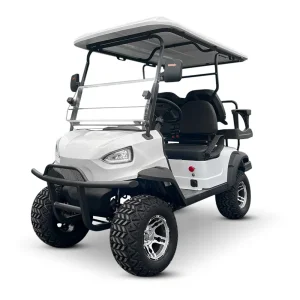
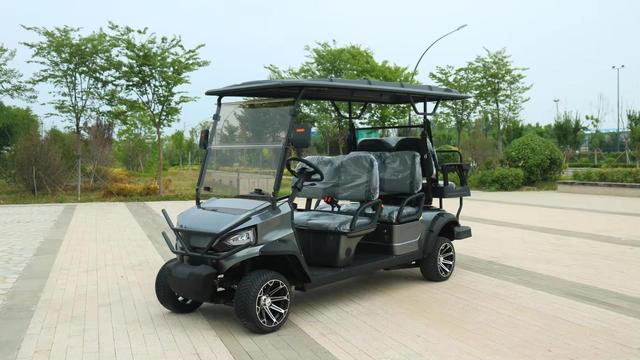
Off-Road and Rugged Settings: Forestry management, wilderness resorts, and hunting operations require lifted suspensions, durable guards, and deep-tread tires. Off-road vehicles feature reinforced chassis, brush guards, and powerful controllers to navigate steep inclines, muddy trails, and rough environments.
Take a look inside our modern production line, testing stations, and assembly facility in Shenzhen, China.
Direct answers to critical technical, customisation, and logistical questions from global purchasing agents.
Explore our industrial cargo transporters, passenger shuttles, and custom off-road options.
 Kabar Golf