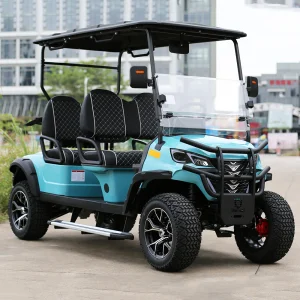
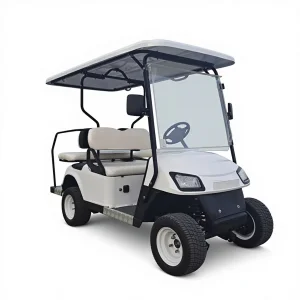
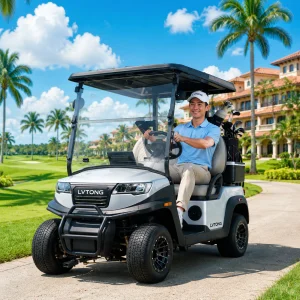
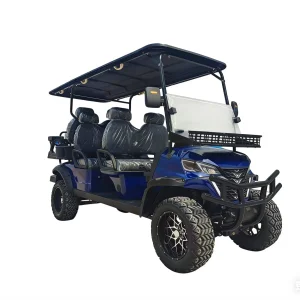
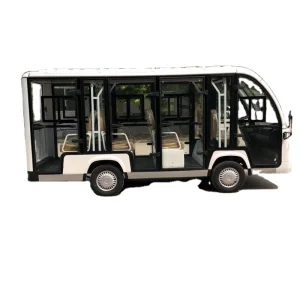
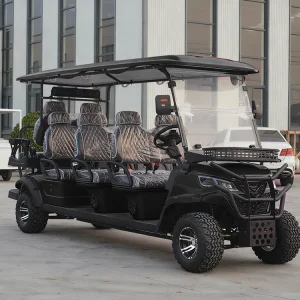
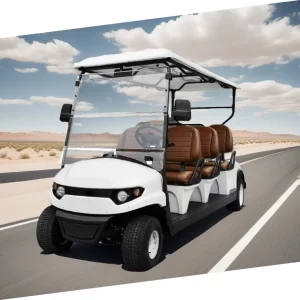
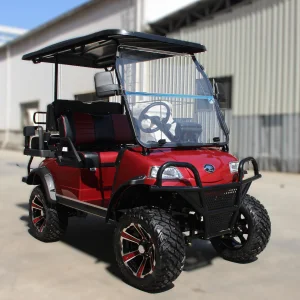
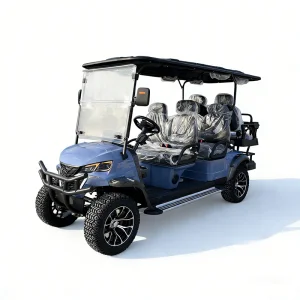
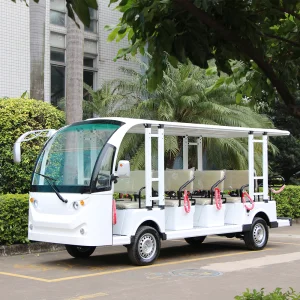
Modern university campuses, corporate centers, luxury hospitality developments, and international aviation hubs are currently facing an unprecedented challenge: transitioning highly dense, complex spatial environments into zero-emission zones. As institutional mandates align with carbon-reduction targets, traditional internal combustion engines (ICE) are being systematically phased out. Consequently, the reliance on high-performance, robust, and reliable campus shuttle carts has reached historical heights.
To select a fleet of campus shuttle carts, buyers must evaluate more than just the surface-level cost parameters. They need to analyze key engineering factors: modular battery safety, chassis structural dynamics, smart telematics compatibility, and the reliability of international supply chains. This whitepaper serves as an authoritative guide for corporate purchasing agents, real estate developers, facilities managers, and fleet operations directors seeking to partner with leading manufacturers and suppliers of low-speed electric vehicles (LSEVs).
A campus shuttle cart is defined by its duty cycle. Unlike standard recreational golf carts, commercial-grade shuttle carts run continuously for 8 to 16 hours daily. They must navigate steep inclines with full passenger loads, operate in extreme weather conditions, and withstand constant boarding and exiting. Therefore, standard specifications must include heavy-duty AC brushless motors (typically 3KW to 7.5KW), high-performance controller boards (such as Curtis or Inpower systems), smart thermal-management battery systems, and high-tensile, corrosion-resistant steel frames.
Established in 2014 in Shenzhen, Guangdong, China—the global epicenter of clean energy innovation—Shenzhen Kabar Golf Co., Ltd. has established itself as an industry-leading manufacturer of premium electric utility vehicles, resort shuttles, and custom micro-mobility solutions. Over the past decade, the company has expanded its manufacturing operations. It now operates a state-of-the-art facility covering more than 18,000 square meters, supported by a workforce of over 220 highly skilled technicians and engineers.
Kabar Golf's core business model focuses on integrating structural safety, long-range battery efficiency, and smart fleet connectivity. Rather than relying on simple off-the-shelf assembly lines, Kabar Golf maintains an in-house R&D department that optimizes power systems, tests lightweight materials, and designs ergonomic cabin spaces. This end-to-end control allows us to serve diverse commercial and public institutions, including airports, historic resorts, university campuses, gated residential zones, and security forces.
A key competitive advantage of Kabar Golf is its comprehensive OEM (Original Equipment Manufacturer) and ODM (Original Design Manufacturer) capabilities. Every institution has unique operational requirements. A luxury hotel in Hawaii might require a silent, open-sided cart with customized teak-wood accents and deep leather seating. In contrast, a university security department in New England might need a fully-enclosed, weather-sealed utility car with police beacon lights and winter-grade tires.
Our engineering workflow includes custom paint matching, custom seating layouts, heavy-duty cargo attachments, customized branding, variable battery configurations (LFP Lithium vs. deep-cycle Lead Acid), and specialized safety features. This ensures that every vehicle delivered aligns with the client's brand and operational needs.
Sourcing electric shuttle vehicles from Chinese manufacturing hubs, particularly the Shenzhen-Guangdong industrial zone, offers significant strategic advantages. These benefits go beyond simple labor cost reductions. The region provides a complete manufacturing ecosystem that ensures reliable quality, rapid development, and strong supply chain security.
| Procurement Pillar | Western OEM Standard | Kabar Golf (Shenzhen Ecosystem) | Strategic Impact on Buyer |
|---|---|---|---|
| Battery Integration | Outsourced third-party supply, long lead times | Direct local integration with tier-1 battery cell brands | 40% higher energy density, lower cost per kWh |
| Chassis Manufacturing | Heavy sub-contracting, high material costs | In-house high-tensile steel welding and galvanizing | Superior rust resistance and vehicle lifetime |
| Lead Times | 16 to 24 Weeks due to parts fragmentation | 6 to 8 Weeks from design sign-off to container loading | Faster fleet deployment and lower holding costs |
| Customization Scope | Strict standard models, high custom surcharges | Flexible OEM/ODM configurations built on standard platforms | Customized configurations tailored to target use cases |
Because the components of electric drivetrains—lithium cells, battery management systems (BMS), high-power motors, axle assemblies, and electronics—are designed and produced within a 50-mile radius in Shenzhen, the assembly pipeline has minimal risk of delays. The direct access to raw materials and electronic components enables manufacturers to quickly update designs based on feedback from international markets. This allows them to implement technology updates faster than competitors in other regions.
Operating low-speed electric vehicles (LSEVs) on public roads, gated communities, or university grounds requires strict compliance with local laws. This is a crucial element of the procurement process. Global regulatory standards are highly fragmented, and importing non-compliant vehicles can lead to customs delays, liability issues, or operating bans.
In the United States, the National Highway Traffic Safety Administration (NHTSA) regulates Low-Speed Vehicles (LSVs) under Federal Motor Vehicle Safety Standard 500 (FMVSS 500). Vehicles operating on public roads with speed limits under 35 mph must be limited to a top speed of 25 mph. They must also be equipped with essential safety features, including DOT-approved seat belts, tempered glass windshields, exterior rearview mirrors, turn signals, and backup cameras. Kabar Golf designs specific configurations that meet these requirements, helping clients navigate the registration process with local DMVs.
For European markets, our vehicles comply with CE electrical safety standards. They also align with the structure of EEC (European Economic Community) type approvals for L6e (light quadricycles) and L7e (heavy quadricycles) categories. This ensures that the wiring, battery packs, braking systems, and steering mechanisms meet European road safety standards. Additionally, all battery systems undergo UN38.3 certification, which is mandatory for safe ocean transit and air cargo transport.
A common concern when buying from international factories is the availability of replacement parts. Kabar Golf addresses this by utilizing standard, universally recognized components (such as Curtis controllers and standard tire dimensions) and offering comprehensive spare parts packages with bulk orders. We also provide digital troubleshooting guides and video consultations to help local maintenance teams resolve issues quickly.
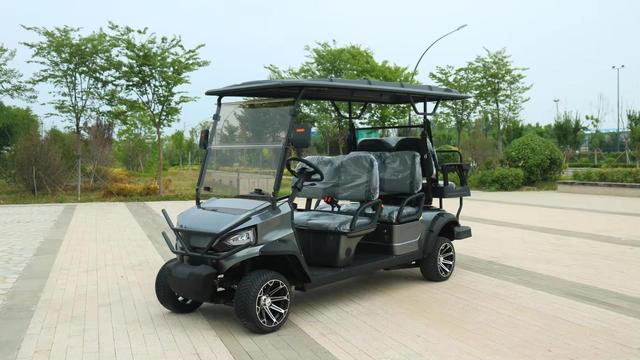
Rather than offering a one-size-fits-all product, Kabar Golf categorizes its fleet configurations into distinct use cases. This approach ensures optimal performance and efficiency for each target application.
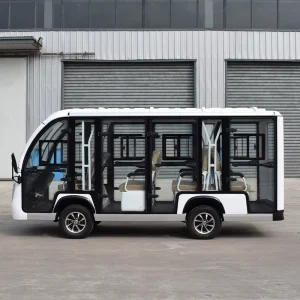
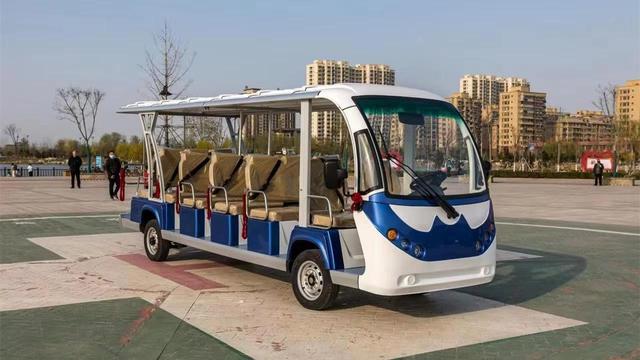
University environments demand quiet, reliable, and safe transportation. With thousands of students walking between classes, shuttle carts must operate quietly to avoid disrupting academic activities. They must also include features that protect pedestrians, such as speed limiters and reverse warning alarms. High-capacity vehicles, like the 11-seat and 14-seat sightseeing buses, are ideal for running scheduled shuttle loops. This helps reduce personal car usage and supports the campus's sustainability goals.
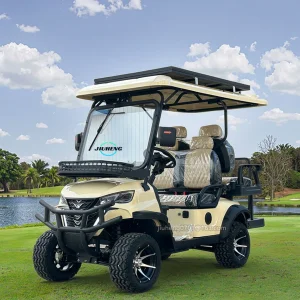
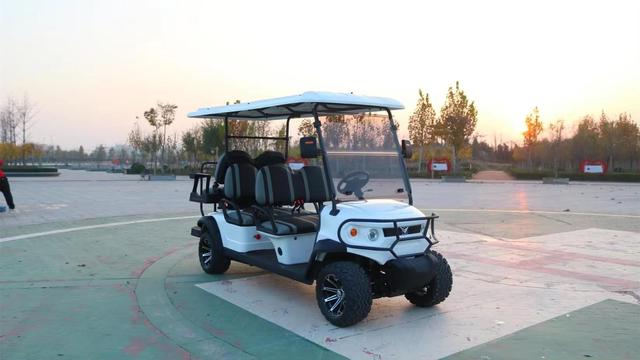
For five-star hotels and premium resorts, the guest experience is the top priority. Shuttle vehicles must operate quietly and offer high ride comfort, premium upholstery, and appealing design. Our premium 8-seater open-air carts provide a comfortable transport option for guests and their luggage, moving quietly through resort pathways.
Industrial logistics require durable utility carts capable of hauling tools, baggage, and materials over long distances. In these environments, aesthetic styling is secondary to payload capacity, battery run-times, and durability. Heavy-duty utility vehicles with aluminum cargo beds, robust leaf-spring suspension, and high-torque electric motors are essential for handling demanding workloads day after day.
When evaluating fleet proposals, smart buyers look beyond the initial purchase price to calculate the Total Cost of Ownership (TCO). This calculation includes energy consumption, maintenance costs, battery replacement cycles, and resale value over the vehicle's lifespan.
Furthermore, integrating smart telematics allows fleet managers to monitor battery health, track vehicle location in real-time, and set geo-fenced speed limits. This data-driven approach helps prevent accidents, reduces battery damage from over-discharging, and extends the operational life of the entire fleet.
The low-speed electric vehicle market is rapidly evolving. Key trends shaping the next generation of campus shuttle carts include:
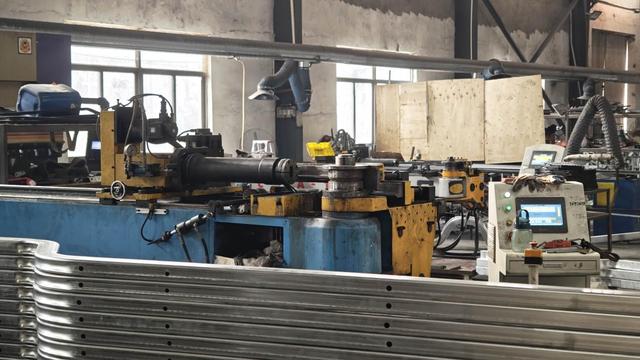
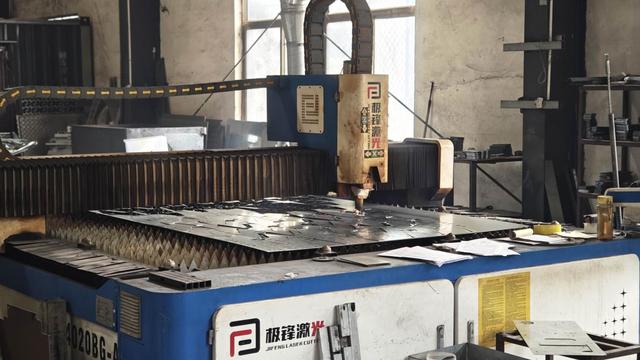
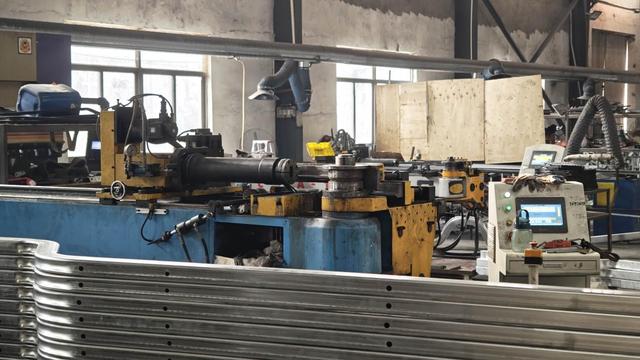
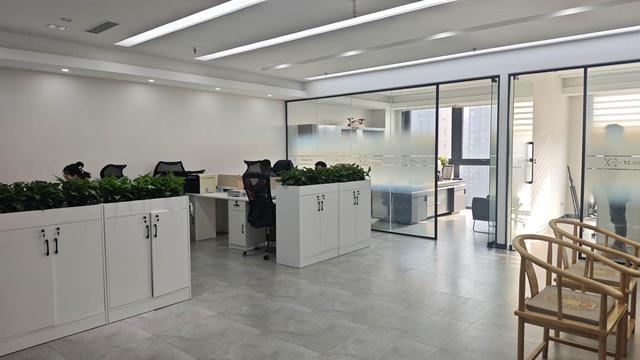
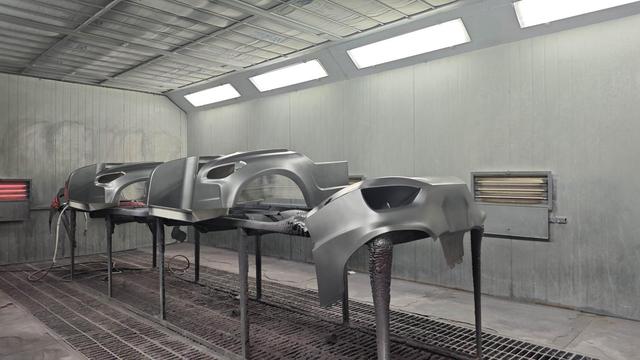
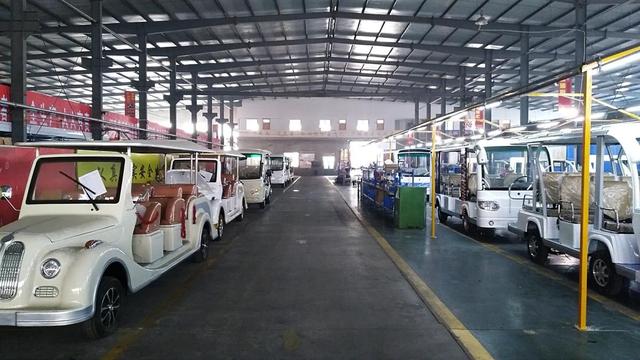
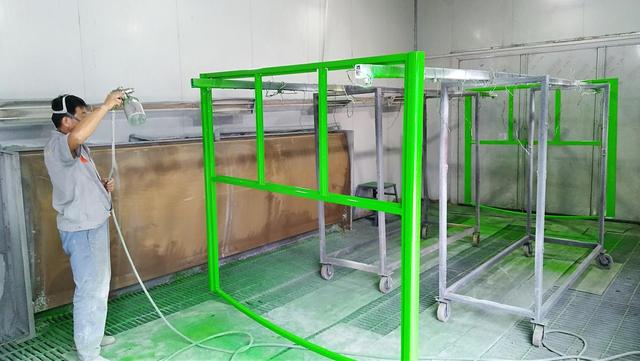
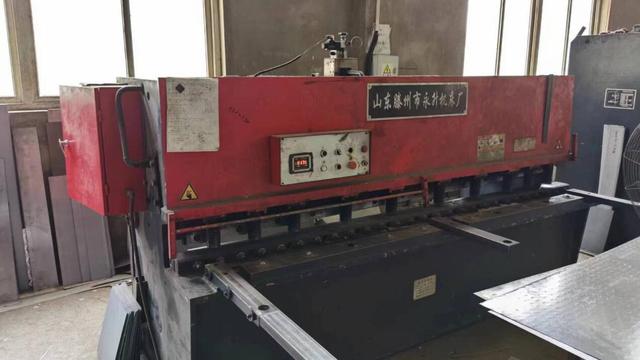
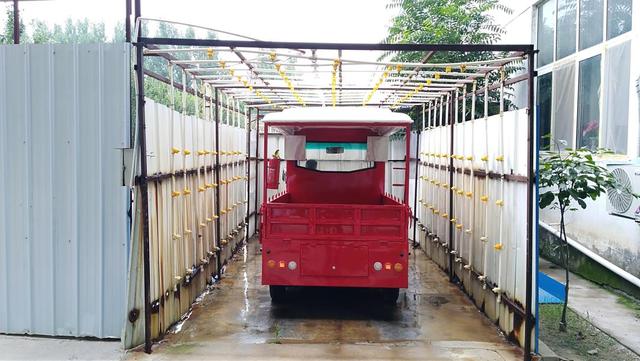
Explore the inside of our 18,000+ square meter facility in Shenzhen. Every production step, from metal welding to assembly and final diagnostics, is designed to ensure reliable vehicle quality.
 Kabar Golf