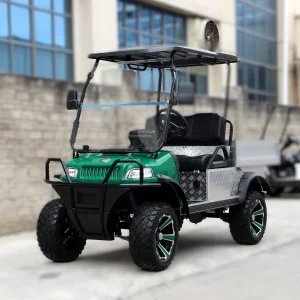
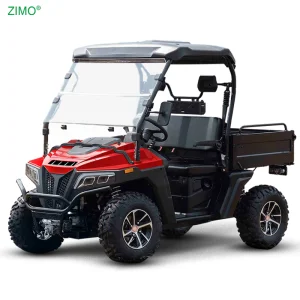
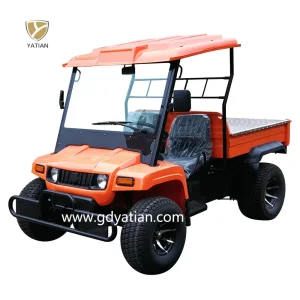
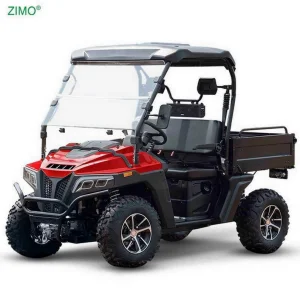
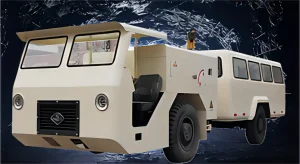
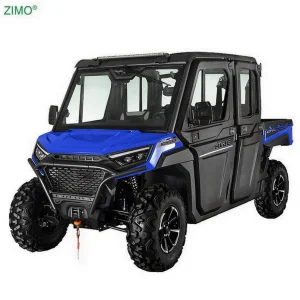
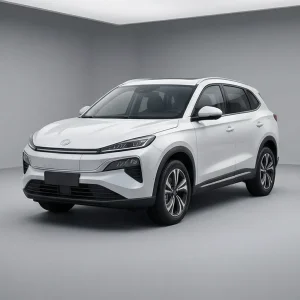
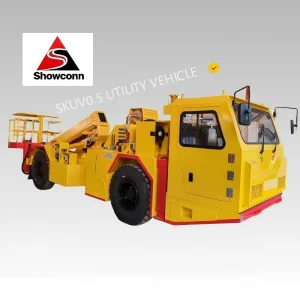
Explore our baseline fleet systems engineered for municipal service, high-capacity internal logistics, industrial patrol, agricultural operations, and specialized off-road applications.
The global market for industrial utility vehicles (IUVs) is undergoing an unprecedented structural transition. Historically dominated by internal combustion engine (ICE) drivetrains, the industry is rapidly transitioning toward lithium-ion and low-voltage electric propulsion architectures. Driven by municipal zero-emission mandates, strict indoor warehouse ventilation regulations, and the long-term economic benefits of lower Total Cost of Ownership (TCO), multi-purpose utility platforms have become indispensable assets across diverse industry verticals.
In regions like North America and the European Union, ESG compliance policies and carbon-reduction strategies are pushing enterprise buyers to replace traditional internal combustion utility trucks with high-torque electric alternatives. Modern electric UTVs are no longer limited to light-duty operations. Integrating advanced 72V and 96V drivetrains, modern thermal management systems, and high-performance AC induction or permanent magnet synchronous motors (PMSM), these vehicles match or exceed the drawbar pull, payload capacity, and gradeability of gasoline and diesel alternatives, while operating silently and with zero tailpipe emissions.
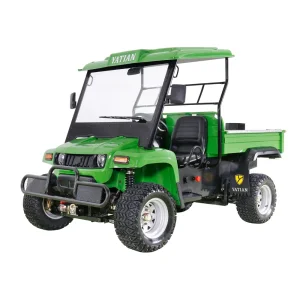
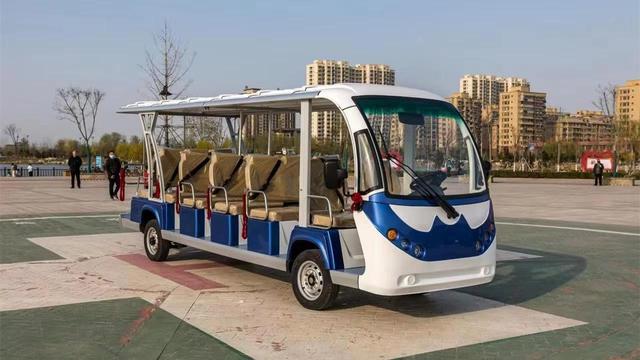
Engineering advancements in industrial utility vehicle manufacturing focus heavily on structural longevity, powertrain efficiency, and intelligent operations. B2B purchasers prioritize manufacturers that integrate modular vehicle architectures, enabling seamless swapping between cargo flatbeds, passenger seating, chemical sprayers, or specialized mining setups.
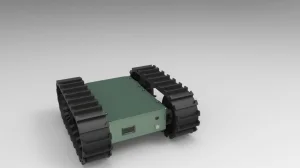
Integration of LiDAR, ultrasonic sensors, and RTK-GPS navigation allows modern utility vehicles to transition into autonomous transport platforms. Unmanned Ground Vehicles (UGVs) reduce labor costs and safely navigate hazardous environments, such as mining galleries or chemically intensive agricultural fields.
The transition from lead-acid to Lithium Iron Phosphate (LiFePO4/LFP) technology is standard. LFP chemistry offers over 3,500 charge cycles, zero maintenance, lower weight, and exceptional stability under extreme ambient operating temperatures (-20°C to 60°C).
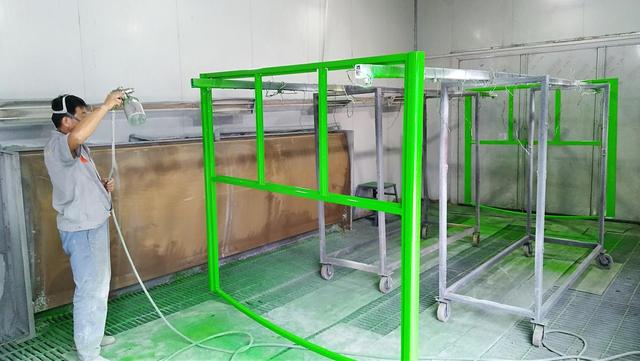
Hot-dip galvanized, high-strength low-alloy (HSLA) steel frames provide superior torsional rigidity and corrosion resistance. Anti-corrosive powder coatings ensure these vehicles withstand highly acidic mining operations, coastal resorts, and humid agricultural zones.
Technical Milestone: Intelligent dual-motor four-wheel-drive (4WD) electronic management systems dynamically distribute torque based on wheel traction, reducing power loss by up to 22% compared to mechanical 4WD systems.
Every operational environment presents unique challenges. A standard utility vehicle is rarely sufficient for specialized B2B requirements. Below are the key customized solutions engineered to address localized environmental, structural, and performance challenges:
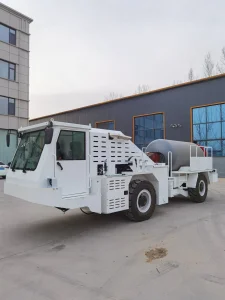
Underground mining operations mandate vehicles that emit zero toxic particulate matter, prevent spark discharges, and feature heavy structural protection against falling debris. Our mining-specialized carriers and multifunctional service vehicles include reinforced ROPS/FOPS structural cages, high-grade liquid-cooled drivetrains, and flame-proof electrical enclosures compliant with safety regulations.
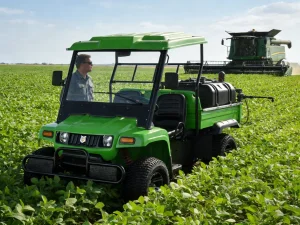
Agricultural operations, especially in high-density European and North American orchards, require low-profile, high-clearance layouts. Integrated spraying systems, powered by high-capacity auxiliary power take-offs (PTO), ensure uniform chemical application. Low ground pressure tires prevent soil compaction, protecting fragile root systems while navigating muddy, uneven terrain.
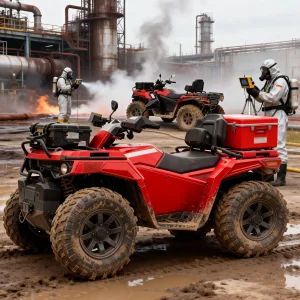
Sprawling manufacturing sites and chemical refineries need persistent security patrols and maintenance transport. Standard configurations include weather-resistant enclosures, integrated LED light bars, public address (PA) systems, and dry-cell storage compartments. These vehicles can also serve as emergency response units equipped with localized fire-suppression gear.
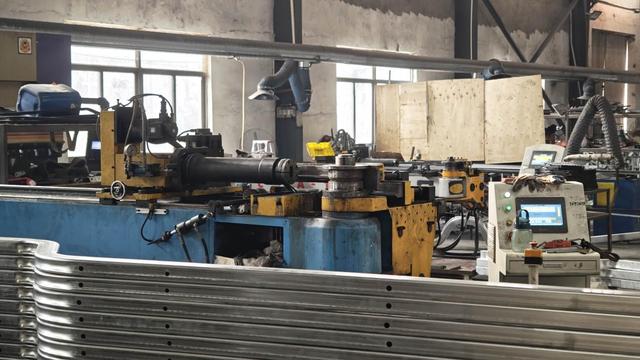
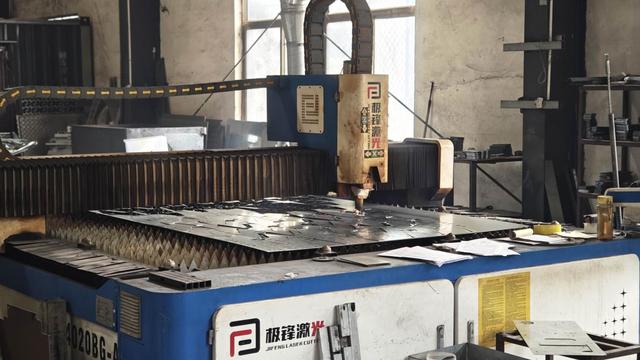
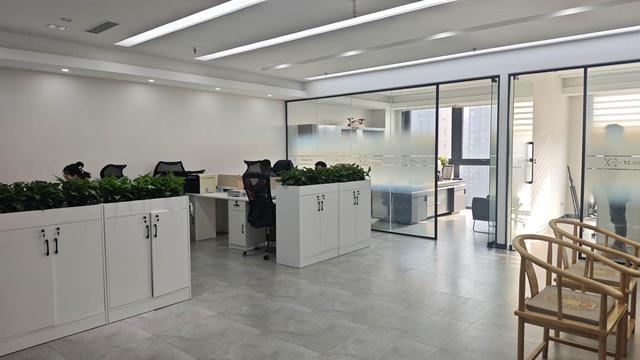
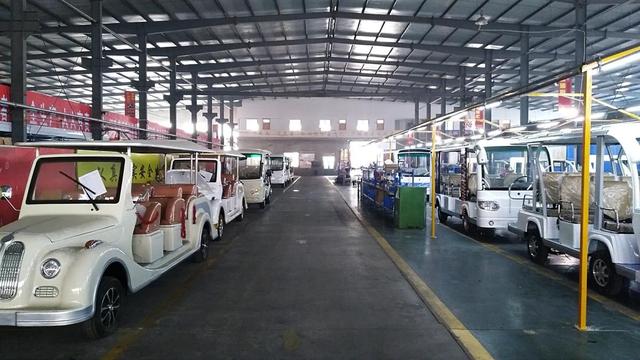
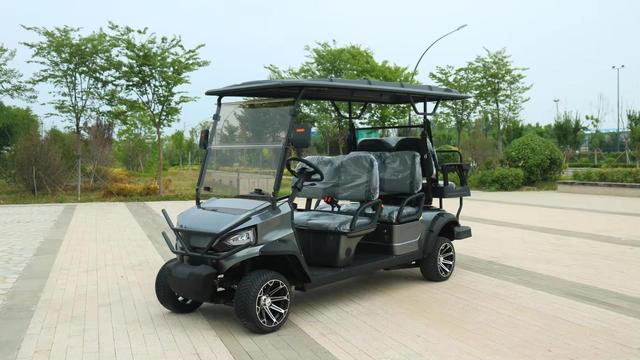
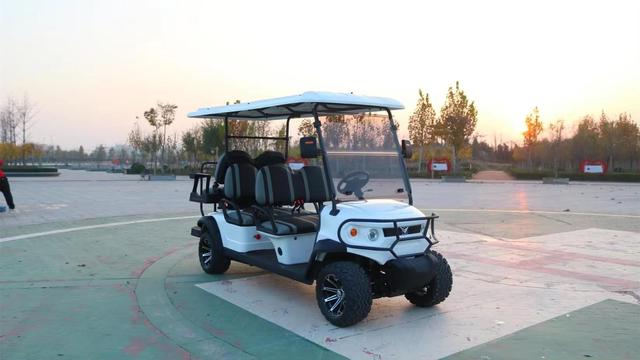
Established in 2014 in Shenzhen, Guangdong, China, Shenzhen Kabar Golf Co., Ltd. is a leading manufacturer specializing in the research, development, and global export of electric golf carts, heavy-duty utility vehicles, and bespoke mobility solutions. Operating a modern production facility spanning over 18,000 square meters and employing a highly skilled workforce of over 220 professionals, we deliver robust, reliable vehicles to enterprise clients worldwide.
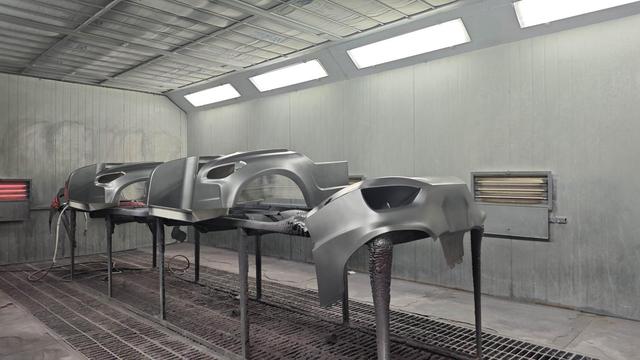
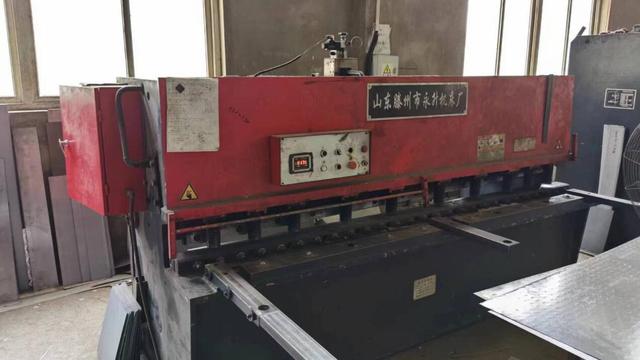
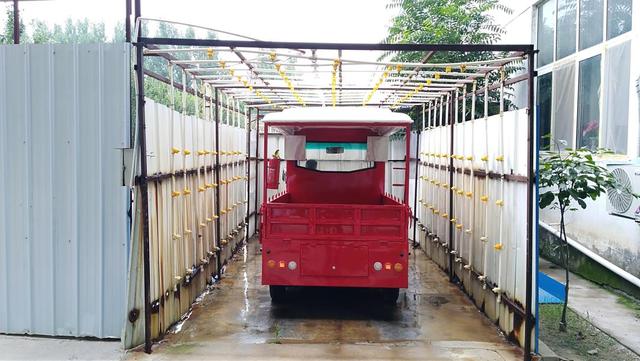
Our engineering philosophy prioritizes performance, safety, and durability. By managing every stage of production—from structural steel fabrication and powder coating to electrical harness assembly, dynamometer calibration, and battery diagnostic cycles—we maintain rigorous quality control. Our facility is certified under global standards, and our export models feature recognized certifications including EEC/CoC (Certificate of Conformity) and CE, ensuring compliance with strict street-legal and occupational safety regulations across North America, Europe, Australia, and the Middle East.
OEM & ODM Capabilities: We offer B2B procurement partners complete customization services, including custom suspension configurations, specialized hydraulic lifting beds, integrated battery thermal systems, branding, and color-matching services.
Critical insights for engineering leads, procurement managers, and fleet operational directors evaluating new utility vehicle integrations.
Answer: Modern AC electric and PMSM drivetrains produce peak torque instantly from 0 RPM, offering superior starting traction on steep inclines compared to gasoline engines that must build torque through a transmission curve. Our 72V 4x4 models deliver comparable drawbar pull to 800cc-1000cc internal combustion UTVs, while significantly reducing mechanical complexity, maintenance down-time, and operating noise.
Answer: Our vehicles are engineered to meet strict international standards, with models holding EEC CoC (Certificate of Conformity) and CE certifications. For the North American market, our street-legal variants comply with LSV (Low-Speed Vehicle) regulations, including required seat belts, tempered safety glass windshields, side mirrors, and integrated lighting systems.
Answer: We offer custom battery thermal management configurations. For cold climates (under -15°C), we install self-heating LFP battery systems that use grid power to warm cells during charging cycles. For desert operations (over 45°C), we integrate active airflow cooling, heat dissipation fins, and temperature cutoff sensors to prevent thermal runaway and maintain cycle longevity.
Answer: Standard production runs average 25 to 35 days from deposit confirmation. Custom OEM engineering, which may require frame modifications, hydraulic system integrations, or customized seating layouts, typically takes 45 to 60 days, including structural engineering reviews and safety testing.
Answer: Yes. For multi-shift operations, we configure our vehicles with rapid-charge LFP batteries that support opportunity charging during breaks, or design quick-swap battery bays. Quick-swap configurations allow operational crews to exchange a depleted battery pack for a fully charged one in under 5 minutes using a standard pallet jack or forklift.
Discover our high-capacity cargo transports, certified mining equipment, agricultural trucks, and specialized high-speed utility vehicles engineered for demanding industrial tasks.
 Kabar Golf