Kabar Golf
1. The Strategic Blueprint of Istanbul’s Industrial & Logistics Ecosystem
Istanbul stands as the geographical and economic pivot between Europe and Asia. Anchoring over 30% of Turkey's total industrial output, the metropolitan region encompasses massive Organized Industrial Zones (OSB) such as İkitelli OSB, Tuzla OSB, and the Dudullu Industrial Hub. These complexes, alongside major deep-water ports like Ambarlı and logistics centers supporting Istanbul Airport, require highly efficient, zero-emission internal mobility platforms.
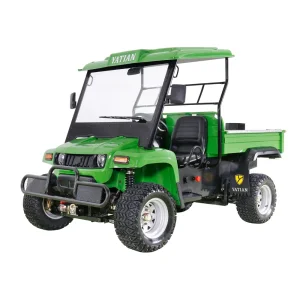
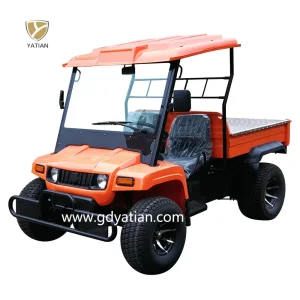
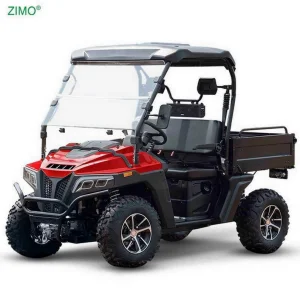
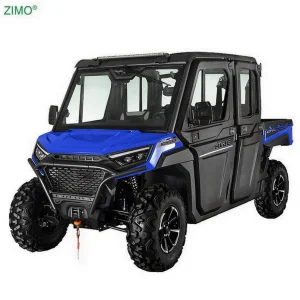
With Turkey’s commitment to aligning with the European Green Deal and implementing stricter carbon limits within municipal limits, the logistics and manufacturing sectors are undergoing rapid transition. Standard combustion engine fleet vehicles are being replaced by custom-engineered Electric Utility Vehicles (EUVs). These vehicles reduce operational down-time, eliminate local emissions, and significantly cut maintenance cost profiles by up to 65% compared to diesel-driven machinery.
Istanbul’s topography is uniquely challenging, featuring steep inclines, coastal humidity variations, and dense layouts. Industrial utility platforms deployed here require superior gradeability (up to 30% incline performance), robust battery heating systems for Marmara winters, and IP67-rated moisture protection for coastal operations.
2. Technical Innovations and E-Mobility Trends in Industrial Vehicles
The global industrial utility vehicle market has moved past standard lead-acid batteries. Today's manufacturing demands integration of advanced tech to maximize uptime, increase safety, and future-proof corporate investments.
High-Density Lithium-Iron Phosphate (LiFePO4) Integration
Compared to legacy flooded lead-acid options, LiFePO4 chemistry yields major benefits:
- Extended Lifecycle: Over 3,500 charging cycles at 80% Depth of Discharge (DoD) compared to just 500-800 cycles for lead-acid.
- Rapid Charging: Full charges completed in 2 to 3 hours, facilitating multi-shift application profiles.
- Zero Maintenance: Eliminates water topping, acid spillage risks, and specific ventilation infrastructure requirements.
Smart Fleet Management & Telematics (IoT)
Modern fleets in major Istanbul logistics centers rely heavily on remote diagnostic systems. Integrated controllers communicate speed, motor temperatures, state-of-charge (SoC), and diagnostic trouble codes (DTC) back to centralized software. This enables predictive maintenance, reduces unplanned downtime, and optimizes energy usage across extensive facility layouts.
3. Global Procurement Demands: What Strategic Buyers Look For
Industrial procurement leads, global supply chain directors, and municipal fleet managers operate under strict guidelines. The process of acquiring utility vehicles involves verifying parameters that extend far beyond initial pricing:
- E-E-A-T Verified Standards: Manufacturers must provide verifiable compliance records like EEC (European Economic Community) type approvals, CE markings, and ISO 9001 certifications to ensure seamless importation and operation within Europe and Turkey.
- Customization (OEM/ODM Capability): The ability to modify chassis length, add custom payloads (sprayers, cargo boxes, heavy-duty scissor lifts), and implement custom corporate color branding directly at the factory level.
- TCO (Total Cost of Ownership) Optimization: Buyers analyze the 5-year cost of operation, factoring in energy costs, tire wear, drivetrain reliability, and the availability of replacement parts.