Engineered for high efficiency within metropolitan logistic corridors, free trade zones, and localized manufacturing sectors across the Valley of Mexico.
Mexico City (CDMX) and its surrounding metropolitan zones, including key submarkets like Tlalnepantla, Vallejo, Cuautitlán Izcalli, and Tultitlán, are currently undergoing an unprecedented industrial re-engineering. Spurred by global nearshoring trends and the modernization of international trade routes within the USMCA (T-MEC) region, manufacturing facilities and distribution centers are upgrading their material handling and localized transit infrastructure.
Mexico City's strict environmental regulations, such as the "Hoy No Circula" framework and regional carbon footprint caps, have made internal combustion engine (ICE) utility fleets operationally risky and expensive. Factories and logistics hubs are pivoting aggressively toward zero-emission, lithium-ion powered low-speed vehicles (LSVs) and utility carts to ensure uninterrupted 24/7 localized logistics operations.
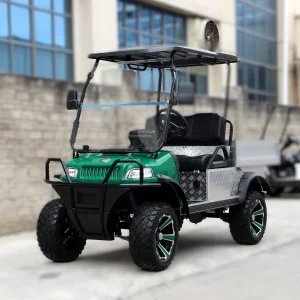
As international corporations establish advanced assembly lines and high-density fulfillment centers in Mexico City, the demand for high-capacity, rugged, and intelligent industrial utility vehicles has surged. Industrial operations require multi-shift reliability, specific load distribution characteristics, and minimal maintenance overheads. This requires procurement managers to look beyond basic golf carts and invest in specialized heavy-duty utility platforms configured for industrial payloads, personnel shuttle requirements, and facility security.
The global demand for industrial utility vehicles is increasingly characterized by a shift toward modularity and smart electrification. From a global procurement standpoint, companies are striving to balance upfront acquisition costs with the Total Cost of Ownership (TCO). While local North American assembly plants exist, their capacity is often bottlenecked by labor constraints and rigid component supply chains.
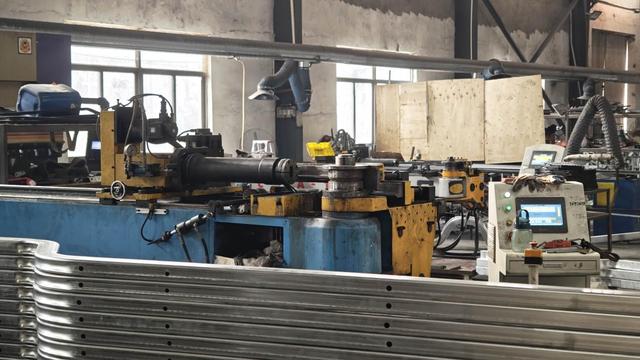
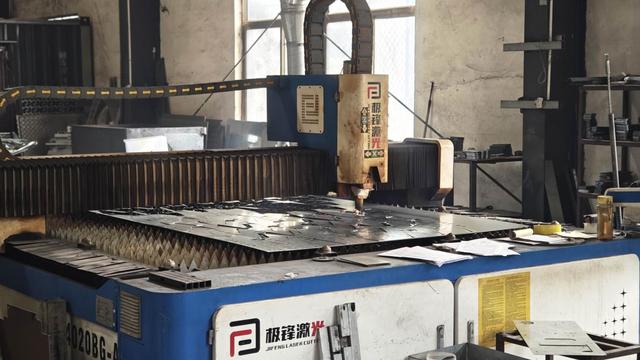
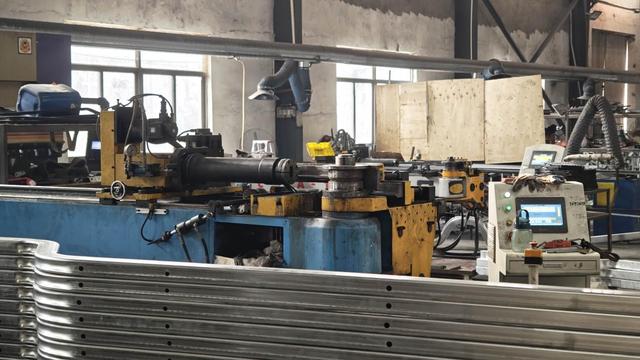
This is where Shenzhen-based manufacturing plants, such as Shenzhen Kabar Golf Co., Ltd., play a crucial role. Operating out of an 18,000+ square meter factory with advanced R&D systems, Chinese production lines utilize highly integrated supply chains. This allows the integration of high-grade components (such as Curtis controllers, high-torque AC motors, and LiFePO4 batteries with proprietary Battery Management Systems) at a price point that substantially beats North American domestic alternatives, even when factoring in trans-Pacific logistics and Mexican customs duties.
To maximize utility vehicle efficiency, configurations must match the operational realities of local sub-districts:
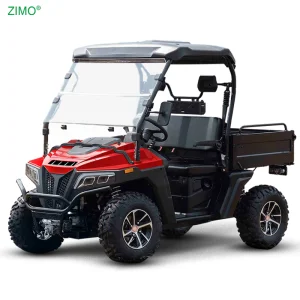
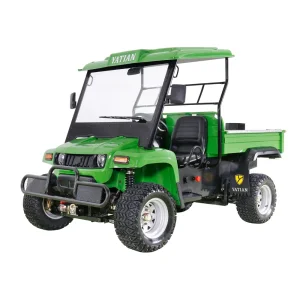
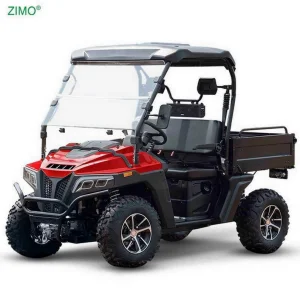
These sprawling corridors house major global e-commerce and retail fulfillment hubs. Heavy-duty utility vehicles equipped with expanded flatbeds, tow hitches (capable of pulling up to 2 tons of cargo), and quick-charge lithium setups are essential to maintain efficiency during consecutive shifts without requiring downtime for battery swapping.
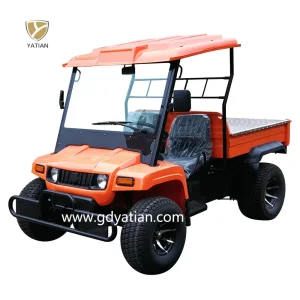
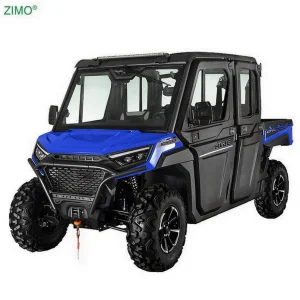
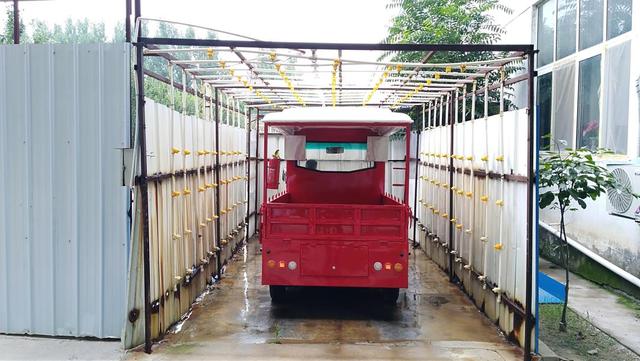
In tightly packed industrial environments where floor space is optimized, tight turning radiuses and robust suspension systems are critical. Closed-cabin utility vehicles equipped with high-durability tires are used to transport machinery parts, maintenance equipment, and shift supervisors safely between assembly hangars and external warehouses.
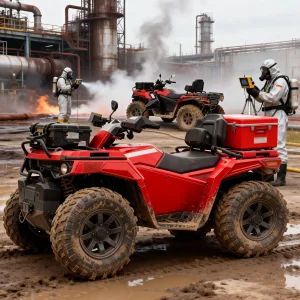
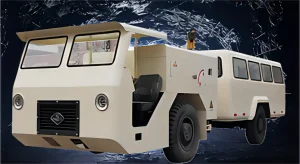
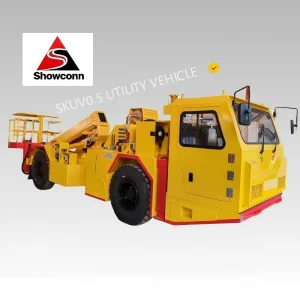
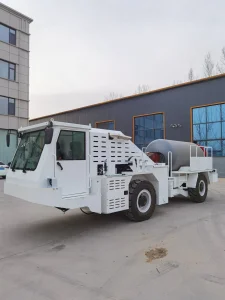
The surrounding regions of CDMX contain deep-level aggregate mines and municipal tunnel works. Here, specialized heavy-capacity mining vehicles (such as the TU312 series or concrete transport platforms) with heavy filtration systems, explosion-proof components, and steel reinforcement frames are needed to meet the safety requirements of SEMARNAT and local civil protection authorities.
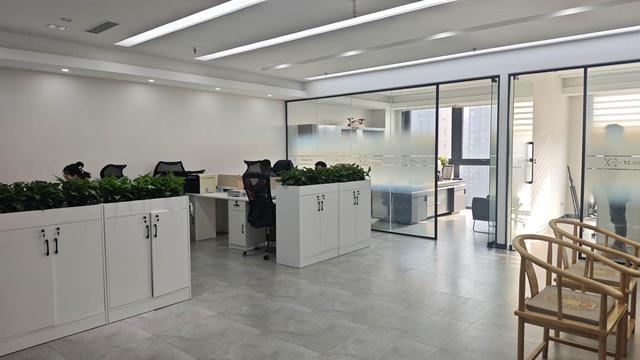
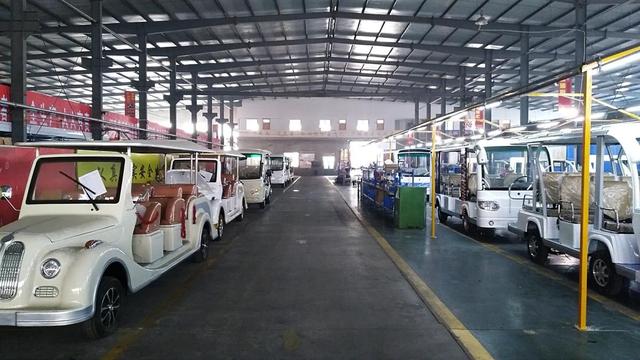
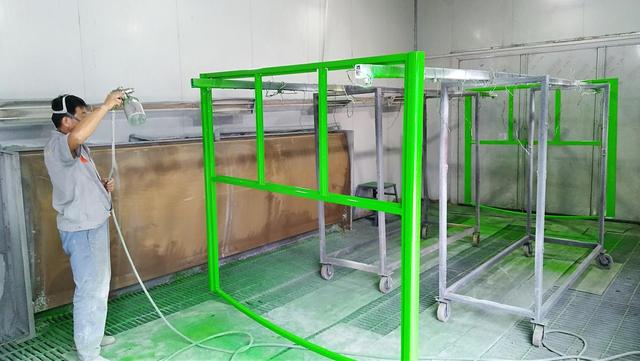
Shenzhen Kabar Golf Co., Ltd. is a professional golf cart manufacturer located in Shenzhen, Guangdong, China. Established in 2014, the company specializes in the research, development, manufacturing, and export of electric golf carts, utility vehicles, and customized mobility solutions for global customers. With a modern production facility covering more than 18,000 square meters and a workforce of over 220 employees, Kabar Golf has developed into a reliable supplier serving golf courses, resorts, hotels, industrial parks, residential communities, airports, campuses, and commercial facilities worldwide.
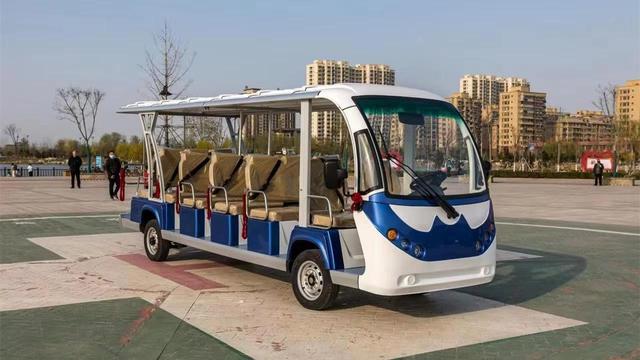
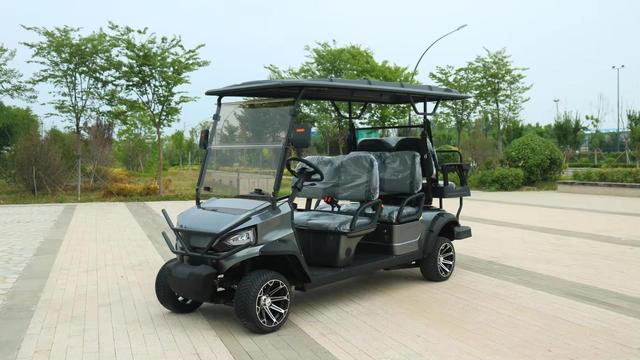
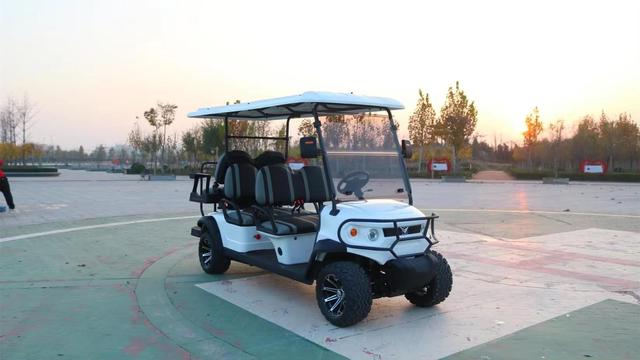
The company's product portfolio includes electric golf carts, passenger transport vehicles, utility carts, cargo vehicles, resort shuttle carts, street-legal electric vehicles, fleet transportation solutions, and customized mobility vehicles. Designed with a focus on efficiency, comfort, safety, and sustainability, Kabar Golf products help customers improve transportation operations while reducing environmental impact.
Supported by an experienced engineering and R&D team, Shenzhen Kabar Golf continuously invests in vehicle innovation, battery technology, intelligent control systems, and ergonomic design. The company offers comprehensive OEM and ODM services, including vehicle customization, branding, color matching, seating configurations, accessory integration, and private-label manufacturing to meet the diverse requirements of international markets.
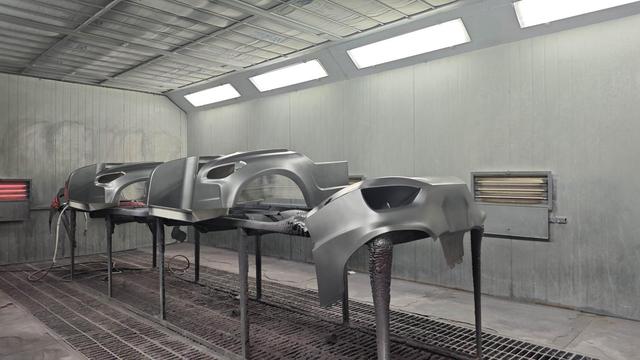
Quality management is integrated throughout every stage of production, from component sourcing and vehicle assembly to testing and final inspection. Advanced manufacturing equipment and strict quality control procedures help ensure consistent product performance and reliability.
With products exported to North America, Europe, the Middle East, Southeast Asia, Australia, and other regions, Shenzhen Kabar Golf Co., Ltd. is committed to delivering dependable electric mobility solutions and long-term value for customers worldwide. The company continues to provide innovative golf carts, utility vehicles, and custom transportation solutions tailored to evolving market needs.
As logistics complexes grow larger and more complex, several macro trends dictate how procurement agents evaluate manufacturers:
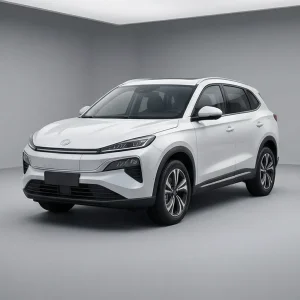
Discover our specialized series, customized for commercial transport, agriculture, excavation, and municipal applications.
Procuring machinery from China to Mexico City requires detailed planning to avoid common bottlenecks. By choosing a manufacturer with extensive export experience, international buyers can streamline key logistical steps:
Industrial fleets originating from Shenzhen are loaded via the Port of Shenzhen (Yantian/Shekou). Ocean transit reaches Port of Manzanillo or Port of Lázaro Cárdenas in approximately 18 to 22 days. From there, inland freight via rail or secure trucking corridors routes directly to Mexico City's customs depots.
Industrial electric carts must meet the safety standards defined by Mexican NOMs (Normas Oficiales Mexicanas). Importers need to verify that their supplier provides documentation for battery safety, mechanical integrity, and braking safety. Our compliance specialists handle certificate preparation to ensure hassle-free clearance through Mexican customs.
A true TCO model accounts for battery degradation, spare parts availability, and technician training. Selecting modular utility vehicles simplifies maintenance: standard replacement assemblies (like contactors, steering linkages, and shock absorbers) can be shipped in container batches to build a local parts inventory in Mexico City.
Technical guidance for B2B procurement managers, operational directors, and engineers.
Deploy high-durability, electric, and customized utility vehicles engineered by Kabar Golf. Partner with a manufacturer that understands your operational demands, safety compliance, and logistics needs.
Connect With an Enterprise Engineer Now Kabar Golf