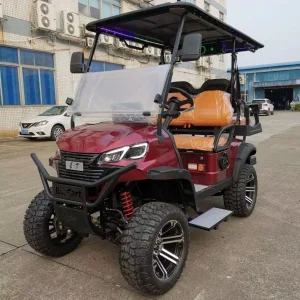
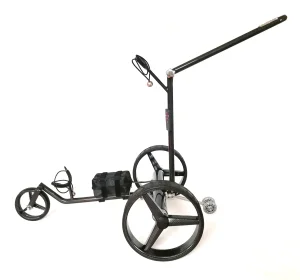
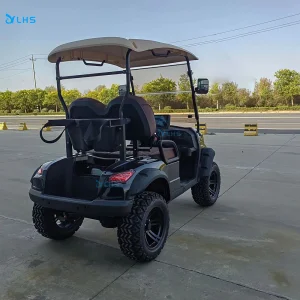
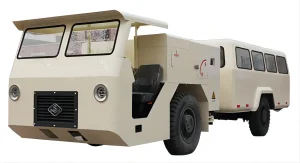
Explore our elite selection of zero-emission fleets designed for premium resorts, challenging terrains, and heavy-duty logistics operations.
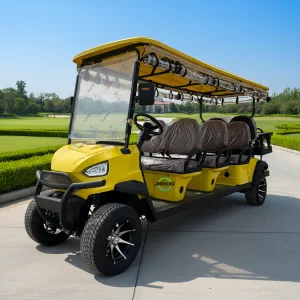
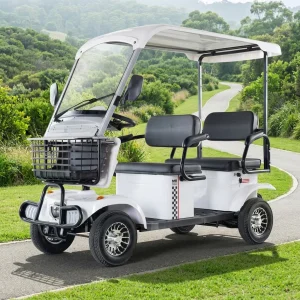
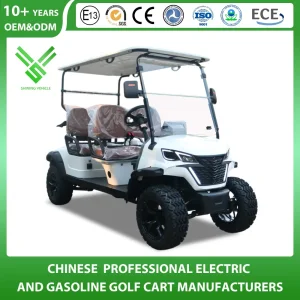
Forging the Future of Green Mobility, Heavy-Duty Logistics, and Customized Electric Utilities Worldwide.
Founded at the heart of China’s advanced technology center, Shenzhen Kabar Golf Co., Ltd. stands as a premier authority in the research, design, engineering, and global export of electric golf carts, utility cargo vehicles, and customized electric low-speed vehicles (LSVs). Spanning a state-of-the-art facility of more than 18,000 square meters and staffed by a highly qualified team of over 220 dedicated industry professionals, Kabar Golf has positioned itself as the go-to partner for premium commercial buyers, public municipalities, high-end resorts, and industrial operations worldwide.
By shifting the paradigm from basic leisure carts to robust, multipurpose utility transport platforms, we address the complex logistics challenges of today’s carbon-neutral estates. From structural calculations and advanced battery chemistry to customized configurations for specialized micro-mobility requirements, our vehicle programs provide reliable, high-performance, and long-lasting operations under the most taxing physical conditions.
"True information gain in industrial mobility procurement isn't just about listing product lines; it is about documenting structural safety, battery thermal management, and localized regulatory compliance that safeguard million-dollar capital investments."
Why sourcing from Shenzhen Kabar Golf ensures unparalleled cost efficiency, technological integration, and agile customization.
Leveraging China's leading position in Lithium Iron Phosphate (LiFePO4) battery production, we build vehicles with intelligent Battery Management Systems (BMS). Our fleets deliver deeper discharge cycles, longer lifespans, and thermal stability in extreme ambient temperatures.
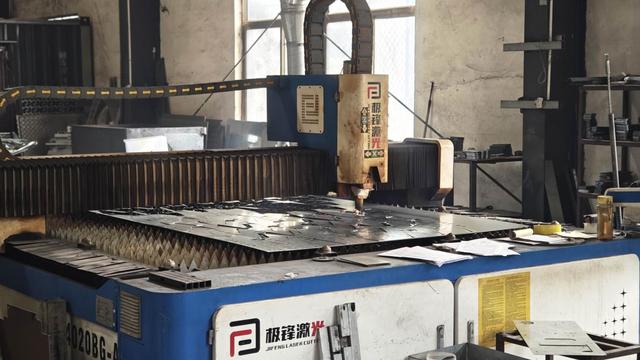
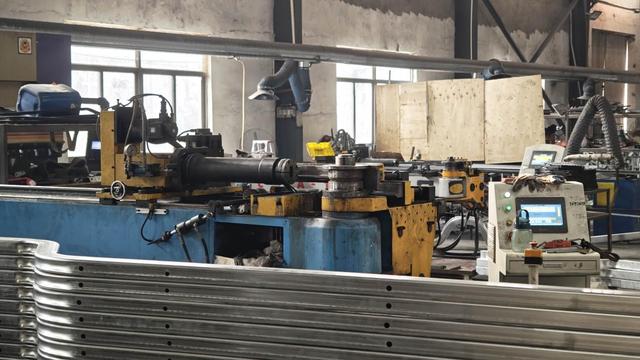
Unlike standard recreation vehicles, our off-road and mining utility platforms utilize robotic-welded, high-tensile carbon steel or anti-corrosive lightweight aluminum alloy chassis, ensuring long-term durability in high-salinity coastal areas and rugged mines.
We provide full-scale vehicle development, starting from clean-sheet CAD concepts to structural analysis, custom mold fabrications, and final international certifications. Tailor seating layouts, colors, utility boxes, and drivetrain systems to your exact specifications.
A comparative overview of our standard, off-road, solar, and heavy-duty utility configurations.
| Vehicle Class | Drivetrain & Motor | Battery Configuration | Maximum Gradeability | Key Certifications | Primary Application Areas |
|---|---|---|---|---|---|
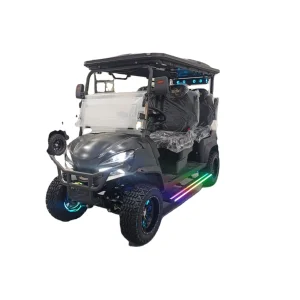
| Off-Road Winch Utility (5-6 Seats) | 5kW / 7.5kW AC Motor | 72V Lithium Iron Phosphate | 15% - 20% Grade Ability | CE, ISO 9001 | Forestry Patrol, Eco-Resorts, Hunting Estates |
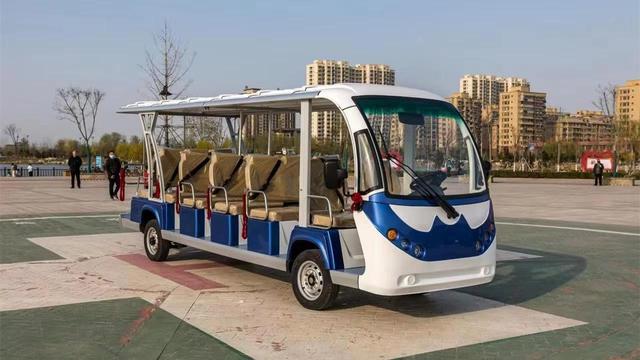
| Solar Sightseeing Fleet (8 Seats) | 5kW AC Motor + Solar Canopy | 48V / 72V LiFePO4 | 12% - 15% Grade Ability | CE, CE-EMC | Golf Courses, Amusement Parks, Gated Towns |
| Heavy-Duty Mining Support | High Torque 7.5kW / 10kW Motor | 96V Explosion-Proof Li-Ion | 25% Grade Ability | Mining Safety Certificate, CE | Underground Extraction, Industrial Facilities |
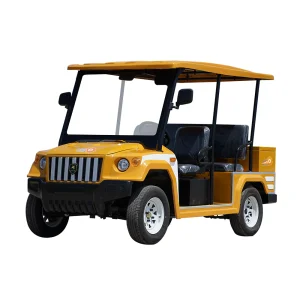
| Street Legal Mini Shuttle | 4kW / 5kW AC Motor | 48V Maintenance-Free Acid/Li | 15% Grade Ability | EEC L7e, DOT standard | Campus Transit, Municipal Operations, Airport Shuttles |
Mitigating regulatory risk with certified quality standards, global parts logistics, and regional compliance alignments.
Navigating the legal requirements of importing electric vehicles is one of the biggest challenges for global enterprise buyers. To address this, Shenzhen Kabar Golf ensures that all vehicles destined for international markets comply with corresponding road safety and emissions regulations:
Beyond vehicle manufacturing, Kabar Golf works with regional distribution channels and localized service networks to provide spare parts, electronic controllers, replacement battery cells, and technical field support across North America, Europe, Australia, and the Middle East.
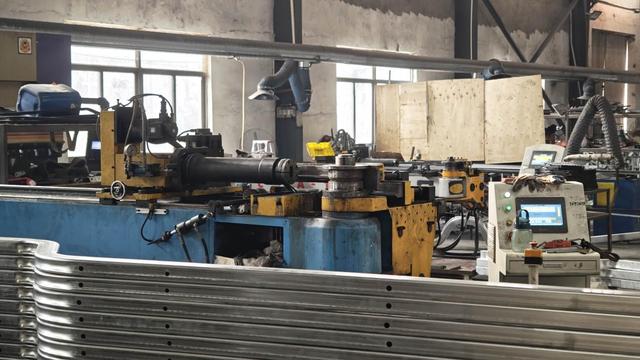
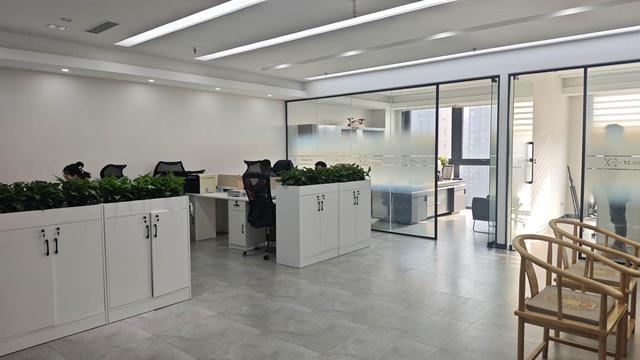
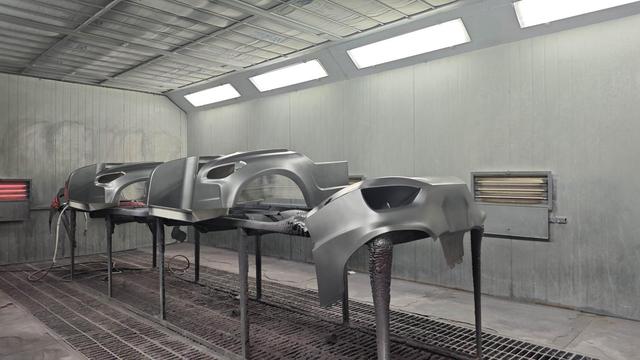
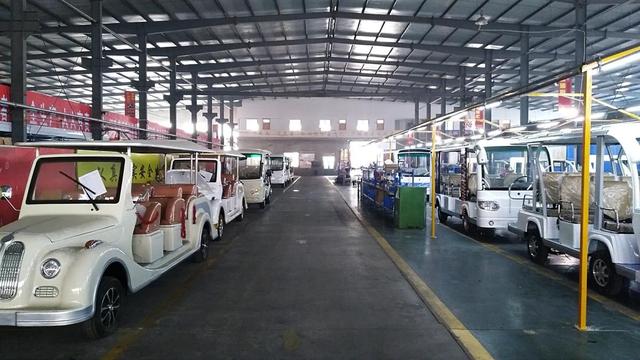
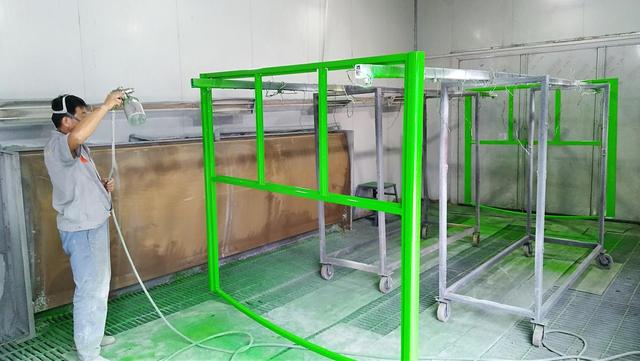
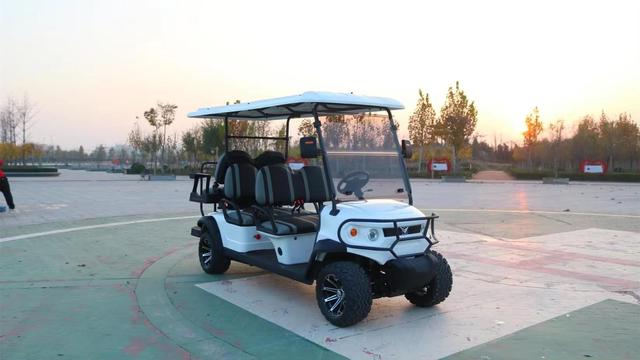
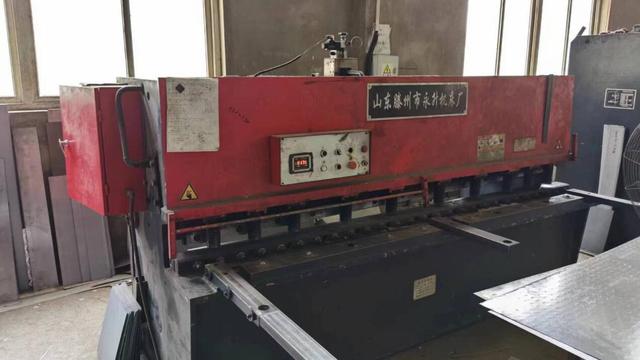
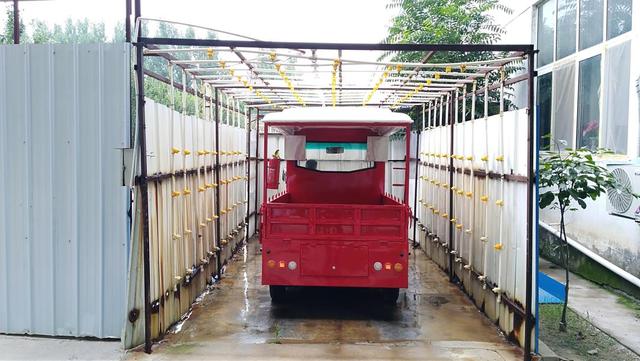
Inside our 18,000 square meter factory in Shenzhen, showcasing high-precision welding, assembly lines, and testing phases.
The shift toward smart fleets, sustainable charging, and automated transport infrastructure.
Modern fleets are evolving beyond simple mechanical systems. We integrate smart GPS trackers, remote diagnostic units, and geo-fencing software that allow resort operators to track vehicle location, monitor battery levels, and limit speeds in crowded pedestrian zones.
By embedding monocrystalline photovoltaic cells directly into the vehicle's canopy, we leverage solar energy to continuously trickle-charge the battery pack. This increases the vehicle's daily operating range by up to 20-30% and reduces its overall dependency on the power grid.
To maximize energy efficiency, manufacturers are increasingly using carbon fiber composites and lightweight aluminum subframes. Reducing the vehicle's curb weight allows for greater payload capacity without putting extra strain on the electric drivetrain.
Essential answers to import regulations, battery lifespans, customization options, and fleet logistics.
Lithium Iron Phosphate (LiFePO4) battery packs used in our fleets generally deliver between 3,000 and 4,500 charge cycles before dropping to 80% of their original capacity. For typical resort or industrial operations charging once daily, this translates to an operational lifespan of 8 to 10 years, compared to just 2 to 3 years for traditional flooded lead-acid batteries.
We design specific vehicle trims built to EEC (L7e) standards for Europe and DOT/FMVSS 500 standards for the United States. This includes adding certified safety windshields, specific lighting structures, safety belts, hydraulic dual-circuit brakes, and low-speed speed governors set to the regulatory limit (typically 25 mph / 40 km/h).
For standard paint and configuration adjustments, the MOQ is 1 unit. For deep OEM engineering modifications involving custom chassis lengths, unique tooling designs, or specialized utility setups (such as ambulance beds or customized security equipment cages), the MOQ is typically a 20ft container or 4 units, depending on design complexity.
All international shipments are prepared with ocean freight in mind. Carts are thoroughly cleaned, protected with anti-corrosion film, and packed into reinforced steel crates. The containerized vehicles are secured using heavy-duty polyester straps and blocks to prevent movement, with desiccant bags placed inside the wrapping to control moisture levels.
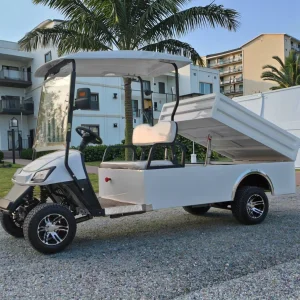
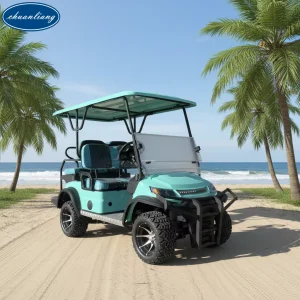
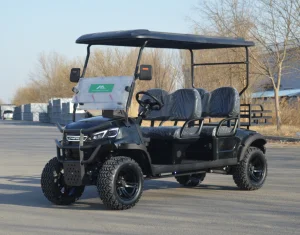
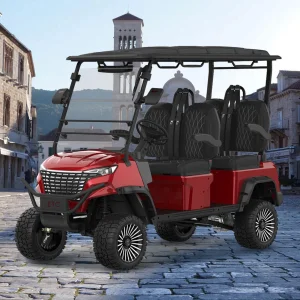
Explore our specialized industrial cargo vehicles, high-capacity passenger shuttles, and luxury commuter options.
 Kabar Golf