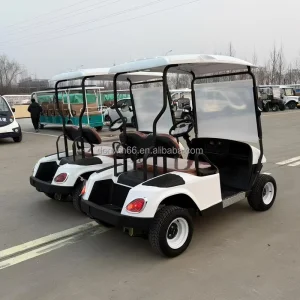
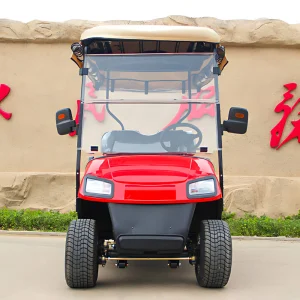
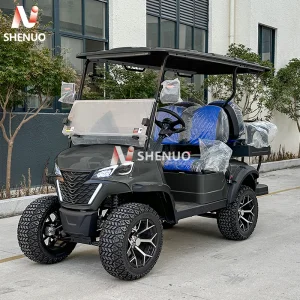
Deploying high-torque electrical systems, weatherproofing, and rugged suspension layouts designed specifically for commercial and municipal landscapes in the United States.
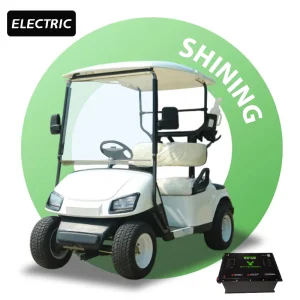
The commercial and industrial utility vehicle market in the United States is undergoing a rapid, structural transition toward electrification. Once relegated to golf course fairways, modern low-speed vehicles (LSVs) and neighborhood electric vehicles (NEVs) have become essential components of logistics, municipal operations, campus transit, and resort hospitality. This shift is driven by strict corporate environmental, social, and governance (ESG) mandates, municipal zero-emission goals, and the clear economic advantages of electric powertrains over internal combustion engines.
In the United States, states with high industrial growth, warm climates, and extensive planned communities—such as California, Texas, Florida, and Arizona—represent the highest concentration of demand. California's aggressive CARB (California Air Resources Board) regulations have effectively mandated the use of zero-emission utility vehicles across large corporate campuses and public institutions. In Florida and Arizona, the expansion of master-planned communities and multi-mile retirement resorts has positioned multi-passenger electric shuttles as primary transport systems. Meanwhile, Texas's massive industrial corridors and inland logistics parks utilize high-payload utility trucks to optimize internal parts distribution, security patrols, and last-mile package delivery within covered structures.
"According to industry benchmarks, the total cost of ownership (TCO) of a lithium-powered electric utility cart is up to 45% lower over a five-year operational lifecycle compared to traditional gas or lead-acid alternatives. This is due to minimized maintenance schedules, eliminated fuel costs, and superior battery longevity."
Globally, the supply chain for electric utility vehicles is highly integrated, relying on advanced battery production hubs in Asia and robust final assembly and customization facilities closer to the end consumer. Shenzhen Kabar Golf Co., Ltd. sits at the heart of this global ecosystem. By leveraging the advanced engineering and rapid prototyping resources of the Shenzhen technological cluster and combining them with direct export channels to North American distribution networks, Kabar ensures that commercial clients in the US receive top-tier, certified components (CE, ISO9001) configured to meet local safety and operational standards.
The transition from traditional flooded lead-acid batteries to Lithium Iron Phosphate (LiFePO4) chemistry represents the most significant technological leap in utility cart engineering. LFP batteries offer unmatched thermal stability, eliminating the risk of thermal runaway associated with older lithium-ion variants. Integrating intelligent Battery Management Systems (BMS) with CAN-bus communication allows fleet managers to monitor voltage, temperature, and State of Charge (SoC) in real-time, preventing over-discharge and maximizing cell life up to 3,500+ charge cycles.
Modern utility carts are abandoning low-efficiency DC motors in favor of 48V and 72V Brushless AC Induction systems (typically 5KW to 7.5KW outputs) paired with advanced controllers like the Curtis or Imbor platforms. These powertrains deliver high torque at low speeds—essential for climbing steep inclines and carrying heavy payloads—while supporting intelligent regenerative braking. Electromagnetic Braking (EMB) systems act as an automated safety mechanism, engaging immediately when the vehicle stops to prevent rolling on steep slopes.
To withstand the diverse and harsh environments of the US market—from salty coastal air in Florida to dusty ranches in Texas—high-end utility carts utilize hot-dip galvanized steel or aircraft-grade aluminum alloy structural frames. Coupled with double A-arm independent front suspension configurations and adjustable hydraulic shock absorbers, these platforms provide superior wheel-to-ground contact, minimizing cabin vibrations and ensuring operator safety on uneven terrains.
The future of utility vehicle operations lies in digital connectivity. Integrated GPS tracking, geofencing, remote lockouts, and predictive diagnostics systems are becoming standard requirements for large commercial fleets. By monitoring driving patterns and battery health remotely, logistics managers can schedule preventive maintenance, optimize routes, and reduce downtime, significantly driving down total cost of ownership.
Contact our technical engineering team for customized OEM/ODM vehicle configurations, custom branding, and bulk fleet order solutions optimized for US regulations.
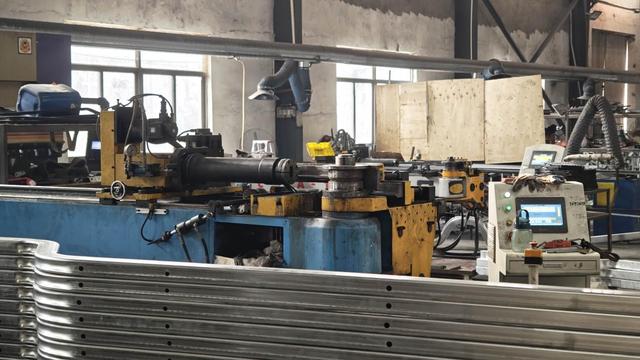
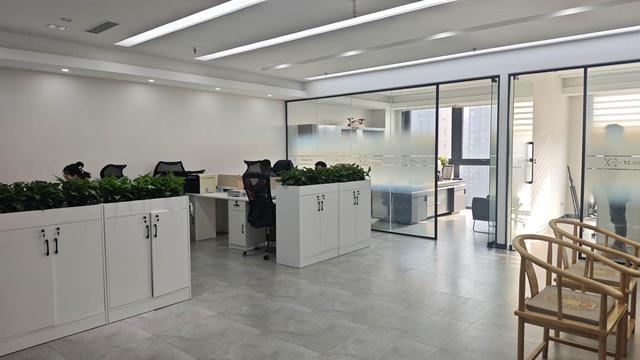
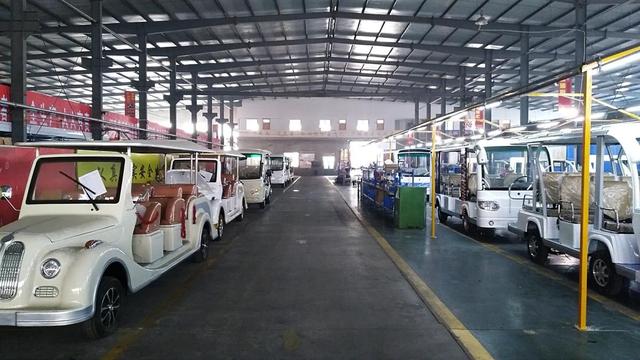
Get a Custom Fleet ProposalEstablished in 2014, Shenzhen Kabar Golf Co., Ltd. has grown into a leading global manufacturer specializing in the research, design, and manufacturing of electric utility vehicles. Occupying a state-of-the-art production facility spanning more than 18,000 square meters and employing a highly skilled workforce of over 220 professionals, Kabar Golf integrates advanced machinery with strict quality management systems (certified under ISO9001 protocols).
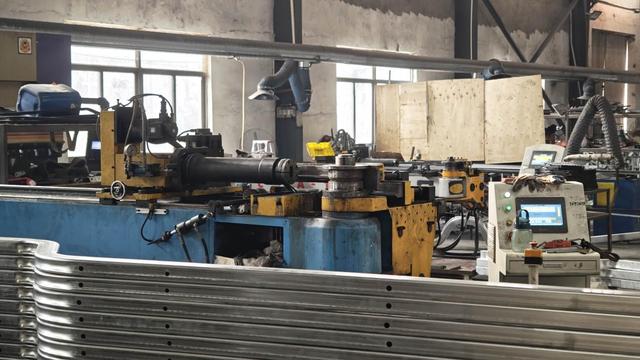
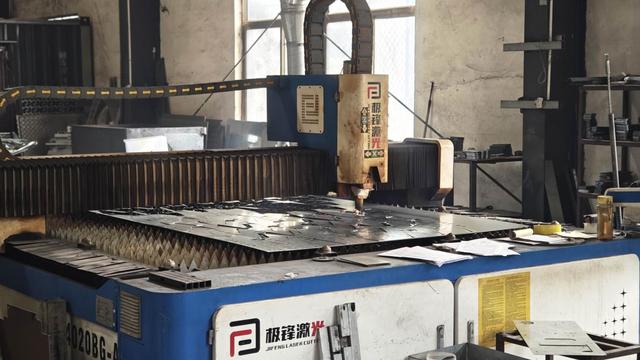
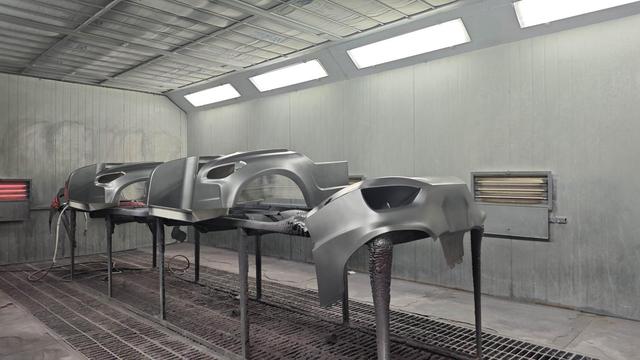
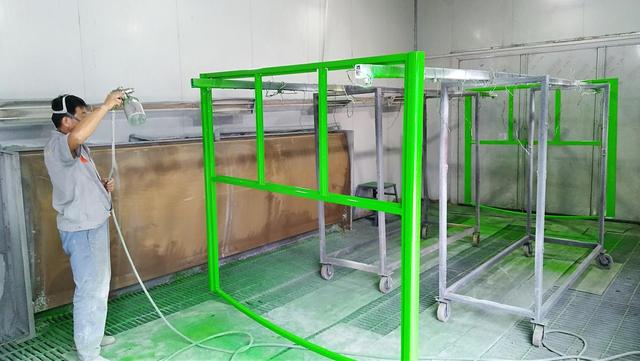
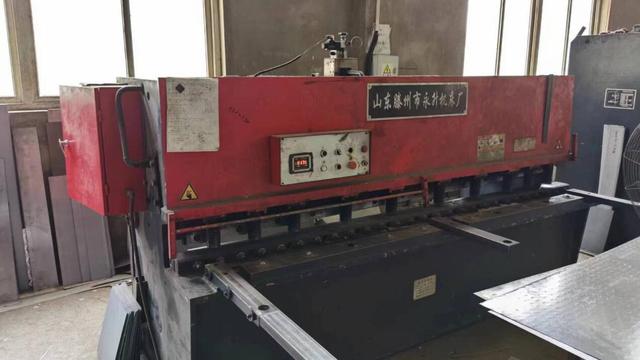
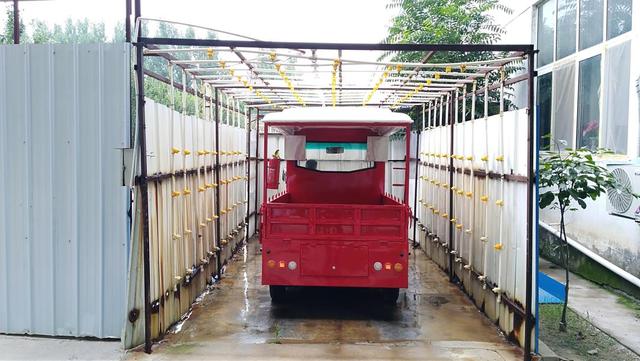
Our robust production line handles structural welding, electrostatic powder coating, drivetrain integration, and electrical testing under one roof. Our R&D division consists of experienced mechanical and electrical engineers focused on developing high-efficiency AC motors, intelligent BMS, and ergonomic cabin layouts. We offer comprehensive OEM and ODM services to help global distributors, golf resorts, and corporate clients customize fleet colors, seating configurations, suspension levels, and accessories (such as cargo boxes, utility racks, and rain enclosures) to fit specific local requirements.
Direct-from-manufacturer pricing, reliable international logistics, and comprehensive warranty coverage on all models.
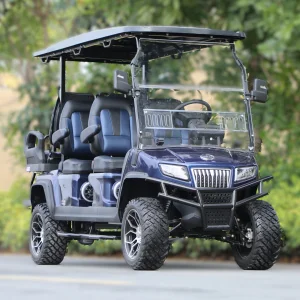
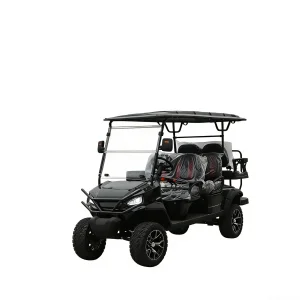
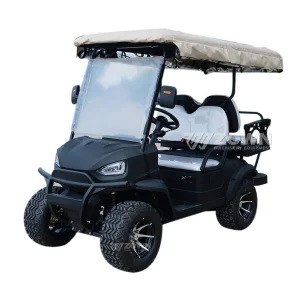
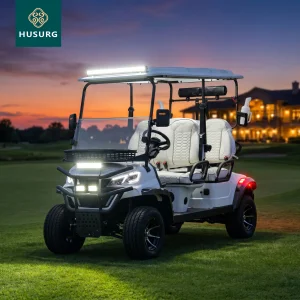
Deploying utility golf carts at scale requires a clear understanding of the environmental and operational challenges specific to the location. Shenzhen Kabar Golf provides targeted, pre-configured utility vehicle setups for the primary commercial ecosystems in the United States:
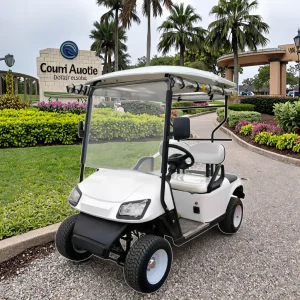
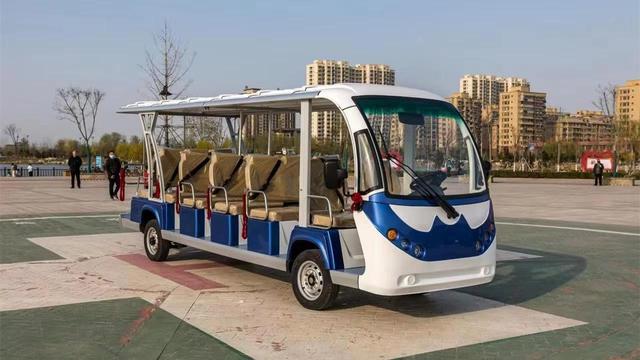
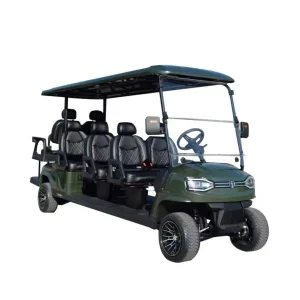
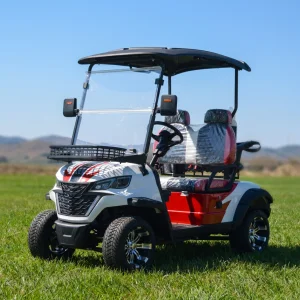
In hospitality environments where guest comfort and silence are paramount, Kabar's multi-passenger electric shuttles (4, 6, and 8-seaters) provide a quiet, zero-emission transportation solution. These vehicles are equipped with premium suspension systems to ensure a smooth ride, and can be customized with weatherproof rain curtains and overhead fans to protect guests in humid coastal areas like Florida or tropical resort destinations.
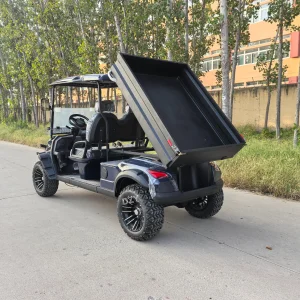
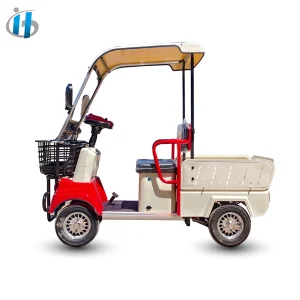
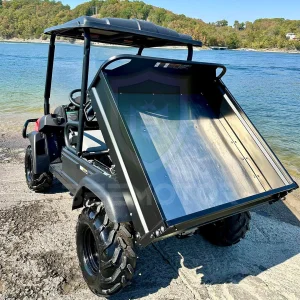
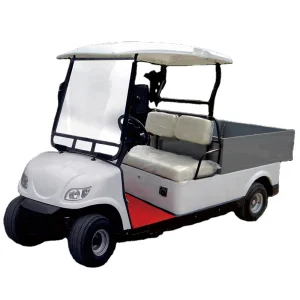
For manufacturing plants and logistics hubs in Texas and the Midwest, operations require robust materials transport. Our heavy-duty electric cargo trucks and flatbed utility vehicles feature reinforced rear steel cargo beds and high-traction tires. These workhorse carts allow personnel to move tools, replacement parts, and packages safely between indoor storage areas and outdoor loading bays without venting harmful carbon emissions inside enclosed structures.
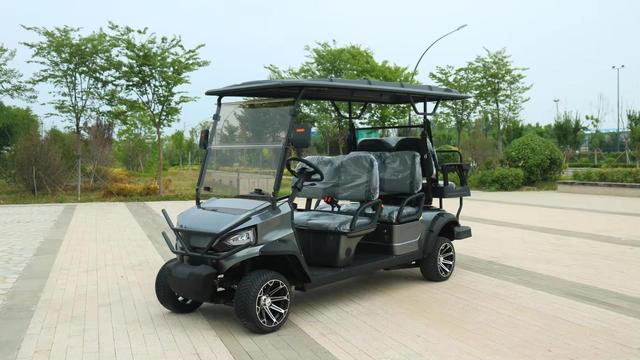
Security and maintenance operations at universities, research centers, and public parks demand highly mobile, street-legal vehicles that can seamlessly transition from narrow walking paths to public roads. Kabar's street-legal (LSV) configurations meet DOT FMVSS Title 49 CFR safety requirements. Featuring windshield wipers, seat belts, side mirrors, turn signals, and digital dashboard displays, these vehicles allow campuses to maintain a high level of security and efficiency.
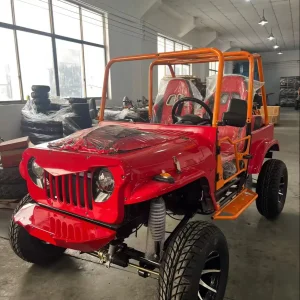
Ranching and agricultural work demands vehicles that can navigate uneven terrain, muddy pathways, and steep inclines. Kabar's off-road line—featuring raised suspensions, rugged off-road tires, and heavy-duty 72V electrical systems—delivers high torque and ground clearance. These models can haul feed, tools, and farming supplies across large expanses, replacing larger, more expensive agricultural machinery.
To qualify as a street-legal Low-Speed Vehicle (LSV) capable of operating on public roads with speed limits of 35 mph or less, our designated vehicles are built with the required DOT safety features. This includes an AS5-certified safety glass windshield, three-point seat belts, headlights, brake lights, turn signals, high/low beam switches, rearview and side mirrors, a parking brake, and a vehicle identification number (VIN).
LiFePO4 batteries last significantly longer, offering 3,000 to 4,500 charge cycles compared to 500 to 800 cycles for lead-acid batteries. They do not require regular water maintenance, charge faster, and are much lighter, which reduces vehicle wear. They also supply consistent power even as the battery charge drops, preventing the vehicle from slowing down.
Yes. Our lithium batteries are designed to perform reliably in colder northern states. We offer battery systems with integrated thermal heating jackets that warm the cells during charging. Our advanced Battery Management System (BMS) monitors temperature and controls power delivery to protect the battery and prevent damage from cold-weather charging.
We provide extensive customization options for corporate branding and specific job requirements. This includes custom body paint colors, seating configurations (from 2 to 8 seats), custom cargo bed dimensions, corporate logos, and functional accessories. We can also integrate fleet management telematics, heavy-duty utility boxes, and custom golf bag holders.
The EMB system engages automatically when the cart stops or the driver lifts their foot from the accelerator. This prevents the vehicle from rolling on hills, even under full payloads. The electronic parking brake activates without requiring manual leverage, reducing driver error and improving safety in busy work environments.
Partner with a trusted global manufacturer. Shenzhen Kabar Golf Co., Ltd. provides advanced electric utility vehicles, flexible OEM/ODM manufacturing, and direct shipping support to clients across the United States.
Submit RFQ & Get a Free Quote Kabar Golf