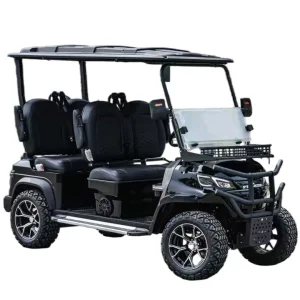
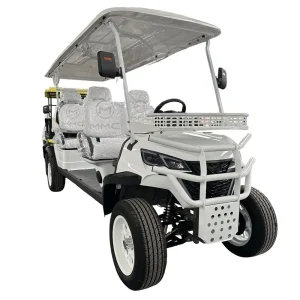
Explore our selection of heavy-duty, energy-efficient utility vehicles designed for high-traffic environments, municipal parks, and luxury resorts.
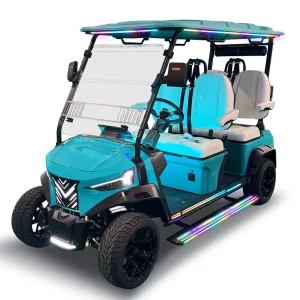
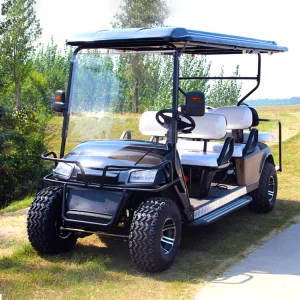
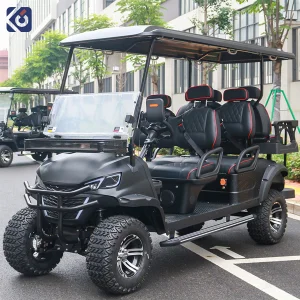
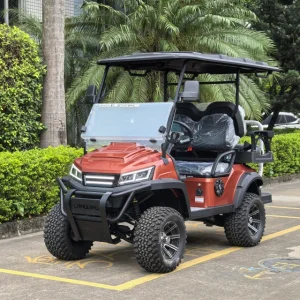
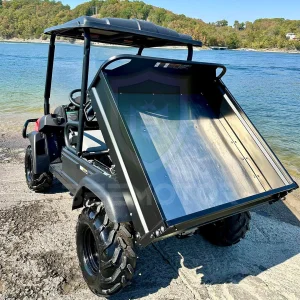
Modern municipal and park management structures demand high efficiency, compliance with carbon-neutral parameters, and minimal noise impact. Traditional internal combustion engine (ICE) utility buggies are systematically phased out globally. In their place, advanced electric-drive solutions have emerged as the industry standard, providing superior torque curves, simplified drivetrains, and smart control telemetry.
From standard 4-passenger electric golf carts to heavy-duty CE-certified 72V utility transport vehicles carrying capacities up to 500kg, modern parks and recreation utility platforms act as critical support infrastructure. They facilitate everything from waste management, site security, guest transportation, and medical rapid-response teams within complex spatial layouts.
Industry Paradigm: Today’s procurement professionals do not simply purchase "carts"; they invest in modular, customizable, and high-lifespan low-speed vehicles (LSVs) integrated with long-range lithium iron phosphate (LiFePO4) power cells.
A single utility cart configuration is rarely sufficient to manage the diverse operations of large-scale municipal networks. Recreational facilities present varying topographies, passenger loads, and environmental challenges. A historical garden with unpaved dirt pathways requires different traction, suspension, and chassis rigidity compared to a flat, paved oceanfront resort. As a result, B2B procurement managers must analyze distinct technical parameters before finalizing large fleet acquisitions.
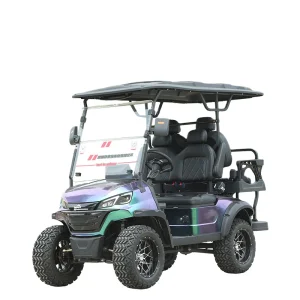
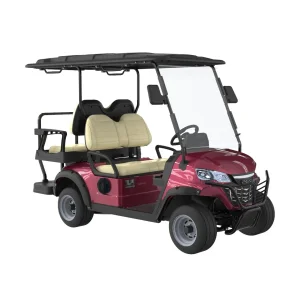
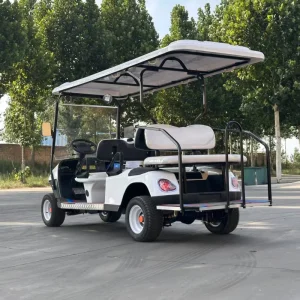
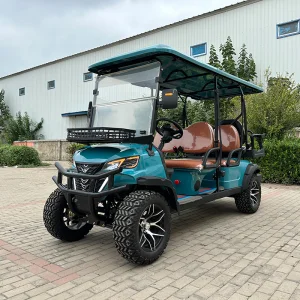
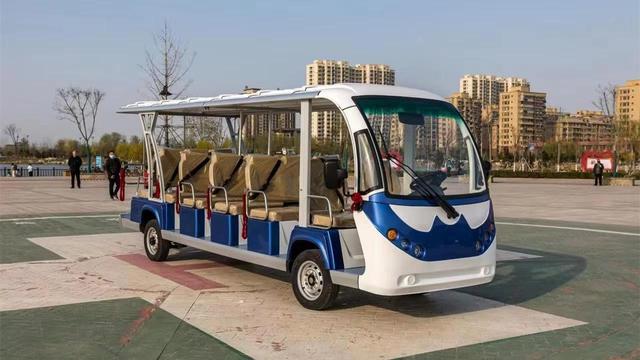
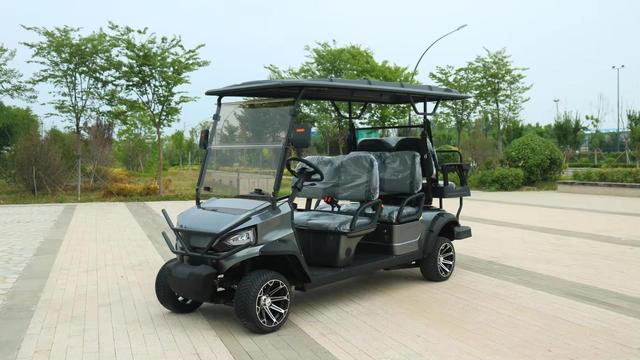
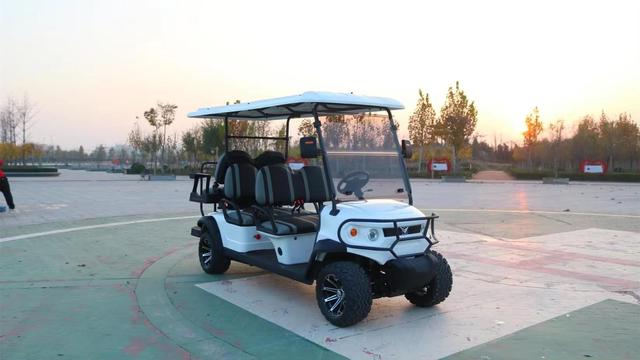
For resorts, historic sites, campuses, and airports, moving visitors comfortably is key to operational efficiency. Modern vehicles like our 6-seater sightseeing transport cars and 4-passenger luxury golf buggies optimize the balancing act between weight, cabin space, and motor performance. They feature high-grade synthetic leather seats, impact-resistant composite roofing, and independent suspension systems (MacPherson strut front suspension paired with trailing arm rear setups). This ensures maximum passenger comfort during extended transit routes.
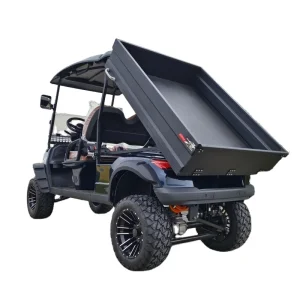
When transporting equipment, maintenance tools, or waste material, load capacity and deck layout are critical. The CE-certified Carryall utility cart features a robust 500kg capacity, pneumatic assist tailgates, and drop-down side panels. This setup provides maintenance crews with an efficient cargo transport solution. Choosing heavy-duty aluminum cargo boxes instead of painted steel prevents rust from salt air, mulch acids, and moisture exposure, extending the utility lifespan to 10-15 years.
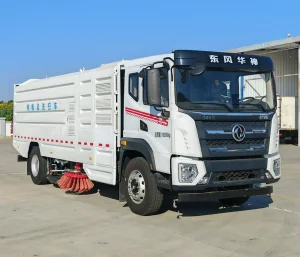
Modern municipal parks demand multi-functional support vehicles that go beyond cargo hauling. Integrated sweepers and washers help municipalities clean pedestrian lanes, park pathways, and plazas without deploying large, loud commercial street-sweeping trucks. These purpose-built clean-energy units combine water spraying, sweeping, and collection systems, reducing emissions and operational noise levels in quiet residential zones and public parks.
China is a leading global hub for lithium-ion battery integration and industrial automation, driving innovation in low-speed electric vehicles (LSVs) and utility fleets. Sourcing directly from top Chinese factories, such as Shenzhen Kabar Golf Co., Ltd., offers strategic cost, technology, and customization advantages over traditional Western manufacturers. Here is why the global market is shifting its procurement pipelines to Chinese manufacturers:
Guangdong province features an integrated supply chain cluster for electric vehicles. From motor controller giants like Curtis and Inpower to advanced tooling shops and high-precision steel extrusion factories, all key suppliers are located within a small geographic radius. This structural layout reduces transportation time, optimizes quality control, and allows for rapid design adjustments during prototype phases.
Chinese factories lead in integrating high-density Lithium Iron Phosphate (LiFePO4) battery cells into low-speed vehicles. Compared to flooded lead-acid batteries, Chinese battery technology offers 3x the cycle life (exceeding 3,000 cycles at 80% Depth of Discharge), zero maintenance, faster charging profiles, and lower structural weight. In addition, local engineers integrate advanced Smart BMS (Battery Management Systems) with CAN-bus communication, enabling real-time diagnostic checks and remote thermal tracking.
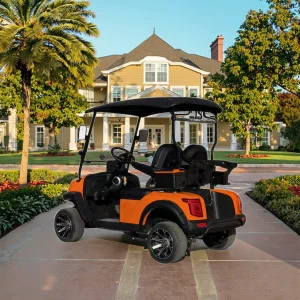
Established manufacturers like Kabar Golf offer comprehensive OEM and ODM support. Buyers can choose specific paint finishes, custom configurations (e.g. converting a passenger vehicle into a flatbed utility model), custom lift-kits, off-road tire packages, solar charging configurations, and private label logos. This flexibility helps B2B distributors adjust their imports to match regional customer demand.
Engineered to deliver exceptional utility, extended battery life, and outstanding performance across variable terrains.
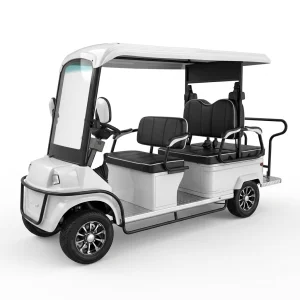
When sourcing low-speed vehicle (LSV) utility fleets for public spaces or commercial properties, procurement officers should analyze key structural criteria to ensure long-term value, safety compliance, and low maintenance costs.
To choose the right configuration, verify these key vehicle specifications:
While cheap lead-acid utility carts may seem cost-effective initially, their total cost of ownership over a 5-year cycle is often higher. Factors like replacement batteries, high power consumption, maintenance labor, and downtime reduce their overall value. In contrast, advanced lithium-powered carts can save up to 40% on operating costs over a 5-year cycle due to zero battery maintenance, lower charging costs, and a longer battery lifecycle.
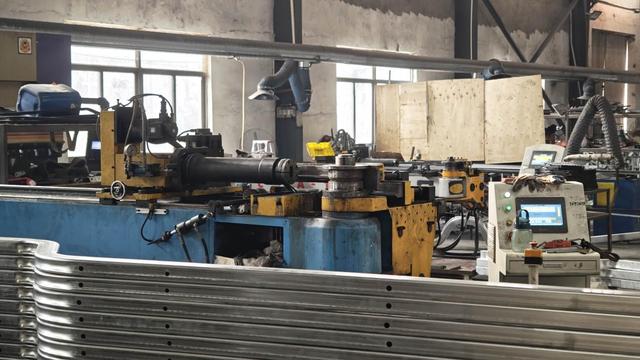
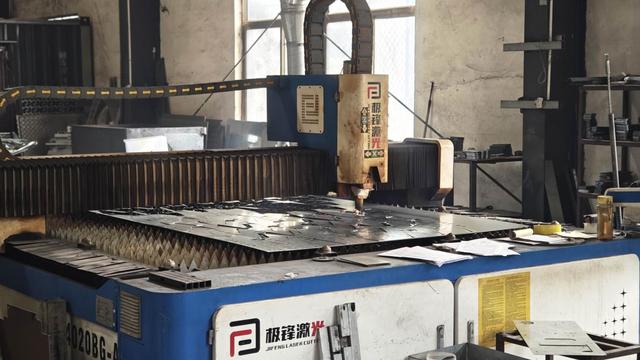
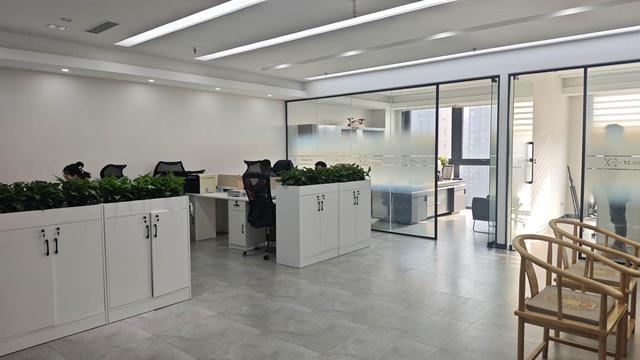
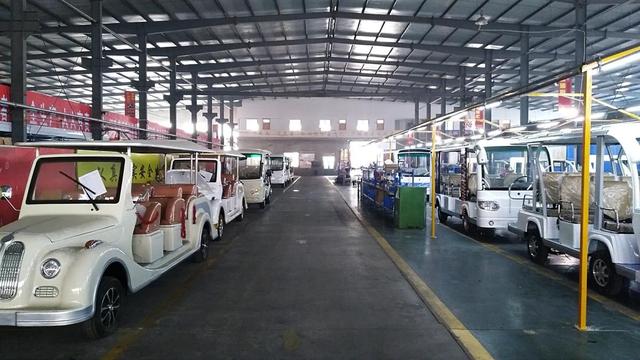
Shenzhen Kabar Golf Co., Ltd. is a professional golf cart manufacturer located in Shenzhen, Guangdong, China. Established in 2014, the company specializes in the research, development, manufacturing, and export of electric golf carts, utility vehicles, and customized mobility solutions for global customers. With a modern production facility covering more than 18,000 square meters and a workforce of over 220 employees, Kabar Golf has developed into a reliable supplier serving golf courses, resorts, hotels, industrial parks, residential communities, airports, campuses, and commercial facilities worldwide.
The company's product portfolio includes electric golf carts, passenger transport vehicles, utility carts, cargo vehicles, resort shuttle carts, street-legal electric vehicles, fleet transportation solutions, and customized mobility vehicles. Designed with a focus on efficiency, comfort, safety, and sustainability, Kabar Golf products help customers improve transportation operations while reducing environmental impact.
Supported by an experienced engineering and R&D team, Shenzhen Kabar Golf continuously invests in vehicle innovation, battery technology, intelligent control systems, and ergonomic design. The company offers comprehensive OEM and ODM services, including vehicle customization, branding, color matching, seating configurations, accessory integration, and private-label manufacturing to meet the diverse requirements of international markets.
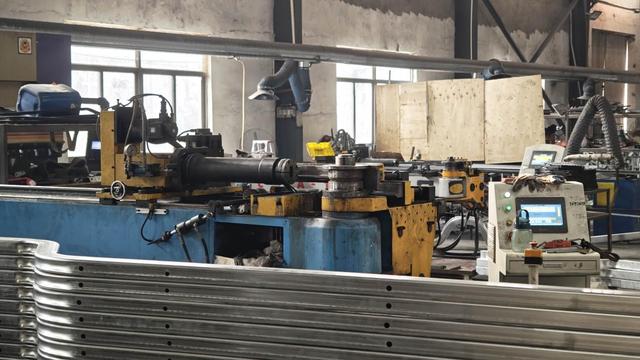
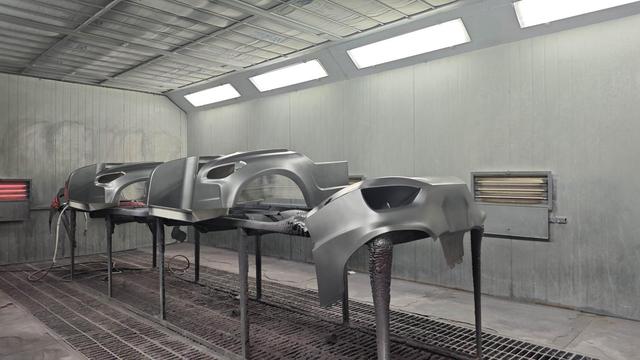
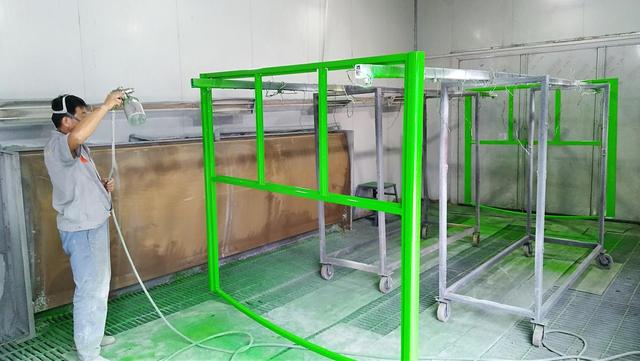
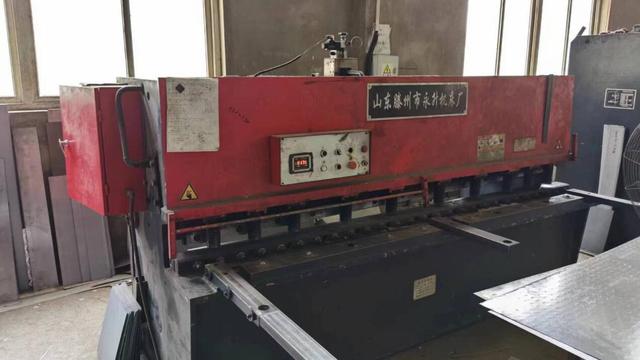
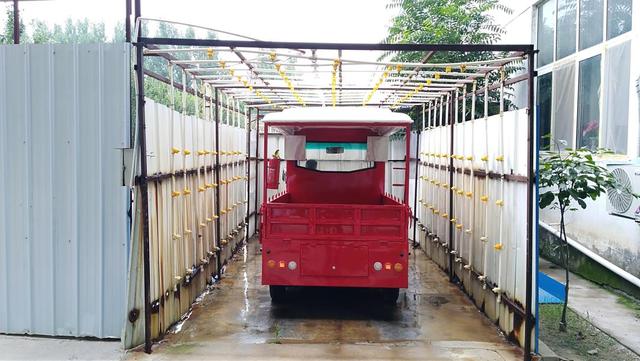
Quality management is integrated throughout every stage of production, from component sourcing and vehicle assembly to testing and final inspection. Advanced manufacturing equipment and strict quality control procedures help ensure consistent product performance and reliability. With products exported to North America, Europe, the Middle East, Southeast Asia, Australia, and other regions, Shenzhen Kabar Golf Co., Ltd. is committed to delivering dependable electric mobility solutions and long-term value for customers worldwide.
 Kabar Golf