Explore our top-tier electric golf carts and utility vehicles configured with state-of-the-art CAN-bus proximity sensors for maximum operator safety.
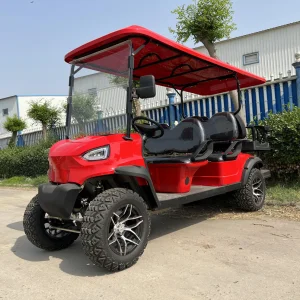
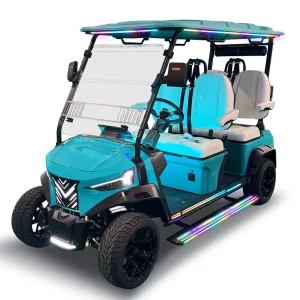
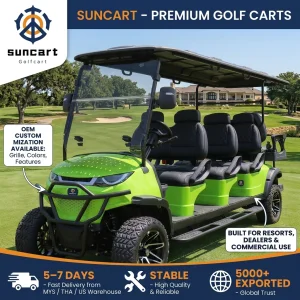
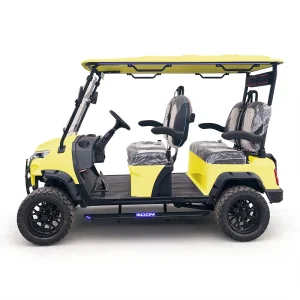
In the rapidly evolving landscape of low-speed vehicles (LSVs) and micro-mobility, integration of proximity sensors in carts is no longer an optional safety add-on—it is a central pillar of modern fleet management and active safety engineering. Historically, golf carts and small service buggies operated under simple manual control without spatial awareness. However, as these platforms transition to higher voltages, carry heavier cargo payloads, and navigate dense, mixed-traffic zones (such as luxury resorts, commercial airports, and industrial complexes), the threat of low-speed collisions and pedestrian impacts has escalated.
As a premier manufacturer based in Shenzhen, China, Shenzhen Kabar Golf Co., Ltd. has pioneered the system-level integration of robust sensor networks within customized utility buggies. By leveraging multi-layered proximity sensing arrays—including ultrasonic transducer pods, millimeter-wave (mmWave) radar systems, and LiDAR-based spatial scanners—we empower global enterprises to reduce mechanical liability, protect human personnel, and secure operational continuity.
Selecting the appropriate sensor technology requires balancing environmental constraints, detection latency, and cost parameters. Below is a comprehensive engineering matrix detailing how proximity sensors are deployed across our vehicle platforms:
| Sensor Type | Detection Range | Environmental Resilience | Primary Application in Carts | Integration Protocol |
|---|---|---|---|---|
| Ultrasonic Sensors | 0.1m - 5.0m | High (Unaffected by dust/light) | Reverse Parking & Close-Quarter Maneuvering | Analog Voltage / LIN Bus |
| mmWave Radar (24GHz/77GHz) | 1.0m - 50.0m | Excellent (Penetrates rain, fog, snow) | Forward Collision Warning & Active Braking | CAN Bus (J1939) |
| Solid-State LiDAR | 0.5m - 100.0m | Moderate (Impacted by heavy dust) | 3D Mapping, AGV Trajectory planning | Ethernet / CAN-FD |
| Infrared (ToF) Sensors | 0.05m - 2.0m | High (Indoor environments) | Step-detection & Cargo Placement Safeties | I2C / GPIO |
The shift from isolated proximity alarms to unified sensor-fused perception systems in electric fleets.
By blending ultrasonic proximity data with high-definition optical camera streams, our next-generation ECU runs real-time object classification algorithms to differentiate between static obstacles and moving pedestrians.
Real-time logging of proximity sensor warning triggers via 4G/5G gateways allows safety managers to identify high-risk traffic bottlenecks on resort maps and modify speed governor envelopes remotely via OTA updates.
Transitioning from audible driver warnings to autonomous emergency braking (AEB). In critical close-proximity states, the system communicates with the main AC motor controller to slow down or halt the cart instantly.
Tailoring proximity-sensing electric vehicles to address unique sector constraints and safety standards.
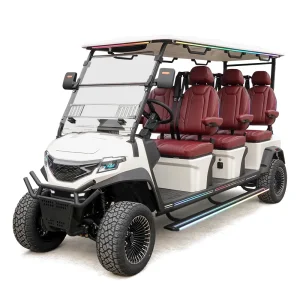
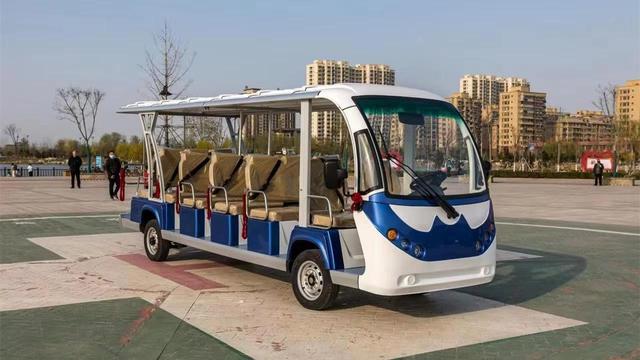
In luxury resorts, electric shuttles share pathways with joggers, children, and pets. Silent electric motors present a unique hazard—pedestrians often do not hear the vehicle approaching from behind. By integrating front-facing ultrasonic proximity sensors and blind-spot side warning sensors, our 4-seater to 8-seater shuttles emit a gentle, localized acoustic warning to alert pedestrians without disrupting the resort's tranquil atmosphere.
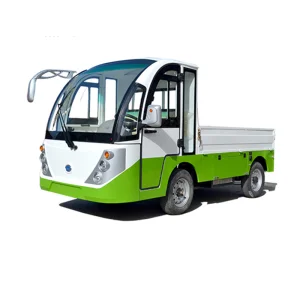
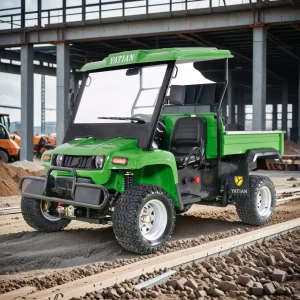
In manufacturing plants and distribution hubs, utility vehicles transport heavy parts between assembly zones. Narrow corridors, blind corners, and high noise levels make radar-based proximity sensing critical. Kabar's heavy-duty cargo trucks are configured with 24GHz radar modules that pierce through industrial steam, dust, and darkness, signaling automatic throttle-cut actions when forklift traffic crosses their path.
How Shenzhen Kabar Golf Co., Ltd. blends custom industrial manufacturing with strict quality control.
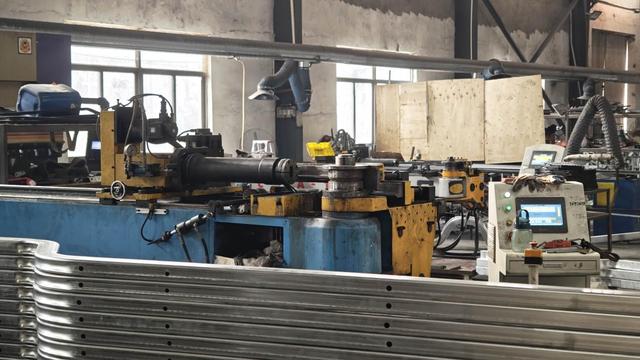
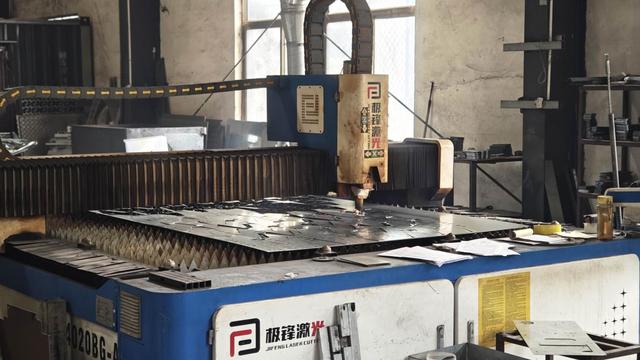
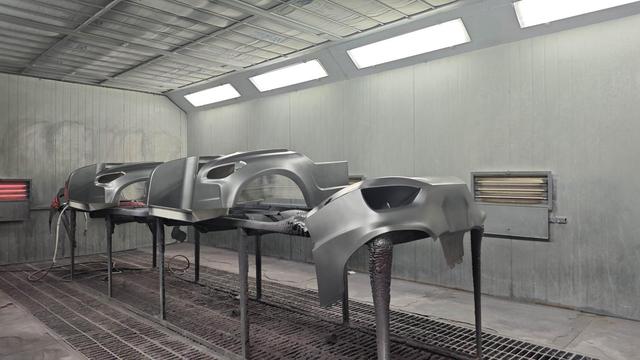
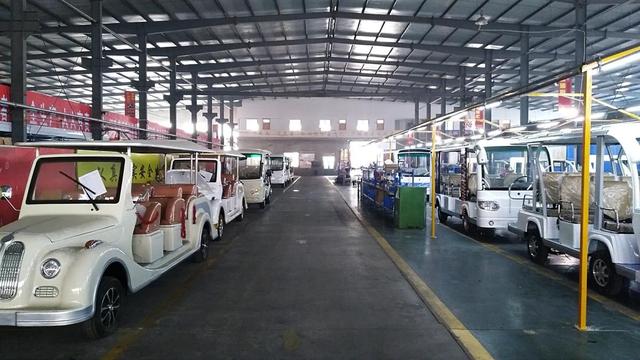
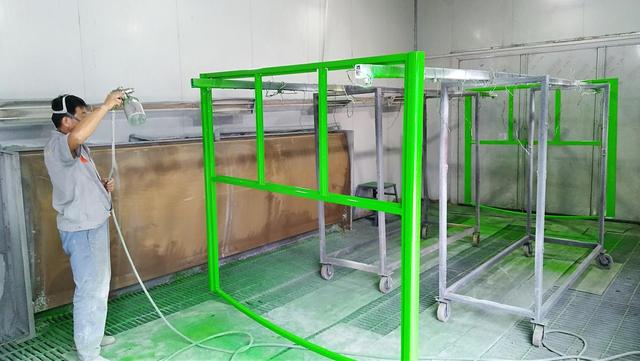
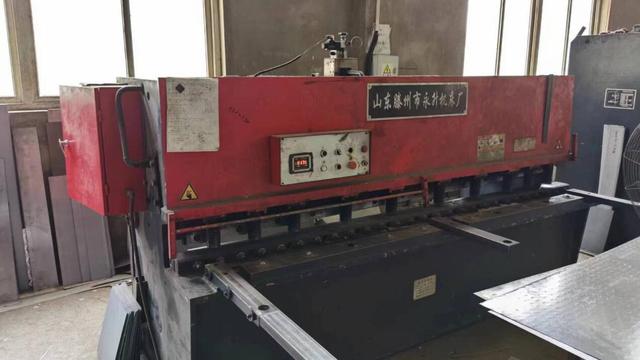
Located in Shenzhen, the silicon valley of global hardware innovation, Shenzhen Kabar Golf Co., Ltd. benefits from an unparalleled hardware ecosystem. Established in 2014, our modern 18,000 square meter production facility is equipped with state-of-the-art chassis assembly lines, precision robotic welding stations, and specialized environmental testing bays.
By sourcing automotive-grade components directly from China's top proximity sensor manufacturers, we bypass intermediary markups, offering unmatched cost efficiency to international buyers. Furthermore, our dedicated R&D facility conducts extensive electromagnetic compatibility (EMC) testing, ensuring that high-voltage currents from our lithium-ion batteries do not interfere with the low-voltage communication signals of the integrated proximity sensors.
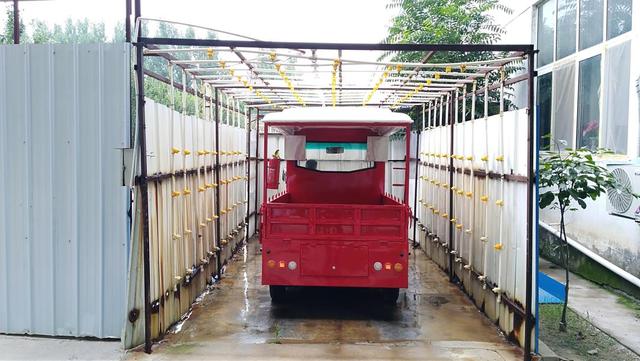
Each vehicle undergoes a rigorous 48-hour testing cycle, including simulated obstacle navigation, extreme gradeability climbs, water-deluge tests (to confirm sensor sealing integrity), and battery discharge monitoring. This exhaustive process guarantees that every cart arriving at your site is fully operational and compliant with local standards.
Navigating technical configurations, OEM branding, and vehicle fleet integrations.
Our vehicles feature standardized CAN-bus architectures (J1939 protocols), allowing enterprise customers to plug in third-party fleet telemetry or proprietary sensor suites seamlessly.
From custom chassis dimensions, seating configurations (2-10 seats), custom color branding, to target sensor sensitivity calibration, we offer a comprehensive private-label design process.
We match energy requirements to your terrain, offering robust 48V/60V/72V lithium-ion battery configurations with active Battery Management Systems (BMS) and optional solar-assisted roofs.
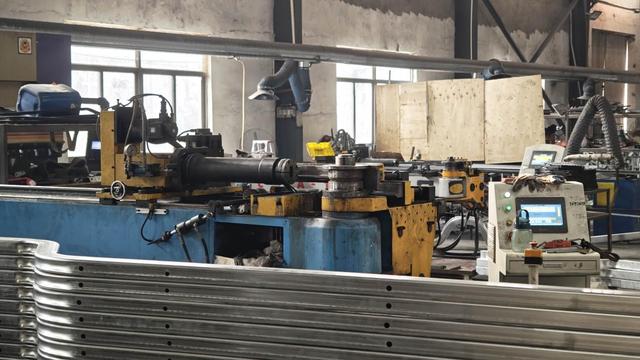
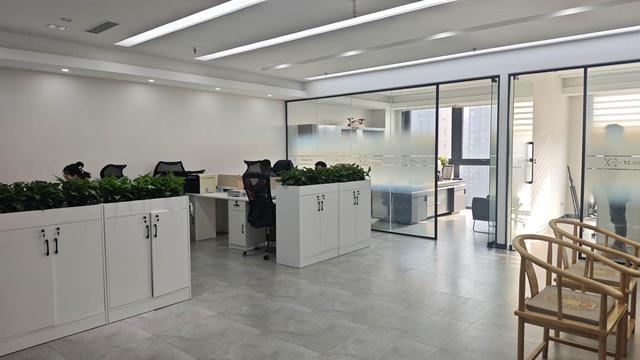
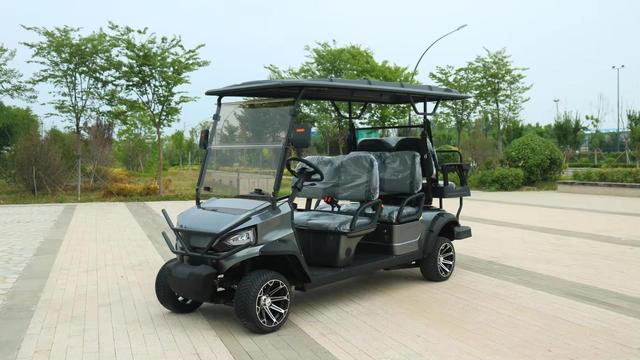
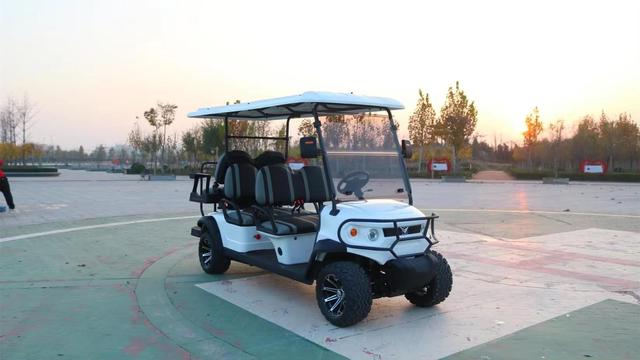
Take a look inside Shenzhen Kabar Golf Co., Ltd. where technology and mobility converge.
Ensuring your electric cart fleets satisfy regional road safety and radio frequency criteria.
Importing fleets of low-speed vehicles into North America, Europe, or the Asia-Pacific region requires adhering to strict regulatory protocols. Sensor integrations introduce electromagnetic considerations. Any active radar emission must comply with radio communication laws (such as FCC Part 15 in the United States and RED (Radio Equipment Directive) in the European Union).
At Shenzhen Kabar Golf Co., Ltd., we handle these hurdles proactively. All integrated ultrasonic and radar sensors carry CE and FCC certifications. Our complete vehicles are designed to align with EEC (European Economic Community) standards for street legality and US DOT (Department of Transportation) guidelines for low-speed vehicles. By addressing these parameters during the design stage, we streamline local licensing and compliance procedures, protecting you from import delays or regulatory fines.
Crucial technical answers for fleet managers and procurement specialists.
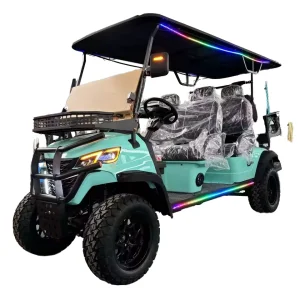
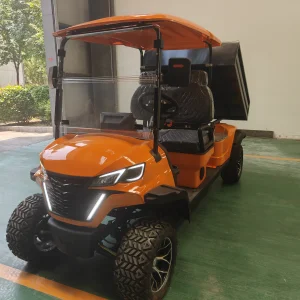
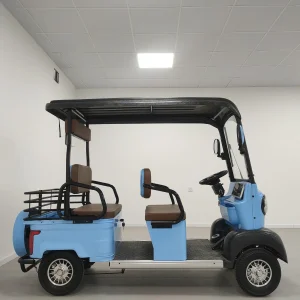
Examine our broader range of custom and heavy-duty vehicles designed for utility, passenger transit, and off-road applications.
 Kabar Golf