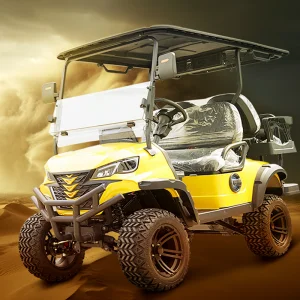
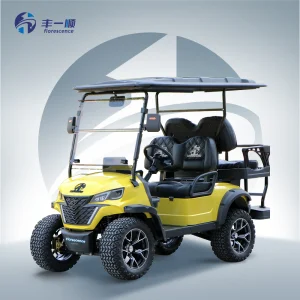
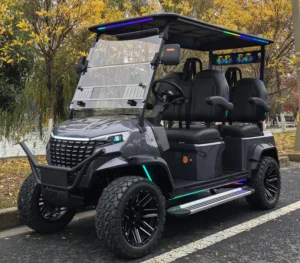
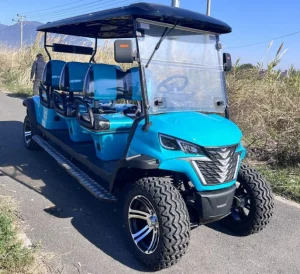
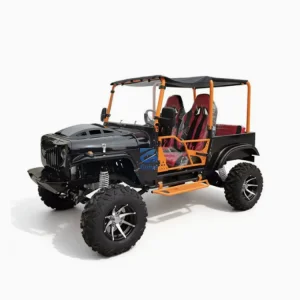
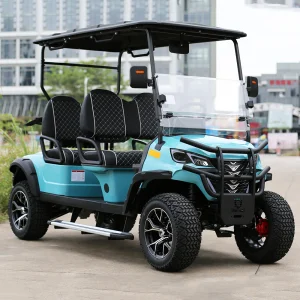
Established in 2014, Shenzhen Kabar Golf Co., Ltd. stands as a premier force in the development, manufacturing, and global exportation of advanced electric vehicles (EVs), street-legal low-speed vehicles (LSVs), and custom utility platforms. Based in the global tech hub of Shenzhen, Guangdong, China, our company integrates cutting-edge engineering with robust industrial design to supply sustainable, highly reliable transport solutions. Operating a modern manufacturing plant spanning over 18,000 square meters and powered by a highly skilled workforce of over 220 dedicated professionals, we are committed to meeting the highest global requirements for safety, versatility, and environmental performance.
Our comprehensive product portfolio includes passenger transport vehicles, fleet golf cars, industrial utility carts, heavy-duty cargo vehicles, luxury resort shuttles, security patrol platforms, and customized specialty vehicles. By utilizing state-of-the-art power electronics, high-capacity Lithium Iron Phosphate (LiFePO4) batteries, and intelligent control systems, we ensure our clients receive vehicles engineered to maximize longevity, optimize passenger safety, and drastically reduce the Total Cost of Ownership (TCO).
The commercial golf cart and utility vehicle market is experiencing an unprecedented structural transition. What once was a niche vehicle confined strictly to pristine greens has evolved into an indispensable component of zero-emission municipal, industrial, and tourist transport infrastructure. Five major structural shifts dominate this transformation:
Environmental mandates, carbon-offset incentives, and internal ESG policies are prompting golf courses, national parks, and metropolitan complexes to retire Internal Combustion Engine (ICE) fleets. Electric drivetrains offer virtually silent operation, zero localized emissions, and simple mechanical maintenance.
Standard Flooded Lead-Acid (FLA) batteries are rapidly being replaced by LiFePO4 cells. Lithium options yield double the usable life cycle (typically 3,500+ charge cycles compared to 500-800 cycles of lead-acid), charge in less than half the time, require no thermal water maintenance, and reduce vehicular weight by up to 300 lbs.
Modern fleet managers demand real-time intelligence. Advanced electric buggies now incorporate cloud-connected telemetry systems providing GPS geofencing (preventing carts from straying into restricted hazard areas), battery state-of-charge tracking, scheduled maintenance diagnostics, and over-the-air firmware updates.
B2B fleet buyers, procurement officers, and developers operate within tight constraints, balancing capital budgets (CapEx) against long-term maintenance expenditures (OpEx). At Kabar Golf, we address core purchasing criteria with structured engineering configurations:
The application profile of Kabar Golf electric vehicles spans a wide array of commercial settings:
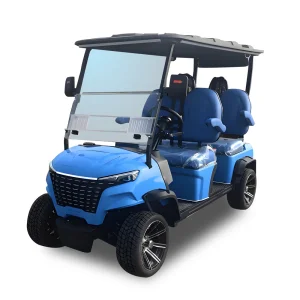
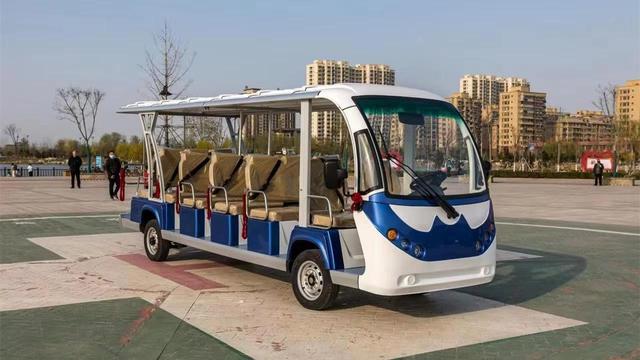
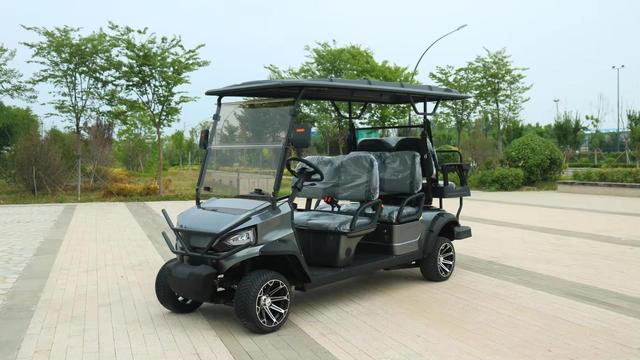
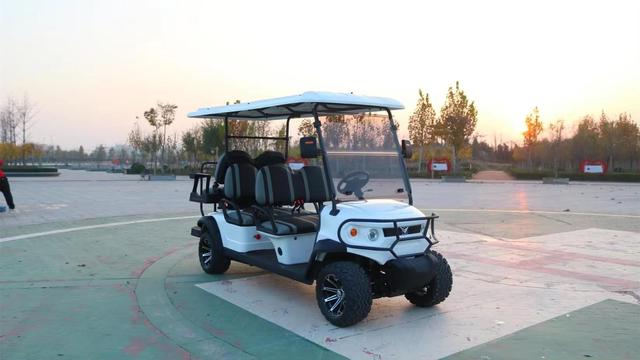
Luxury hotel campuses require smooth, quiet, and comfortable transport. Our 4, 6, and 8-seat sightseeing buggies feature high-density ergonomic vinyl seating, independent coil-over suspension systems, and sleek body lines that project an upscale image.
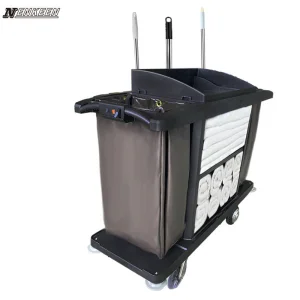
Moving baggage, linens, and cleaning equipment requires robust, localized towing power. Our powered housekeeping carts and flatbed utility cargo vehicles are configured to operate in narrow corridors, airport terminals, and manufacturing floors, offering dynamic cargo layouts and high payloads.
Equipped with CE-certified LED light packages, digital multi-function dashboard systems, and optional weather enclosures, our vehicles function as low-speed patrol cars, offering continuous operation with rapid charging turnarounds.
As a forward-looking manufacturer, Shenzhen Kabar Golf Co., Ltd. continuously updates its technological core. Our development roadmap centers on three main technological pillars:
Integrating a vehicle into a modern fleet requires digital interfaces. Our vehicles feature high-resolution digital display clusters that monitor speed, battery charge levels, error codes, and trip distance. In cooperation with leading power engineers, we are developing vehicle-to-everything (V2X) communication links to enable integrated diagnostics.
By utilizing energy-efficient AC motors paired with advanced controller tuning, we capture kinetic energy during downhill deceleration and braking cycles. This regenerative braking system feeds energy back into the LiFePO4 battery pack, increasing operational efficiency by up to 15% in hilly environments.
Low-speed vehicles (LSVs) must meet strict safety guidelines to obtain street-legal certification in international markets. Our chassis are engineered to pass comprehensive roll-over, side-impact, and structural stress tests, ensuring peace of mind for buyers worldwide.
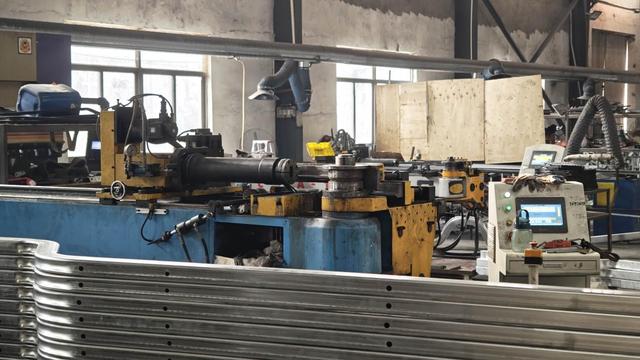
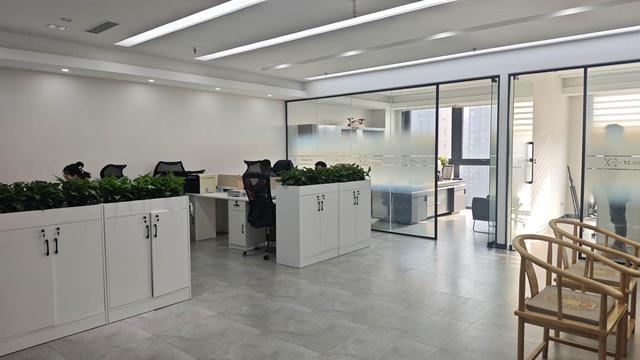
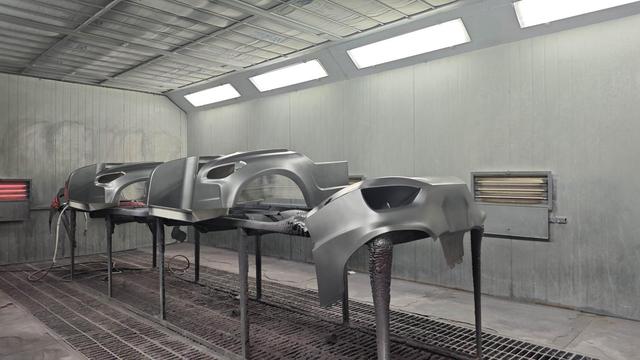
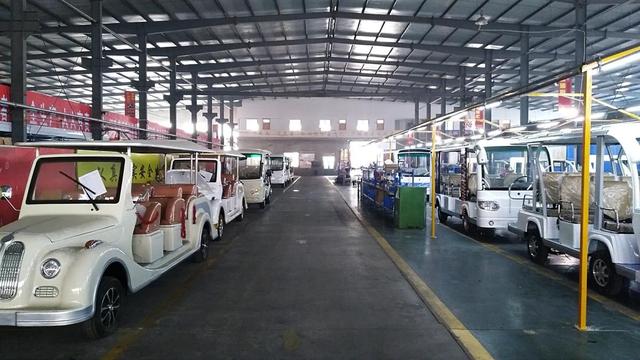
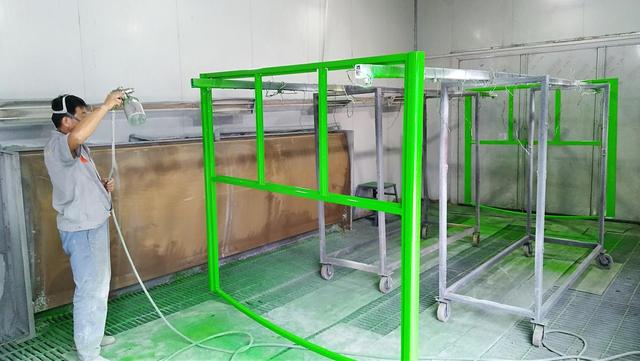
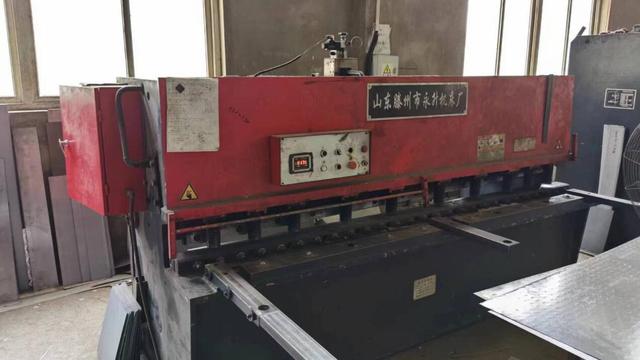
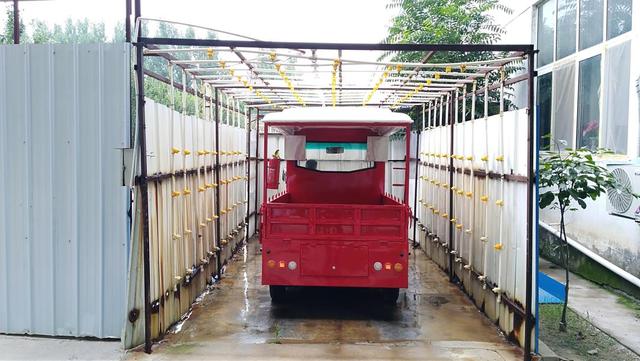
A visual overview of our advanced assembly processes, QC inspection areas, and dynamic testing environments at the Shenzhen Kabar Golf facility.
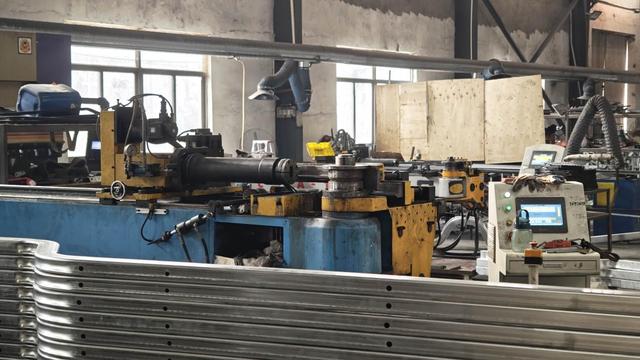
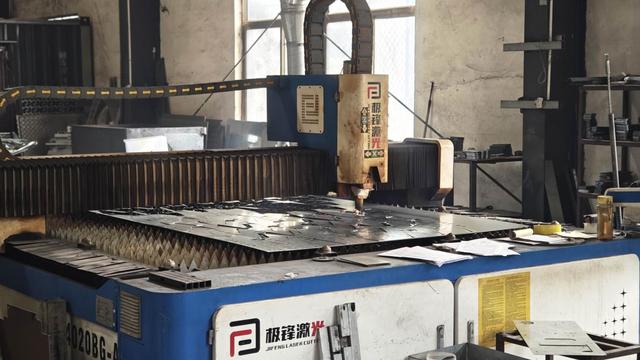
Importing a fleet of low-speed vehicles demands rigorous alignment with regional transportation laws. At Kabar Golf, our compliance structure is designed to ease the importing process:
For European buyers, our vehicles can be configured to meet EEC L7e classifications for light quadricycles, including integrated safety belts, certified lighting systems, and dual-circuit braking components.
For the North American market, our street-legal vehicles are designed to align with Low-Speed Vehicle (LSV) requirements (under FMVSS Standard 500), enabling operation on roads with speed limits of 35 mph or less.
We maintain an inventory of key components, including controllers, transaxles, chargers, and body panels, which can be dispatched rapidly to support our worldwide distributor network.
 Kabar Golf