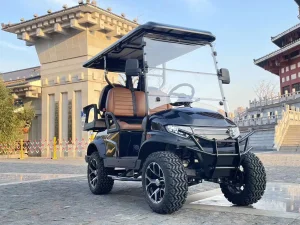
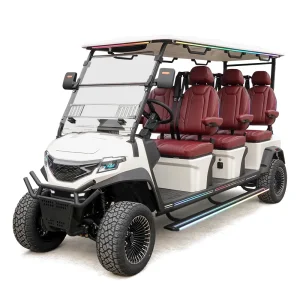
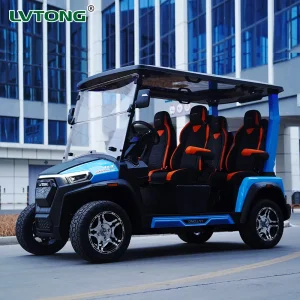
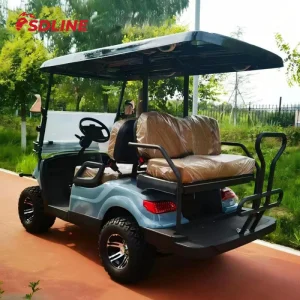
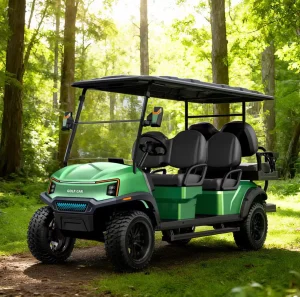
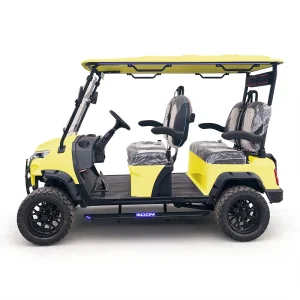
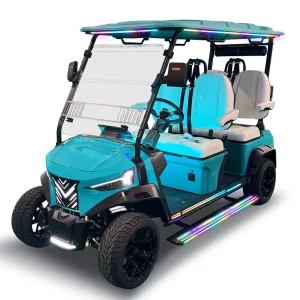
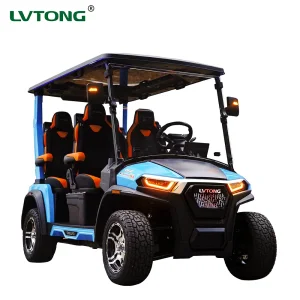
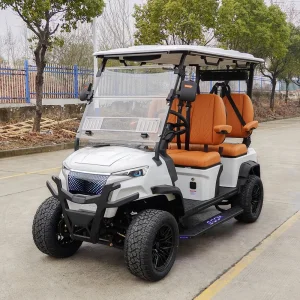
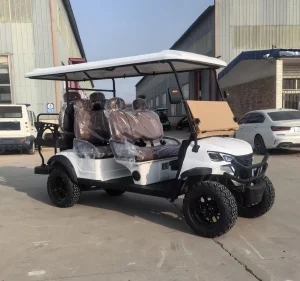
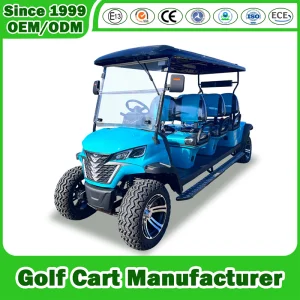
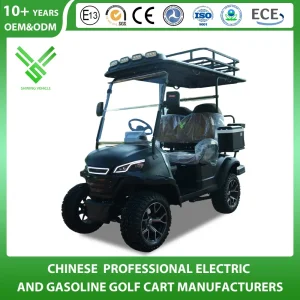
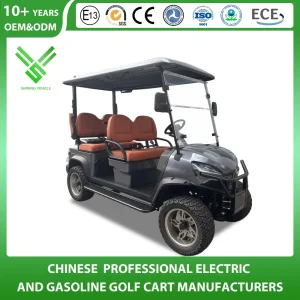
Designed to combat the Puget Sound maritime humidity and tackle King County's steep, demanding topography with premium Grade-A lithium configurations.
As Washington State accelerates toward its ambitious decarbonization goals under the Clean Energy Transformation Act (CETA), municipal planners, business operations, and recreational facilities in the Seattle metropolitan area are aggressively transitioning their utility fleets from internal combustion engines and lead-acid batteries to high-density lithium-ion platforms. The unique environmental demands of the Pacific Northwest—specifically the Seattle market—require vehicle designs that can withstand high annual precipitation, marine salinity, and severe elevation fluctuations (such as the steep, undulating corridors of Queen Anne Hill and local sound-view golf properties).
In commercial sectors, industrial campuses in South Lake Union and Redmond are incorporating low-speed electric vehicles (LSVs) for carbon-neutral personnel shuttle programs. However, conventional lead-acid battery chemistries routinely fail to deliver required efficiency metrics in Seattle’s cool maritime climate. When average winter temperatures drop between 35°F and 45°F, lead-acid batteries lose up to 40% of their operational capacity, severely degrading performance. In contrast, premium lithium-iron phosphate (LiFePO4) systems utilize advanced integrated thermal management and automated Battery Management Systems (BMS) to preserve over 85% of total efficiency, making them the superior investment for municipal and private operations.
Globally, the low-speed vehicle market is experiencing a profound transition toward lithium technology. According to global logistics and industrial transport indices, the total cost of ownership (TCO) for electric utility vehicles powered by LiFePO4 batteries is approximately 35% lower than lead-acid counterparts over a five-year lifecycle. The reasons are rooted in electrochemistry and operational efficiencies:
Unlike lead-acid cells that require manual water refilling, terminal cleaning, and equalization charges, LiFePO4 systems are entirely sealed and maintenance-free, drastically lowering labor costs.
Lithium chemistry supports high charging rates. Carts can be "opportunity charged" during lunch breaks without experiencing memory effects or accelerated degradation, maximizing utility.
Lithium battery packs weigh approximately 70% less than equivalent lead-acid arrays. This dramatically reduces mechanical stress on the chassis, suspension, steering, and braking components.
Furthermore, environmental compliance has transformed from a corporate social responsibility (CSR) goal to a strict legal imperative. The European Union's battery passport initiatives and the United States' Inflation Reduction Act (IRA) have placed unprecedented scrutiny on sourcing, recycling, and battery longevity. Procurement agents now require platforms that demonstrate extended lifecycles. Standard lead-acid cells degrade after 500 to 800 cycles, while premium industrial lithium setups achieve over 3,500 full charge-discharge cycles at 80% Depth of Discharge (DoD), yielding a dramatically prolonged asset lifespan.
As a global manufacturing powerhouse, Shenzhen Kabar Golf Co., Ltd. leverages the unparalleled component supply chain of Shenzhen, Guangdong—the worldwide epicenter of electric vehicle battery development and smart electronics hardware engineering. Since our founding in 2014, Kabar Golf has integrated advanced engineering practices with localized market needs. Our modern production facilities extend across 18,000 square meters and host over 220 highly skilled technicians and specialized engineers.
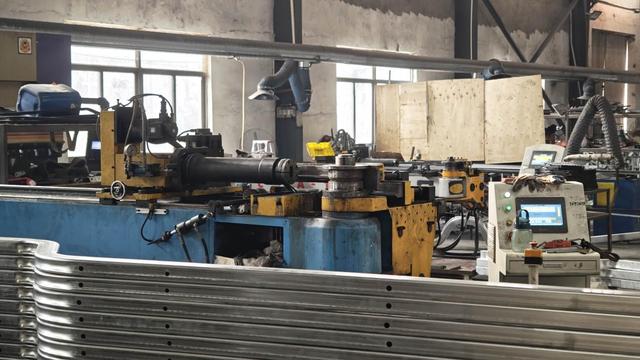
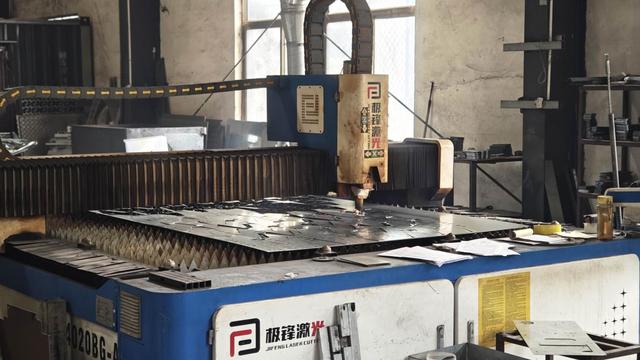
This structural footprint allows for comprehensive quality control integration, spanning from precise chemical analysis of individual battery packs to heavy-duty welding of lightweight, marine-grade aluminum structures. Our direct proximity to major ports in Southern China enables efficient global export logistics, ensuring that custom vehicle specifications designed for municipal partners in Seattle, Washington are safely containerized, cleared through customs, and delivered to Washington state ports with minimal delays.
By controlling the entire process from computer-aided structural design (CAD) to final performance testing, Kabar Golf provides comprehensive OEM and ODM solutions. Our clients can choose from varied motor options (ranging from efficient 5kW systems to high-torque 15kW options), integrate digital telematics and tracking software, select specific suspension systems for rugged hilly terrains, and customize vehicle colors and branding to align with corporate identity standards.
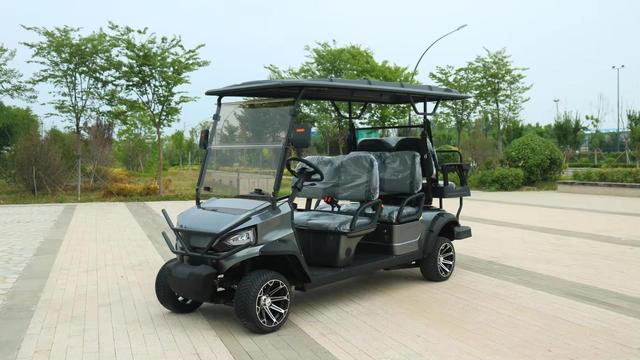
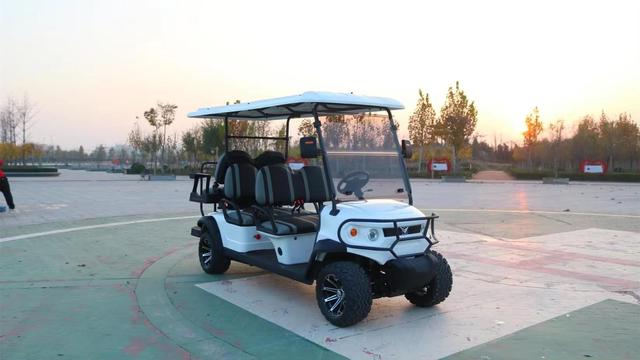
These high-output vehicles are built to withstand the elements of the Pacific Northwest, featuring advanced powertrains and high-durability chassis options.
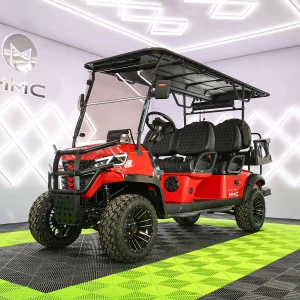
Waterfront and marina environments across Lake Union, Lake Washington, and Elliot Bay require transport solutions that resist saline air. Standard iron and steel chassis panels rust rapidly, causing structural failure within seasons. Kabar Golf designs utilize structural aerospace-grade 6061-T6 aluminum alloys for our chassis frames. These aluminum frames form a self-protecting oxide layer, preventing structural corrosion and guaranteeing a significantly extended asset lifespan.
For sprawling technology campuses in Redmond and Bellevue, maintaining quiet, zero-emission operations is key to preserving work environment acoustics. Our low-maintenance brushless AC drive systems eliminate motor humming and carbon outputs. When paired with high-capacity smart lithium cells, campuses can safely operate shuttle programs across multi-tiered garage structures and pedestrian-dense paths without polluting or creating disruptive noise.
In logistics facilities near the Port of Seattle and SeaTac, cargo utility vehicles must run continuous cycles hauling heavy equipment. The high discharge current rating of our 72V configurations supports continuous high-torque draw, ensuring heavy loads can be moved up loading ramps without battery brownouts. Regenerative braking systems recapture energy during downhill descents, converting potential energy back into battery charge.
For enterprise procurement officers seeking to justify the capital expense variance, the operational metrics below outline the engineering performance comparison:
Contact our technical engineering sales division for detailed custom specifications, local import container logistics, and direct manufacturing volume pricing.
Send Inquiry NowExplore our complete catalog of industrial-grade utility transporters, high-capacity commuter buggies, and specialized commercial platforms.
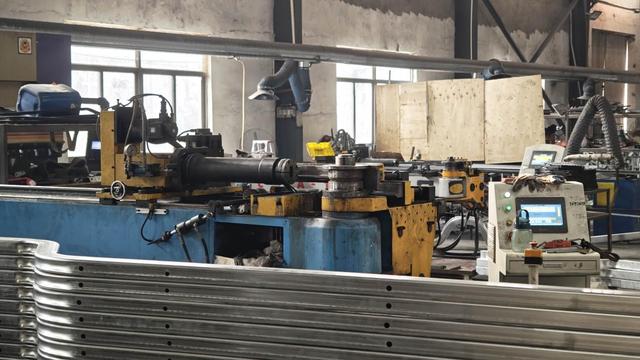
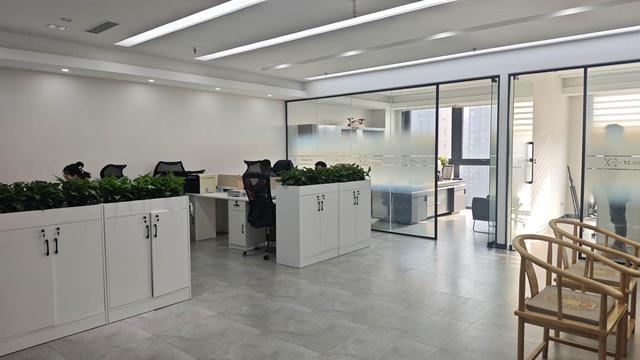
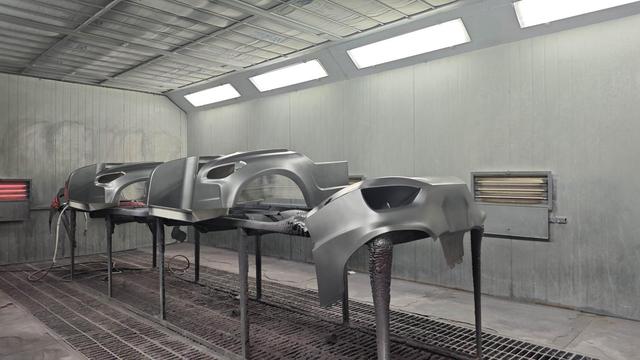
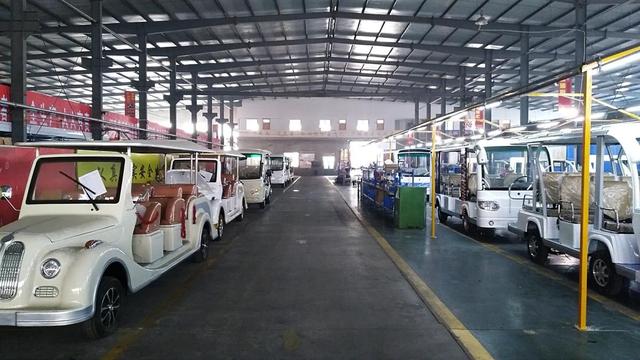
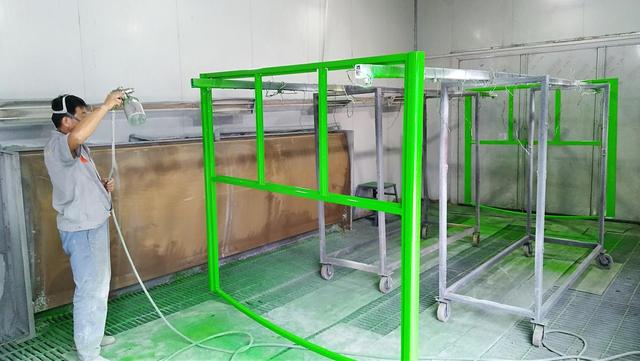
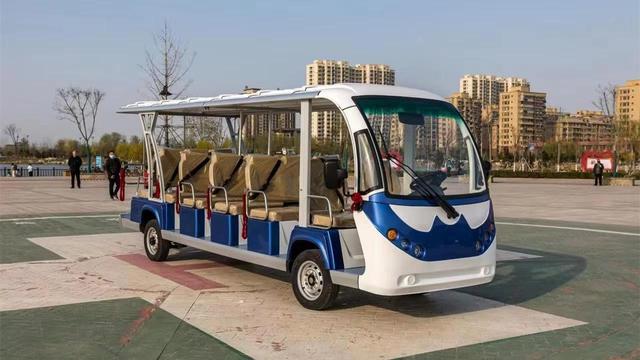
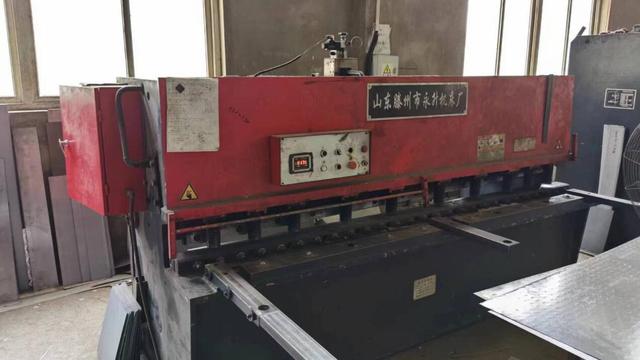
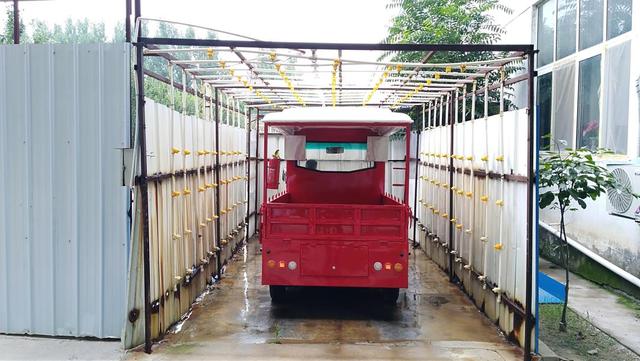
Every vehicle we build undergoes a series of rigorous quality assurance tests before leaving our Shenzhen factory. These tests include battery load cycles, high-current heat stress, waterproof sealing tests, and climbing performance validation. Below is an inside look at our advanced manufacturing facility, structural assembly areas, and global shipping operations:
 Kabar Golf