Kabar Golf


Executive Whitepaper: Decarbonizing London’s Commercial and Academic Spaces
How Modern Micro-Mobility Architecture Aligns with British Environmental Mandates, Lowers TCO, and Enhances Operational Safety.
The London Micro-Mobility Landscape & ULEZ Demands
London is leading the global charge in urban environmental stewardship. With the extension of the Ultra Low Emission Zone (ULEZ) to cover the entirety of Greater London, academic institutions, corporate campuses, logistics centers, and aviation hubs face strict challenges. Traditional internal combustion engine (ICE) utility vehicles are no longer economically viable due to heavy emissions penalties and sustainability targets.
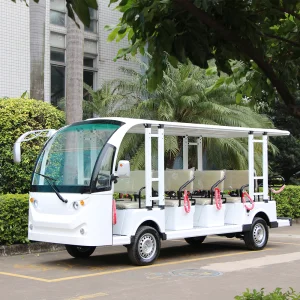
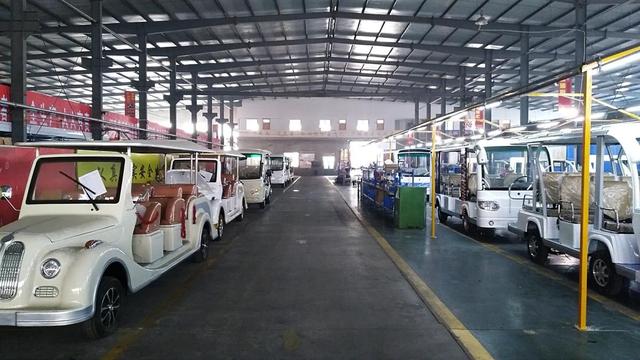
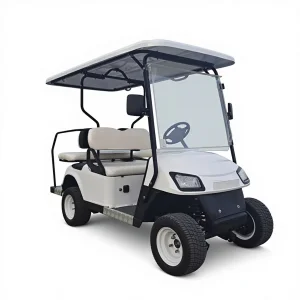
This regulatory push has forced facility directors to re-evaluate their maintenance, security, and transport vehicle fleets. Zero-emission electric shuttle carts represent a critical pathway toward compliance. By deploying smart, high-capacity, low-speed electric vehicles (LSEVs), institutions not only mitigate air pollution but also drastically reduce noise, establishing safer, quieter pedestrian-dominated zones across historic and modern campuses.
Meeting UKCA and CE Safety Standards for Import
Importing specialized micro-mobility equipment into the United Kingdom requires strict adherence to regulatory standards. In the wake of Brexit, the transition from CE marking to the UKCA (UK Conformity Assessed) system has added layers of compliance. Safety directives demand that battery charging infrastructure, drive units, and vehicle structures adhere to strict fire safety, mechanical reliability, and electromagnetic compatibility guidelines.
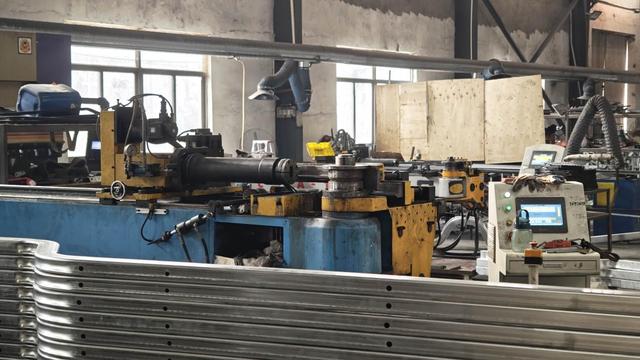
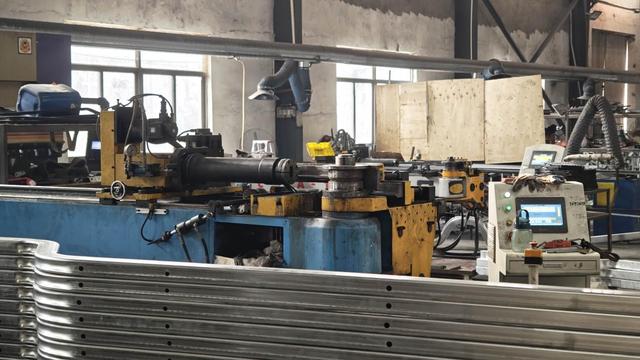
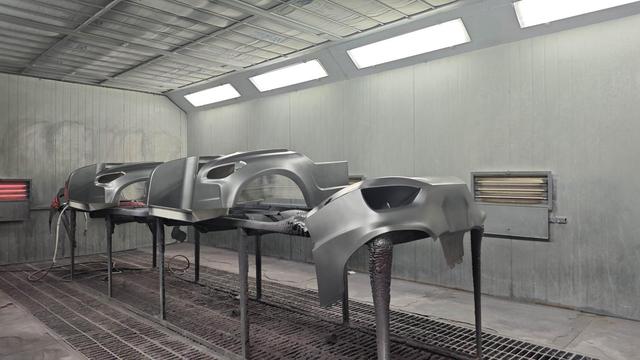
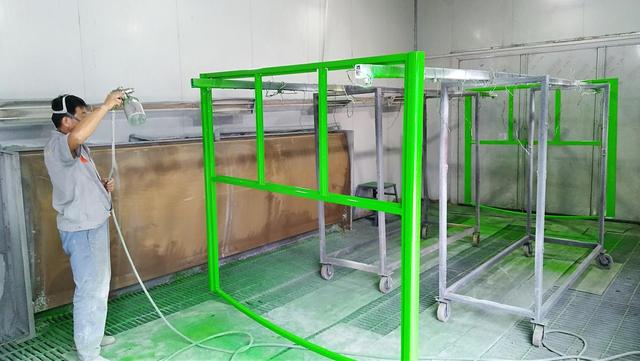
For campus shuttle carts, this requires certified lithium-ion battery packs equipped with advanced Battery Management Systems (BMS) that prevent thermal runaway. Chassis designs must feature high-strength steel frames with electrophoretic dip-coating to resist weathering and corrosion in wet British conditions, ensuring a long operational lifetime.
Critical Insight: The Information Gain on Lithium Iron Phosphate (LiFePO4) Technology
In the past, fleet managers relied on Lead-Acid batteries. However, modern operational standards dictate a shift to LiFePO4 chemistry. Lithium batteries offer 3-4 times the cycle life (exceeding 3,500 cycles at 80% DoD), charge in half the time, require zero maintenance, and retain high efficiency in the damp, cold climate of typical London winters. This shift reduces the Total Cost of Ownership (TCO) by up to 42% over a 5-year operational window.