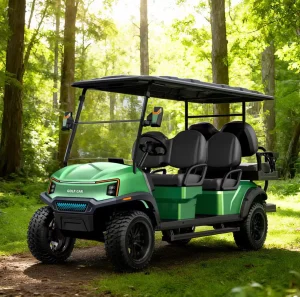
Top Trusted Safety Enhanced Carts Manufacturers & Manufacturer

Innovative Fleet Architecture, Advanced Lithium Technologies, and Intelligent Control Protocols for Next-Generation Commercial Mobility

High-Performance Electric Mobility Showcase

Engineered for maximum uptime, reliability, and ultimate passenger comfort. Explore our top B2B electric golf and utility configurations.
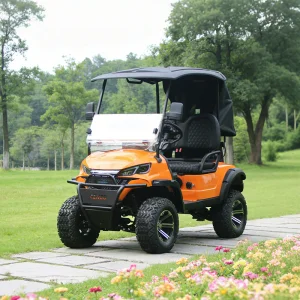
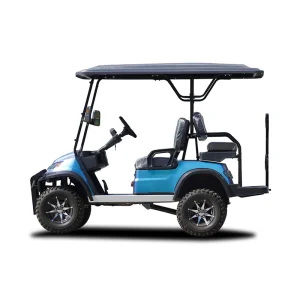
Customizable 2-seat Passenger Electric Golf Cart

Customizable 2-seat Passenger Electric Golf Cart with a Range of 95 Kilometers, 48V Electric Golf Hunting Car

View Technical Specifications
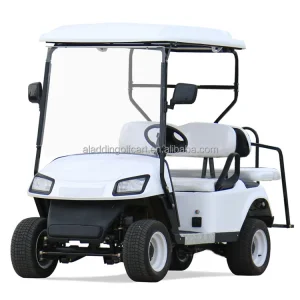
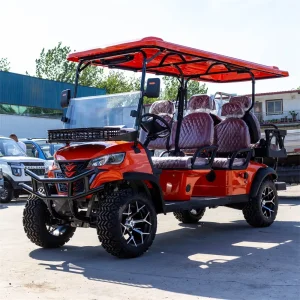
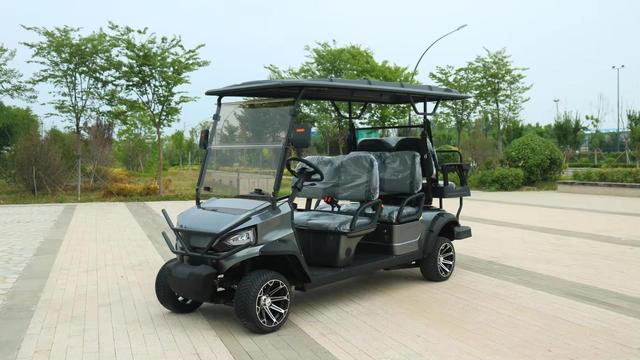
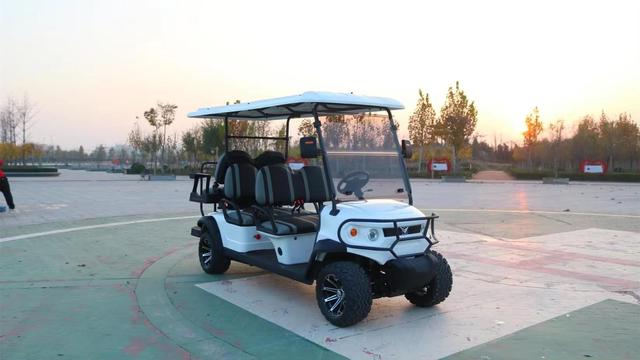
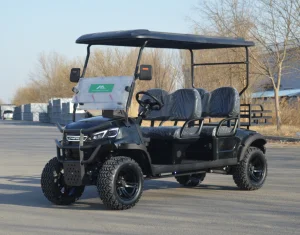
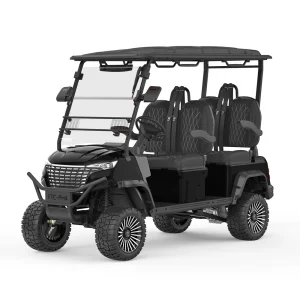
2025 Wholesale 4 Seater Electric Golf Cart

2025 Newest Factory Direct Wholesale Wheel 4 Seater Electric Golf Club Hunting Cart 48V Various Types Off-road Golf Cart

View Technical Specifications
2025 Parison Gas Golf Cart 2 Passenger

2025 Parison New Design Best Gas Golf Car 2 Passenger Golf Cart Street Legal

View Technical Specifications
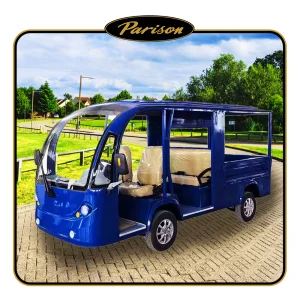
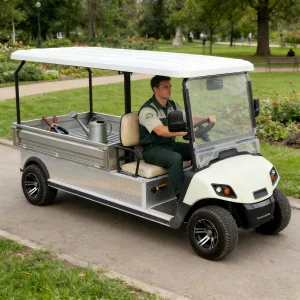
Electric Cargo Golf Cart

Electric Cargo Golf Cart With Factory Wholesale Pricing Through Direct Manufacturer for Cost Effective Fleet Acquisition vehicle

View Technical Specifications
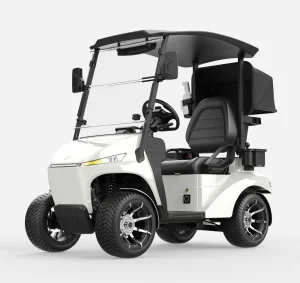
Best Price Electric Golf Cart For Sale

Best Price New Golf Cart Electric 2 Seats Customizable Chinese Golf Cart For Sale

View Technical Specifications
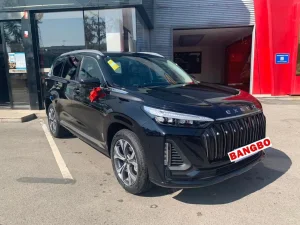
Utility Gasoline Classic Auto Car Micro SUV

Utility Gasoline Classic Auto Car Micro SUV Car Petrol Vehicle

View Technical Specifications
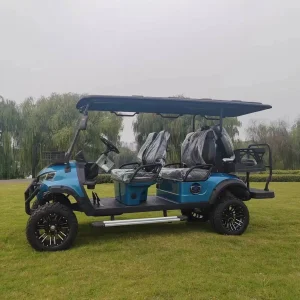
Electric Off-road Golf Cart Lithium Battery

New Energy Car 2 4 6 Seater Electric Off-road Golf Cart with Lithium Battery

View Technical Specifications
Solar Powered Golf Cart with Aluminum Wheels

Solar-Powered Optional Golf Cart with 12-Inch Aluminum Wheels

View Technical Specifications

About Shenzhen Kabar Golf Co., Ltd.

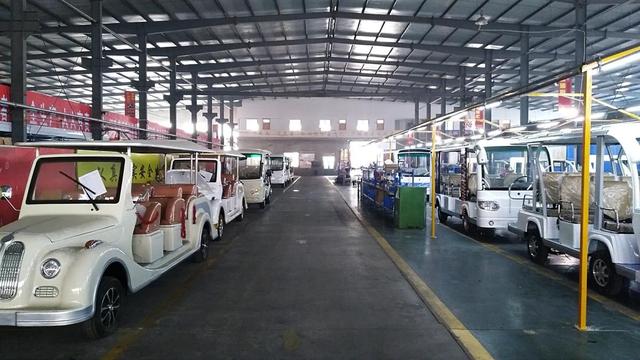
Established in 2014, Shenzhen Kabar Golf Co., Ltd. is a pioneer in B2B micro-mobility development. Leveraging Shenzhen's high-tech ecosystem, we manufacture intelligent, zero-emission transportation assets that serve major international industrial and commercial zones.

Our facilities integrate robust mechanical engineering, high-efficiency lithium systems, and cloud-connected fleet management platforms designed to improve operations and decrease cost of ownership.

18,000+ Sqm Factory

Modern production lines and strict testing environments.

220+ Employees

Skilled assembly experts and specialized engineering teams.

Strict Quality Standards

Component verification, dyno tuning, and real-world trials.

Global Export Network

Serving major operators in North America, EU, APAC, and Middle East.

10+
Years Industry Experience
18,000m²
Production Area
95km
Max Electric Range
50+
Export Destinations

Deep Analysis: Low-Speed Electric Vehicles & Safety-Enhanced Mobility

Exploring global industrial dynamics, battery safety standards, technological advancements, and localization strategies for B2B fleet logistics.

Executive Summary

The global low-speed electric vehicle (LSEV) landscape is shifting from simple golf buggies toward specialized, safety-enhanced utility assets. Commercial fleets, tourist resorts, and industrial hubs now require high structural durability, strict safety conformance, and advanced telemetry integration. This document details the engineering considerations, compliance standards, and market pathways shaping this sector.

1. Global Commercial and Industrial Landscape of LSEVs

Low-Speed Electric Vehicles (LSEVs) are crucial in modern decentralized transport networks. The transition to zero-emission zones in industrial complexes, airports, smart cities, and resorts has increased the demand for reliable, fleet-ready utility carts. In North America and Europe, commercial facilities are shifting their light-duty support vehicles from internal combustion engines to electric powertrains to meet corporate ESG and environmental goals.

This market is governed by regional requirements for low-speed vehicles. In the United States, LSEVs must comply with the National Highway Traffic Safety Administration (NHTSA) Federal Motor Vehicle Safety Standards (FMVSS) Standard No. 500. This standard defines street-legal low-speed vehicles (LSVs) as having a top speed between 20 mph and 25 mph, requiring specific safety features like lights, mirrors, seat belts, and VIN numbers. In Europe, the L-category (specifically L6e and L7e) establishes a similar framework, ensuring micro-mobility fleets operate safely alongside standard vehicle traffic.

NHTSA Standard 500 L6e/L7e Homologation ESG Fleet Alignment Urban Micro-Mobility

2. Essential Safety Architectures for B2B Fleet Operations

Safety-enhanced vehicles are defined by their integrated mechanical and electrical systems, engineered to minimize risk in high-traffic commercial environments. Unlike basic recreational vehicles, industrial-grade carts are designed with structural reinforcements and predictive safety technologies.

Structural Integrity

Reinforced passenger space with Rollover Protective Structures (ROPS), automotive-grade high-tensile steel, or lightweight corrosion-resistant aluminum frames. Tested for impact resistance and weight distribution.

Active Control Systems

Dual-circuit hydraulic disc brakes on all four wheels, automatic parking brakes, and electronic speed governors. Dynamic stability control helps prevent rollovers on uneven terrain.

Thermal & Electrical Safety

Lithium Iron Phosphate (LiFePO4) battery systems with smart Battery Management Systems (BMS). Features over-current protection, thermal-runaway mitigation, and IP67 weather sealing.

Modern commercial operations require integrated safety protocols. In busy pedestrian zones or high-speed logistics centers, carts must use speed control limiters (often paired with GPS geofencing) to adjust speeds based on location data. Electromagnetic braking systems ensure the vehicle automatically stops when the accelerator is released, preventing rollaways on steep inclines and reducing brake wear.

3. Technical Roadmap: The Evolution of Smart Carts

The LSEV sector is adopting several technological innovations to improve utility and fleet integration:

  • Lithium-Ion & LFP Chemistry Integration: Traditional lead-acid batteries are being replaced by Lithium Iron Phosphate (LiFePO4). This chemistry offers longer cycle life (exceeding 3,000 cycles at 80% DoD), faster charge times, zero maintenance, and stable thermal performance, which reduces the risk of battery fires.
  • Solar-Assist Roofs: Integrated high-efficiency monocrystalline solar panels continuously trickle-charge the battery pack during outdoor operation, extending range by up to 15-20% and reducing grid energy reliance.
  • IoT Telemetry & Fleet Software: Modern fleets use CAN-bus communication protocols to send diagnostics, location data, battery health, and collision alerts to central monitoring platforms in real time.
  • Custom Fleet Apps & RFID Access: Custom software allows operators to lock and unlock vehicles, run diagnostics, limit driver permissions, and log operation metrics for safety compliance.

4. Localized Application Scenarios & Macro Solutions

Low-speed utility vehicles are used in several key sectors, each with unique design requirements:

Industrial Parks & Manufacturing Facilities

Heavy duty cycles demand rugged, high-payload cargo configurations. For outdoor logistics, vehicles require IP-rated components, independent suspensions (such as front MacPherson struts), and high-draw electric motors (5kW to 7.2kW AC brushless) to move payloads up to 1,000 kg over varied terrain.

Luxury Hospitality, Golf Courses & Eco-Resorts

These environments require quiet operation, low ground pressure to protect turf, and comfortable passenger seating. Customizations often focus on paint, interior finishes, and accessories, alongside smart charging networks that optimize energy use during off-peak hours.

Urban Logistics & Last-Mile Delivery

For street-legal operation, vehicles must include three-point seatbelts, safety-glass windshields, windshield wipers, rearview cameras, and LED signaling systems. Efficient regenerative braking recovers energy during frequent stop-and-go usage in dense urban centers.

5. Production Excellence & Quality Management

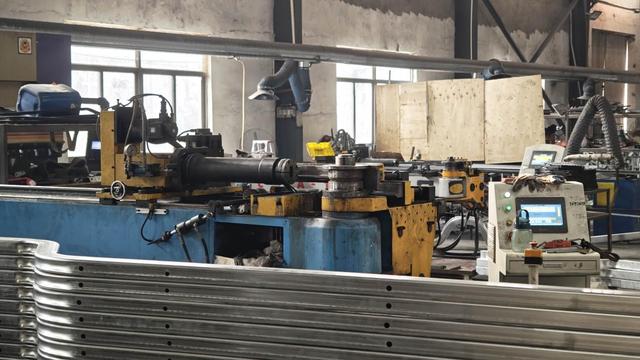
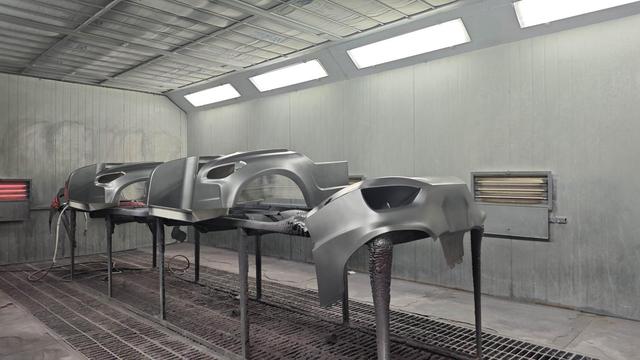
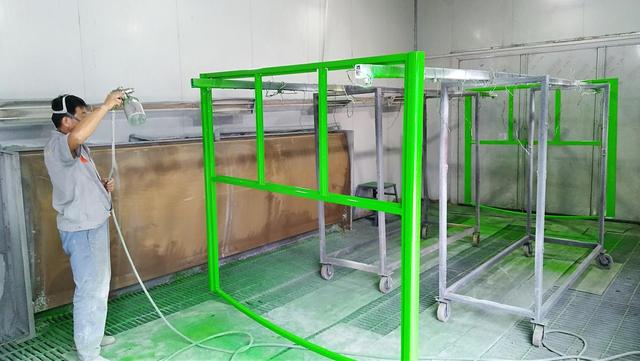
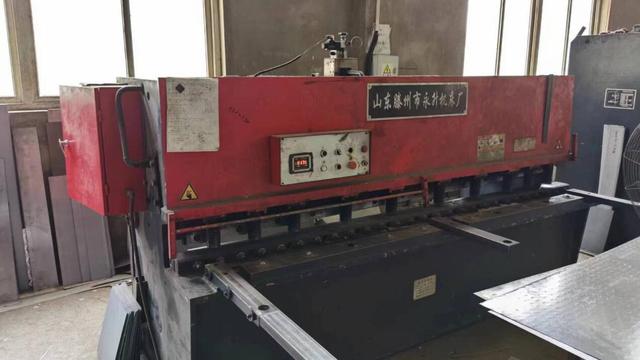
At Shenzhen Kabar Golf Co., Ltd., quality control is integrated into every phase of our manufacturing process. Across our 18,000 square meter facility, we employ testing protocols to ensure structural integrity and electrical reliability:
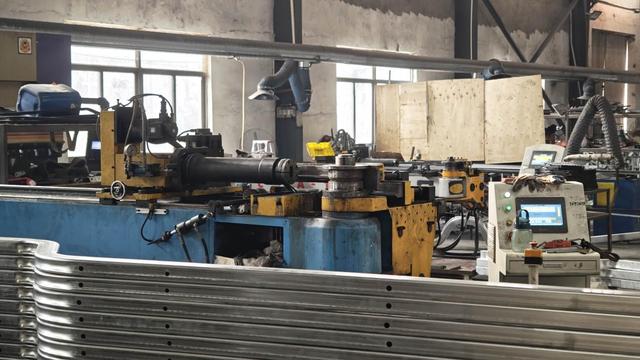
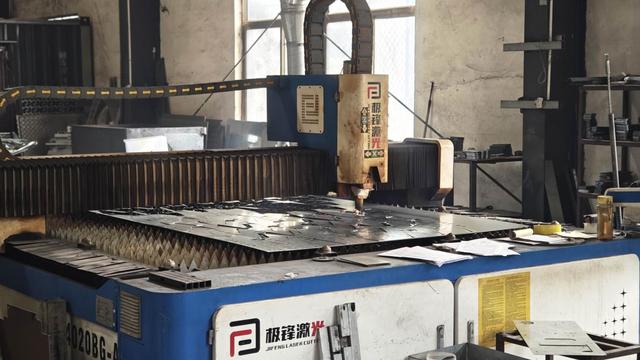
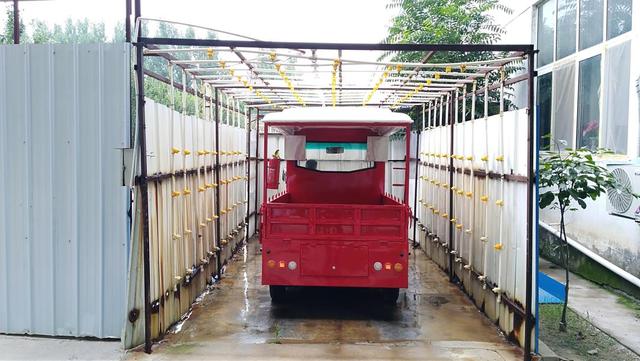
Our Quality Management System (QMS) includes coordinate measuring machines (CMM) for structural inspection, dynamometer testing for motor output and braking efficiency, high-pressure rain cabins to verify weather-proofing, and battery cycle testers. This helps ensure each vehicle is reliable and ready for operation upon arrival.

B2B Frequently Asked Questions

What makes a cart "safety-enhanced" compared to a standard golf buggy?
Safety-enhanced carts feature reinforced structural designs, including Rollover Protective Structures (ROPS) and impact-absorbing bumpers. They are equipped with dual-circuit four-wheel hydraulic disc brakes, automatic parking brakes, electronic speed governors, and integrated battery management systems to manage thermal performance and protect against over-current conditions.
Are Kabar Golf carts street-legal in international markets?
Yes. We offer configuration packages tailored to regional low-speed vehicle standards, such as NHTSA FMVSS 500 in North America and EEC certifications (L6e/L7e) in Europe. These configurations include DOT-approved windshields, three-point seatbelts, side mirrors, turn signals, and VIN plates.
What are the advantages of choosing LiFePO4 batteries over lead-acid?
Lithium Iron Phosphate (LiFePO4) chemistry offers several operational advantages:
  • Extended Lifespan: Over 3,000 cycles compared to 500 cycles for lead-acid.
  • Zero Maintenance: No watering, terminal cleaning, or dedicated ventilation rooms needed.
  • Performance: Consistent power delivery throughout the discharge cycle and faster recharge times.
  • Safety: High thermal stability minimizes the risk of thermal runaway.
Can the vehicle display/software integrate with third-party fleet management tools?
Yes. Our vehicles use standard CAN-bus architectures that can connect with third-party telematics devices. This allows fleet operators to track location, monitor battery state-of-charge (SoC), set geofenced speed limits, and manage access privileges.
What OEM and ODM customization services are available?
We provide comprehensive vehicle customization options, including custom cargo dimensions, branding, paint matching, seating arrangements, hydraulic utility lifts, off-road packages, and custom solar-assist roof designs to fit specific industrial applications.

Advanced Utility Solutions & Smart Fleets

Explore our heavy-duty utility, off-road, and high-occupancy electric vehicles designed for complex logistics environments.
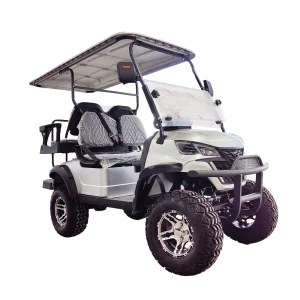
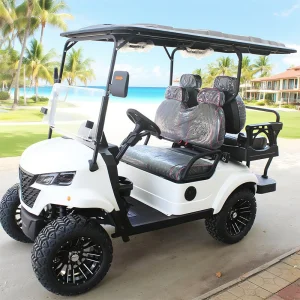
Remote Control Mini Electric Golf Carts

Factory Price Remote Control Mini Electric Golf Carts with Cargo Bed for Sale

View Technical Specifications
4 Seater Folding Electric Golf Cart

4 Seater Folding Battery Electric Golf Cart Rough Terrain 2+2 Seats off Road Golf Cart

View Technical Specifications
Smart GPS Golf Cart

Wholesale Smart GPS Golf Cart Fleet Custom APP Multimedia Single Seat Golf Buggy OEM Personal Electric Golf Utility Vehicle

View Technical Specifications
High Performance 60V Electric Golf Cart

High Performance 60V Lithium Battery Electric 4 Seater Golf Cart with Bluetooth Connectivity for Golf Course and Commercial

View Technical Specifications
72V Mini Electric Golf Carts

72V Mini Electric Golf Carts Solar Powered 6-Seater Buggy with Golf Trolley Accessories Aluminum Material 5kw Motor

View Technical Specifications
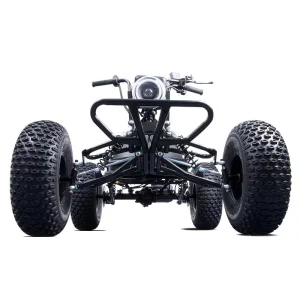
Multi-Purpose Off-road Electric Buggy

Multi-Purpose 48V 1200W With Rugged Suspension And High-Speed Off-Road Capability For Outdoor Adventures Electric Buggy Kart

View Technical Specifications
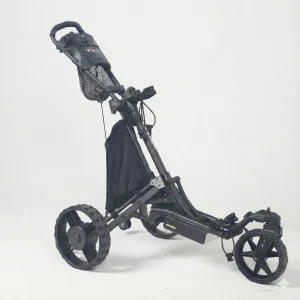
Remote Control Electric Golf Trolley

2025 New Design Remote Control Electric Golf Trolley 36 Holes Lithium Battery Motorized Golf Caddy With DHC

View Technical Specifications
Custom Lithium Battery Golf Carts

Custom 48V 72V Lithium Battery 5kw Motor 2 / 2+2 / 4 / 4+2 Seater Golf Carts

View Technical Specifications