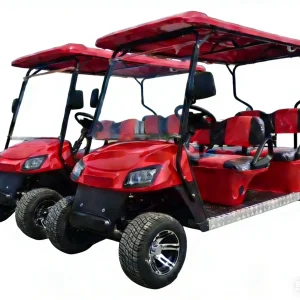
Explore our engineering-first, street-legal electric fleets, custom-built for safety, durability, and operational efficiency.
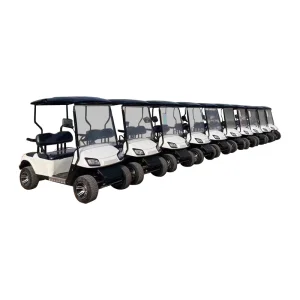
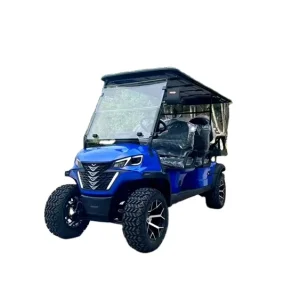
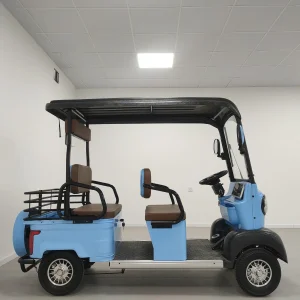
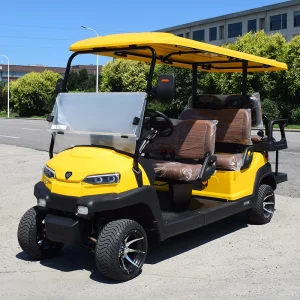
The global paradigm shift towards low-speed zero-emission electric vehicles (LSVs) represents one of the most critical transitions in modern urban design, resort management, and commercial transport infrastructure. As municipal regulatory frameworks around the world align with decarbonization mandates, the traditional internal combustion engine (ICE) shuttle fleet is rapidly becoming obsolete. In its place, specialized, robust, and highly integrated electric shuttle platforms have emerged as the industry standard.
“True sustainability requires more than swapping combustion motors for batteries. It demands structural resilience, advanced battery management systems (BMS), and optimized drivetrain efficiencies designed for continuous operation.”
Established in 2014 in Shenzhen, Guangdong, China—the global epicenter of advanced electric vehicle supply chains—Shenzhen Kabar Golf Co., Ltd. has grown to become a benchmark manufacturer of custom electric golf carts, utility trucks, and passenger shuttle transport. Operating a state-of-the-art production facility spanning more than 18,000 square meters and employing over 220 certified professionals, Kabar Golf operates at the nexus of technology, mechanical craftsmanship, and structural innovation.
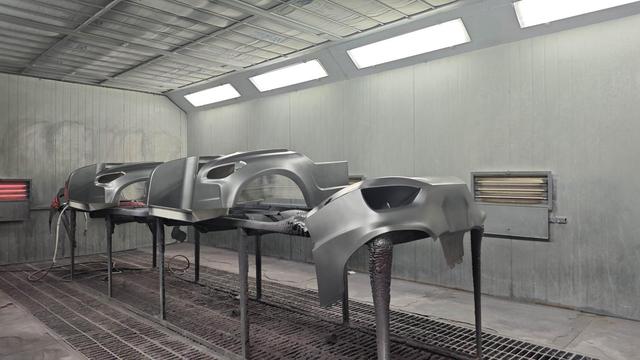
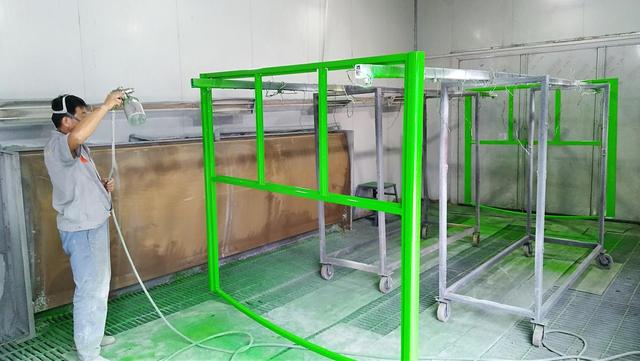
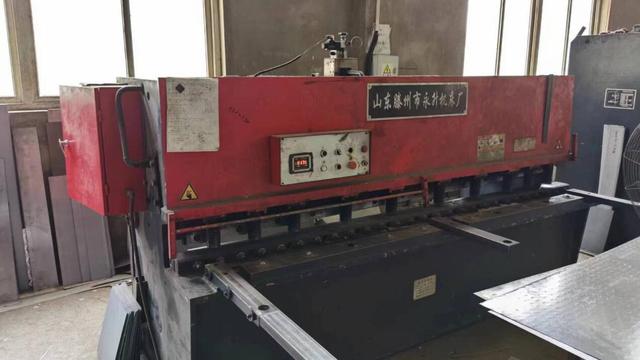
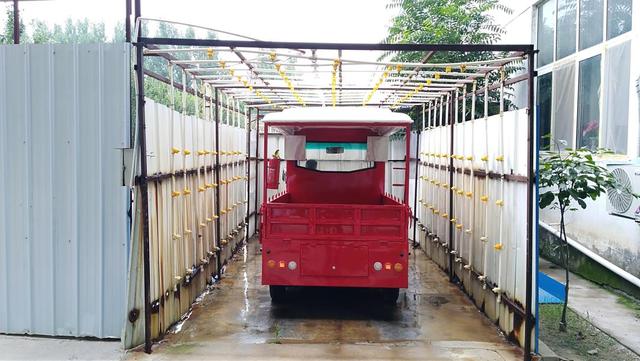
Our operational capabilities include automated chassis alignment rigs, computerized welding gantries, electrophoretic coating channels (offering maximum anti-corrosion protection in high-salinity coastal environments), and dynamic multi-point diagnostics. Every vehicle undergoes a rigorous QC regime: from battery discharge curves and controller thermal mapping to real-world suspension articulation testing, ensuring each cart maintains long-term reliability in the field.
A major differentiator of Shenzhen Kabar Golf Co., Ltd. is our robust, full-cycle OEM and ODM support framework. We recognize that mobility needs are highly contextual. A municipal park requires street-legal certifications and high passenger visibility, whereas an off-road farm or heavy industrial site requires mechanical towing capacity, steel drop-sides, and high-ground-clearance suspension configurations.
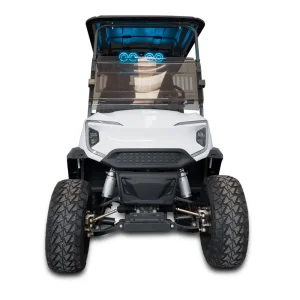
Independent double A-arm front suspensions, heavy-duty leaf springs, and lifted geometry options tailored for varied topographies.
From highly-efficient 5kW AC brushless induction motors to high-torque 7.5kW units combined with 400A programmable controllers.
Advanced modular LFP (Lithium Iron Phosphate) pack configurations up to 72V/150Ah with active smart BMS systems.
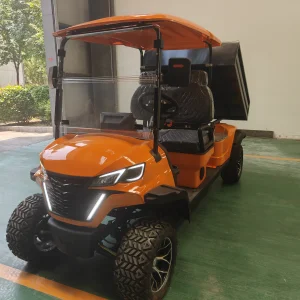
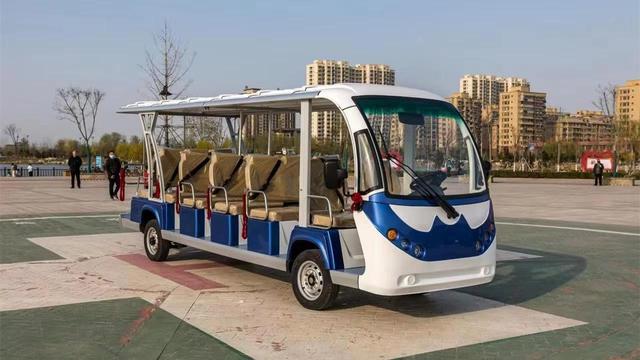
Our mechanical and electrical design team interfaces directly with fleet operators to customize seating configurations (from 2-seater workhorses to 8-passenger high-capacity shuttles), incorporate specific colorways and private labeling, and integrate complex ancillary gear, including hydraulic tipping beds, security warning light arrays, integrated solar panels, and smart GPS telemetry.
Electric shuttle buses do not operate in a vacuum. Instead, they act as the connective tissue of modern master-planned developments, zero-emission transportation corridors, and closed-loop logistics networks. By eliminating particulate emissions and reducing noise pollution down to zero decibels, our electric shuttle lines integrate seamlessly into local ecologies.
In municipal smart city designs, these vehicles bridge the gap in "first-mile, last-mile" transport infrastructure, taking commuters from urban rail hubs to business parks. By replacing large, partially empty transit buses with a fleet of agile, right-sized electric shuttle vehicles, operators realize massive savings in infrastructure wear-and-tear while boosting service frequency and rider satisfaction.
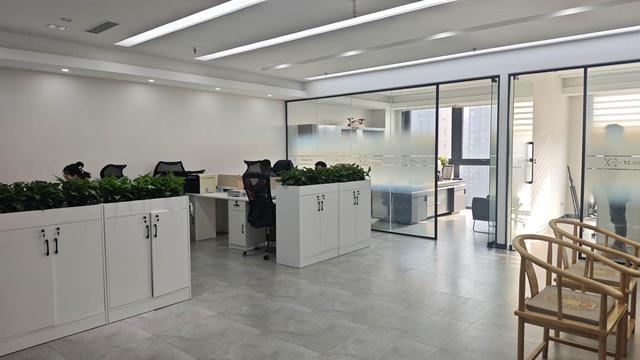
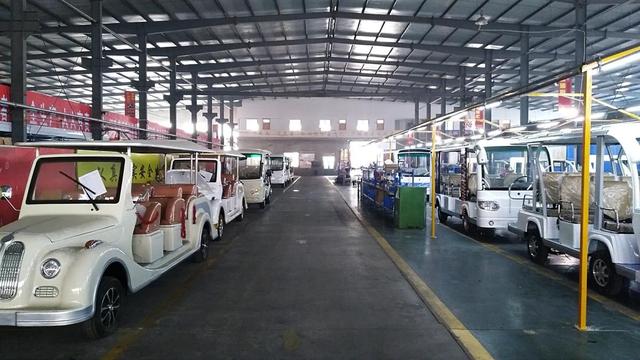
Take a virtual tour of the Shenzhen Kabar Golf manufacturing lines, showing where structural precision meets advanced robotics.
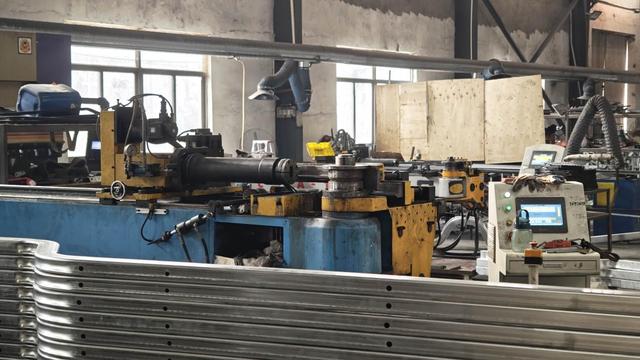
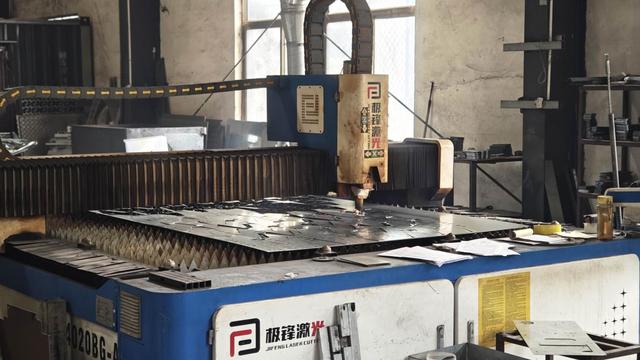
Across key export destinations—North America, Europe, the Middle East, Southeast Asia, and Australia—the commercial deployment of electric carts and shuttles is guided by regional needs and regulatory rules:
To maximize your return on investment, electric shuttles must be tailored to the operational demands of their specific location:
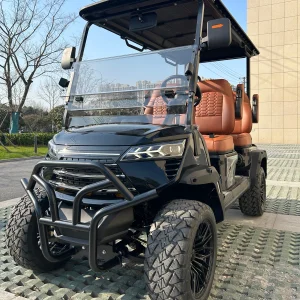
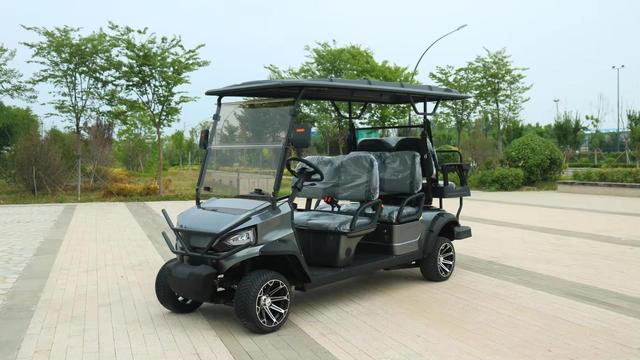
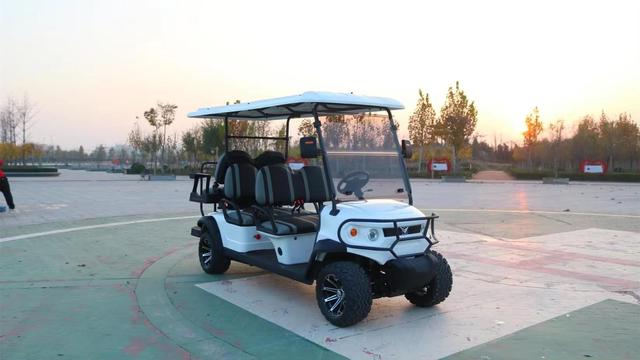
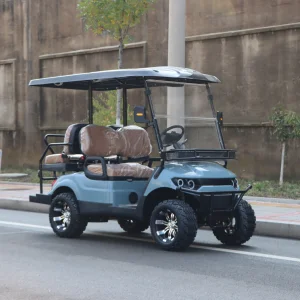
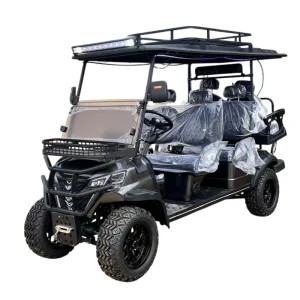
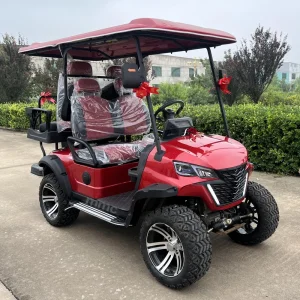
Hotels & Luxury Resorts: Quiet, comfortable transportation is key. Our 4 to 8-seat multi-passenger luxury buggies provide smooth rides with premium upholstery, offering guests a high-end transport experience.
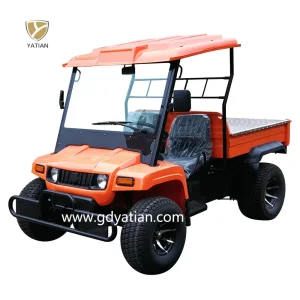
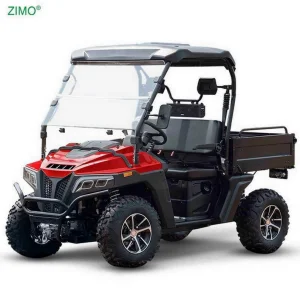
Industrial Parks & Campus Logistics: Utility vehicles with high cargo capacity, drop-side metal beds, and heavy-duty towing rigs allow maintenance teams to move tools, refuse, and cargo across facilities efficiently.
Eco-Parks & Scenic Sightseeing Areas: Open-air sightseeing cars with large viewing angles, solar panels, and ergonomic seating allow visitors to enjoy nature reserves and parklands without noise or emissions.
At Kabar Golf, our R&D team is continuously pushing the boundaries of vehicle design. Our technical roadmap focuses on three main areas:
High-capacity specialty vehicles, clean-energy farm utility trucks, and street-legal neighborhood electric transit solutions.
Get answers to key technical, compliance, and logistics questions from our engineering team.
A: DOT compliance (under US FMVSS 500 standards) covers Low-Speed Vehicles (LSVs) operating at top speeds of 25 mph (40 km/h) on public roads. Key requirements include specific safety equipment, such as three-point seat belts, DOT-compliant windshields, headlights, turn signals, and mirrors. EEC homologation (under European Union L6e/L7e guidelines) focuses on strict weight limits, motor output, and safety certifications for parts like tires and light assemblies. Shenzhen Kabar Golf provides customized manufacturing pathways to meet either standard depending on your local region.
A: Lithium Iron Phosphate (LiFePO4) batteries offer substantial performance improvements over traditional lead-acid setups. A standard lead-acid battery provides 500 to 800 cycles at a 50% depth of discharge (DoD), typically lasting 2 to 3 years. By contrast, our automotive-grade LiFePO4 packs deliver over 3,500 full charge-discharge cycles at an 80% DoD, maintaining over 80% capacity for 8 to 10 years. In addition, lithium systems require zero maintenance, offer rapid charging, and reduce overall vehicle weight, resulting in significant savings on long-term operating costs.
A: Yes, we specialize in environmental adaptations. For coastal or marine environments, we use hot-dip galvanized or high-strength aluminum frames along with marine-grade electrical wiring, waterproof connectors, and anti-corrosive powder coatings. For high-temperature regions (such as the Middle East), we incorporate high-thermal-efficiency cooling systems, heat-shielded battery boxes, and UV-stabilized canopy materials to prevent sun damage and operational overheating.
A: Standard configurations ship within 20 to 30 days of design sign-off. Custom OEM/ODM orders—including custom seat layouts, branding, specific towing systems, or custom paint—typically require 35 to 45 days. Our manufacturing team handles design, structural engineering, electrical planning, and quality testing in-house, ensuring a smooth transition from prototype to delivery.
A: Our solar-powered models use high-efficiency monocrystalline solar panels built directly into the roof. These panels interface with a custom MPPT solar charge controller that constantly feeds solar energy back into the main battery pack. While it doesn't replace standard plug-in charging, this hybrid system can extend operational range by 10% to 15% daily depending on sunlight exposure, helping to reduce grid energy use.
A: We provide a comprehensive warranty program, including a 3-year warranty on lithium batteries and a 2-year warranty on the main chassis and motor controller. We work with regional distributors and local service partners worldwide to supply replacement parts, offer technical diagnostics, and provide on-site repair support, ensuring your fleet continues to run smoothly.
 Kabar Golf