Engineered for maximum sound attenuation, reliable range, and modern intelligent control systems.
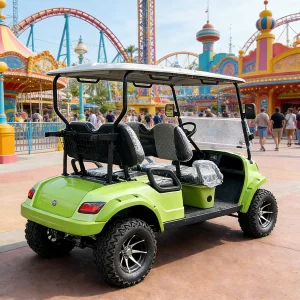
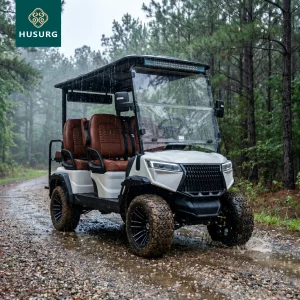
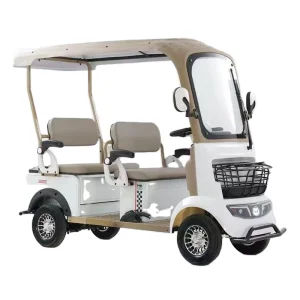

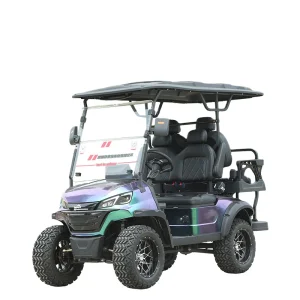
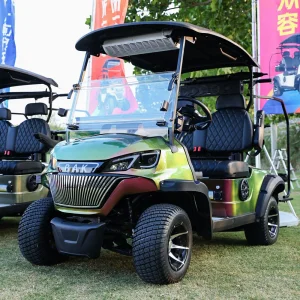
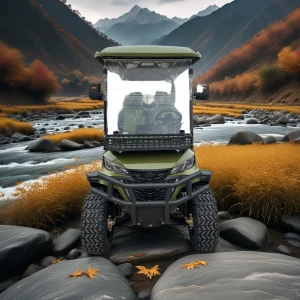
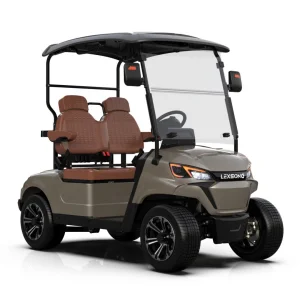
In the contemporary landscape of global commercial, residential, and recreational transportation, sound levels have emerged as a critical performance indicator. Traditionally, low-speed vehicles (LSVs) and utility fleets relied heavily on combustion engines or early-generation electric drivetrains that generated significant mechanical hum and gear friction. Today, municipal zoning laws, luxury hospitality brands, and master-planned residential communities have introduced strict decibel-level regulations to protect quiet environments.
This paradigm shift has accelerated the global demand for "Quieter Golf Carts"—specialized electric utility vehicles optimized to produce minimal ambient noise. Modern resort operators, airport logistics managers, and estate owners are prioritizing acoustic performance alongside traditional metrics like battery capacity and load threshold. Developing a vehicle that performs at or below 45 decibels requires extensive mechanical optimization, including precision-engineered helical gears, advanced sine-wave controller programming, and highly isolated chassis structures.
Procuring low-noise fleets reduces environmental noise pollution, increases guest satisfaction in hospitality zones, and ensures compliance with strict urban noise regulations. China's leading manufacturing hubs have consolidated components from battery management systems to low-friction transaxles to deliver this specialized technology at scale.
Rising fuel costs and strict emission policies have driven commercial facilities to replace combustion utility fleets with low-maintenance, quiet electric vehicles, resulting in up to 60% reduction in long-term operating costs.
Modern operators require vehicles with dBA ratings under 50dB at full load. This is achieved by combining intelligent vector controllers with sound-dampening composites in the body and motor mounts.
An breakdown of the mechanical and structural systems that define modern low-noise golf carts.
Eliminating mechanical whine requires precision gear-cutting. Incorporating helical gearing with optimized pressure angles minimizes contact friction, reducing noise generation right at the transaxle source.
Unlike square-wave controllers that produce magnetic resonance in the motor, Field-Oriented Control (FOC) vector drives deliver smooth, sinusoidal current curves, resulting in near-silent motor operation.
By utilizing premium polyurethane motor mounts and rubber-dampened leaf spring suspensions, road vibrations are absorbed before they resonate through the aluminum or steel frame chassis.
In addition to powertrain improvements, modern quieter golf carts utilize next-generation lithium battery arrays. Traditional lead-acid setups demand heavy venting and generate slight bubbling sounds during charging, whereas lithium-ion cells operated by advanced Battery Management Systems (BMS) operate silently and emit zero gases. Additionally, their lightweight structure reduces the overall load on the vehicle suspension, further lowering mechanical creaks and squeaks during transit over rough terrain.
The global electric vehicle supply chain is highly centralized, with southern China, particularly Shenzhen and the Guangdong-Hong Kong-Macao Greater Bay Area, serving as the core manufacturing hub. Choosing a dedicated China-based supplier like Shenzhen Kabar Golf Co., Ltd. provides distinct strategic advantages for global B2B procurement managers:
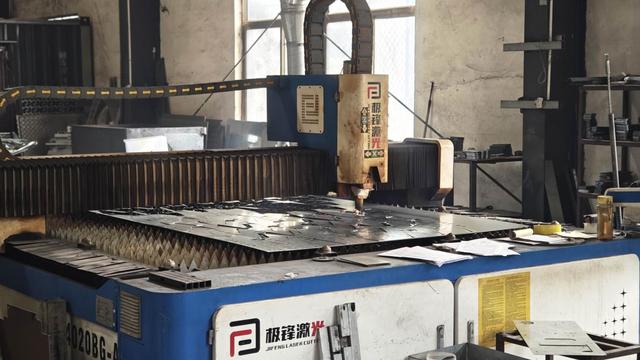
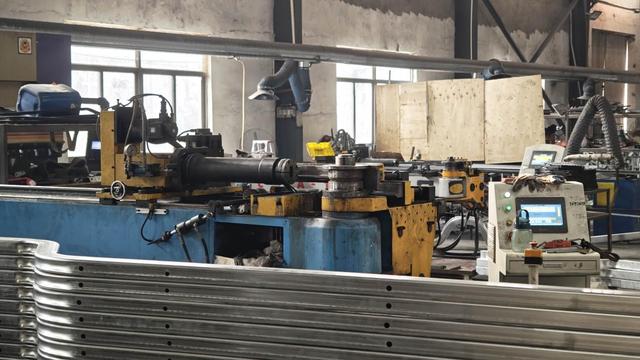
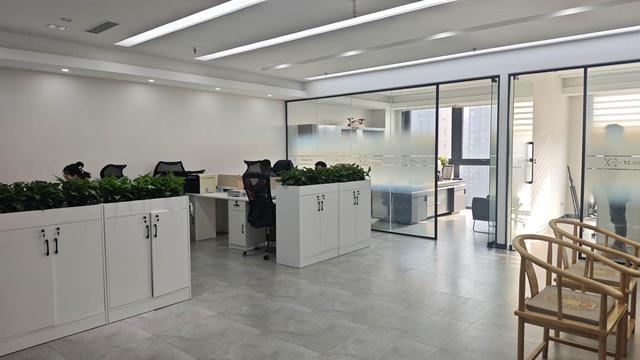
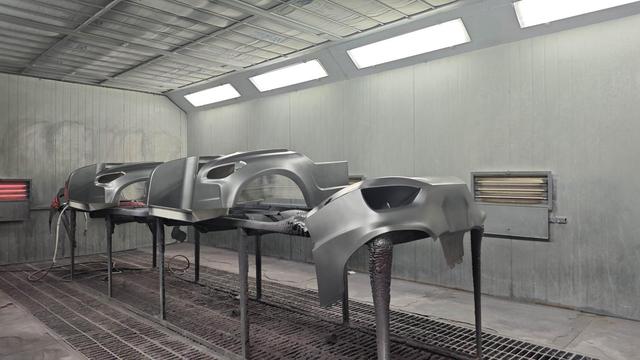
Established in 2014, Shenzhen Kabar Golf Co., Ltd. is a professional golf cart manufacturer located in Shenzhen, Guangdong, China. The company specializes in the research, development, manufacturing, and export of electric golf carts, utility vehicles, and customized mobility solutions for global customers. With a modern production facility covering more than 18,000 square meters and a workforce of over 220 employees, Kabar Golf has developed into a reliable supplier serving golf courses, resorts, hotels, industrial parks, residential communities, airports, campuses, and commercial facilities worldwide.
Supported by an experienced engineering and R&D team, Shenzhen Kabar Golf continuously invests in vehicle innovation, battery technology, intelligent control systems, and ergonomic design. The company offers comprehensive OEM and ODM services, including vehicle customization, branding, color matching, seating configurations, accessory integration, and private-label manufacturing to meet the diverse requirements of international markets.
Exploring how noise-reducing electric vehicles improve operational workflows across diverse sectors.
High-end hotels and resorts rely on quiet electric vehicles to transport guests and baggage without disrupting the serene environment. Quiet transport ensures guest relaxation, especially during morning or late-night room service runs.
Large-scale industrial sites, university campuses, and hospitals require reliable transport. Low-noise utility vehicles operate seamlessly inside warehouses and along pedestrian walkways without creating distracting noise pollution.
Residential communities and airport terminals benefit from zero-emission passenger shuttles. These vehicles operate safely and quietly around passengers, optimizing traffic flow in highly congested areas.
For operations managers purchasing multi-vehicle fleets, evaluating electric cart suppliers requires reviewing several key technical metrics to ensure reliability and low total cost of ownership (TCO):
1. Motor Control Class: Always specify AC Brushless motors over traditional DC motors. AC motors operate more quietly, offer higher efficiency, and require no brush replacements over their lifespan.
2. Battery Chemistry Choices: While lead-acid batteries have a lower upfront cost, Lithium Iron Phosphate (LiFePO4) batteries provide up to 3,500 charging cycles, faster charging times, and significant weight savings, resulting in a lower long-term cost per cycle.
3. Suspension and Chassis Coating: For off-road and coastal operations, hot-dip galvanized steel or premium aluminum frames are critical to prevent corrosion. Multi-link suspension setups ensure a smoother, quieter ride on uneven paths.
4. Parts Availability and Warranty Support: Partner with manufacturers that offer comprehensive component warranties, standard international controllers (e.g., Curtis Controller systems), and accessible replacement parts to minimize fleet downtime.
Shenzhen Kabar Golf Co., Ltd. incorporates these premium features across its catalog. From incoming component quality checks to final pre-shipment vehicle testing, quality control is integrated throughout the production cycle to deliver reliable performance in diverse environments.
Complies with European safety standards.
Meets US street-legal and emission regulations.
Technical answers to key inquiries regarding quiet electric utility vehicles.
Standard gas-powered utility carts typically operate between 65 to 75 dBA, and standard electric vehicles hum at around 55 to 60 dBA. An ultra-quiet electric vehicle operates below 45 to 50 dBA at full load. This is achieved by combining helical gear transaxles with brushless AC motors and noise-dampening controller software.
Yes. Through our OEM and ODM services, we offer customized vehicle configurations ranging from 2-seaters to 11-seat shuttles. Options include flatbed cargo attachments, closed box structures, off-road lifting kits, and specialized ambulance or security configurations.
Lithium batteries (specifically LiFePO4) offer significant performance benefits: they are up to 70% lighter, last up to 4 to 5 times longer (exceeding 3,000 charge cycles), charge much faster, and require zero periodic water maintenance.
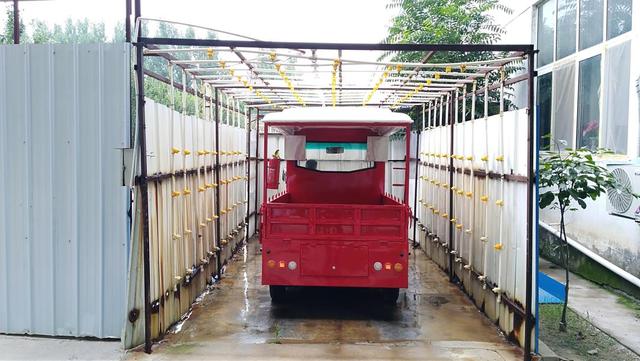
Our 18,000 square meter factory operates under strict quality management systems. We inspect raw materials, run dyno-tests on the powertrain, conduct water-spraying tests, and perform final test runs to ensure every vehicle meets global standards before leaving the facility.
Yes, many of our configurations are design-optimized for street use, featuring DOT-approved windshields, seat belts, headlights, horn kits, and mechanical braking configurations suitable for LSV (Low-Speed Vehicle) registration.
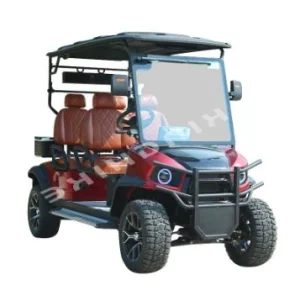
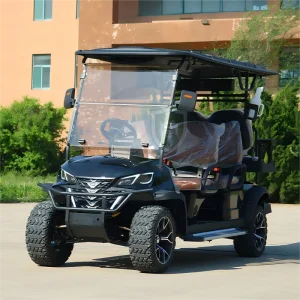
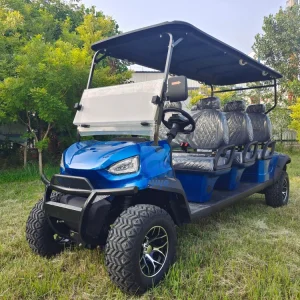
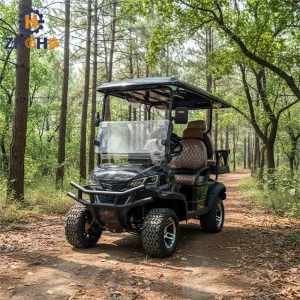
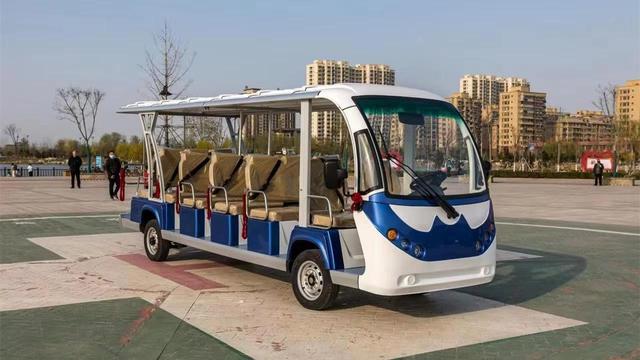
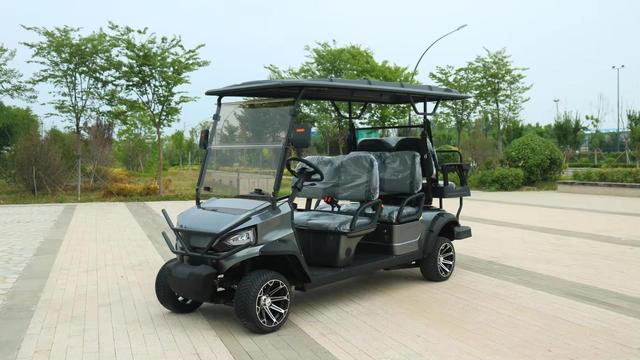
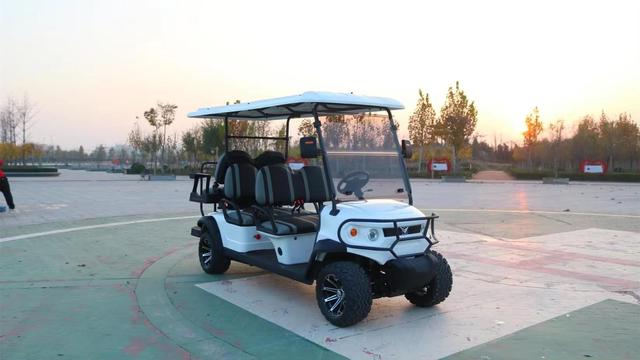
Premium configurations designed to handle demanding outdoor terrains, airport operations, and heavy loads.
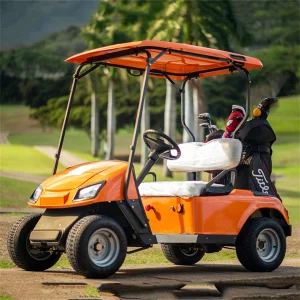
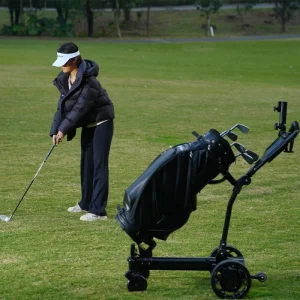
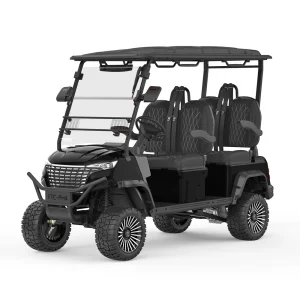
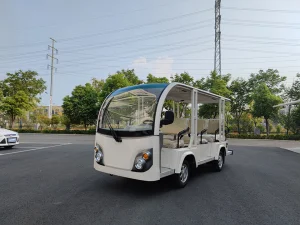
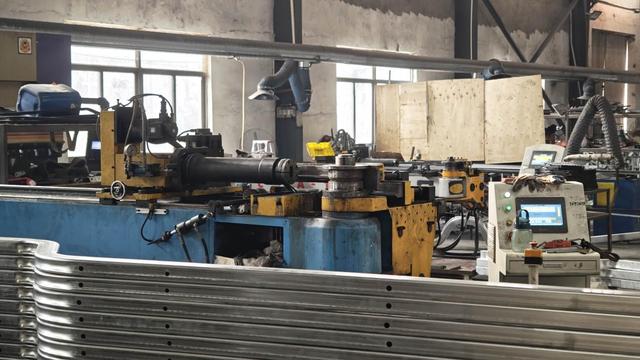
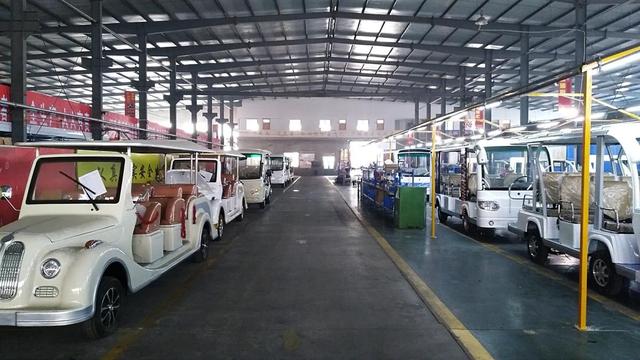
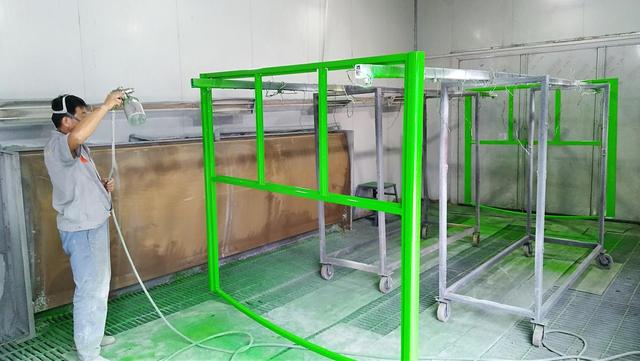
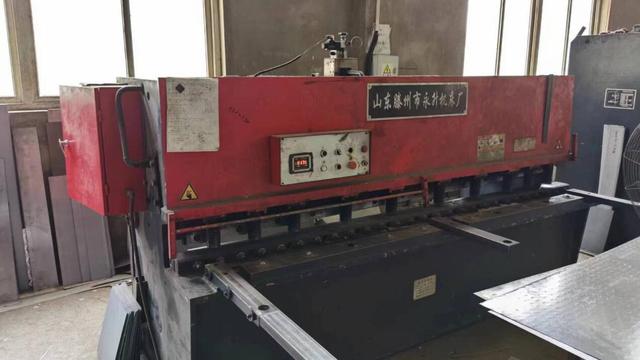
Explore our state-of-the-art production floors and quality control departments in Shenzhen.
 Kabar Golf