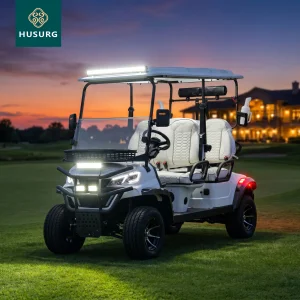
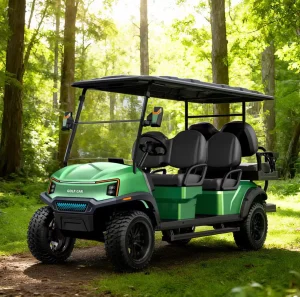
High-efficiency electric transport configurations designed for hospitality, security patrols, and commercial delivery fleets.
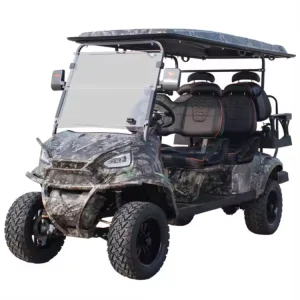
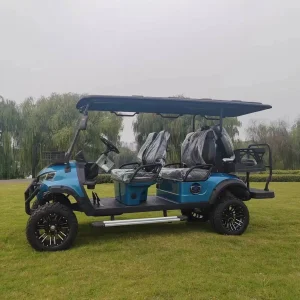
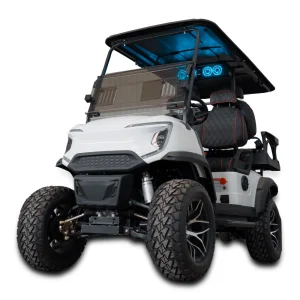
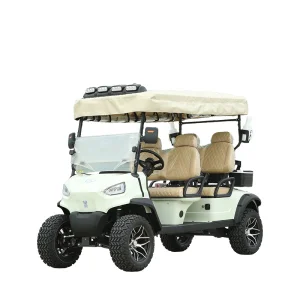
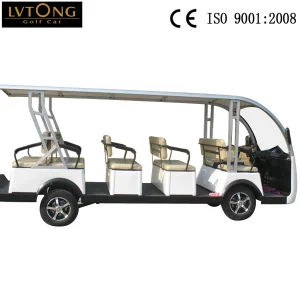
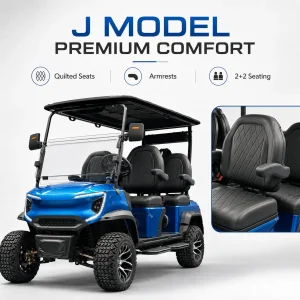
The global shift toward electrification is reshaping the short-range utility and micro-delivery landscape. Industries ranging from urban logistics and parcel delivery to luxury resorts and airport grounds management are phasing out legacy internal combustion engines. This global transition is driven not only by strict regional emission standards but also by the dramatic operational cost reductions offered by specialized Electric Delivery Vehicles (EDVs) and Low-Speed Vehicles (LSVs).
“According to recent market research, the global micro-mobility and light-utility electric vehicle sector is projected to maintain a compound annual growth rate (CAGR) exceeding 12.5% through 2030, driven by the expansion of zero-emission zones in major urban centers and resorts.”
In North America and Europe, local regulations require commercial facilities to incorporate eco-friendly fleet options to limit tailpipe emissions. Low-speed utility platforms under FMVSS 500 (in the United States) and L7e categories (in Europe) provide the legal and structural foundation for vehicles that operate alongside street traffic. This legal environment has created a surge in demand for high-durability, lithium-powered commercial utility platforms. China's manufacturing sector has emerged as a key supplier for these requirements, offering a balance of vertical integration, customizable chassis design, and battery technology.
In the Asia-Pacific region, the demand is fueled by the development of expansive smart communities, high-density industrial parks, and sustainable tourist destinations. The integration of zero-emission fleets in these areas helps reduce local noise pollution while lowering fleet operating costs by up to 60% compared to conventional fuel-powered service fleets.
The technology behind electric utility vehicles has moved beyond basic lead-acid systems. Modern designs incorporate high-density lithium-iron-phosphate (LiFePO4) battery architectures, integrated solar-assisted recharging platforms, and intelligent telematics systems. These advances enable managers of commercial fleets, golf courses, and resort environments to optimize their assets in real time.
Modern fleets are moving toward 72V configurations. Compared to traditional 48V setups, a 72V electrical platform reduces heat generation, increases drive-motor efficiency, and supports heavy loads on steep inclines without voltage drop.
Photovoltaic roof systems convert ambient sunlight into direct current, providing continuous top-off charging. This feature extends daily operational range by up to 25%, minimizing downtime for hospitality and facility operations.
Smart connect suites allow fleet managers to monitor GPS positioning, establish geofencing rules, track battery state of charge (SoC), and perform remote diagnostics. This data helps reduce unscheduled maintenance and supports fleet optimization.
The utility industry is moving toward autonomous operations in structured environments, such as airports, secure corporate campuses, and large-scale agricultural operations. Automated driving assist systems (ADAS) combined with electromagnetic braking (EMB) ensure safe stopping on sloped paths. In addition, developers are prioritizing lightweight materials—such as high-grade extruded aluminum chassis—to reduce weight, improve range, and provide corrosion protection in coastal resort locations.
Commercial operations require utility vehicles tailored to their specific applications. Selecting the right configurations helps businesses match cargo space, passenger capacity, and drivetrain options to their operational needs.
| Application Scenario | Recommended Configuration | Key Features Required | Key Operational Benefit |
|---|---|---|---|
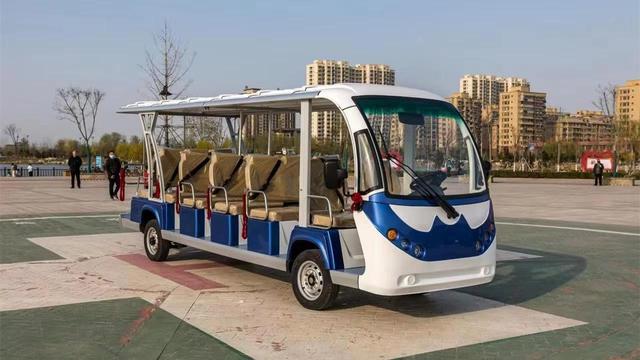
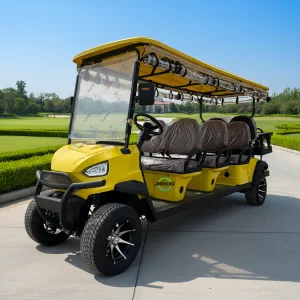
| Luxury Hotel & Resort | 6 to 14 Seater Buggy / Shuttles | Quiet operation, luxury seating, custom paint matching | Enhanced guest transit and zero-noise environment |
| Campus & Corporate Parks | Smart Connect Electric Passenger Vans | GPS fleet tracking, geofenced speed limits | Controlled route optimization and occupant safety |
| Industrial Warehouses & Ports | Heavy-Duty Electric Cargo Carts | High payload capability, durable drop-side cargo box | Lower cost per mile and zero indoor emissions |
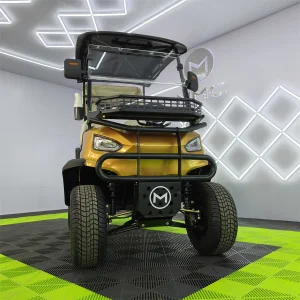
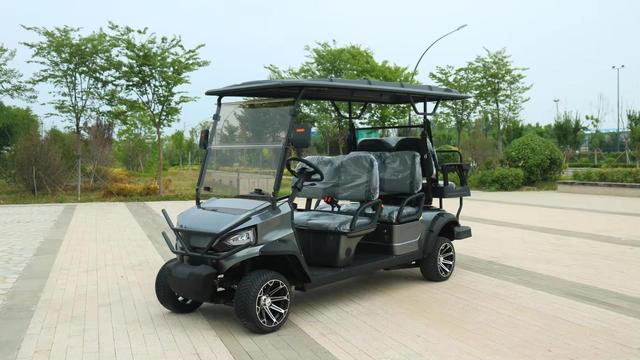
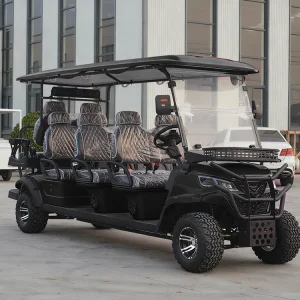
| Beachfront & Off-road Trails | Lifted All-Terrain Utility buggies | Heavy-duty tires, skid plates, EMB braking systems | Improved traction on sand, mud, and steep grades |
Transitioning a legacy fleet to zero-emission utility vehicles requires planning across three main phases:
Founded in 2014, Shenzhen Kabar Golf Co., Ltd. is an established manufacturer of electric golf carts, utility passenger vehicles, and customized electric transport options. Operating out of Shenzhen, Guangdong, China—a hub for battery supply chains and automotive tech—the company manufactures vehicles tailored for international commercial operations.
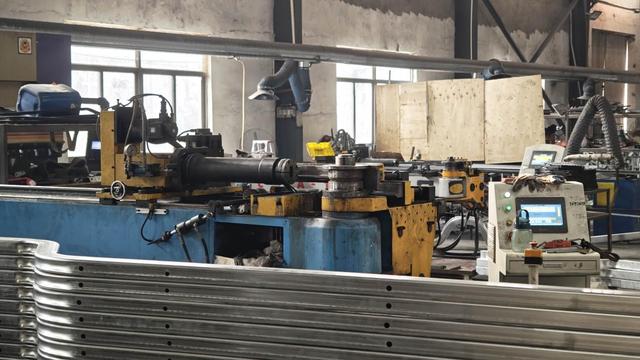
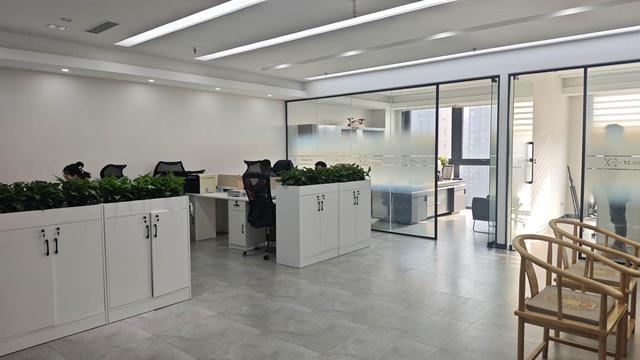
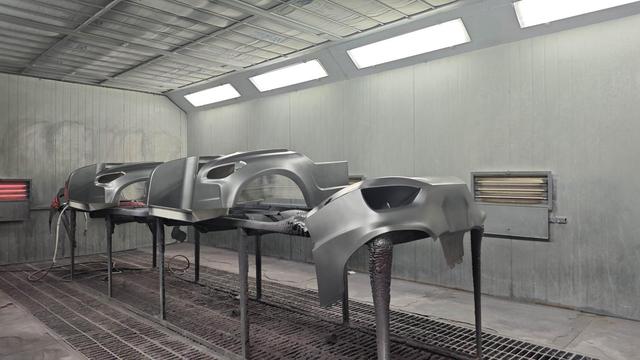
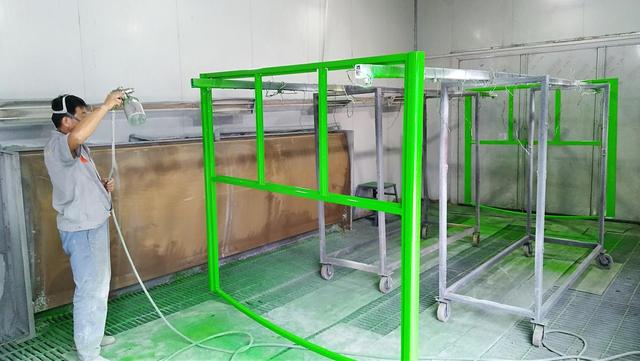
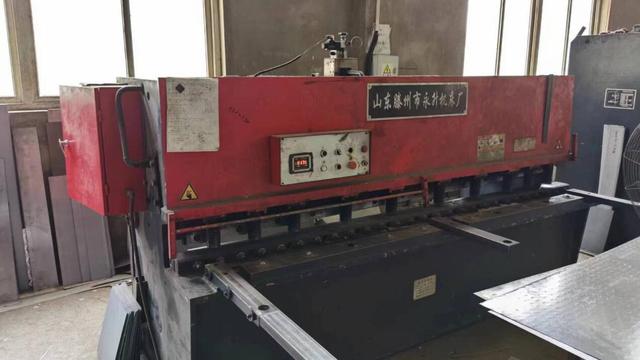
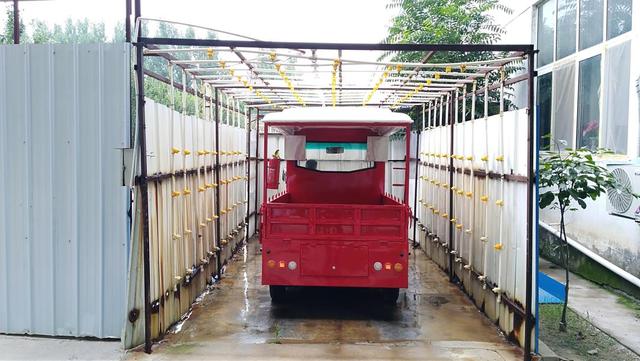
Covering an engineering and production space of more than 18,000 square meters and supported by a team of over 220 technicians and assembly specialists, Kabar Golf manages the design, metal fabrication, painting, assembly, and quality testing in-house. This vertical integration allows for structured quality control and supports OEM and ODM services for clients worldwide.
OEM & ODM Customization: Kabar Golf's services go beyond basic branding. The company provides custom chassis engineering, custom seating configurations, solar panel integration, and specific suspension setups to meet regional road certification requirements (such as CE, EEC, and DOT standards).
The company's products are used in a variety of environments, including golf courses, municipal parks, university campuses, airports, and luxury resorts across North America, Europe, the Middle East, and the Asia-Pacific region. By using high-grade components like AC brushless motors, Curtis controllers, and stable LiFePO4 battery management systems, Kabar Golf builds utility vehicles designed to perform reliably in demanding commercial operations.
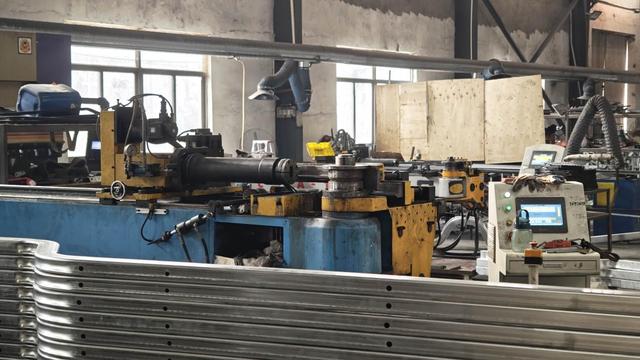
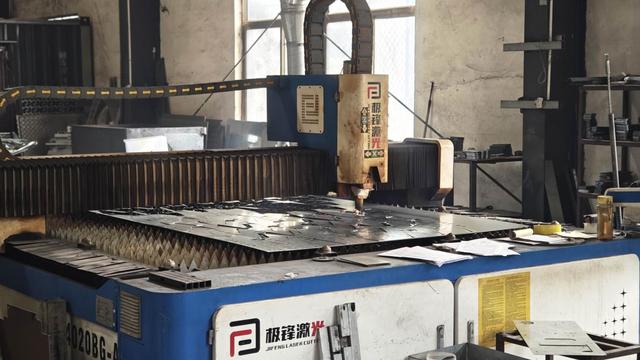
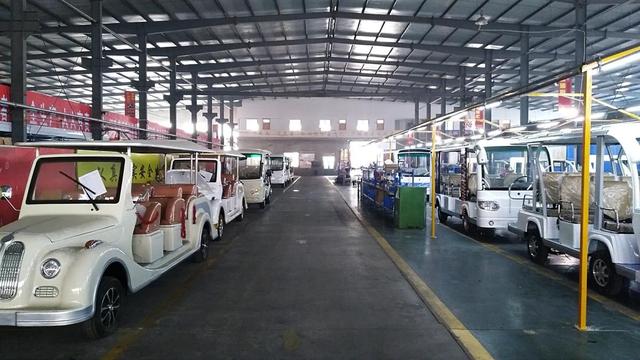
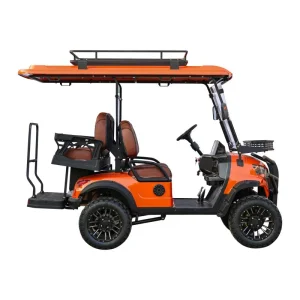
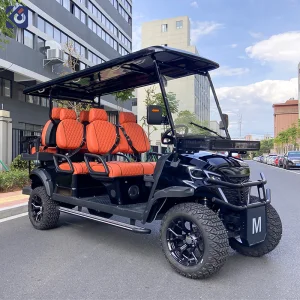
Explore our specialized transit models, off-road utility carts, and long-range solar-assisted buggy platforms.

 Kabar Golf