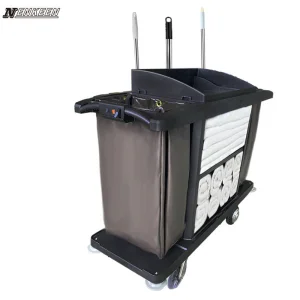
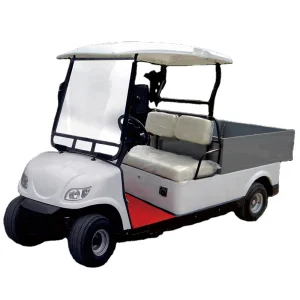
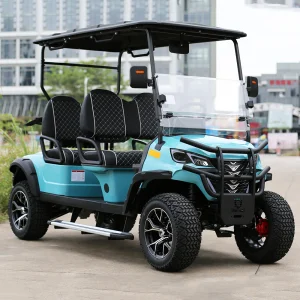
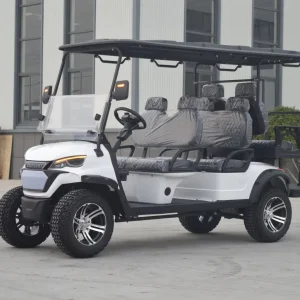
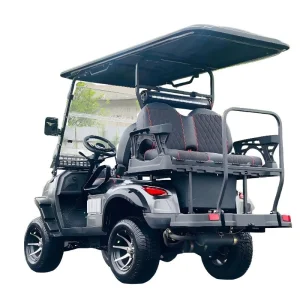
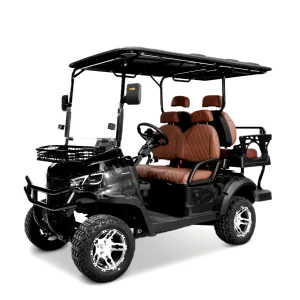
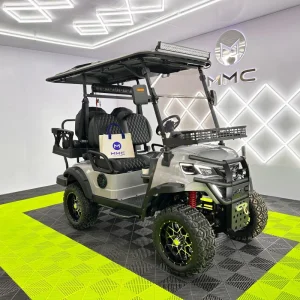
In the demanding environments of modern event logistics, heavy industry, hospitality operations, and premium leisure spaces, electric utility transport carts act as the critical backbone of moving assets, materials, and crowds. Below is our featured selection of state-of-the-art utility trucks, multi-passenger golf carts, and custom aluminum transportation models engineered for robust performance and high energy density.
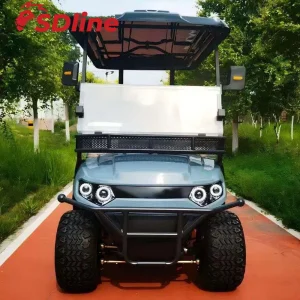
In the current global economic framework, macro-logistics and micro-mobility have converged. Large-scale venues—ranging from mega convention centers and luxury resorts to remote mining installations and automotive testing complexes—have encountered massive efficiency bottlenecks in interior and exterior transport systems. Historically, internal combustion engine (ICE) utility carts dominated these operational tasks. However, heavy fleet footprints, high operational fuel expenses, and zero-emission policies have catalyzed an irreversible pivot toward commercial-grade electric micro-mobility.
Modern event transportation carts are no longer simple modifications of standardized golf buggies. They represent specialized multi-functional industrial platforms. As structural demands diversify, OEMs and ODMs must build chassis architectures using high-strength structural alloys (such as 6000-series marine-grade aluminum templates) to resist saline corrosion in tropical resorts and withstand chemical exposure in heavy industrial warehouses.
A transitions study indicates that switching from a traditional lead-acid fleet to customized smart lithium-ion utility transport carts delivers a 38% reduction in Total Cost of Ownership (TCO) over a 5-year operational cycle, driven primarily by regenerative braking efficiencies, zero watering maintenance requirements, and weight reductions of up to 150 kg per vehicle.
Integration of premium LiFePO4 battery modules offering active temperature management systems, ensuring safe, long-range operations across outdoor landscapes.
IoT tracking architectures supporting geofencing, remote battery state-of-health diagnostics, speed limitations, and automated dispatch workflows.
Chassis configurations matching flexible storage setups, hydraulic payload dump boxes, luxury executive seating, and medical emergency compartments.
Procurement executives and fleet operations directors are moving away from legacy retail specifications. Evaluating industrial class performance requires deep insight into structural parameters, powertrain configurations, and regulatory compliances:
Brushless AC motors (typically 3.5KW to 7.5KW ratings) represent the benchmark for reliable fleet logistics. Unlike DC configurations, AC powertrains provide regenerative braking systems—capturing kinetic energy during descents and converting it back to battery storage. This increases overall operational range by up to 15%. Additionally, they require no brush replacements, eliminating mechanical maintenance downtime.
While powder-coated steel chassis architectures represent a lower initial capital expenditure, they deteriorate rapidly in high-humidity or coastal locations. Heavy-duty event transportation carts engineered with 6061-T6 structural aluminum frames maintain high payload-to-weight ratios and provide lifetime corrosion immunity. This ensures structural longevity in extreme marine climates, chemical warehouses, and underground mines.
Navigating regional compliance is critical for street-legal deployments. Vehicles must align with DOT (Department of Transportation), LSV (Low-Speed Vehicle) regulations in North America, and EEC/CoC certifications in the European Union. Procurement mandates require high-intensity LED light systems, 3-point seatbelts, automotive-grade laminated windshields with wipers, and dual-braking networks.
Global logistics networks face regular disruptions. To mitigate this risk, global buyers prioritize suppliers backed by resilient regional supply chains, automated manufacturing facilities, and deep vertical integration. Shenzhen Kabar Golf Co., Ltd., established in 2014, represents this manufacturing standard in the field of electric utility micro-mobility.
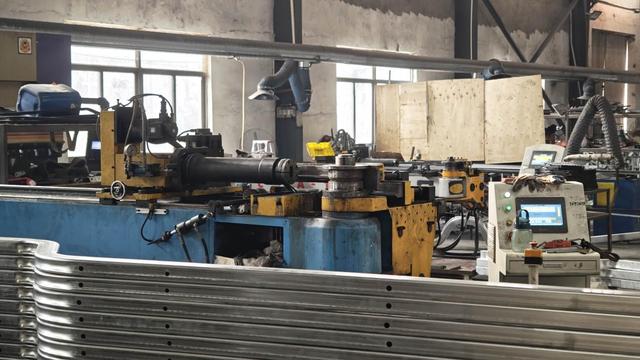
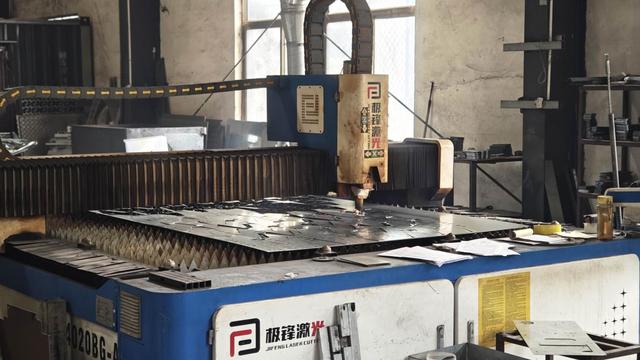
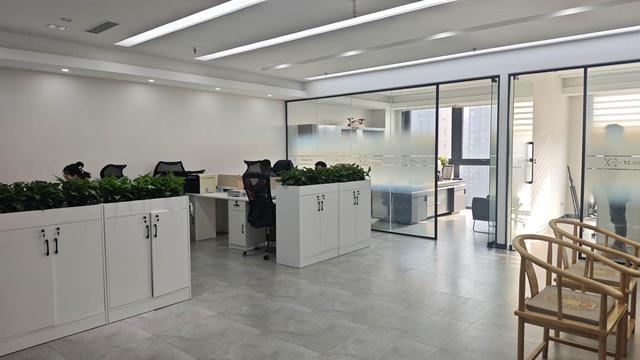
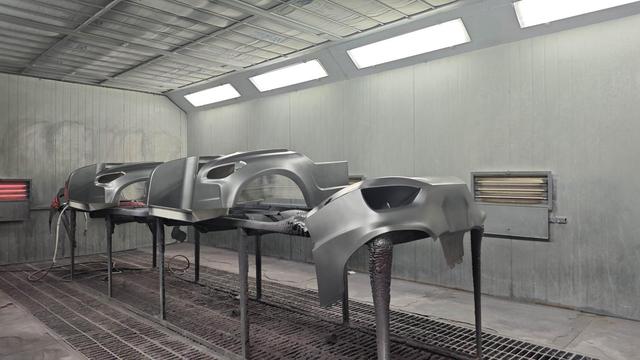
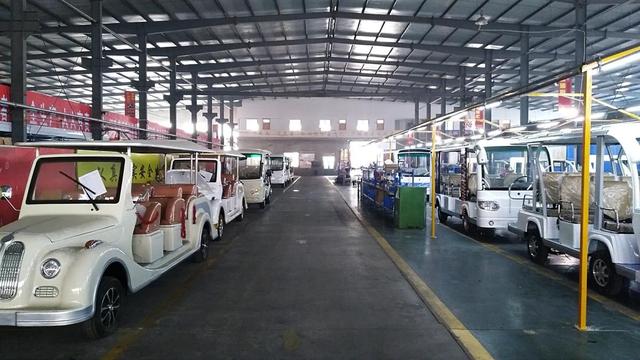
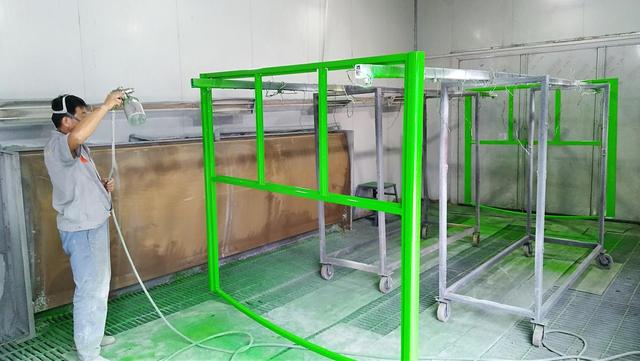
Operating from an advanced production facility spanning over 18,000 square meters in Shenzhen, Guangdong—the silicon valley of hardware and battery innovation—Kabar Golf utilizes the region's concentration of tech resources. With a dedicated workforce of over 220 skilled engineers, metallurgists, and assembly technicians, the company integrates advanced manufacturing setups, computerized control testing, and semi-automated frame assembly. This allows them to guarantee high dimensional precision and structural longevity across their vehicle lines.
Because they are located in Shenzhen, Kabar Golf maintains direct, stable access to tier-one lithium cell manufacturers, motor controller developers, and precision metal fabrication centers. This ecosystem minimizes component transport delays and enables them to offer agile OEM and ODM services. These customization capabilities range from custom seating configurations and bespoke brand matching to full structural modifications, helping them meet the distinct regulatory requirements of international buyers.
Quality management is integrated throughout every stage of production at Shenzhen Kabar Golf Co., Ltd., from component sourcing and vehicle assembly to rigorous static testing, incline climbing trials, and final pre-export inspection. View our manufacturing operations and technology integration processes below:
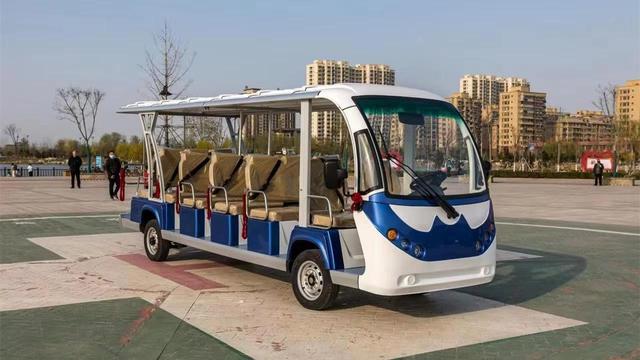
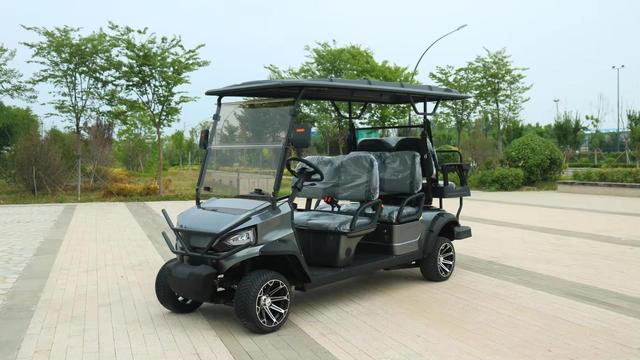
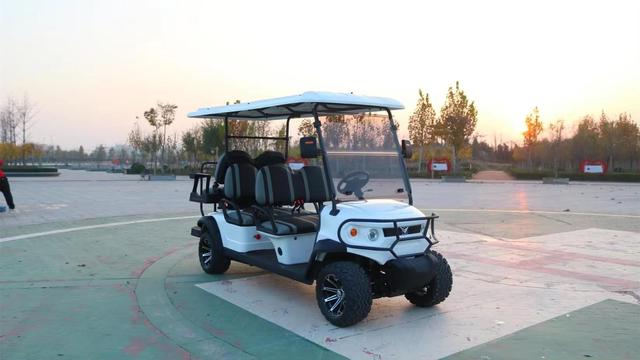
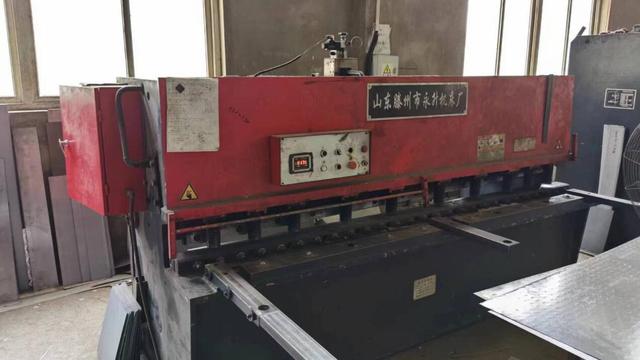
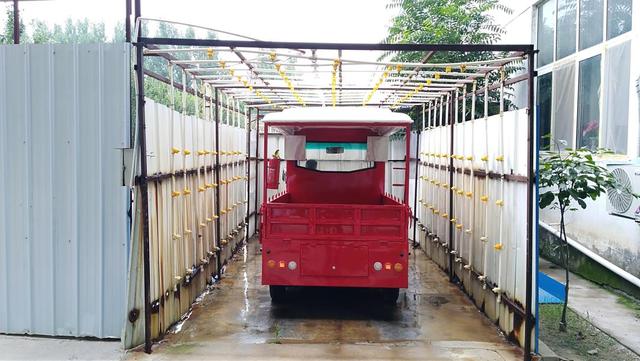
Operational environments require unique equipment configurations. Standardized, one-size-fits-all vehicles struggle to meet these diverse needs. Understanding localized application demands is key to ensuring fleet safety, speed, and reliability:
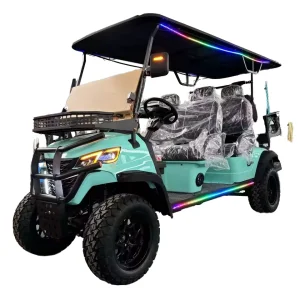
Focuses on silent operation, high passenger comfort, and visual luxury. Vehicles are equipped with acoustic dampening suspension, soft overhead canopies, and high-performance AC drivetrains to handle steep pathways in scenic campsites and coastal hotels.
Requires heavy payloads, impact-resistant bumpers, and modular flatbed configurations. High-performance cargo utility trucks carry heavy tools, maintenance equipment, and raw components across expansive distribution centers.
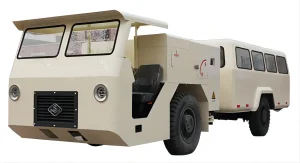
Demands explosion-proof designs, heavy-duty underground certifications, reinforced structural roll-cages, and high-clearance wheelbases to ensure crew safety during deep underground mining excavation operations.
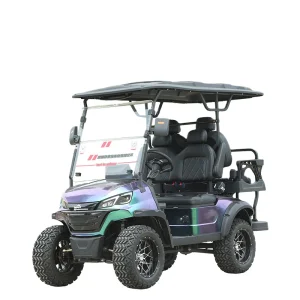
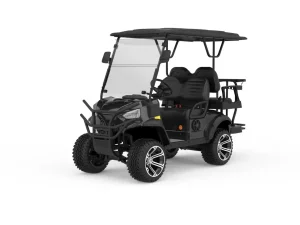
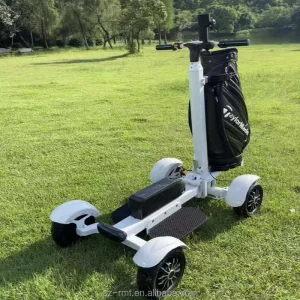
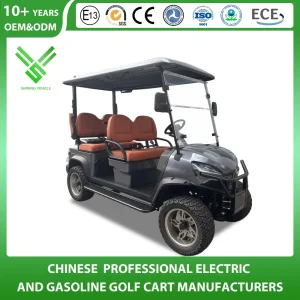
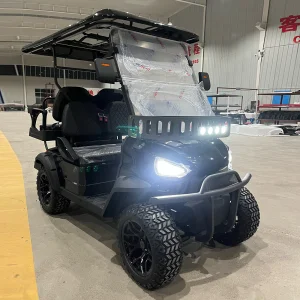
Below is our second set of high-efficiency utility and transportation vehicles, including off-road passenger carriers, heavy-duty mining platforms, and high-performance resort transport carts.
We answer the most common questions raised by engineering teams, global procurement managers, and municipal fleet operators before placing volume custom orders:
 Kabar Golf