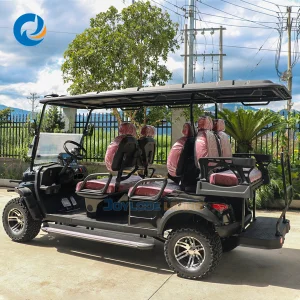
Explore our engineering-driven range of low-impact utility transport, custom-configured golf vehicles, and high-efficiency electric buggies.
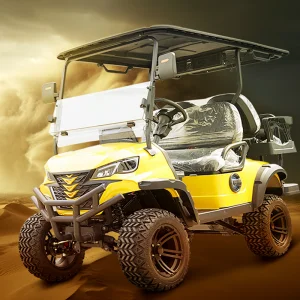
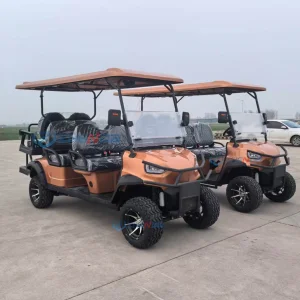
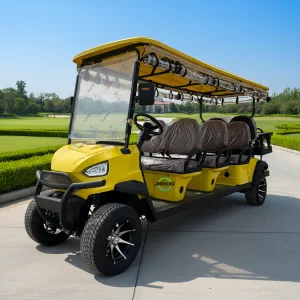
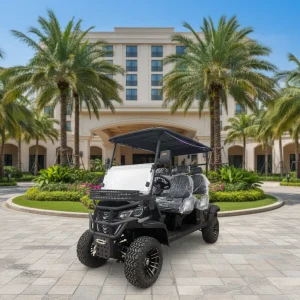
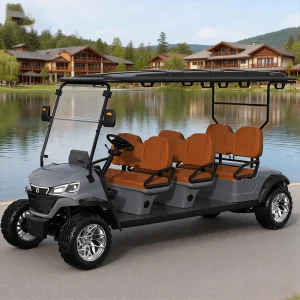
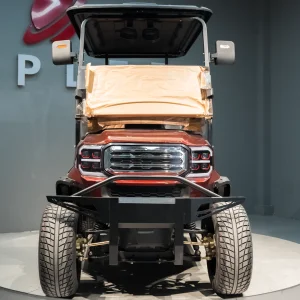
An Analysis of Eco-Conscious Fleet Optimization, Soil Protection Dynamics, and Electric Power Transitions
The global golf course and commercial resort operations landscape is experiencing a paradigm shift. Modern turf management is no longer merely about aesthetic maintenance; it is an optimized science balancing turf agronomics, zero-emission logistics, and strict operational efficiency. As municipal standards tighten worldwide, facilities are replacing old combustion systems with high-efficiency utility and maintenance vehicles to significantly lower their carbon footprint.
In regions such as North America and Europe, golf course superintendents face strict regulations regarding ground compaction and carbon emissions. Heavy machinery poses a risk to delicate grass root structures. Consequently, manufacturers have engineered specialized low-pressure chassis and tire configurations to distribute weight evenly. The transition to electric-powered utility vehicles (EUVs) addresses these agronomic concerns while simultaneously eliminating fluid leaks, minimizing noise pollution during play, and reducing overall maintenance overheads.
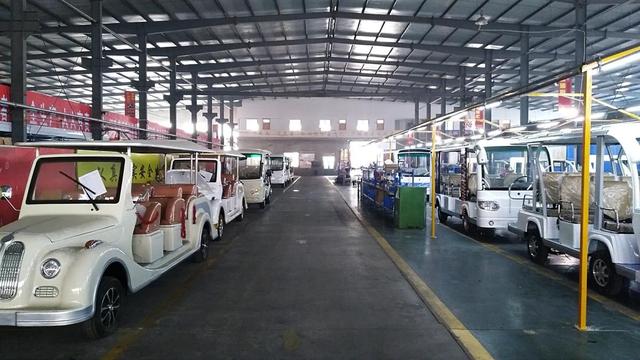
Established in 2014 and operating from a state-of-the-art facility in Shenzhen, Guangdong, China, Shenzhen Kabar Golf Co., Ltd. is a leading specialist in the design, engineering, and global export of high-performance electric golf carts and specialized utility vehicles. Spanning an 18,000 square meter production facility staffed by over 220 specialized workers, the company has integrated advanced manufacturing and testing processes to ensure every vehicle meets rigorous international standards.
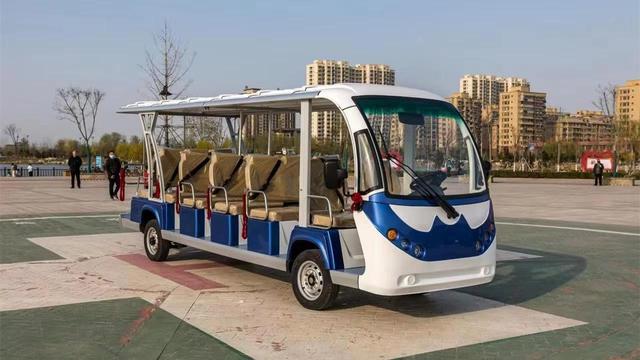
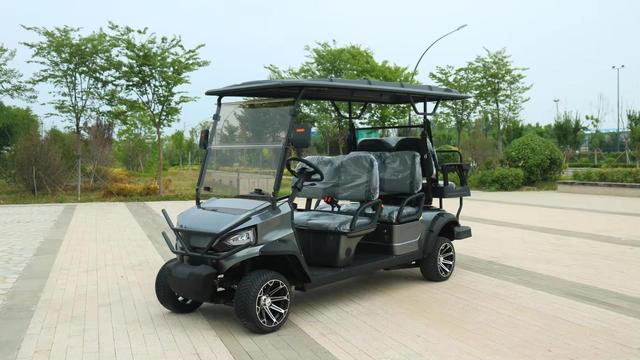
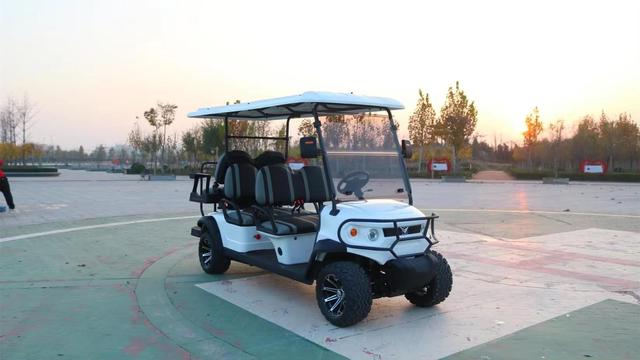
Kabar Golf's expansive product portfolio includes advanced passenger transports, rugged cargo utilities, resort shuttle carts, street-legal electric vehicles, and custom-engineered industrial park patrol vehicles. By utilizing advanced AC controller architectures, high-discharge lithium-ion battery modules, and intelligent battery management systems, Kabar Golf provides modern solutions that enhance operational productivity while supporting global decarbonization initiatives.
Substantial R&D investment guarantees cutting-edge battery management systems (BMS), high-output AC motors, and robust composite body constructions.
Offering versatile OEM and ODM capabilities, specializing in bespoke seating options, solar integration, and high-performance off-road chassis configurations.
Every unit undergoes multi-point safety testing, ensuring conformity to CE, EEC, and various international low-speed electric vehicle standards.
The manufacturing ecosystem in Shenzhen, China, offers significant competitive advantages for the production of electric utility fleets. By positioning operations within one of the world's most concentrated clean-energy supply chain hubs, manufacturers enjoy rapid access to premium materials, advanced digital displays, motor controllers, and lithium-ion cells. This integration minimizes lead times and speeds up the delivery of customized vehicle models to global markets.
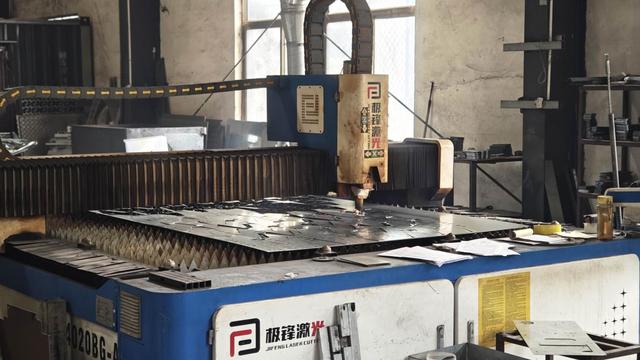
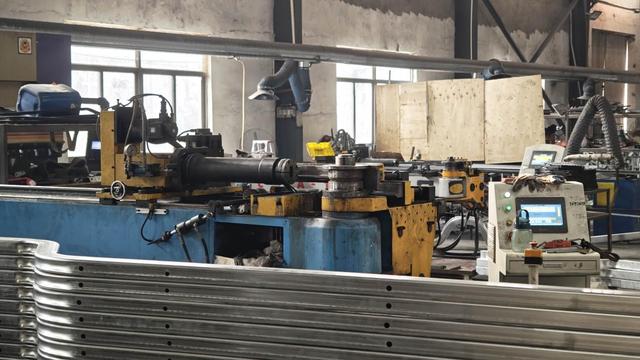
These supply chain efficiencies do not come at the expense of quality. Shenzhen Kabar Golf utilizes automated assembly systems, precise welding robots, and computer-controlled chassis dynos to maintain tight quality tolerances. This ensures high structural integrity and reliable electrical architecture across every vehicle. By streamlining manufacturing and assembly, China-based exporters deliver exceptionally high cost-to-performance value, allowing course managers to maximize their ROI.
While golf courses remain a primary market, modern electric utility vehicles serve a broad range of sectors:
Purchasing managers and fleet directors must evaluate several critical factors before finalizing procurement agreements:
1. Battery Technology & Longevity: The choice between traditional lead-acid batteries and modern lithium-iron-phosphate (LiFePO4) systems determines long-term operating costs. LiFePO4 batteries charge faster, require zero maintenance, and typically deliver over 3,500 charging cycles, offering a much lower total cost of ownership (TCO) despite the higher initial investment.
2. Ground Pressure & Turf Protection: Maintenance vehicles must utilize wide, low-ground-pressure (LGP) tires. This prevents rutting on soft, wet fairways, protecting valuable turf and reducing overall turf maintenance costs.
3. Smart Telematics & Fleet Management: Modern fleets benefit from GPS tracking and real-time battery monitoring. Managers can track vehicle locations, set geofences, monitor battery status, and detect potential system issues before they lead to downtime.
4. Local Regulatory Compliance: Import procedures require verification of regional standards. Fleet buyers must ensure vehicles carry appropriate documentation, such as CE marks for European markets or LSV (Low-Speed Vehicle) street-legal certifications for North American municipalities.
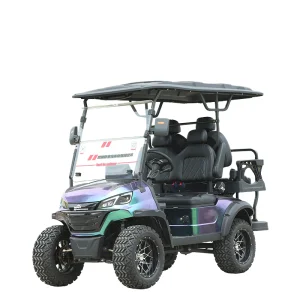
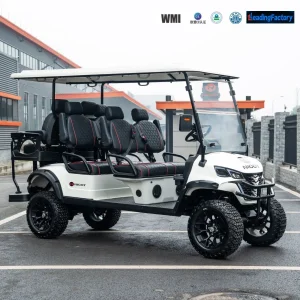
Explore our highly-customized configurations, including heavy-duty off-road, solar-assisted, and multi-passenger utility fleets.
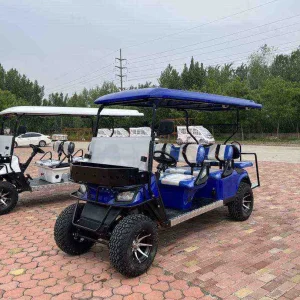
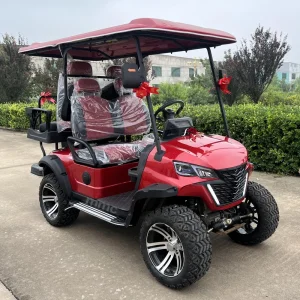
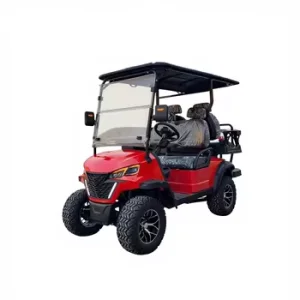
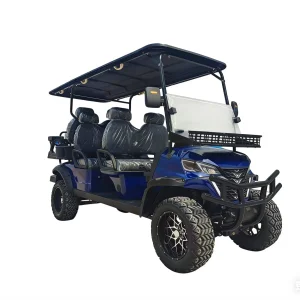
In high-end turf management, selecting vehicles is a matter of agronomic impact. Standard utilities can cause subsoil compaction, which reduces oxygen penetration and slows grass root growth. By analyzing ground pressure parameters, engineering teams develop lightweight, high-tensile structural frames and distribute payloads across multi-axle configurations.
Additionally, modern electric AC induction motors offer precise torque control. Unlike gasoline engines, which can experience wheel slip on wet inclines and tear delicate turf grass, electric controllers apply torque smoothly. This protects the terrain, increases battery efficiency, and reduces power consumption.
Looking ahead, turf care operations will increasingly rely on automated systems. Modern fleets incorporate IoT telemetry sensors that monitor motor temperatures, charge states, and routing histories. These systems allow operators to analyze path patterns and prevent worn "tracks" on popular routes. Geofencing capabilities can also automatically reduce speeds in sensitive zones, protecting both the terrain and facility guests.
Common questions from distributors, procurement officers, and turf managers
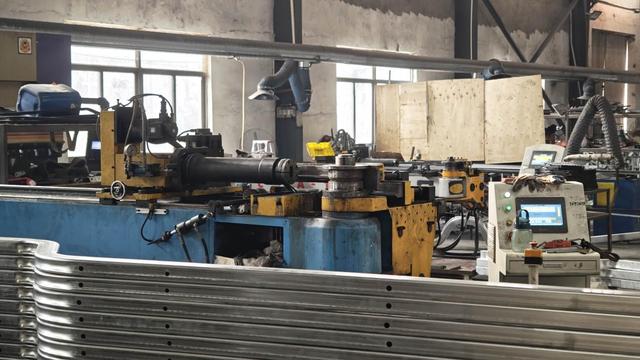
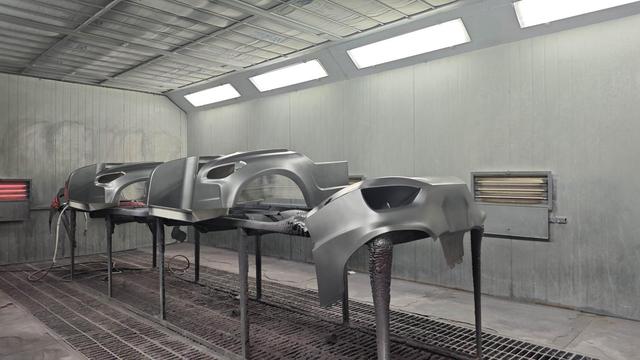
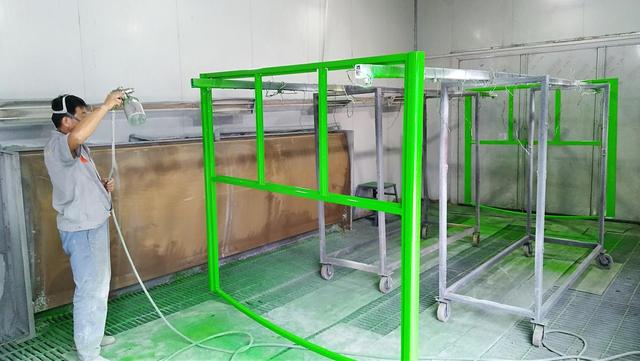
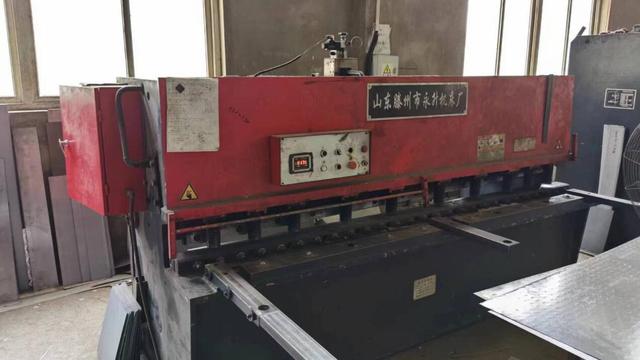
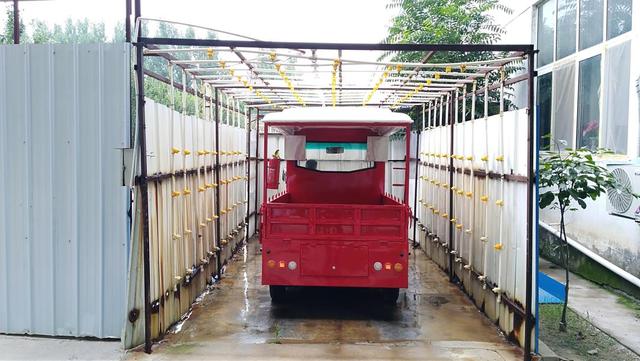
Inside our modern facility in Shenzhen, where advanced materials, precision testing, and high-capacity assembly systems come together.

 Kabar Golf