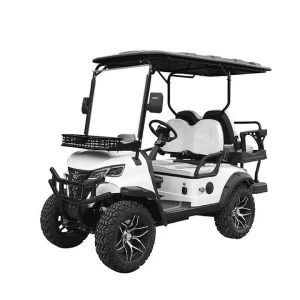
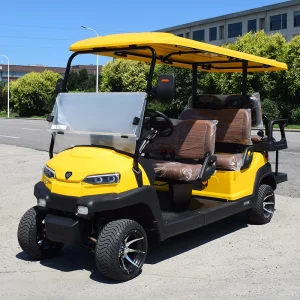
High-performance electric fleets engineered for safety, compliance, and optimized passenger logistics.
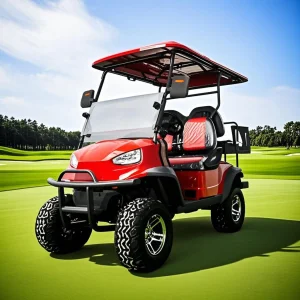
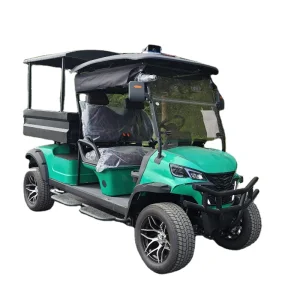
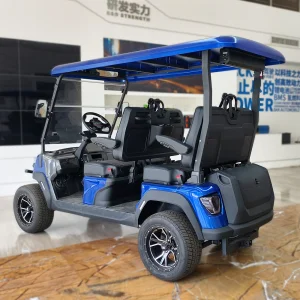
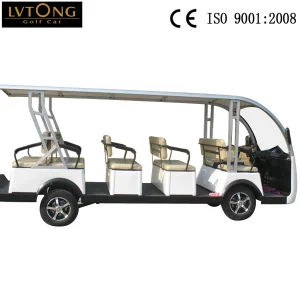
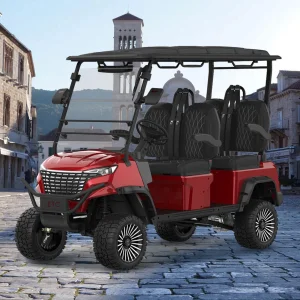
In the modern aviation ecosystem, the efficiency of terminal transport and ground support operations directly translates to airport capacity and passenger satisfaction. As international airports globally pivot toward Net-Zero Carbon emission mandates by 2050, the electrification of airport transportation vehicles has shifted from an environmental preference to a critical compliance imperative. Ground support fleets, intra-terminal VIP shuttles, passenger buggies, and specialized maintenance utility vehicles now require unprecedented levels of structural durability, energy efficiency, and smart fleet coordination.
Airport operations represent a complex micro-climate requiring rapid dispatch, continuous duty cycles, and strict zero-tailpipe emission protocols. Over the last decade, airports worldwide—ranging from major European transit hubs to sprawling Middle Eastern terminals—have modernized their micro-mobility ground fleets. Key drivers such as the International Air Transport Association's (IATA) environmental resolutions and regional airport carbon accreditation (ACA) structures have set stringent mandates on vehicle emissions inside runways, taxiways, and covered concourses.
Electric shuttle buses, utility flatbeds, and multi-passenger buggies represent the frontline of this transformation. For operators, the total cost of ownership (TCO) has become the decisive metric. Traditional diesel or lead-acid systems fail to meet modern demands due to intensive maintenance down-times and short lifecycle capacities. In contrast, heavy-duty smart electric platforms, paired with lithium iron phosphate (LiFePO4) chemistries, offer rapid recharging, minimal downtime, and longer operating lifetimes under heavy continuous loads.
Modern airport transportation goes far beyond standard passenger carriage. Vehicles are now integrated into airport terminal networks via fleet telematics and IoT tracking. Real-time GPS location tracking, battery state-of-health (SoH) diagnostics, and automated geofencing represent critical requirements for security and efficiency. China-based manufacturers have quickly outpaced international competitors by integrating these digital backbones directly into their standard assembly lines, transforming simple carts into intelligent transport units.
By utilizing digital motor controllers, CAN-bus communication modules, and variable regenerative braking systems, these fleets reclaim kinetic energy during terminal stop-and-go operations, extending range by up to 15-20% and reducing battery wear.
When sourcing airport utility vehicles and passenger buggies, global procurement teams naturally look to Chinese industrial centers, particularly the Guangdong-Hong Kong-Macao Greater Bay Area. The explanation lies in the localized integration of the world's most advanced EV battery supply chains, precision manufacturing hubs, and agile R&D engineering clusters.
As a leading exporter in this sector, Shenzhen Kabar Golf Co., Ltd. benefits directly from its location in Shenzhen, the tech capital of China. This proximity enables the immediate sourcing of premium high-density lithium-ion battery cells, brushless AC motors, and intelligent controller units. The efficiency benefits translate directly to customers through:
Understanding user intent and operational reality is key to choosing the correct vehicle class. Airport vehicles operate in highly diverse and specialized micro-environments:
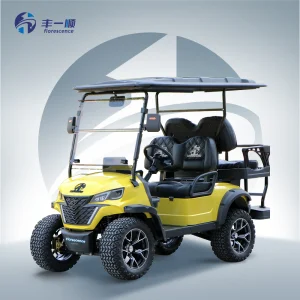
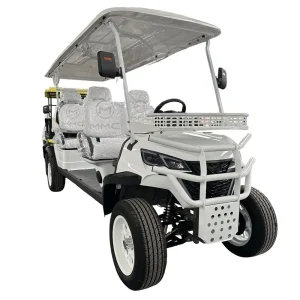
High-end, low-noise multi-passenger buggies configured with premium seating, low step-in heights, and quiet powertrains to transport VIPs and flight crews quickly through security gates and lounge terminals.
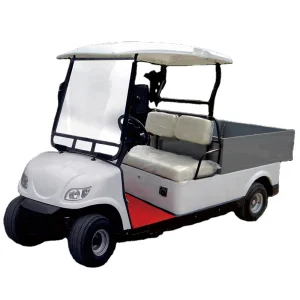
Rugged electric utility flatbeds, heavy-duty cargo boxes, and tow-equipped vehicles built to withstand harsh weather, constant loading, and continuous heavy-tow operations across taxiways.
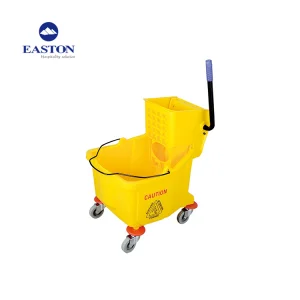
Compact utility vehicles and cleaning trolleys adapted for narrow indoor hallways, duty-free areas, and lounge facilities to maintain terminal sanitation and operational readiness.
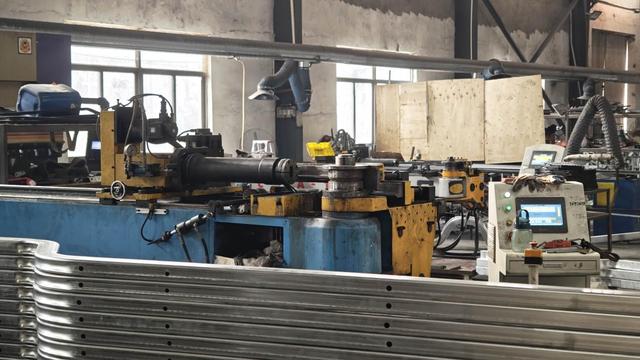
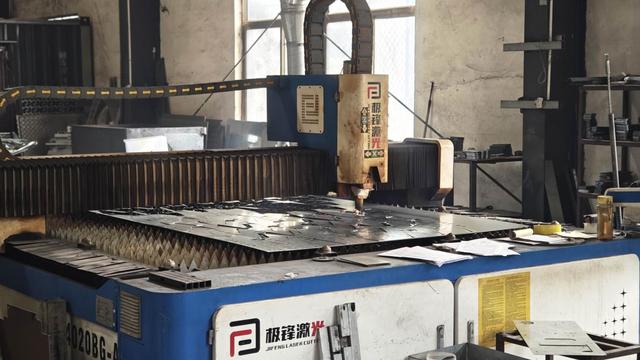
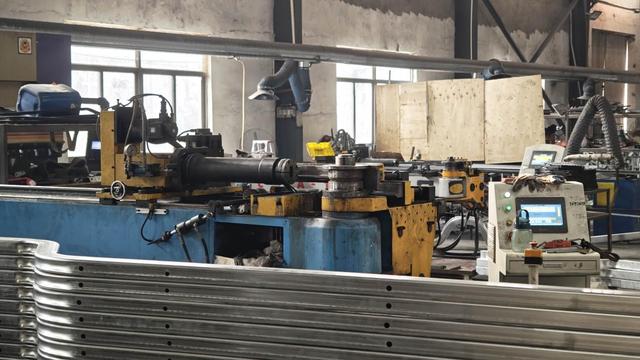
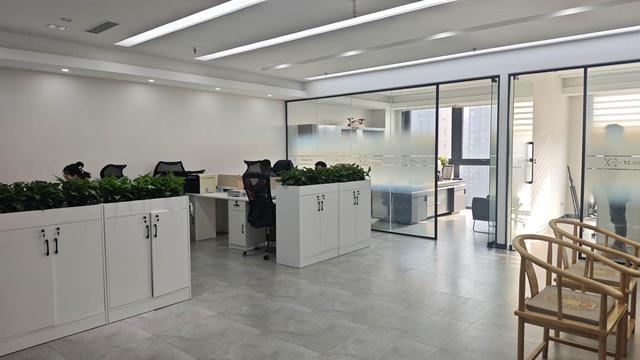
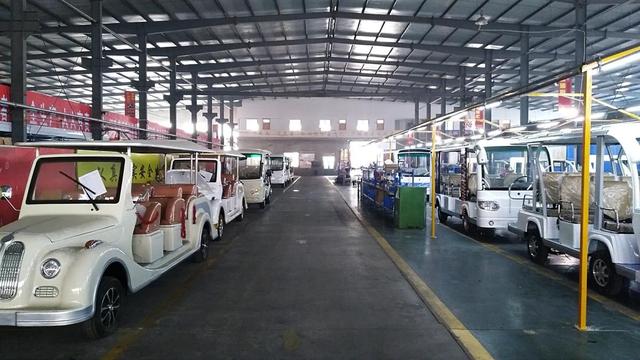
Established in 2014, Shenzhen Kabar Golf Co., Ltd. has grown to become a benchmark manufacturer of electric golf carts, passenger shuttles, and custom utility vehicles in China. Operating out of a modernized facility spanning over 18,000 square meters and employing a dedicated workforce of over 220 professionals, the company manages every step of the vehicle lifecycle, from CAD modeling and structural FEA testing to final international export clearances.
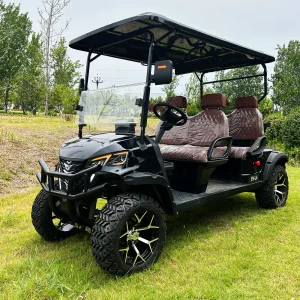
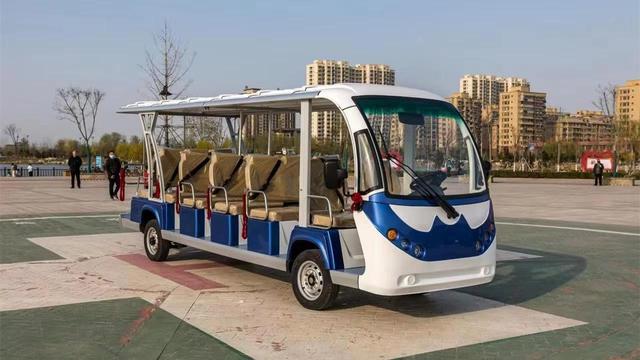
Kabar Golf's R&D department prioritizes vehicle stability, operator ergonomics, and thermal battery safety. Recognizing the unique requirements of airports, resorts, and commercial hubs, Kabar Golf delivers tailored OEM and ODM solutions. Whether configuring an 11-seat premium sightseeing shuttle bus with specialized luggage racks, or engineering an off-road utility cart for airport boundary patrols, Kabar Golf ensures peak performance and regulatory compliance across North America, Europe, the Middle East, and Asia-Pacific.
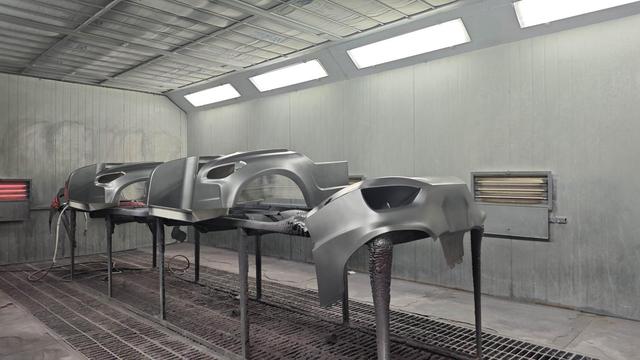
Quality management at Kabar Golf is integrated throughout the production cycle. Every vehicle features an anti-corrosive, electrophoretically dipped steel chassis or high-strength aluminum alloy structural frames, ensuring excellent durability in coastal regions and humid airfield environments.
Electrical systems utilize intellectual property controllers and wiring harnesses insulated to IP65/IP67 waterproof and dustproof standards. The integration of high-cycle life LiFePO4 batteries managed by intelligent BMS boards guarantees safety against thermal runaway, overcharge, and deep discharge cycles.
Designed for durability, long battery range, and specialized commercial operations.

The airport micro-mobility market is evolving rapidly, driven by three key technological shifts:
Historically, lead-acid batteries powered airport GSE and utility carts. Today, advanced 72V LiFePO4 battery platforms are the standard. They provide significant operational advantages: faster charge rates (supporting top-off charging during driver shift changes), zero maintenance (no electrolyte replenishment needed), and exceptional thermal stability, reducing the risk of fires inside airport terminals.
Solar-powered electric utility buggies are becoming increasingly common for outdoor airside and tarmac operations. Integrating photolytic panels directly into the vehicle's roof provides continuous power generation, extending range, reducing reliance on local grid infrastructure, and supporting carbon-neutral terminal operations.
Fleet dispatch managers now require vehicles equipped with CAN-bus integration. This technology allows control rooms to monitor real-time battery status, vehicle speeds, active geofencing boundaries, and mechanical diagnostics, preventing unexpected runtime breakdowns and ensuring terminal safety.
Procuring airport fleets requires careful consideration of technical and regulatory specifications. Sourcing teams should evaluate manufacturers against the following criteria:
Ensure vehicles have CE, DOT, or UL certifications. Road-legal components (such as DOT-certified tires, safety glass windshields, and three-point seatbelts) are critical if vehicles operate on public roads or mixed-use airport corridors.
2. Operational Duty Cycles:Match the battery chemistry and motor power to the environment. Flat interior concourses can use standard 3kW-5kW systems, while hilly outdoor campuses, airport resorts, and high-load towing operations require heavy-duty 7.2kW or AC 72V drivetrains.
Airports require highly customized vehicles. Check if the manufacturer can adapt seating layouts, integrate built-in warning lights, customize cargo bed sizes, or apply custom branding and safety wraps directly at the factory.
4. Battery and BMS Safety:Review the battery safety profile. High-quality systems feature active thermal management, automatic over-voltage cutoff, and a battery management system (BMS) that integrates with the main controller via CAN-bus.
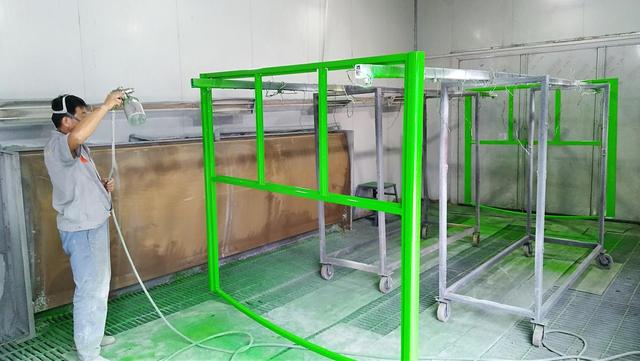
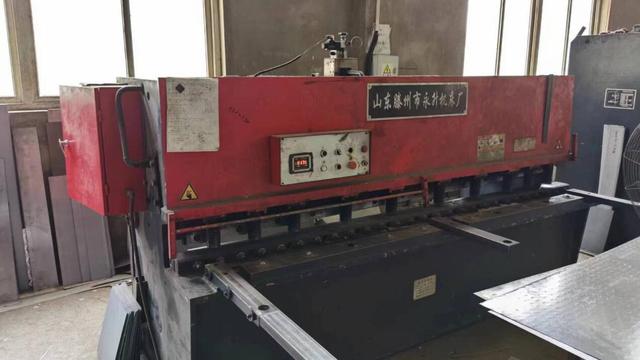
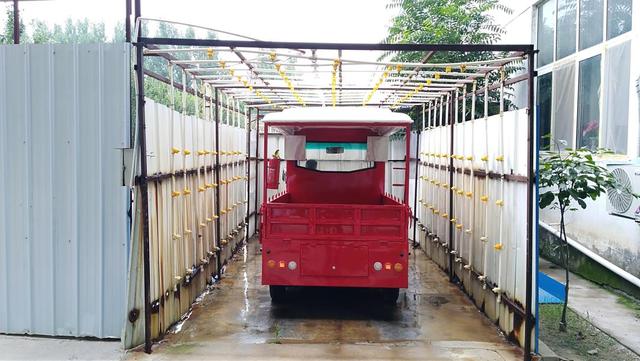
A visual tour of Shenzhen Kabar Golf Co., Ltd.'s 18,000+ square meter production line and testing facilities.
Get authoritative answers regarding electrical compliance, custom designs, warranties, and international logistics.
 Kabar Golf