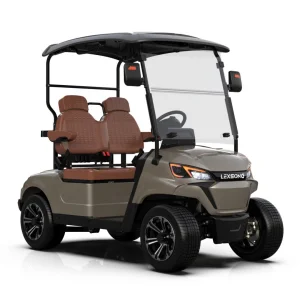
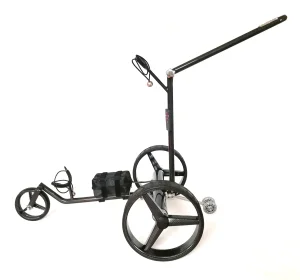
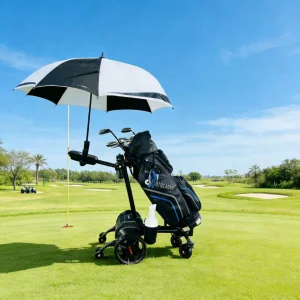
Explore our elite class of smart-connected electric golf carts designed for high operational demand, advanced telematics, and eco-friendly performance in Singapore's commercial and resort hubs.
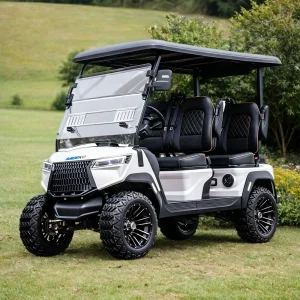
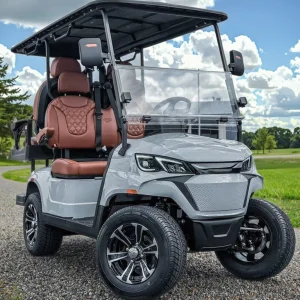
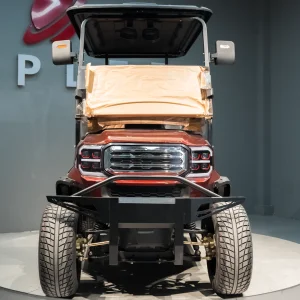
Singapore has positioned itself as one of the most advanced "Smart Cities" in the world. Under the umbrella of the Smart Nation 2030 strategy and the Singapore Green Plan 2030, the demand for carbon-neutral, energy-efficient micro-mobility solutions has surged exponentially. Traditional golf carts, historically limited to simple turf applications, have evolved into Smart Connected Golf Carts—highly sophisticated IoT assets executing last-mile passenger transport, complex cargo operations, and facility management across the city-state.
Whether navigating the exclusive properties of Sentosa Cove, servicing travelers at the high-traffic terminals of Changi Airport, or facilitating green commutes across major university campuses like NUS and NTU, smart electric buggies represent a critical piece of the modern micro-mobility ecosystem. Industry planners are no longer looking for simple buggies; they seek enterprise-grade connected fleets equipped with GPS tracking, geofencing capabilities, high-capacity Lithium Iron Phosphate (LiFePO4) power systems, and remote diagnostics to ensure maximum operational uptime.
Singapore’s tropical climate and urban densification demand robust, weather-resistant vehicle designs. The commercial applicability of smart golf carts spans several distinct vertical markets:
Operating low-speed electric vehicles in Singapore requires strict adherence to local regulatory systems. Unlike other markets, Singapore's Land Transport Authority (LTA) and safety boards enforce rigorous standards:
Given the high heat and humidity of Singapore, lithium batteries must possess exceptional thermal stability. Smart connected golf carts destined for Singapore must use certified LiFePO4 chemistry with advanced Battery Management Systems (BMS) that actively monitor cell temperature, voltage, and state-of-health. Conformance to international standards such as UN38.3, IEC 62133, and compliance with the electrical safety guidelines under Singapore Standard SS 638 are crucial for commercial clearance.
Buggies operated on public paths or designated non-gazetted roads must strictly conform to LTA specifications for Personal Mobility Devices (PMDs) or Low-Speed Electric Vehicles. Key specifications include active speed limiters (often capped at 25 km/h or lower), certified hydraulic braking systems, front/rear LED signaling lights, and audible reversing alarms. Telematics systems can enforce automatic geofenced speed reductions when vehicles enter pedestrian-heavy zones.
As a leading hub for electric vehicle component manufacturing, China provides unparalleled advantages in the production of smart connected golf carts. Partnering with a professional, established manufacturer like Shenzhen Kabar Golf Co., Ltd. offers significant strategic advantages:
True smart integration is more than just adding a screen. It involves a fully integrated electrical and software architecture:
At the heart of the vehicle is an intelligent electronic controller (such as the Wolan system) communicating via CAN-bus architecture. This system continuously monitors vehicle health, motor temperature, and battery draw. Telematics modules stream this data via 4G/5G networks directly to a cloud-based fleet dashboard, allowing facility managers to oversee dozens of carts simultaneously.
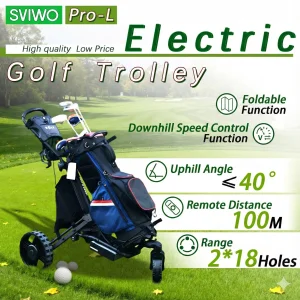
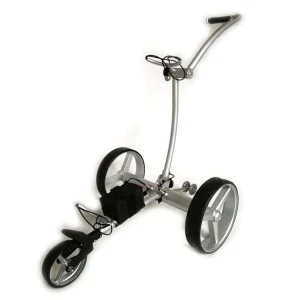
Safety is paramount. High-end configurations include ultrasonic proximity sensors, auto-brake uphill/downhill assist, and integrated GPS with high-definition touchscreen maps. Caddies designed for individual golfers utilize smart auto-follow technology (with gyro trackers and anti-collision LIDAR) to follow players autonomously at safe distances.
Intelligent follow caddies, digital dashboards, and heavy-duty resort transit buggies designed to optimize visitor operations and logistics efficiency.
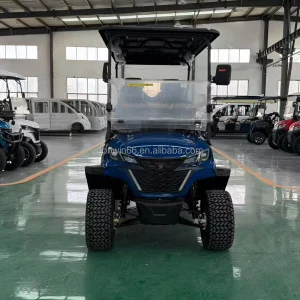
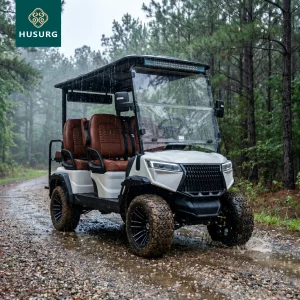
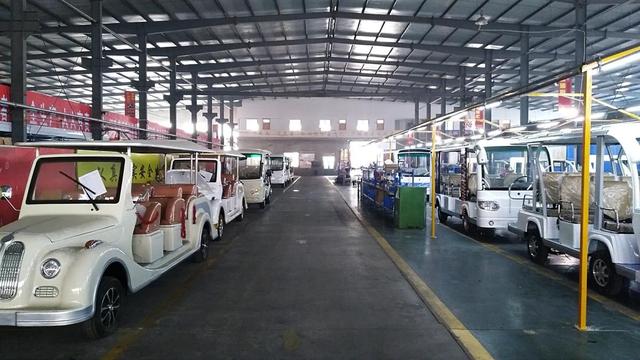
Shenzhen Kabar Golf Co., Ltd., established in 2014, is a premier Chinese manufacturer specialized in research, development, and high-volume production of electric golf carts, utility shuttles, and customized micro-mobility systems. Located in Shenzhen, the silicon valley of hardware, the company occupies a massive modern production plant scaling over 18,000 square meters and housing more than 220 dedicated engineers and assembly specialists.
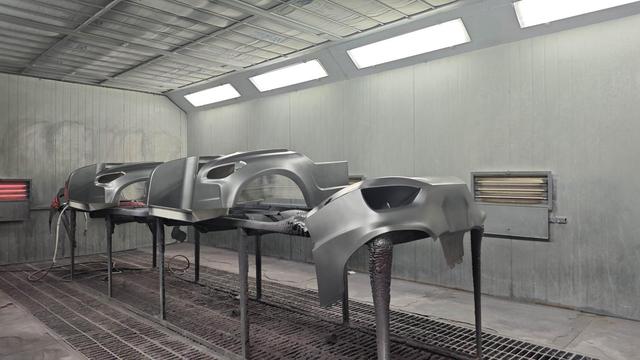
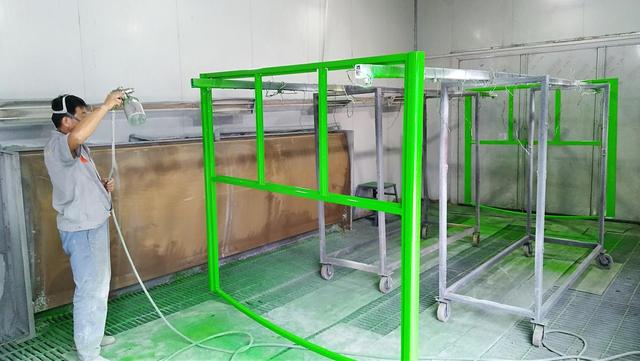
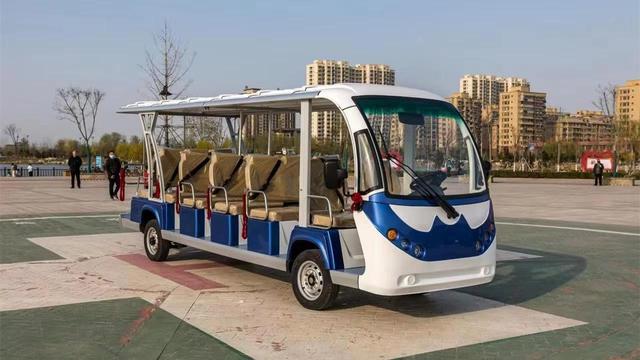
The manufacturing process is backed by ISO 9001 certifications, featuring integrated quality assurance at every stage: from incoming metal sheet quality checks to automated robotic welding, premium weather-resistant painting, electrical wiring safety inspections, and final dynamometer and water-leakage testing. Over the last decade, Kabar Golf has successfully supplied customized mobility solutions to North America, Europe, Australia, the Middle East, and key high-growth hubs in Southeast Asia, with Singapore as a core focus market.
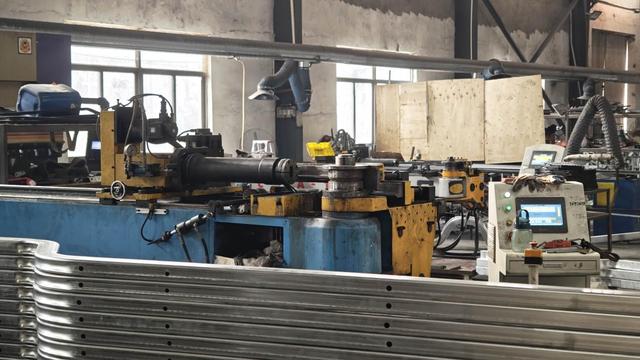
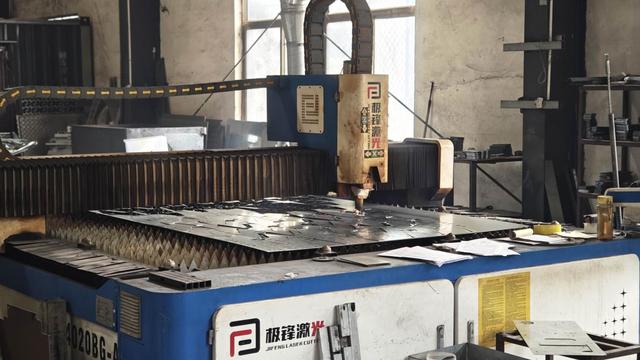
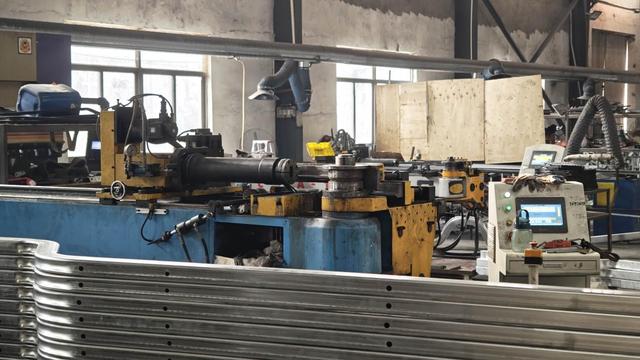

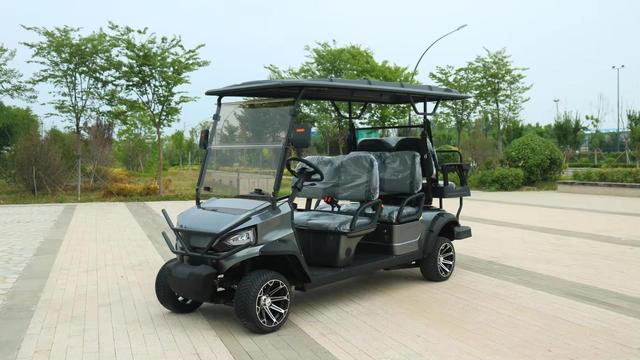
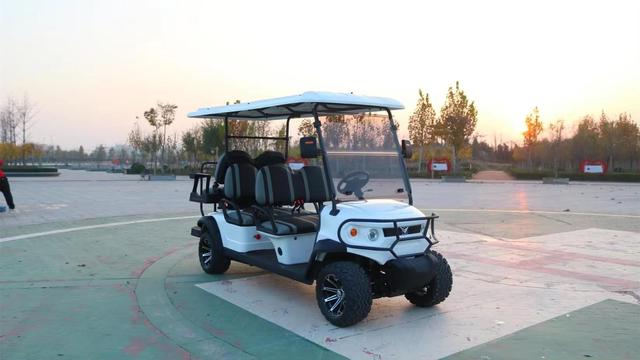
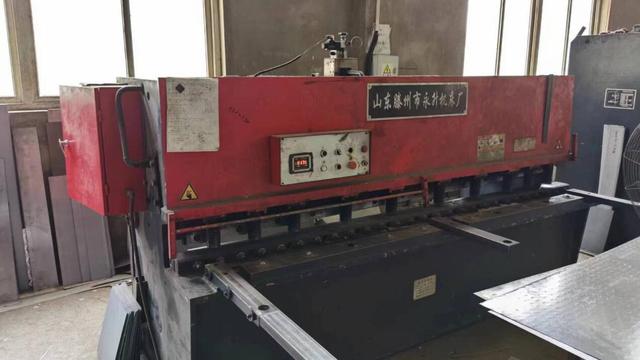
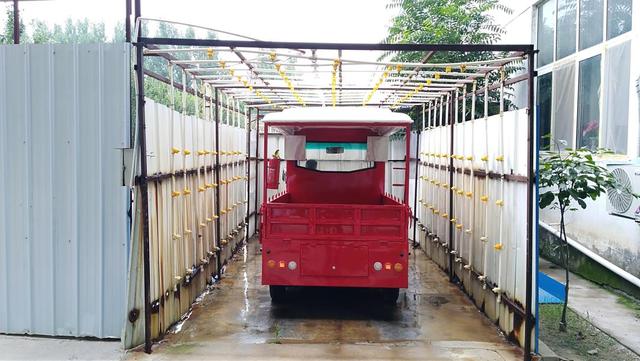
100% Quality Inspected
Our processes are certified under strict international quality guidelines ensuring reliability in Singapore's tropical climate.
For procurement officers in Singapore representing government statutory boards, high-end developments, or corporate campuses, purchasing from Kabar Golf ensures a smooth localization process:
Get detailed technical guidance on importing, operating, and maintaining smart connected electric golf carts within the Singapore market.
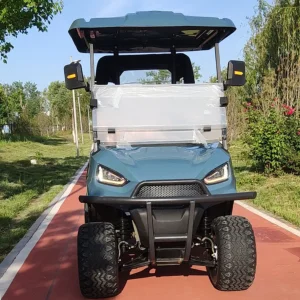
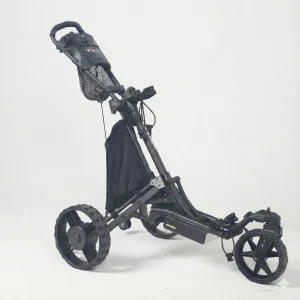
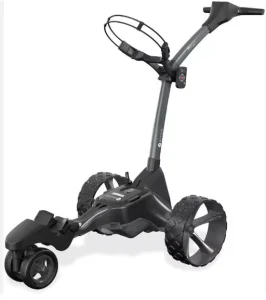
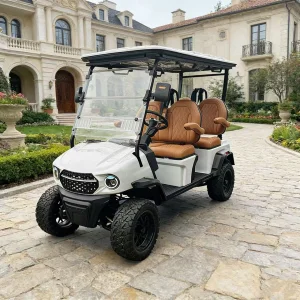
Our comprehensive selection of smart-controlled golf carts, golf caddies, and utility vehicles available for immediate order and global customization.

 Kabar Golf