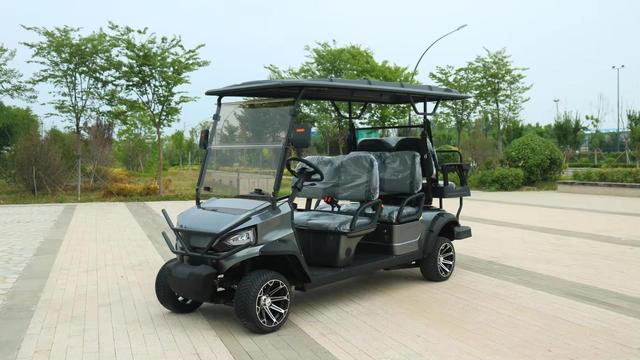
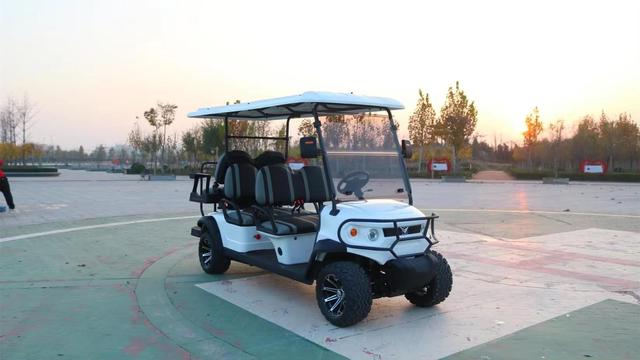
Engineered with high-capacity lithium battery systems and intelligent control architecture optimized for demanding resort and community operations in Japan.
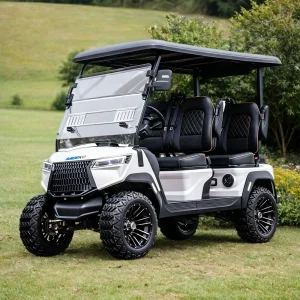
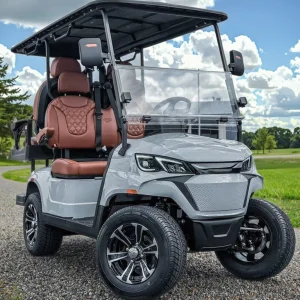
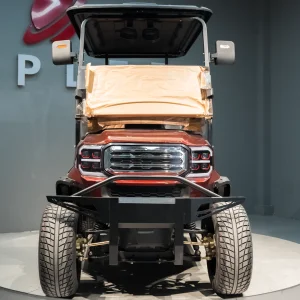
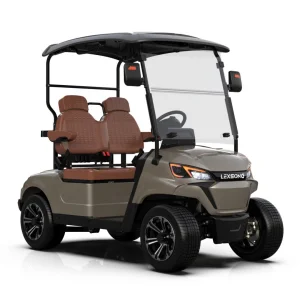
Japan is facing unprecedented demographic shifts, with an aging population ("Silver Society") and labor shortages heavily impacting service sectors, including the golf and hospitality industries. Across Japan's 2,200+ active golf courses, operators are actively transitioning from traditional fleet models to Smart Connected Golf Carts to implement autonomous navigation, remote safety overrides, and digital self-service. By utilizing automated carts with RTK GPS positioning and localized fleet management, golf clubs can maintain operational continuity even with limited caddy availability.
Moreover, the Japanese government’s commitment to decarbonization under the Act on Promotion of Global Warming Countermeasures has accelerated the adoption of zero-emission utility vehicles. Beyond traditional greens, municipalities in Okinawa, Hokkaido, and Shizuoka are integrating connected golf carts as micro-mobility solutions in historic residential zones, senior villages, and hot-spring (onsen) resorts, where narrow pathways demand compact, eco-friendly, and quiet transit options.
Globally, the golf cart has transformed from a simple utility buggy into a complex, connected Internet of Things (IoT) edge device. The global smart golf cart market is expanding at a projected CAGR of over 7.5%, driven by major developments in battery management systems (BMS), high-precision GPS telemetry, and cloud-based fleet monitoring. As operators seek to lower their Total Cost of Ownership (TCO), lead-acid battery configurations are being rapidly replaced by maintenance-free Lithium Iron Phosphate (LiFePO4) packs.
The integration of IoT control units allows real-time diagnostics, geofencing (preventing carts from entering sensitive turf areas or hazardous slopes), remote battery health reports, and keyless entry systems. Modern premium fleets now incorporate High-Definition infotainment consoles capable of display-ads, course navigation map-rendering, and automated food & beverage ordering directly from the fairway. These features turn mobility assets into direct revenue generators for global resort managers.
The core competitive advantage of importing smart connected golf carts from China lies in the unparalleled integration of raw material sourcing, lithium battery ecosystems, and electronic controller innovations found in Southern China's tech hubs, such as Shenzhen. Chinese manufacturers leverage highly integrated supply chains, allowing quick turnaround times from custom CAD drawings to finished functional prototypes.
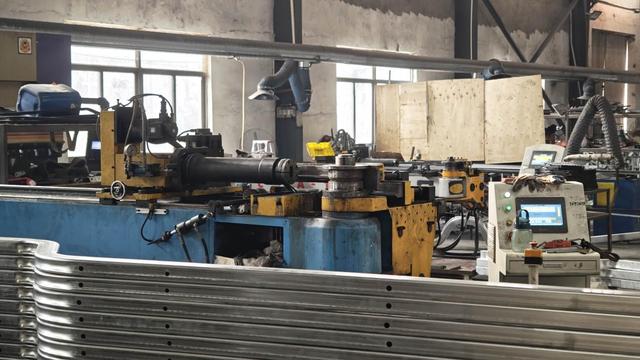
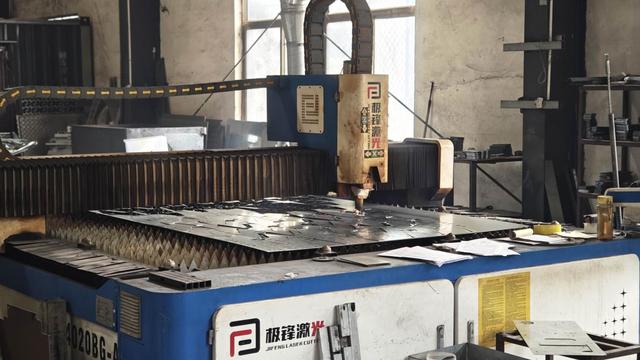
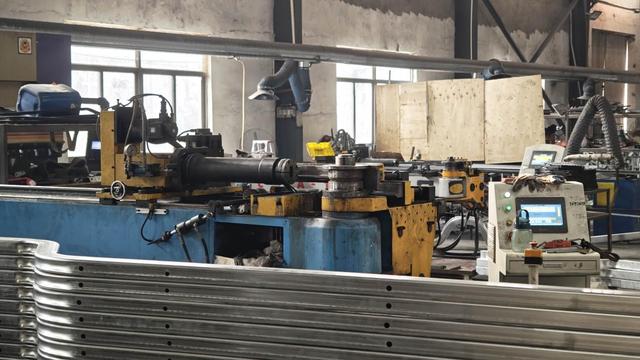
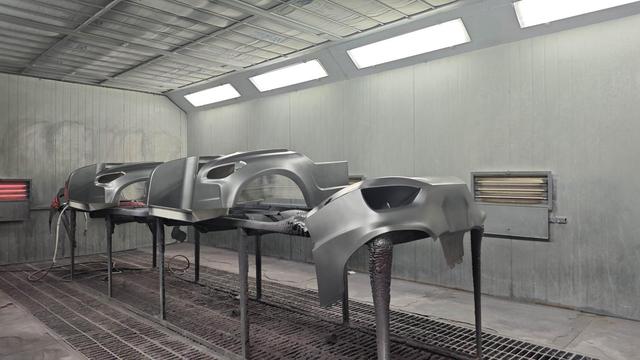
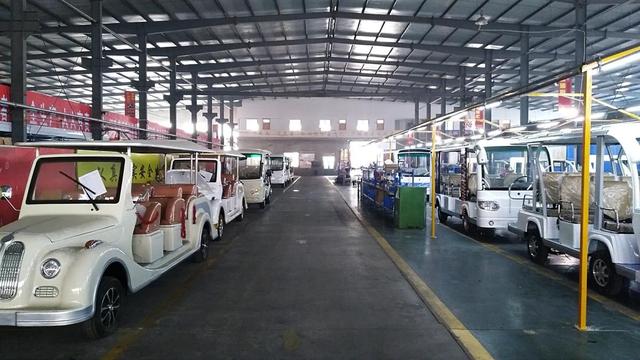
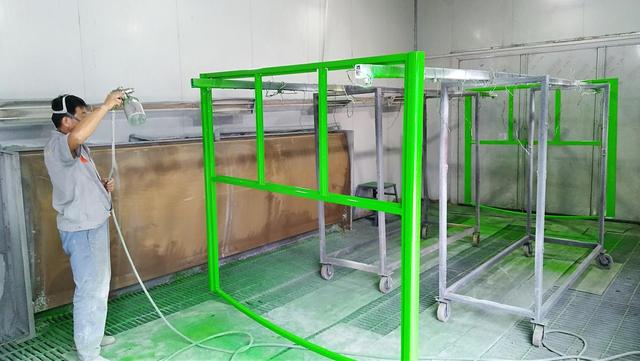
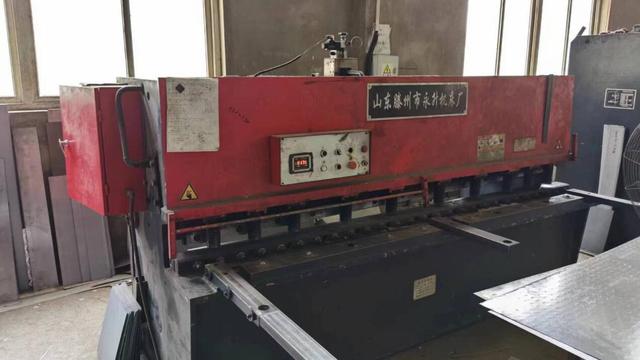
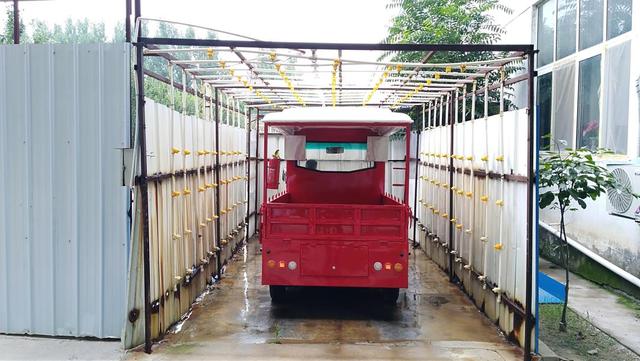
Shenzhen Kabar Golf Co., Ltd. stands as a premier example of this manufacturing capability. Founded in 2014, Kabar Golf operates a massive 18,000+ square meter modern production base with a highly trained workforce of over 220 employees. This vertical integration allows for rigorous quality control across all vehicle stages: from robotically welded high-tensile carbon-steel chassis to intelligent motor controller programming and salt-spray testing for coastal environments.
For Japanese importers, purchasing directly from a specialized factory ensures high quality at competitive costs. OEM/ODM customization is also available to adapt configurations for Japanese regulations, including narrow vehicle width profiles, localized charging plugs, and specific suspension systems for steep terrains.
How Japanese business entities, resorts, and municipal bodies utilize smart connected electric buggies to solve complex local logistical challenges.
Designed with high-torque 72V lithium drivetrains, down-hill speed controls, and heavy-duty electromagnetic braking systems to navigate steep golf courses in Nagano, Hokkaido, and Shizuoka safely.
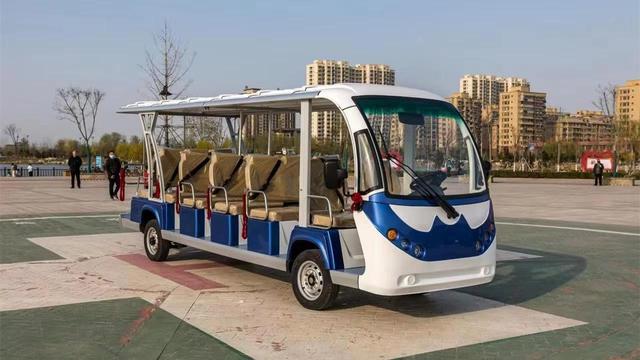
Perfect for historical ryokan districts and nature sanctuaries. Zero emissions and ultra-low noise levels maintain quiet environments for visitors while providing reliable point-to-point transit.
Used in large commercial offices, factories, and university grounds to transport staff. Vehicles are equipped with smart fleet-tracking software and real-time mapping for easy management.
Equipped with step-in designs, handrails, and simple digital dashboard interfaces to provide safe micro-mobility services for older residents in suburban developments.
For procurement managers in Japan, Europe, and North America, selecting a reliable manufacturer is key to fleet security and longevity. Evaluation criteria must prioritize quality assurance at every stage of production. A professional factory audit evaluates components like the chassis welding quality, the performance of the integrated electric control system, the efficiency of the thermal runaway protection within the lithium battery packs, and the ingress protection (IP65+) of the onboard electronics.
An established supplier should offer complete end-to-end OEM and ODM support, allowing buyers to customize branding, adjust passenger seating options (ranging from 2-seat buggies to 8-seat shuttles), choose right-hand or left-hand drive configurations, and integrate specialized cargo accessories. Reliable exporters like Kabar Golf ensure after-sales support by maintaining spare parts inventories and offering direct engineering consultations to reduce downtime.
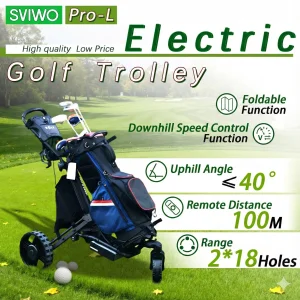
Browse our selection of heavy-duty utility vehicles, personal remote-control caddies, and multi-passenger campus shuttles configured for international delivery.
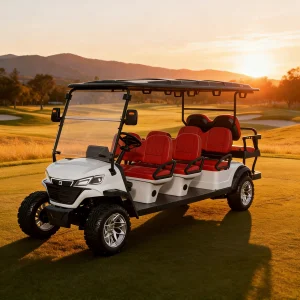
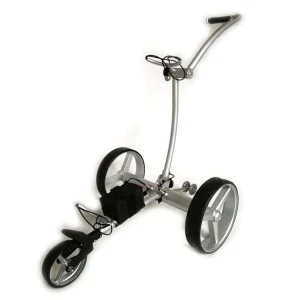
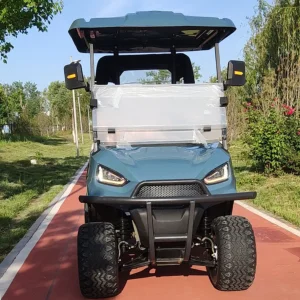
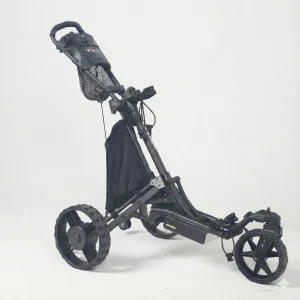
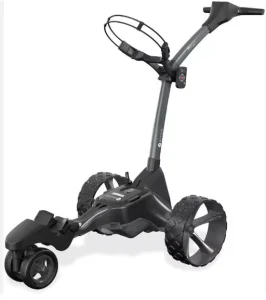
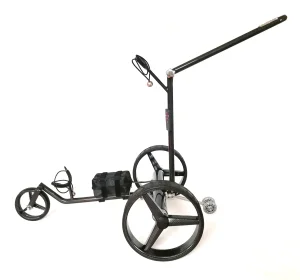
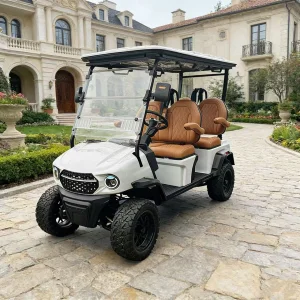
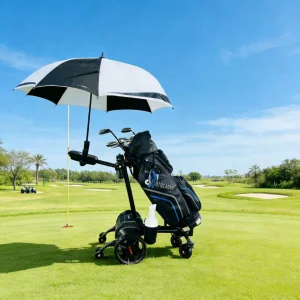
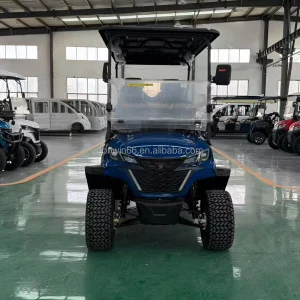
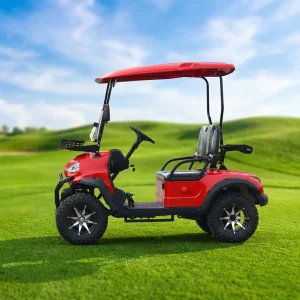
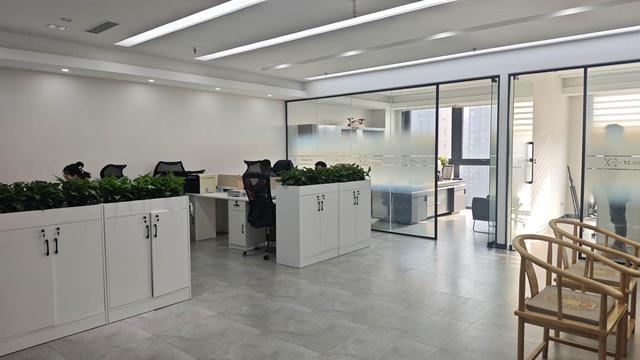
Shenzhen Kabar Golf Co., Ltd. is a professional electric golf cart manufacturer located in the high-tech development zone of Shenzhen, Guangdong, China. Established in 2014, the company specializes in the research, development, manufacturing, and export of electric golf carts, utility vehicles, and customized mobility solutions for global customers. With a modern production facility covering more than 18,000 square meters and a workforce of over 220 employees, Kabar Golf has developed into a reliable supplier serving golf courses, resorts, hotels, industrial parks, residential communities, airports, campuses, and commercial facilities worldwide.
The company's product portfolio includes electric golf carts, passenger transport vehicles, utility carts, cargo vehicles, resort shuttle carts, street-legal electric vehicles, fleet transportation solutions, and customized mobility vehicles. Designed with a focus on efficiency, comfort, safety, and sustainability, Kabar Golf products help customers improve transportation operations while reducing environmental impact.
Supported by an experienced engineering and R&D team, Shenzhen Kabar Golf continuously invests in vehicle innovation, battery technology, intelligent control systems, and ergonomic design. The company offers comprehensive OEM and ODM services, including vehicle customization, branding, color matching, seating configurations, accessory integration, and private-label manufacturing to meet the diverse requirements of international markets.
Quality management is integrated throughout every stage of production, from component sourcing and vehicle assembly to testing and final inspection. Advanced manufacturing equipment and strict quality control procedures help ensure consistent product performance and reliability. With products exported to North America, Europe, the Middle East, Southeast Asia, Australia, and other regions, Shenzhen Kabar Golf Co., Ltd. is committed to delivering dependable electric mobility solutions and long-term value for customers worldwide.
Essential insights on specifications, Japanese import compliance, custom options, and logistics management.
Compared to traditional lead-acid batteries, Lithium Iron Phosphate (LiFePO4) batteries offer significant advantages: they last up to 5 times longer (exceeding 3,500 charging cycles), require no maintenance, and are much lighter. This weight reduction protects turf on Japanese golf courses and lowers power consumption during steep hill climbs.
Yes, our standard export units comply with international CE and ISO9001 regulations. For public road use in Japan, we configure customized lighting kits (including turning signals, license plate brackets, and specific reflectors) to align with local micro-mobility and street-legal standards.
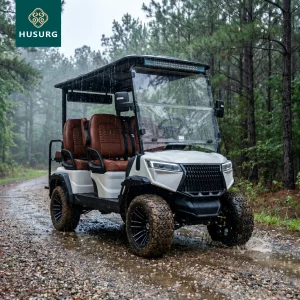
Yes. For locations in Nagano or Hokkaido, we can equip vehicles with winterization packages. These include insulated battery heating systems to prevent range loss, off-road tread patterns for improved grip, and clear weather enclosures.
Our smart carts feature a 4G/GPS telematics module that connects directly to a cloud dashboard. This allows operations managers to monitor battery levels in real-time, track vehicle locations, set geofenced speed limits for sensitive areas, and run remote diagnostics to streamline maintenance.
Standard manufacturing lead times range from 25 to 35 days, depending on customization options. Shipping from Shenzhen to major Japanese ports like Tokyo, Yokohama, Kobe, or Osaka typically takes 7 to 10 days, making our supply chain highly responsive.
We offer a comprehensive warranty covering the frame, motor, and controller, along with a 5-year warranty on our lithium battery packs. We also maintain a stock of spare parts ready for express shipping to prevent operational delays.
Our advanced smart carts support RTK-GNSS positioning modules, obstacle detection sensors, and automated driving controls. This allows operators to run carts along pre-mapped routes on a fixed track—ideal for closed resorts and campuses.
Our mountain-optimized configurations use automatic electromagnetic parking brakes (EMB). When the vehicle comes to a stop on a slope, the EMB engages automatically to prevent rolling back, ensuring safety for passengers.
Contact our product engineers today to discuss custom configurations, get direct-from-factory pricing, or request a detailed OEM/ODM catalog tailored for the Japan market.
Send Inquiry Now Kabar Golf