Optimized low-speed electric configurations engineered for tropical climates, community monitoring, and last-mile delivery services.
The global transition toward sustainable micro-mobility has found a crucial focal point in the heart of Southeast Asia: the Bangkok Metropolitan Region. As one of the world's most dynamic and densely populated urban centers, Bangkok is executing structural shifts to decarbonize its transport frameworks under the Thai government's ambitious "30@30" EV Policy. While large-scale battery electric vehicles (BEVs) receive significant media attention, it is the Neighborhood Electric Vehicle (NEV) sector that is quietly addressing the structural inefficiencies of short-range urban transit, closed-loop community transport, and enterprise estate logistics.
Unlike conventional automobiles, NEVs—typically classified under low-speed vehicles (LSVs) with speeds capped below 40-50 km/h—provide a highly target-efficient alternative. They consume significantly less energy per passenger-kilometer, feature reduced physical profiles suitable for Bangkok's complex street networks ("sois"), and offer zero tailpipe emissions. This is critical for mitigating the localized particulate matter (PM2.5) concentrations that regularly affect the Bangkok air basin during seasonal atmospheric inversions.
In addition to environmental considerations, the financial utility of NEV deployment is compelling. By transitioning internal combustion shuttle fleets in resorts, industrial parks, and luxury residential projects to smart electric alternatives, operators achieve up to an 85% reduction in energy expenditure and a 60% decrease in preventative maintenance costs. This white paper analyzes the technical parameters, regulatory landscapes, commercial applications, and supply channels supporting the procurement of premium NEVs in the Bangkok market.
Bangkok's transition to a smart metropolis relies heavily on grid-connected, low-speed transport to bridge the gap between high-capacity mass transit hubs and residential zones.
High-efficiency brushless DC motors and lithium-iron phosphate chemistries guarantee duty cycles exceeding 8 hours of continuous operation in severe tropical heat.
Our platforms are customized to meet both local property developer requirements and the registration standards of the Thailand Department of Land Transport (DLT).
The global NEV landscape is undergoing a phase of consolidation and technological convergence. Historically viewed as basic adaptations of the standard recreational golf cart, modern NEVs have evolved into high-technology platforms utilizing automotive-grade suspension, CAN-bus diagnostic lines, and advanced telemetry. Market reports suggest that the global micro-mobility market will expand at a Compound Annual Growth Rate (CAGR) of over 12% between 2023 and 2030, driven heavily by regulatory pressures in the European Union and structural incentives in North America under the Federal Motor Vehicle Safety Standard 500 (FMVSS 500).
In the Asia-Pacific region, the expansion is accelerated by the regional focus on manufacturing excellence. As China remains the largest exporter of advanced battery packs and integrated drive modules, Southeast Asian countries—with Thailand leading the charge—are transitioning their domestic automotive supply chains from internal combustion engine components to power electronics, electric drivetrain components, and structural lightweight chassis fabrication.
This macro-industrial framework has created a synergistic export relationship. Global suppliers, such as Shenzhen Kabar Golf Co., Ltd., leverage advanced manufacturing hubs in southern China to provide optimized, customized chassis, electrical systems, and cabin architectures. These are designed to align with the localized demands of Southeast Asian hubs like Bangkok, satisfying strict quality controls, tropical insulation standards, and competitive logistics timelines.
How local enterprises deploy specialized low-speed electric fleets to optimize cost structures and visitor experiences.
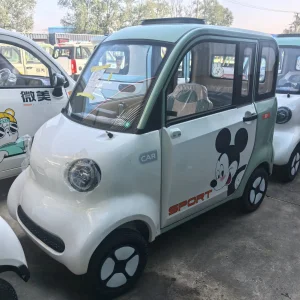
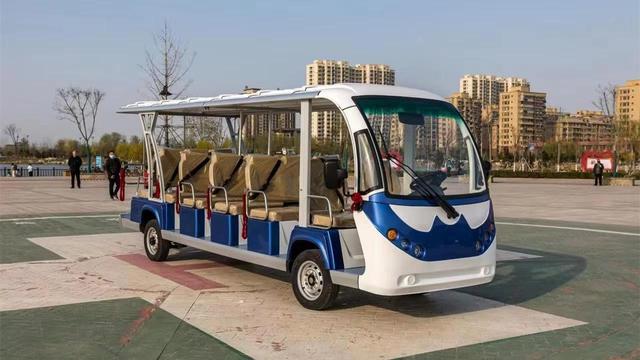
Bangkok's high-end tourism industry, centered along the Chao Phraya River, Sukhumvit, and Sathorn districts, requires silent, emission-free passenger transport. Premium multi-seater electric shuttle carts move guests through extensive property footprints without introducing noise or exhaust fumes, preserving a luxurious atmosphere.
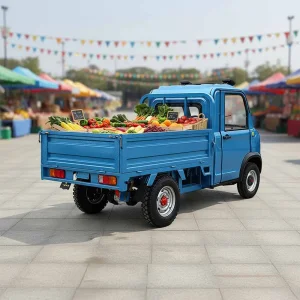
At massive manufacturing clusters in the Eastern Economic Corridor (EEC) and industrial parks near Lat Krabang, heavy-duty cargo utility NEVs manage internal parts delivery, personnel transport, and facility maintenance. These tasks are accomplished at a fraction of the cost of standard utility pickup trucks.
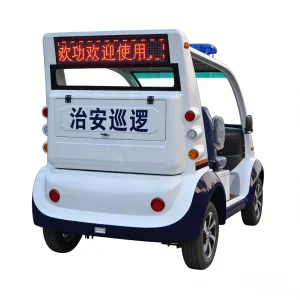
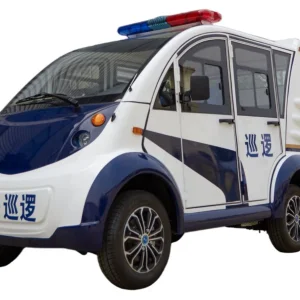
High-density premium housing developments, such as those in Bang Na and Ratchaphruek, deploy electric security patrol vehicles and estate shuttles. These low-speed vehicles offer continuous, silent patrols, enhancing safety and improving the ecological footprint of the community.
To operate reliably in Bangkok’s challenging environment—characterized by high temperatures, seasonal monsoon flooding, and humid air—NEVs must satisfy strict engineering requirements. The technical roadmap of our vehicles is built around three core pillars:
The integration of high-performance AC induction and Brushless DC (BLDC) motors provides up to 92% efficiency, minimizing energy losses to heat. Modern configurations feature automotive-grade Lithium Iron Phosphate (LiFePO4) chemistry, replacing traditional lead-acid batteries. LiFePO4 offers crucial advantages: a longer cycle life (exceeding 3,000 cycles at 80% Depth of Discharge), a broader thermal operating envelope, and high chemical stability that prevents thermal runaway even under high load in ambient temperatures of 40°C.
To resist corrosion in Bangkok's humid tropical climate, our NEV chassis feature hot-dip galvanized steel frames or lightweight aerospace-grade aluminum alloy configurations. Suspension systems utilize double wishbone independent structures at the front and leaf springs with hydraulic shock absorbers at the rear, ensuring stability over varying road conditions. Critical electrical components, including controllers, wiring harnesses, and connectors, feature an IP67 rating to protect against moisture and dust ingress during monsoon rain events.
Modern fleet managers require real-time tracking and diagnostics. Our platforms support CAN-bus communication protocols, allowing the integration of GPS tracking, remote battery health monitoring, geo-fencing limits, and over-the-air (OTA) diagnostic tools. This level of insight enables preventative maintenance schedules, maximizing fleet uptime and extending the operational lifespan of the vehicles.
Shenzhen Kabar Golf Co., Ltd. is a leading global manufacturer specializing in custom low-speed electric mobility solutions.
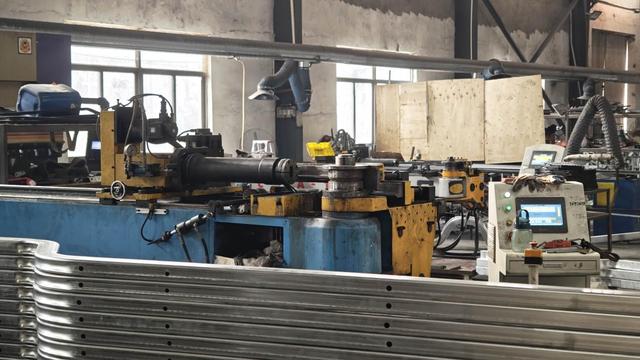
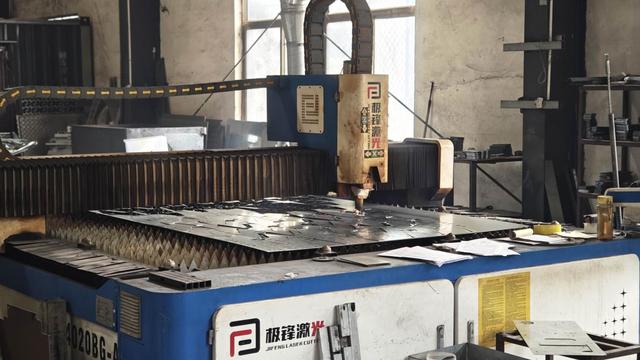
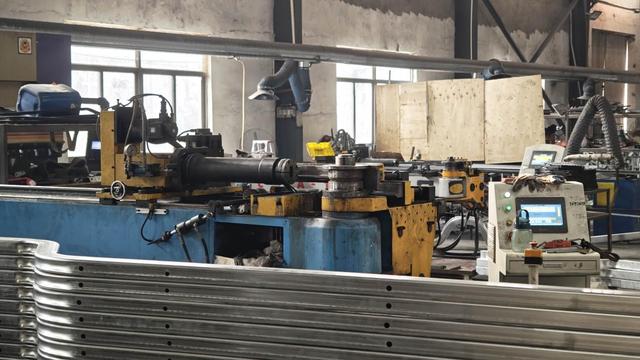
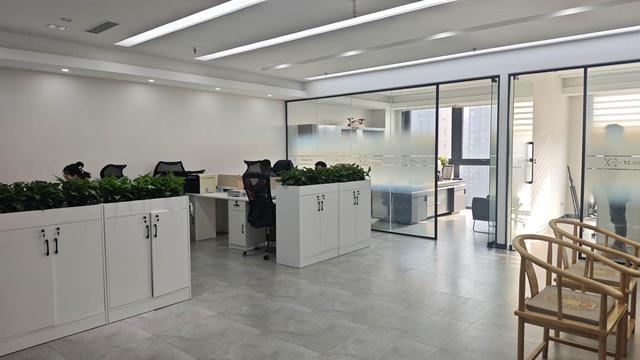
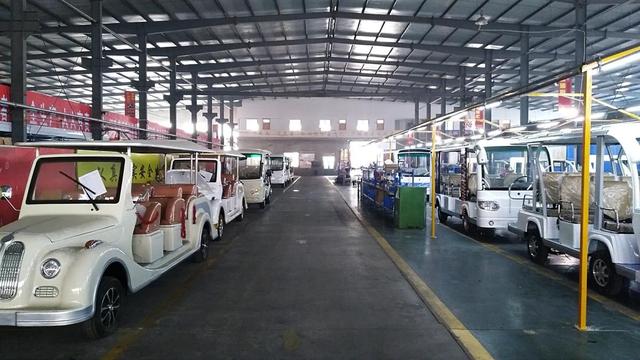
Established in 2014 in Shenzhen, China, Shenzhen Kabar Golf Co., Ltd. has grown to become a prominent designer, developer, and exporter of electric golf carts, passenger utility vehicles, and custom low-speed transport systems. Operating from a modern production facility spanning over 18,000 square meters and staffed by a dedicated team of over 220 professionals, the company supplies robust electric vehicles to resorts, airports, industrial zones, and residential developments worldwide.
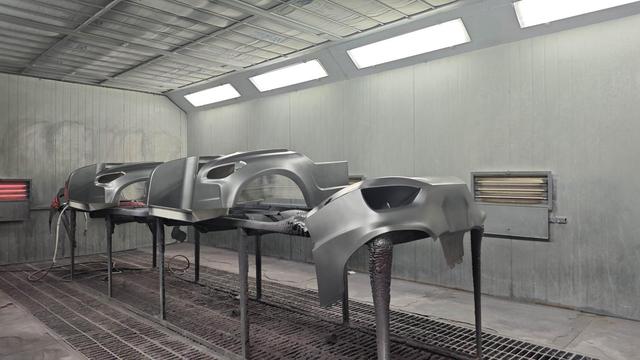
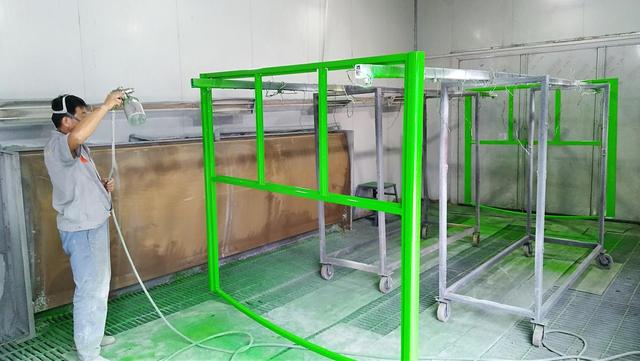
With an experienced R&D engineering division, Kabar Golf offers extensive OEM and ODM capabilities. This allows clients in the Bangkok market to customize vehicle dimensions, paint finishes, seating layouts, and battery capacities to match specific local operating conditions and branding requirements. Quality management is integrated throughout every step of production, from the initial raw material inspection to the final dyno testing and safety certification.
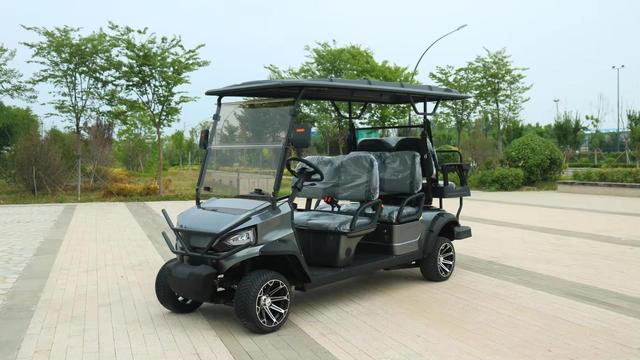
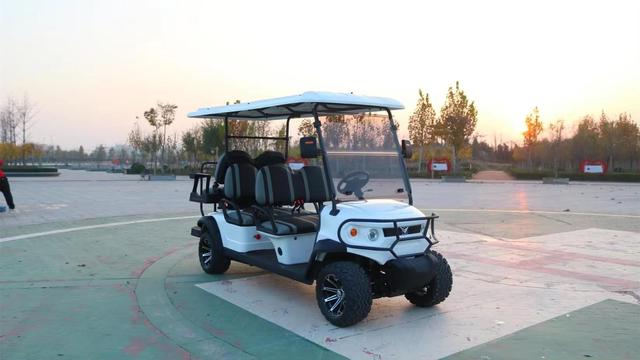
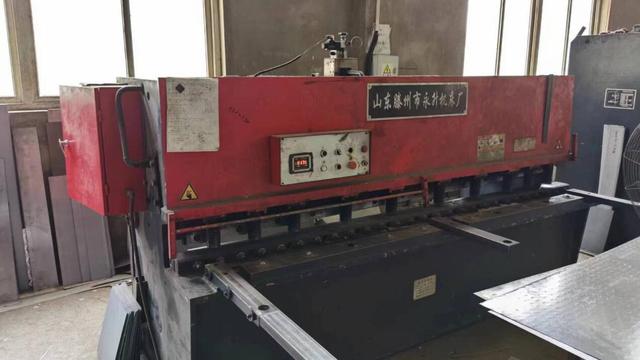
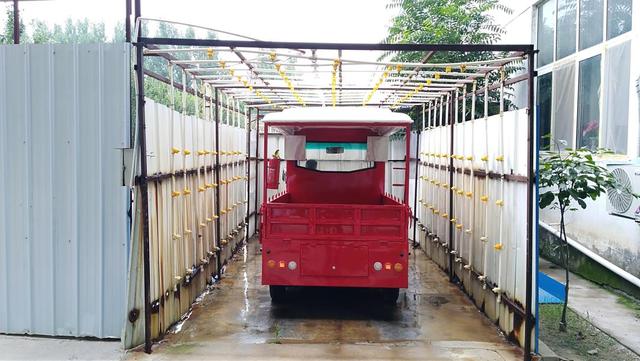
For large-scale infrastructure operators in Thailand, transitioning to electric mobility requires more than simply purchasing vehicles. It involves integrating charging stations, establishing preventative maintenance protocols, and ensuring long-term parts availability. Kabar Golf delivers complete, end-to-end solutions that address these operational needs:
Frequently asked questions regarding importing, operating, and maintaining NEVs in Thailand's commercial environments.
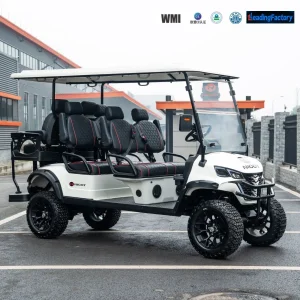
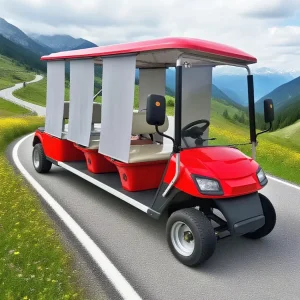
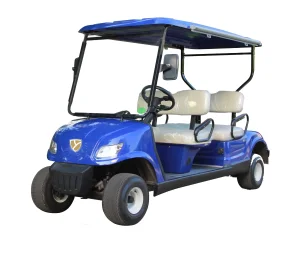
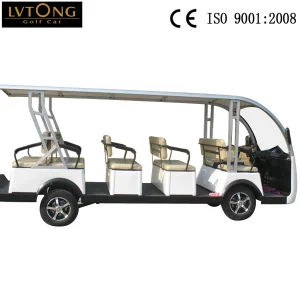
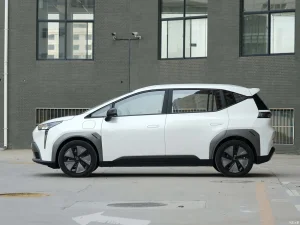
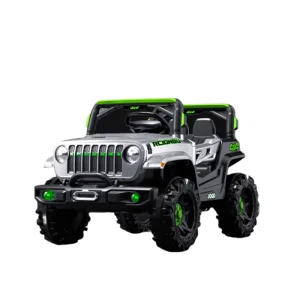
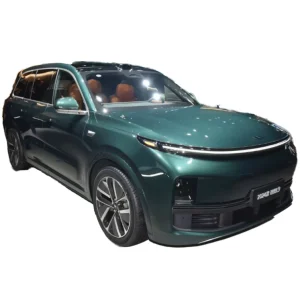
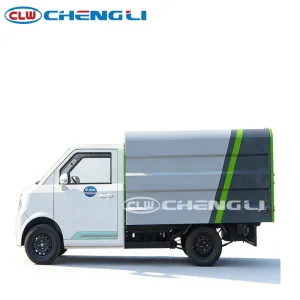
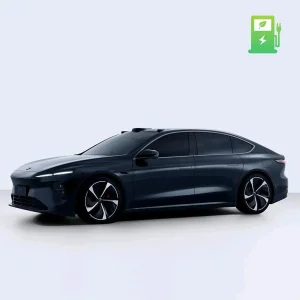
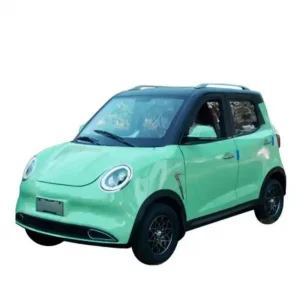
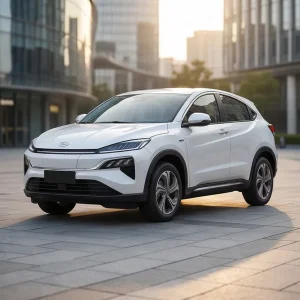
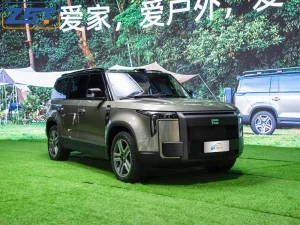
Explore our full line of street-legal neighborhood vehicles, multi-passenger shuttles, utility delivery vans, and specialty passenger platforms for the Bangkok market.
 Kabar Golf