1. The Dawn of Micro-Mobility in Namibia's Pristine Landscape
Namibia is on the verge of a transport revolution. Backed by government initiatives such as the Harambee Prosperity Plan II and the National Energy Policy, the country is focusing on lowering carbon emissions and adopting eco-friendly transportation. As urban centers like Windhoek grow and eco-tourism expands in locations like Sossusvlei, Swakopmund, and Etosha, Neighborhood Electric Vehicles (NEVs) are becoming key alternatives to fossil-fuel vehicles.
Unlike standard electric cars, NEVs are light, low-speed, energy-efficient vehicles. They operate on a lower voltage architecture (typically 48V to 72V) and are designed for short trips within closed areas. This makes them ideal for estates, reserves, resorts, and logistics centers where full-size vehicles are impractical and expensive. In Namibia, where solar energy is abundant, NEVs offer a practical path toward emission-free transportation by utilizing clean energy grids.
100%
Eco-Friendly Operation
80km+
Patrol Range Options
18k+ m²
Advanced Manufacturing Facility
OEM/ODM
Custom Solutions Available
2. Technical Adaptation: Engineering NEVs for the Extreme Namibian Environment
Namibia presents unique environmental challenges, including intense UV exposure, desert dust, high ambient temperatures, and coastal salt spray. Off-the-shelf low-speed electric vehicles designed for European or North American climates may experience component degradation or failure if not modified. Our NEV systems are built to withstand these conditions through specific engineering adaptations:
Thermal Management SystemUnder temperatures exceeding 40°C in the Namib Desert, battery packs can overheat. Our vehicles utilize Lithium Iron Phosphate (LiFePO4) chemistries, which are more thermally stable than standard Ternary Lithium (NMC). We integrate active ventilation and heat-dissipating aluminum cases to keep battery modules within their safe operating range (15°C to 45°C).
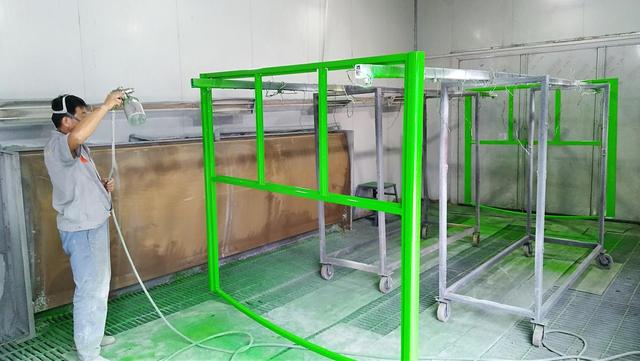
Corrosion & Dust Proofing (IP65+)For coastal regions like Lüderitz and Swakopmund, ocean mist combined with fine desert sand can corrode electrical contacts. Our wiring harnesses are wrapped in weather-resistant conduits, and critical electronic modules, including the motor controllers and chargers, are rated IP65 or higher. The chassis undergoes hot-dip galvanization or cathodic electrophoresis coating to prevent rust.
Heavy-Duty Off-Road SuspensionMany Namibian estates and reserves feature gravel, sand, or uneven dirt roads. Our NEVs are configured with independent front double-A arm suspension systems, reinforced rear leaf springs, and high-ground-clearance dampers to absorb shocks while maintaining stability on unpaved terrain.
Advanced Regenerative BrakingTo maximize efficiency in hilly areas like Windhoek's suburbs, our energy recovery systems convert kinetic energy back into battery storage during descent. This feature increases the vehicle's driving range by up to 15% and reduces wear on the hydraulic braking systems.
3. Core Application Scenarios: Where NEVs Drive Namibian Growth
As Namibia transitions toward modern eco-friendly infrastructure, several industries are integrating low-speed neighborhood electric vehicles into their daily operations. By replacing diesel utility vehicles, operators can lower fuel costs and minimize carbon emissions:
Premium Eco-Tourism & Safaris: Luxury lodges in the Namib-Naukluft Park and private reserves in Otjiwarongo require low-noise transportation to minimize disruption to local wildlife. Quiet electric shuttles allow guests to observe nature without the noise and exhaust of combustion engines.
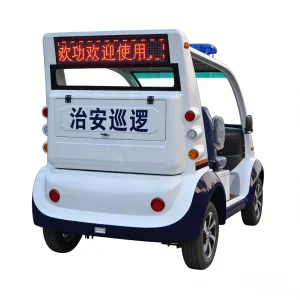
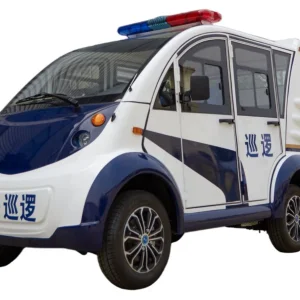
Gated Communities & Residential Estates: Luxury residential estates around Windhoek (such as Finkenstein Estate and Am Weinberg) use electric patrol cars for neighborhood security. Their quiet operation enables 24/7 security patrols without disturbing residents.
Commercial & Municipal Sanitation: Compact electric garbage collection vehicles are increasingly used for waste management in municipal areas and coastal resorts. Their small size makes them well-suited for narrow resort pathways and pedestrian areas.
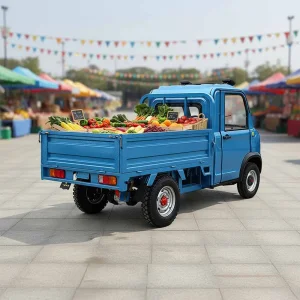
Industrial Yards & Ports: The Port of Walvis Bay and various logistics hubs use electric utility vehicles to move light goods, components, and tools within warehouses and shipping yards efficiently.
4. Advanced Technical Roadmap & Clean Energy Integration (Solar Charging)
Namibia is well-positioned for solar energy development, receiving over 300 days of sunshine per year. This makes solar-powered charging systems a highly effective way to fuel electric transportation. Instead of relying entirely on the national utility grid (NamPower), operators can set up solar micro-grids to charge their NEV fleets.
Our engineering team designs vehicles to be compatible with DC fast charging and off-grid solar storage. By installing photovoltaic (PV) solar panels on charging ports, resorts and industrial plants can charge their vehicles using solar power. The solar canopy captures sunlight, stores it in a stationary LiFePO4 battery bank, and transfers it to the NEV when docked. This approach bypasses grid power, ensuring reliable transportation and zero tailpipe emissions.
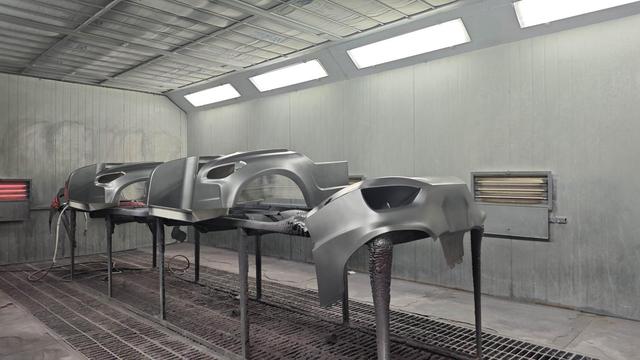
Shenzhen Kabar Golf Co., Ltd. is an established manufacturer of electric golf carts and utility vehicles, located in Shenzhen, Guangdong, China. Founded in 2014, the company focuses on the design, production, and export of electric golf carts, utility cars, and customized passenger shuttles for global customers. Our 18,000 square meter factory is equipped with modern assembly lines and testing facilities. With over 220 employees, we produce reliable vehicles for resorts, estates, commercial facilities, and residential areas worldwide.
We manage our production process through a structured quality control system, which covers component sourcing, chassis fabrication, electrical integration, and final testing. We offer OEM and ODM services, allowing customers to customize colors, configurations, seating capacities, and branding to suit their target markets. Our logistics network handles container shipping, customs documentation, and delivery, ensuring that fleets arrive in Namibia fully assembled and ready for deployment.
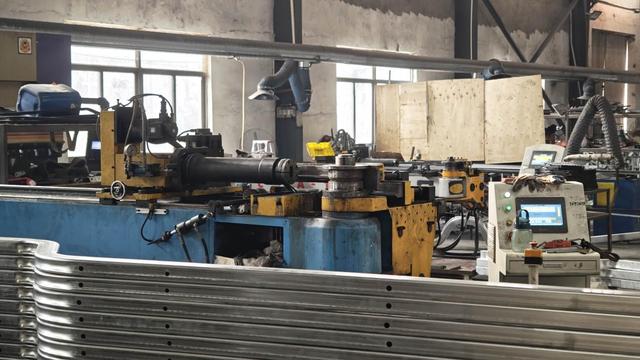
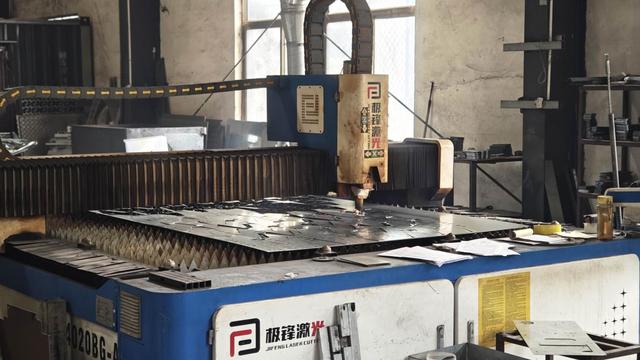
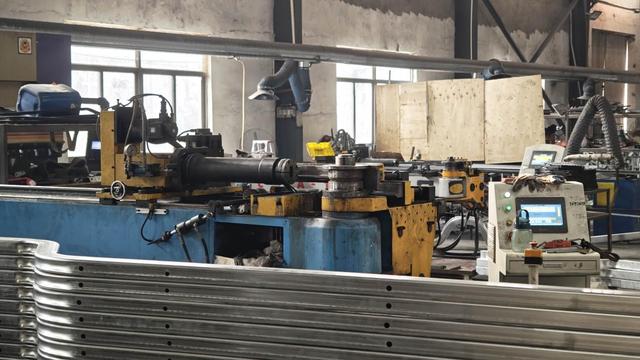
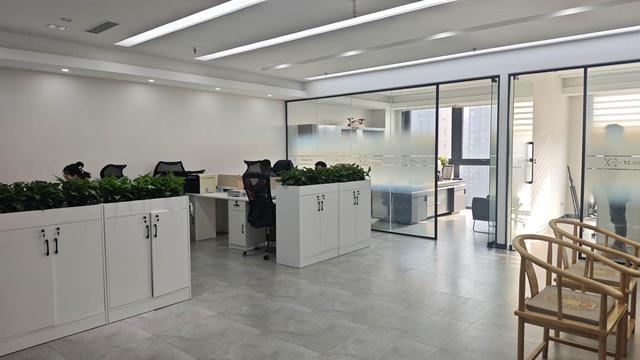
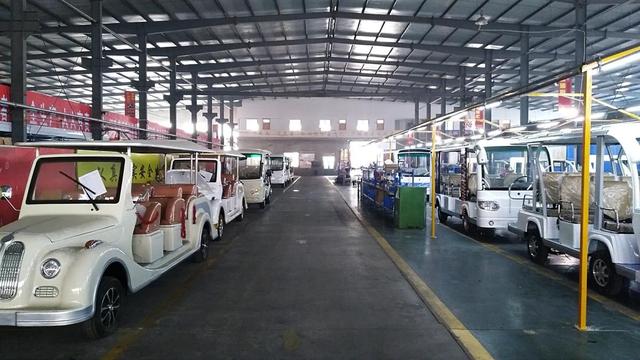
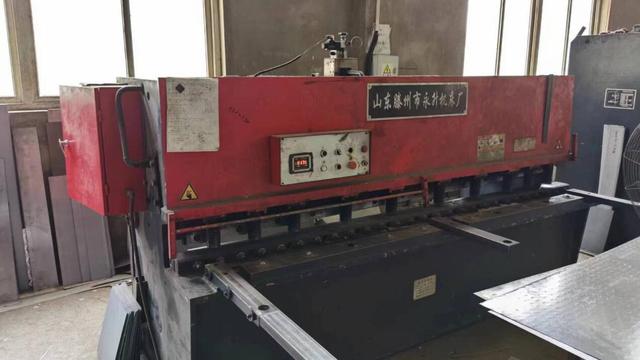
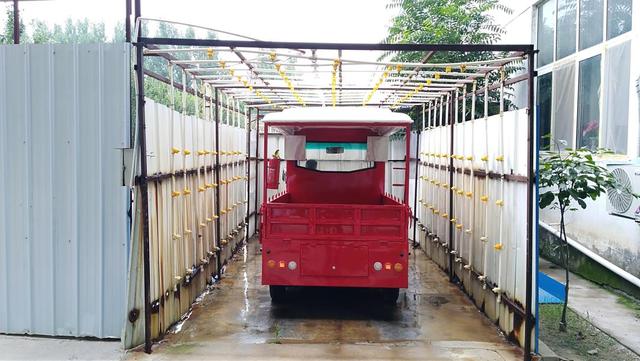
Factory Facilities and Production Line
A look inside our 18,000m² manufacturing facility in Shenzhen, where we build quality electric mobility solutions.
6. Regulatory Framework, Importation Dynamics, & Compliance in Namibia
Importing electric vehicles into Namibia requires compliance with both local regulations and broader regional standards. The Namibia Standards Institution (NSI) and the Road Authority of Namibia manage vehicle registration, roadworthiness, and safety compliance. NEVs, categorized as low-speed vehicles, must meet safety criteria, including functional headlights, seat belts, turn signals, mirrors, and hydraulic brake systems.
As a member of the Southern African Development Community (SADC), Namibia applies specific customs duties and import rules. For right-hand drive (RHD) markets, we provide vehicles configured with right-hand steering and corresponding control interfaces. We supply the documentation needed for customs clearance at the Port of Walvis Bay, including Certificates of Origin, CE compliance documents, and detailed electrical specifications.
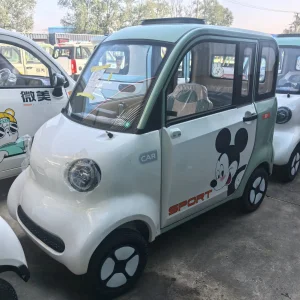
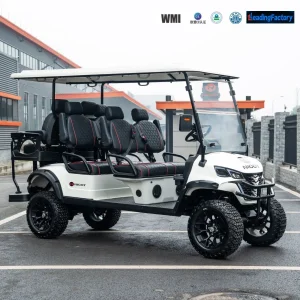
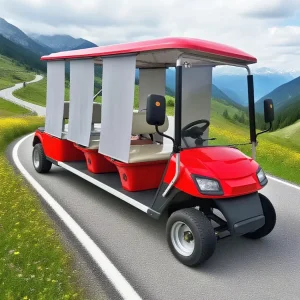
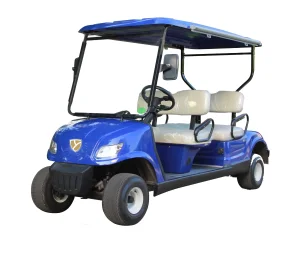
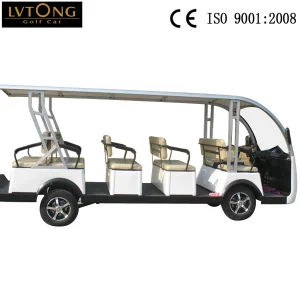
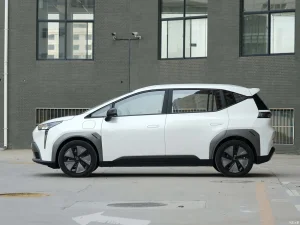
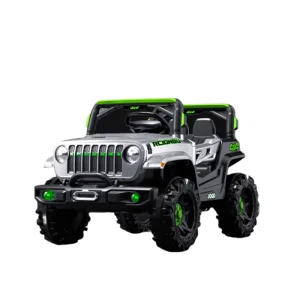
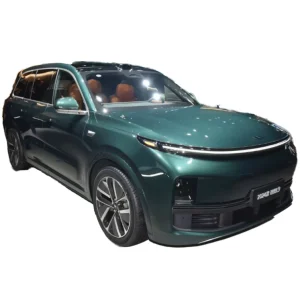
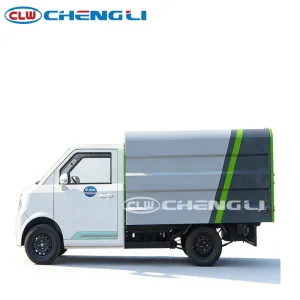
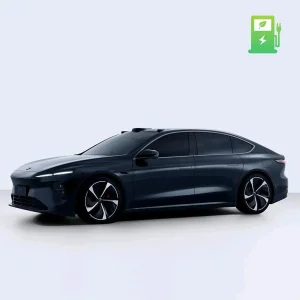
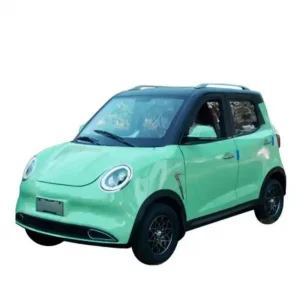
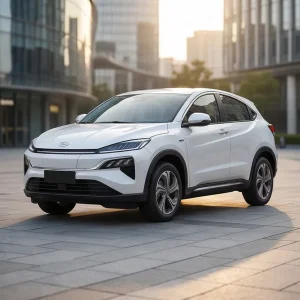
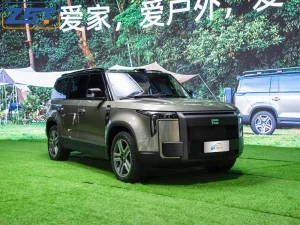
Extended Namibian Fleet Catalog
Discover our range of multi-passenger shuttles, utility delivery trucks, and high-performance electric SUVs available for import to Namibia.
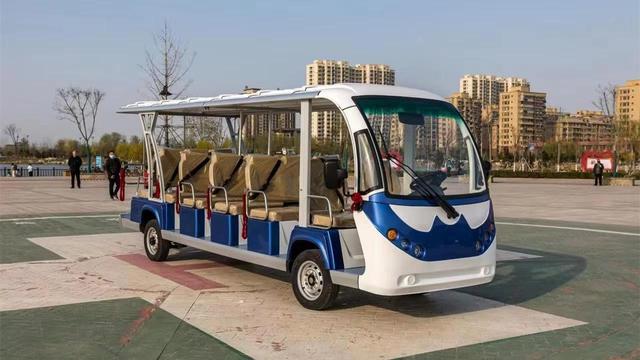
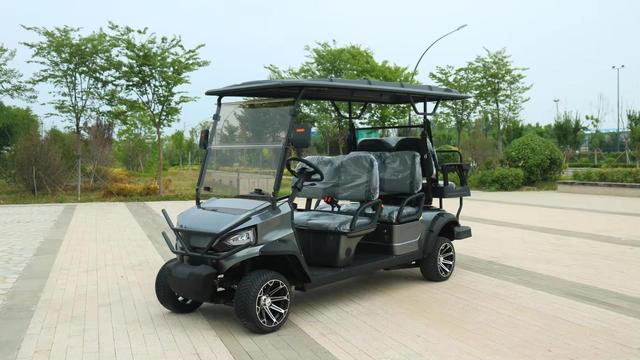
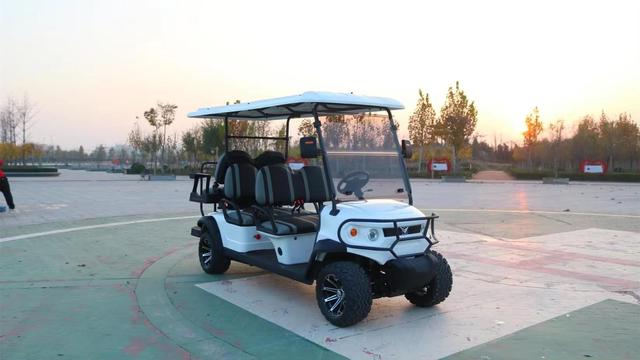
Sossusvlei Eco-Resort Street-Legal 6-Seater Low-Speed Electric Shuttle with Premium Speakers
7. Comprehensive FAQ: Technical, Operational, and Importation Queries
Q1: How do NEVs handle high-temperature conditions in Namibia?
Our NEVs use Lithium Iron Phosphate (LiFePO4) battery packs, which offer better thermal stability than standard lithium chemistries. The design includes aluminum casing and ventilation to maintain stable operation in ambient temperatures up to 45°C.
Q2: Can these vehicles be charged directly from solar power systems?
Yes. The onboard chargers support standard AC inputs that can be powered by solar inverter systems. We can also provide configurations compatible with local solar micro-grids for off-grid operation.
Q3: What protection measures are included for coastal environments?
We apply cathodic electrophoresis coating to the chassis to prevent rust from salt air. Electronic components, including controllers and motors, are sealed to IP65 standards to protect against moisture and fine sand.
Q4: Are these vehicles supplied in Right-Hand Drive (RHD) configurations?
Yes, we customize our vehicles to meet the right-hand drive regulations of Namibia and the SADC region, ensuring compliance with local road usage guidelines.
Q5: What is the typical lead time for delivery to the Port of Walvis Bay?
Production generally takes 30 to 45 days, depending on customization options. Ocean freight from Shenzhen to Walvis Bay takes approximately 30 to 40 days, including customs processing.
Q6: What maintenance support and spare parts are available in Namibia?
We supply a spare parts kit (including tires, brake pads, and switches) with every fleet order. We also provide technical manuals and direct support for local service technicians.
Q7: Can these vehicles be registered for street-legal use in Namibia?
Yes. Our low-speed electric vehicles include safety features such as safety belts, headlights, side mirrors, and horn assemblies to meet the roadworthiness standards of Namibia's Road Authority.
Q8: Do you support OEM/ODM branding for commercial resorts?
Yes, we provide full OEM/ODM services, allowing resorts to customize vehicle color schemes, add company logos, configure seat materials, and adjust cargo space to meet operational needs.
Need Customized NEV Fleet Solutions for Your Project?
Get in touch with our engineering and export team to request a quote, technical catalogs, and delivery timelines to Namibia.
 Kabar Golf