Explore our standard-setting models tailored with safety glass, reinforced chassis structures, and advanced energy management systems optimized for municipal patrol, urban transits, and commercial distribution.
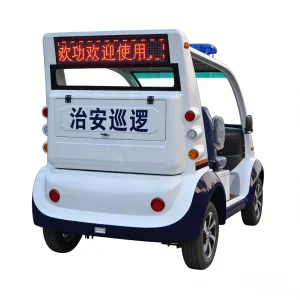
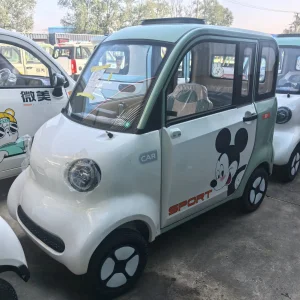
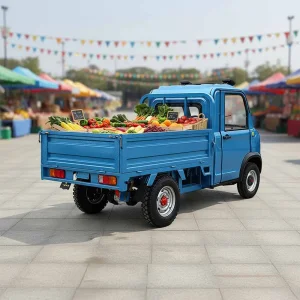
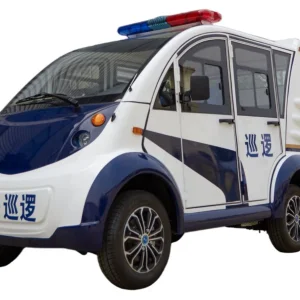
Argentina is experiencing a profound transition in urban and suburban transportation. Historically driven by fossil-fuel-powered internal combustion engines (ICE), municipal planners, agricultural operations, and private estate developers are rapidly adopting Neighborhood Electric Vehicles (NEVs). This transition is accelerated by structural shifts in urban planning policies, rising fuel costs, and a collective commitment to reduce greenhouse gas emissions in major metropolitan areas such as Buenos Aires, Córdoba, and Rosario.
The Argentine industrial sector, especially in traditional automotive hubs, has begun integrating low-speed electric vehicles (LSEVs) into its operational models. As the country aligns with global sustainability directives, businesses utilize NEVs for on-site logistics, cargo distribution, and public surveillance. These vehicles bridge the gap between heavy, road-legal highway trucks and walk-behind units, providing a highly cost-effective, zero-emission platform that is quiet, agile, and remarkably cheap to operate.
Furthermore, local municipalities are standardizing the deployment of electric security patrols for public parks and gated neighborhood watches. With the backing of federal sustainability initiatives, electric-powered micro-mobility systems are no longer treated as future experiments, but as essential pillars of modern municipal infrastructure, corporate logistics, and resort management.
Operating low-speed electric vehicles (LSEVs) on public and private roads in Argentina requires adherence to strict safety standards governed by the Instituto Nacional de Tecnología Industrial (INTI) and the National Road Safety Agency (ANSV). The local vehicle classification categories L6 and L7 define the parameters for light electric vehicles, limiting maximum speeds, payloads, and power outputs to ensure optimal safety in residential zones and public traffic corridors.
Our manufacturing and assembly protocols align directly with these regional directives. Every vehicle is designed with structural enhancements including high-strength steel chassis frames, hydraulic four-wheel braking systems, DOT-approved safety windshields, and integrated light indicators (high/low beams, turn signals, hazard lights, and horn). This ensures that B2B buyers importing our configurations experience a smooth local registration process, minimizing lead times and eliminating regulatory bottleneck risks at customs.
Shenzhen Kabar Golf Co., Ltd. is a leading manufacturer of premium electric utility and low-speed vehicles. Established in 2014, the company operates a state-of-the-art 18,000 square meter modern manufacturing facility staffed by a workforce of over 220 highly skilled technicians and advanced research engineers. Over the past decade, we have established our reputation as a trusted global exporter, developing innovative and customized electric mobility solutions for golf courses, luxury resorts, industrial compounds, municipal centers, and residential neighborhoods across North America, Europe, the Middle East, Southeast Asia, Australia, and South America.
For Argentine enterprises, importing complete built-up units (CBU) or utilizing semi-knocked-down (SKD) and completely-knocked-down (CKD) assembly methodologies yields substantial financial benefits. By utilizing our global shipping experience and deep component sourcing capabilities in China's advanced EV ecosystem, we deliver unparalleled value to local assembly lines and distributors in Argentina. Our custom solutions allow buyers to specify custom battery configurations (including advanced LiFePO4 chemistry), localized suspension adjustments, heavy-duty cargo attachments, and corporate color branding.
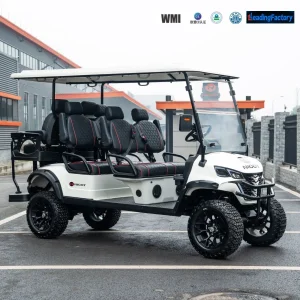
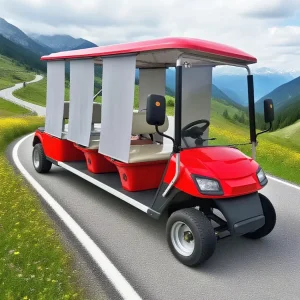
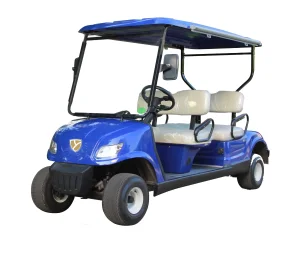
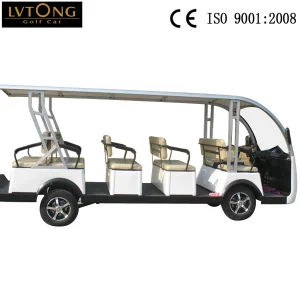
B2B procurement professionals in South America look for practical functionality, payload limits, and structural longevity. In Argentina, our custom-engineered NEVs are actively used across several key industrial sectors:
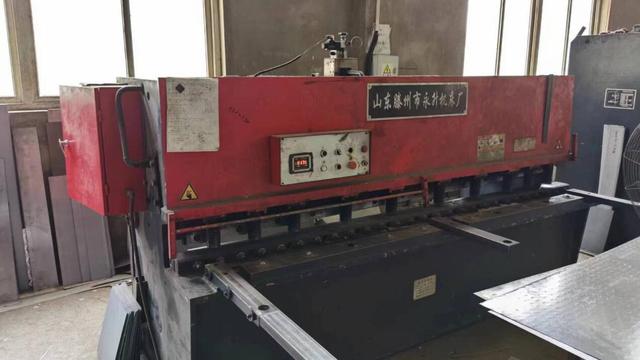
The global low-speed electric vehicle market is rapidly integrating digital tracking and advanced battery technologies. In Argentina, this trend is reinforced by the country's strategic proximity to the "Lithium Triangle" (comprising Argentina, Bolivia, and Chile). B2B fleet buyers are increasingly demanding Lithium Iron Phosphate (LiFePO4) batteries over traditional flooded lead-acid alternatives due to their superior cycle life (often exceeding 3,500 charging cycles), zero maintenance, lighter weight, and rapid recharge profiles.
Additionally, modern NEVs are transitioning into smart connected assets. Integrating GPS tracking, fleet management software, speed governance restrictors, and real-time battery monitoring systems (BMS) allows commercial operators to optimize fleet utilization. If a vehicle leaves its pre-programmed geographic geofence, operators receive automatic alerts. These features are becoming standard specifications for corporate logistics parks, heavy mining compounds, and large-scale recreational facilities across South America.
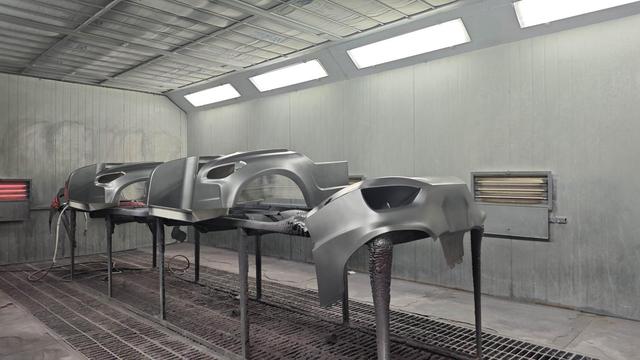
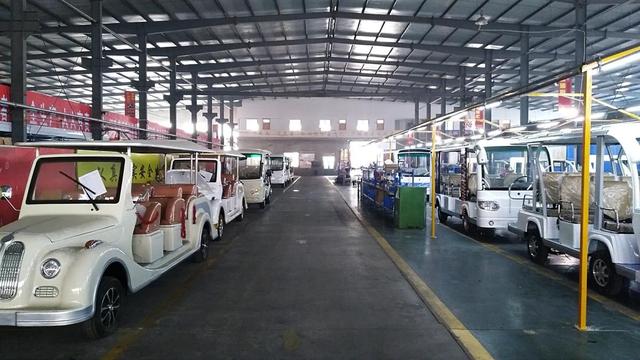
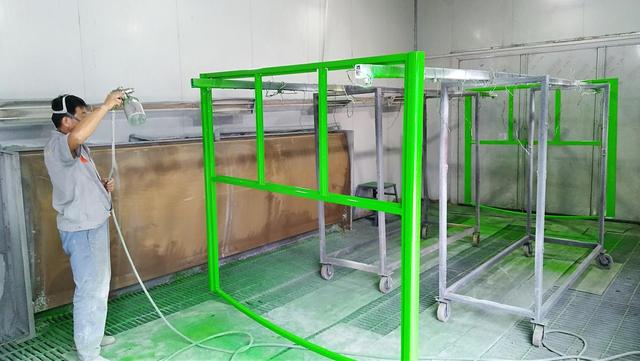
Take a virtual tour through our modern assembly line, component testing bays, and strict quality control stations where our customized fleet configurations are engineered.
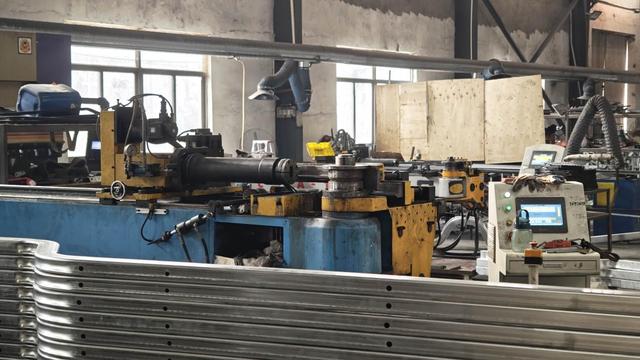
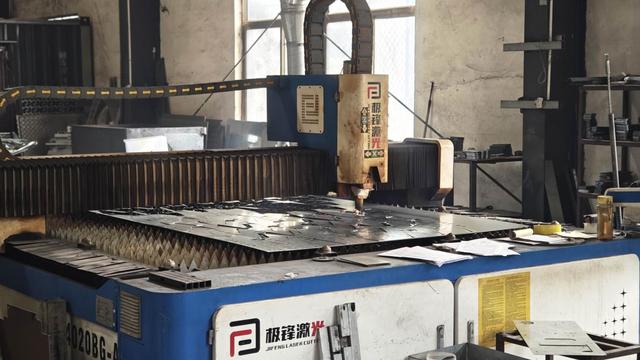

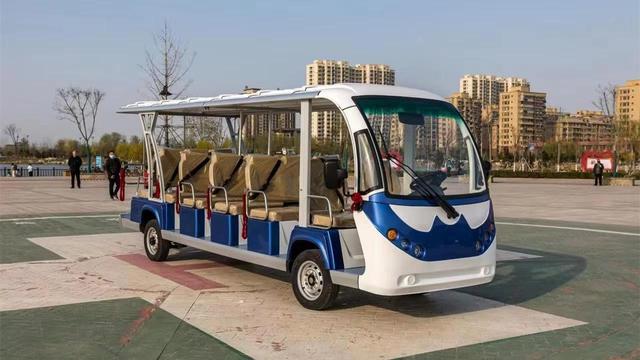
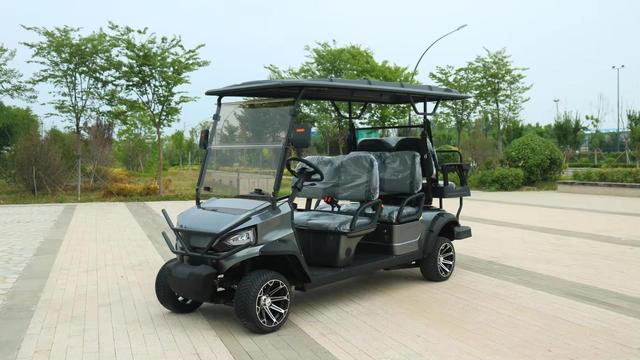
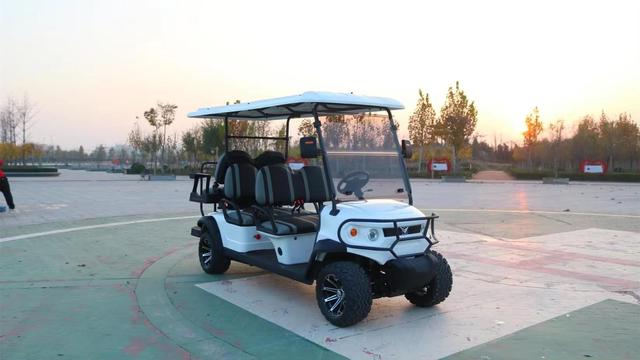
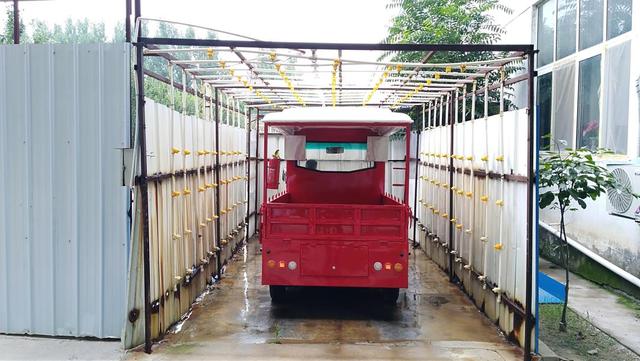
Review our broader catalog of low-speed electric transport options, passenger shuttles, and special utility applications compatible with Argentine commercial codes.

 Kabar Golf