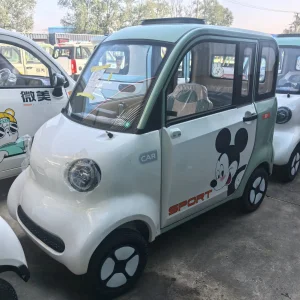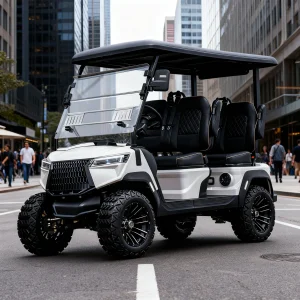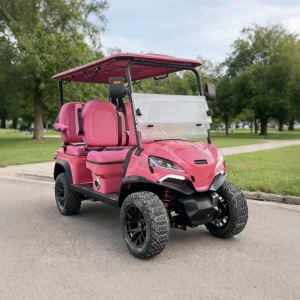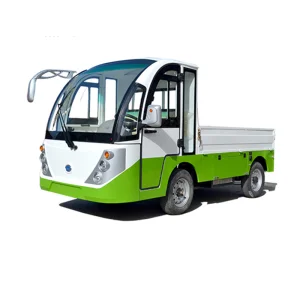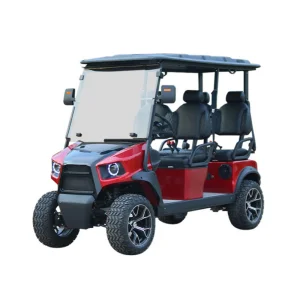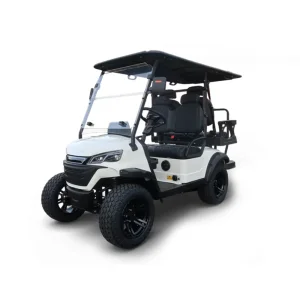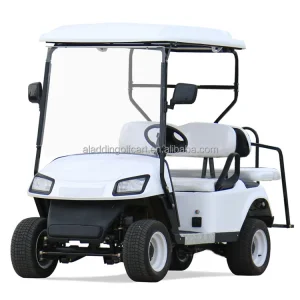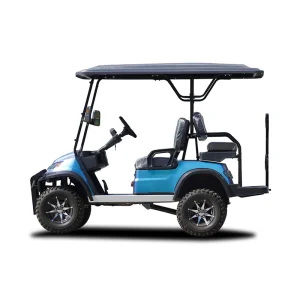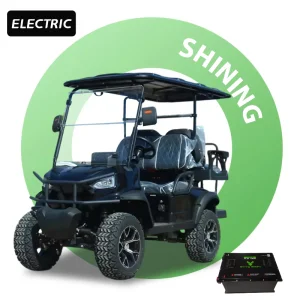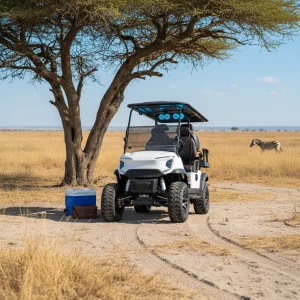
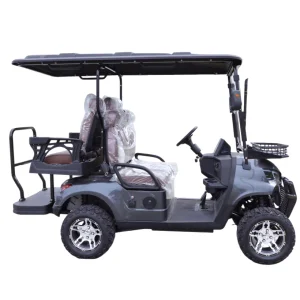
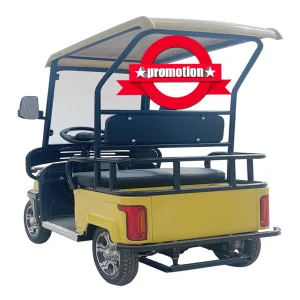
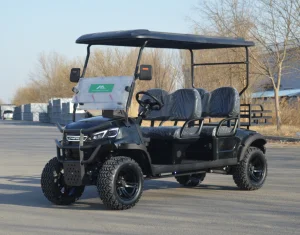
The global transition to electrification has expanded far beyond highway passenger vehicles. Today, the industrial and commercial demand for Electric Personal Vehicles (EPVs), low-speed vehicles (LSVs), and electric utility vehicles (EUVs) is experiencing exponential growth. Driven by strict corporate environmental, social, and governance (ESG) policies, zero-emission mandates, and rising operational fuel costs, companies worldwide are restructuring their on-site transport fleets.
Modern commercial ecosystems—ranging from expansive resort properties, botanical gardens, and sports complexes, to industrial logistics hubs, educational campuses, and international airports—require transportation models that minimize noise pollution, guarantee zero tailpipe emissions, and ensure optimum safety. The transition from legacy internal combustion engine (ICE) carts to sophisticated lithium-driven fleets has delivered a measurable drop in total cost of ownership (TCO). Businesses report up to 70% lower maintenance expenses and significantly improved operational uptimes due to the elimination of standard engine diagnostics, complex transmission maintenance, and fossil fuel dependencies.
Furthermore, regional zoning laws in major markets, including North America and the European Union, are pushing for street-legal configurations. Vehicles equipped with high-tech safety systems—such as hydraulic brakes, advanced intelligent controllers, auto windshield wipers, backup cameras, and safety belts—are rapidly replacing basic models. Low-speed electric transport is now an essential element of modern municipal infrastructure, eco-tourism, and commercial park operation plans.
A dependable electric vehicle relies heavily on integrated hardware engineering. Shenzhen Kabar Golf Co., Ltd. builds vehicles using advanced drivetrains and structural components designed to handle the daily stresses of commercial usage.
Utilizing high-torque 48V, 60V, and 72V powertrains coupled with high-efficiency 5KW AC or PMSM (Permanent Magnet Synchronous) motors. This ensures reliable acceleration, higher climbing capacities on steep inclines, and extended brush-free operation lifespans.
Smart BMS (Battery Management System)-integrated Lithium-ion battery packs. Lithium upgrades deliver rapid charging capabilities, zero acid maintenance, longer cycle lifespans (exceeding 3,000 cycles), and a massive reduction in dead weight.
Corrosion-resistant steel or heavy-duty aluminum frames match standard regulatory formats. Four-wheel hydraulic disc brakes, independent front suspensions, automatic wipers, and reverse camera monitors keep drivers and passengers safe.
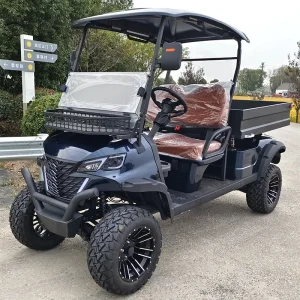
Through our dedicated research and development channels, our vehicles are built to withstand tough outdoor conditions. From off-road configurations with rugged tires to passenger shuttles designed for paved roads, we implement strict engineering guidelines to guarantee reliability, safety, and stability.
Established in 2014, Shenzhen Kabar Golf Co., Ltd. has grown from a specialized local manufacturer into an international industry leader. Operating from Shenzhen, Guangdong, the Silicon Valley of Chinese hardware innovation, we utilize the region's advanced technology ecosystem to source high-grade electronics and structural parts efficiently.
Covering an expansive manufacturing workspace of more than 18,000 square meters, our facilities run specialized assembly, metal fabrication, and quality testing lines. Supported by over 220 skilled professionals, including dedicated automotive engineers, electrical technicians, and quality inspectors, we maintain consistent production standards and reliable global delivery times.
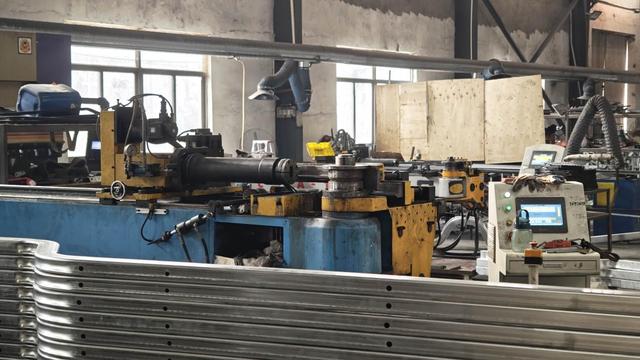
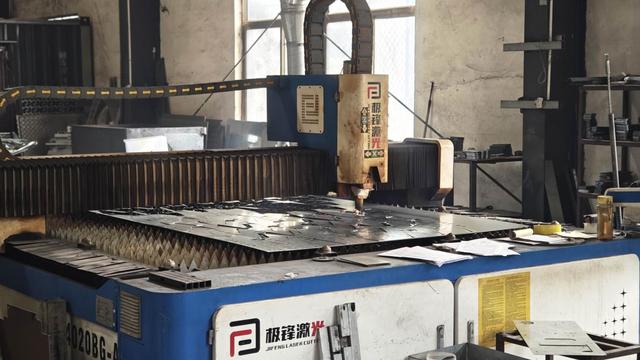
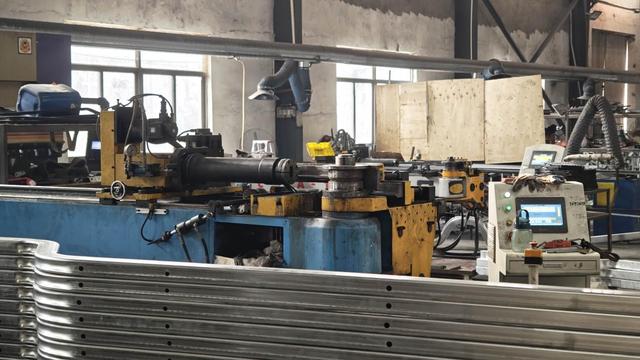
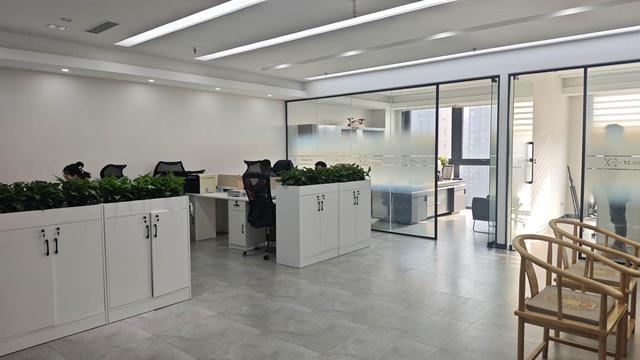
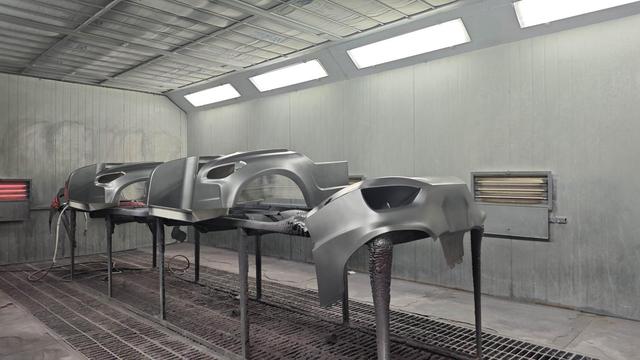
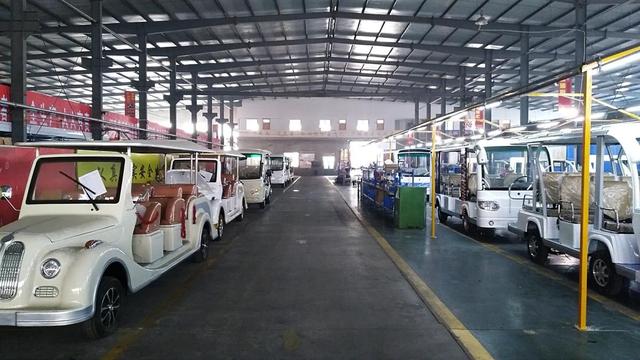
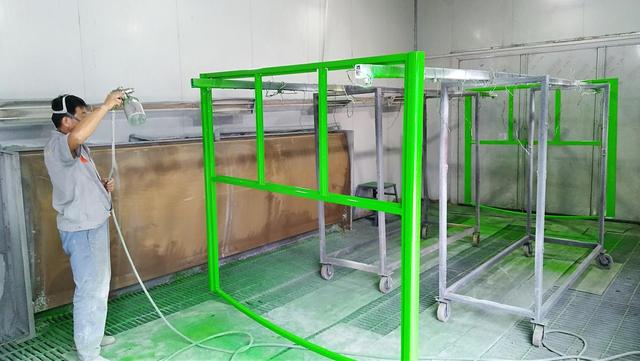
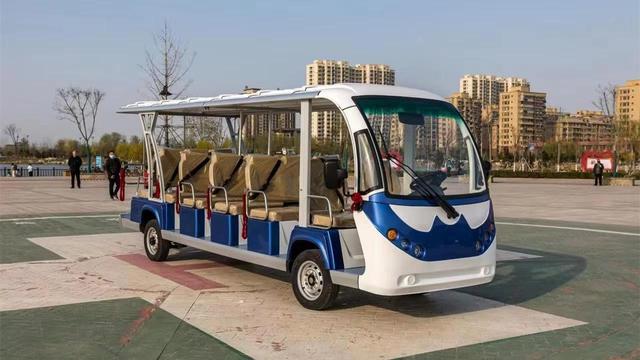
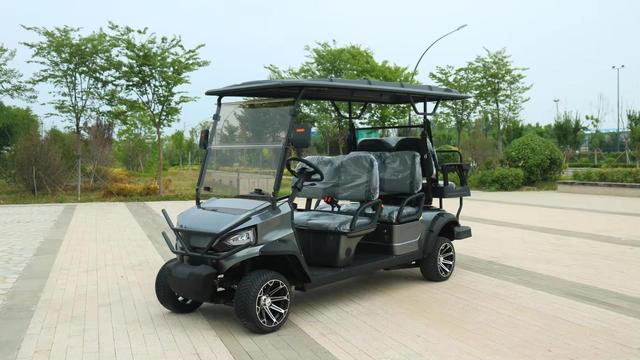
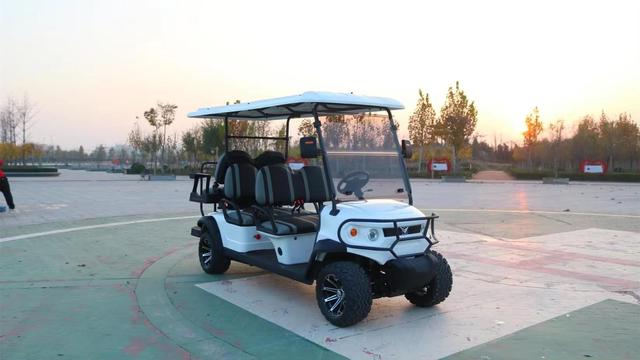
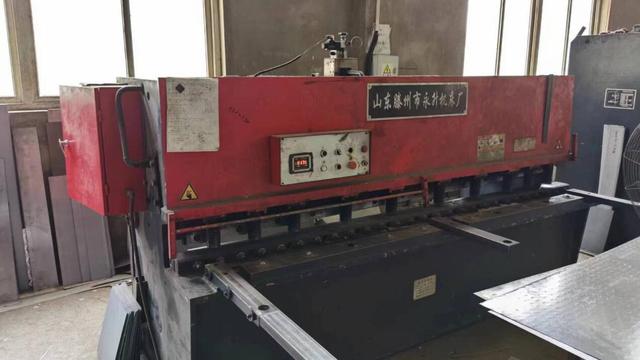
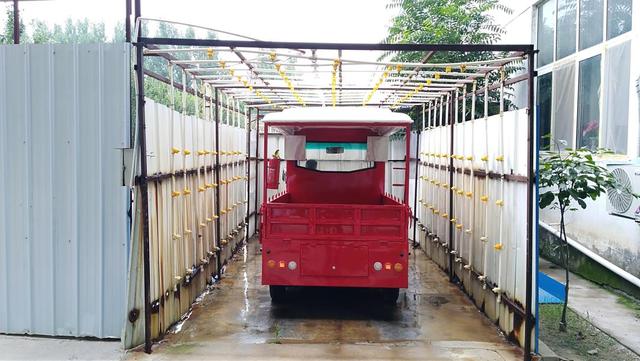
Quality management remains a core focus at every stage of our production cycle. We conduct strict sourcing checks, structural load evaluations, battery cell balancing diagnostics, and water ingress testing. Our engineering team also provides comprehensive OEM and ODM support, allowing commercial clients to adapt seating configurations, cargo box styles, tire types, suspension setups, and paint finishes to meet their specific local operating requirements.
No two operational environments are exactly alike. For this reason, we customize our electric fleets to address the unique challenges of distinct commercial sectors:
For procurement officers, logistics directors, and business owners, importing utility vehicle fleets requires careful planning and attention to detail. Selecting the right supplier is about more than just finding the lowest price; it involves evaluating production capacity, international quality certifications, and import logistics support.
When planning a fleet purchase, we advise focusing on key performance indicators: motor efficiency ratings, battery lifecycle counts, and the availability of replacement parts. At Kabar Golf, we support our global distributors and corporate buyers with container load optimization, customs documentation, and compliant replacement components. Our vehicles carry recognized certifications, such as EEC (European Economic Community) approval, to facilitate standard regulatory compliance during the import process.
 Kabar Golf