Explore our high-performance utility & transport series designed for global commercial and industrial applications.
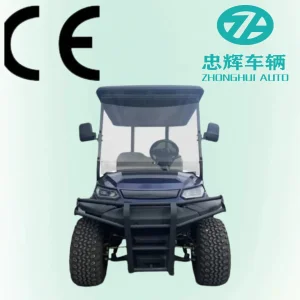
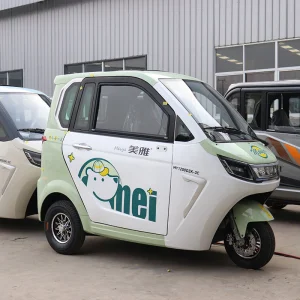
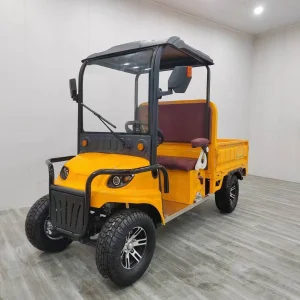
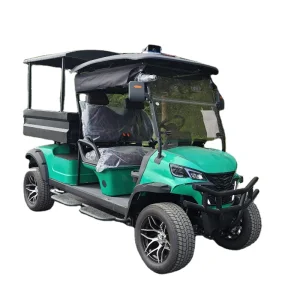
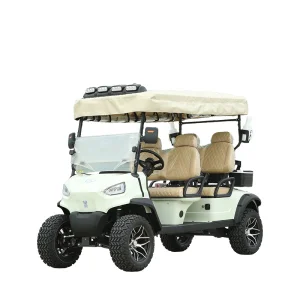
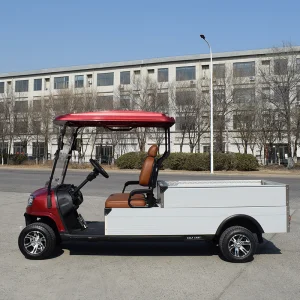
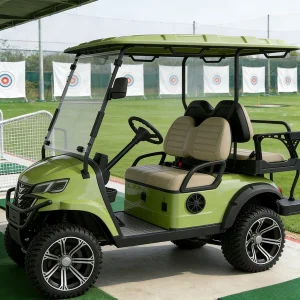
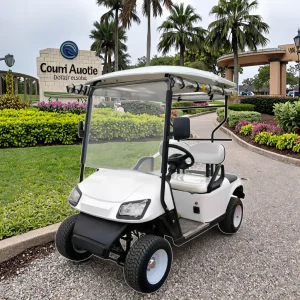
The global transition to eco-friendly options has fundamentally altered the off-road vehicle sector. Once dominated by noisy, high-emission diesel and petrol utility engines, sectors such as municipal planning, premium hospitality, logistics, and multi-passenger transit are rapidly moving toward high-efficiency electric alternatives. This shift is driven not only by regulatory pressure to cut carbon emissions, but also by the significant economic and operational advantages that contemporary electric utility vehicles (EUVs) and utility terrain vehicles (UTVs) provide.
The implementation of high-capacity Lithium Iron Phosphate (LiFePO4) battery systems represents a major technological advancement in this sector. Compared to traditional lead-acid batteries, lithium platforms offer up to three times the energy density, require zero maintenance, and deliver a lifespan exceeding 3,500 charging cycles. Furthermore, modern off-road vehicles are increasingly utilizing alternating current (AC) brushless motors and smart controllers, enabling regenerative braking, higher torque at lower speeds, and over-the-air (OTA) diagnostic capabilities.
Another major trend is the integration of solar panels. By mounting high-efficiency monocrystalline solar arrays directly onto the roofs of transit buggies and utility trucks, operators can continuous-charge the vehicles while in use. This extends their daily range by up to 25%, making them highly suitable for remote agricultural operations, large-scale luxury resorts, and high-security municipal zones where downtime for recharging must be kept to a minimum.
Integration of variable frequency AC controllers (3.5KW to 7.5KW options) optimizing current output according to real-time terrain resistance.
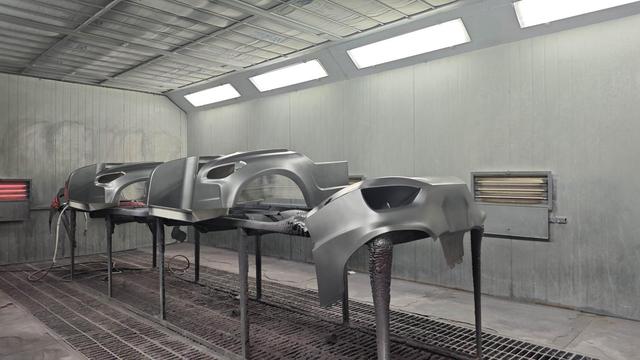
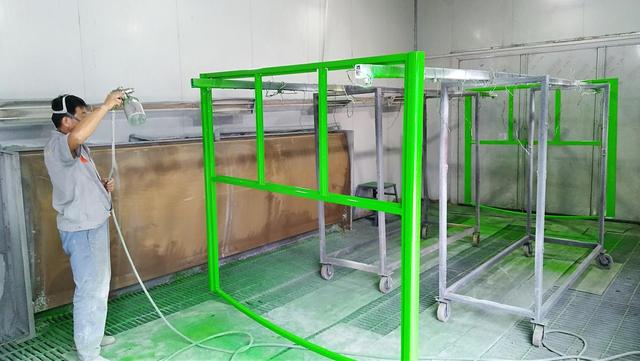
Robotic-welded steel structural frames finished with electrophoretic coatings to prevent rust and corrosion in humid coastal environments.
Overhead solar conversion modules providing auxiliary trickle-charging to the battery management system (BMS) for enhanced endurance.
For industrial buyers, corporate procurement managers, and specialized distributors, purchasing a fleet of electric off-road vehicles involves more than evaluating the initial price. The focus is on analyzing the Total Cost of Ownership (TCO), compliance with regulatory standards, and overall supply chain reliability. In regions like North America and the European Union, vehicles must comply with strict safety regulations, including CE certification, EEC road-legal categorization, and ISO standards for low-speed vehicles (LSVs).
Key procurement requirements focus on the reliability of the drivetrain components, including the motor, battery pack, and controller. Buyers seek manufacturers that offer transparent material sourcing, such as UL-listed lithium cells, Curtis or Seeworld controllers, and premium hydraulic braking systems. Additionally, customizable options—ranging from configurable seating layouts (2, 4, 6, or 8+2 passengers) to specialized cargo boxes and utility attachments—are critical when sourcing vehicles for diverse operations like high-end resorts, industrial logistics, or security patrols.
| Procurement Parameter | Legacy Industry Standard | Kabar Golf Engineered Standard | Operational Value Delivered |
|---|---|---|---|
| Battery Chemistry | Lead-Acid (Deep Cycle) | LiFePO4 (Lithium Iron Phosphate) | Extended lifecycle, faster charging, zero maintenance. |
| Braking Performance | Rear Mechanical Drum | Four-Wheel Hydraulic Disc + Regenerative | Shorter stopping distances and energy recovery. |
| Frame Anti-Corrosion | Standard Spray Paint Coating | Electrophoretic Dip Coating + Hot Galvanizing | Resistant to rust in humid, coastal, or high-salinity areas. |
| Fleet Diagnostics | Analog Troubleshooting | Integrated Smart Controller Telematics | Enables remote monitoring and rapid fault detection. |
Additionally, the option to customize branding, color configurations, cargo attachments, and seating arrangements allows procurement agents to maintain consistency across their corporate fleets. A reliable manufacturing partner must offer robust OEM and ODM services, backed by strong engineering support, to convert customer requirements into functional fleet solutions.
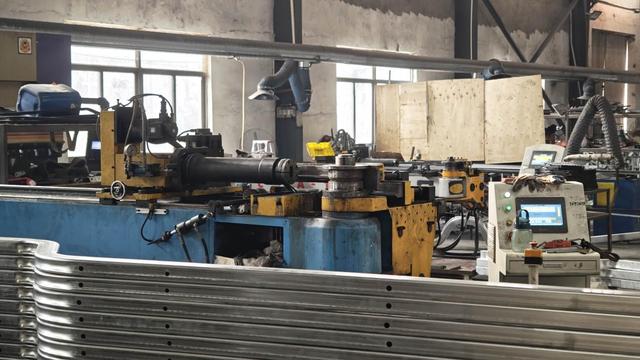
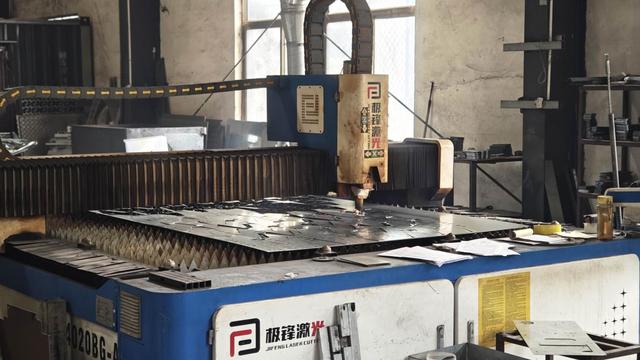
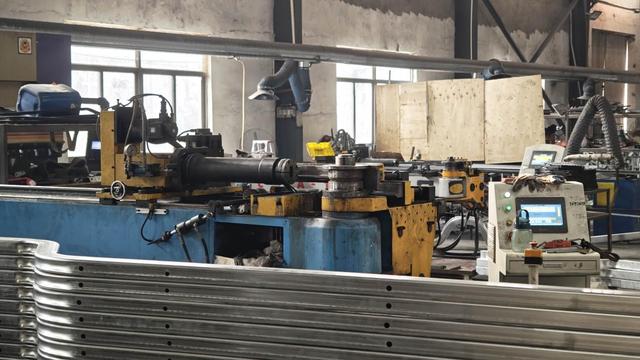
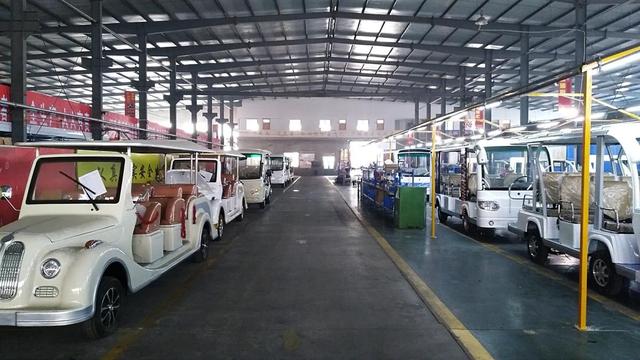
China's position as the primary hub for electric vehicle manufacturing is supported by its comprehensive supply chain ecosystem, particularly in manufacturing hubs like Shenzhen. Shenzhen Kabar Golf Co., Ltd. utilizes this regional advantage by integrating advanced Factory 4.0 manufacturing methodologies. From automated robotic frame welding to precision computerized assembly lines, every step is designed to optimize production efficiency and maintain consistent product quality.
Operating a modern facility covering more than 18,000 square meters and employing over 220 skilled workers, Kabar Golf manages the entire production cycle in-house. This comprehensive control over the manufacturing process ensures that raw materials, structural steel, plastic components, and electronics undergo rigorous testing before assembly. This structured quality management system minimizes defects, shortens lead times, and allows the factory to adapt to changing order volumes from international markets.
The manufacturing process features specialized quality control protocols, including:
Electric off-road vehicles are versatile tools adapted for a wide variety of localized operations. By moving away from internal combustion engines, businesses can deploy these vehicles in indoor environments, noise-sensitive areas, and environmentally protected locations. Below are the primary application scenarios where custom electric utility fleets are driving operational efficiency:
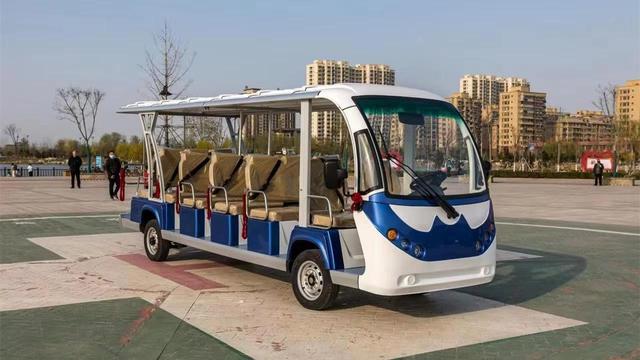
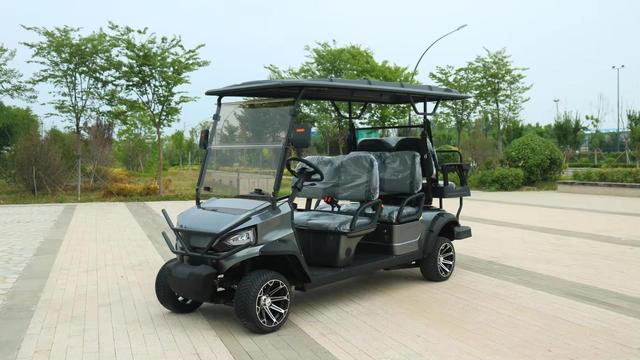
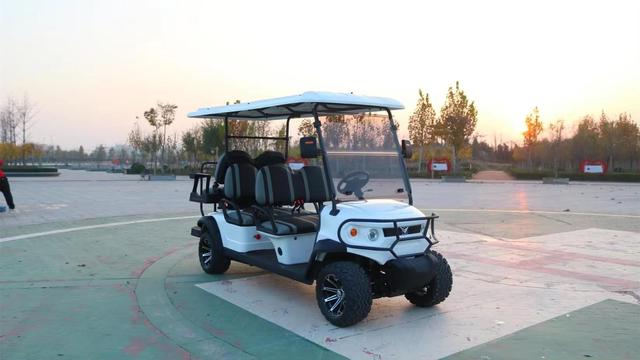
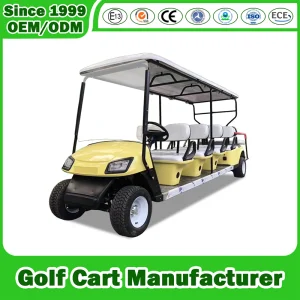
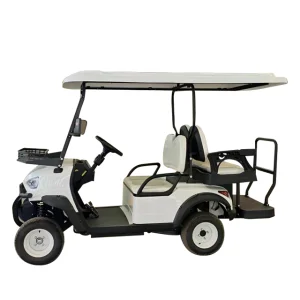
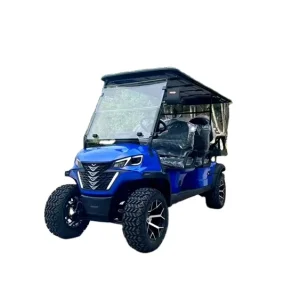
In high-end luxury resorts, coastal hotels, and national parks, passenger comfort and quiet operation are critical to the guest experience. Multi-passenger electric shuttles (ranging from 4-seaters to 8+2 configurations) transport guests smoothly across the property. Equipped with luxury seating, stylish body panels, and optional solar roofs, these vehicles operate quietly in the background, maintaining a peaceful atmosphere for guests while reducing the property's carbon footprint.
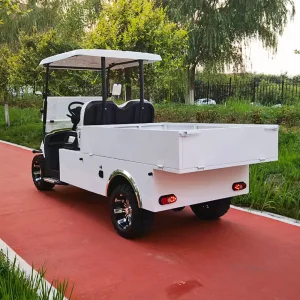
Heavy-duty electric cargo tricycles, utility trucks, and mini-farm vehicles are designed for reliable load carrying. In industrial parks, airports, and warehouse complexes, these utility vehicles move parts, maintenance equipment, and personnel across long distances. Their compact size allows them to navigate narrow aisles and tight turns that standard trucks cannot access, and their zero-emissions drivetrains make them safe for indoor warehouse operations.
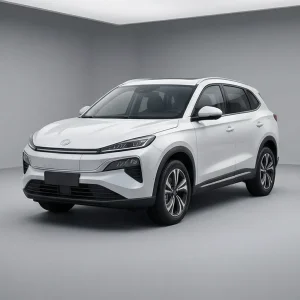
For municipal authorities, university campuses, and gated communities, maintaining safety requires constant, cost-effective patrols. Street-legal electric buggies and low-speed utility vehicles provide security personnel with the mobility needed to navigate pedestrian areas safely. Their quiet operation enables patrols at night without disturbing residents, and their low operating costs help reduce municipal department budgets.
Shenzhen Kabar Golf Co., Ltd. is a professional golf cart manufacturer located in Shenzhen, Guangdong, China. Established in 2014, the company specializes in the research, development, manufacturing, and export of electric golf carts, utility vehicles, and customized mobility solutions for global customers. With a modern production facility covering more than 18,000 square meters and a workforce of over 220 employees, Kabar Golf has developed into a reliable supplier serving golf courses, resorts, hotels, industrial parks, residential communities, airports, campuses, and commercial facilities worldwide.
The company's product portfolio includes electric golf carts, passenger transport vehicles, utility carts, cargo vehicles, resort shuttle carts, street-legal electric vehicles, fleet transportation solutions, and customized mobility vehicles. Designed with a focus on efficiency, comfort, safety, and sustainability, Kabar Golf products help customers improve transportation operations while reducing environmental impact.
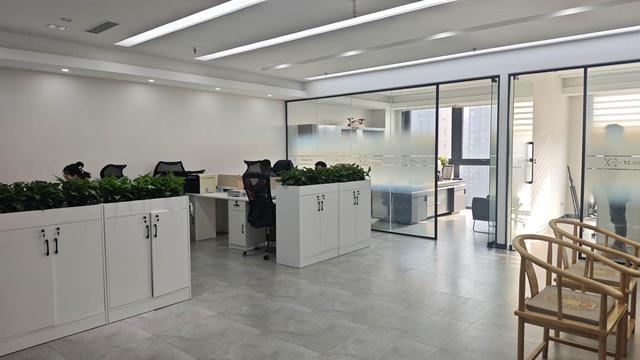
Supported by an experienced engineering and R&D team, Shenzhen Kabar Golf continuously invests in vehicle innovation, battery technology, intelligent control systems, and ergonomic design. The company offers comprehensive OEM and ODM services, including vehicle customization, branding, color matching, seating configurations, accessory integration, and private-label manufacturing to meet the diverse requirements of international markets.
Quality management is integrated throughout every stage of production, from component sourcing and vehicle assembly to testing and final inspection. Advanced manufacturing equipment and strict quality control procedures help ensure consistent product performance and reliability. With products exported to North America, Europe, the Middle East, Southeast Asia, Australia, and other regions, Shenzhen Kabar Golf Co., Ltd. is committed to delivering dependable electric mobility solutions and long-term value for customers worldwide.
LiFePO4 (Lithium Iron Phosphate) batteries offer several advantages over traditional lead-acid options. They deliver a longer operational lifespan (typically over 3,500 charging cycles at 80% Depth of Discharge), require zero regular fluid maintenance, charge significantly faster, and maintain stable voltage output even during deep discharges. This reduces battery replacements and lowers the total cost of ownership.
Many of our passenger transport vehicles and utility carts can be configured to meet regional low-speed vehicle (LSV) standards, including CE certification for European markets and DOT safety compliance for the United States. We offer customized street-legal configurations, including three-point seat belts, side mirrors, horn, turn signals, and hydraulic disc braking systems.
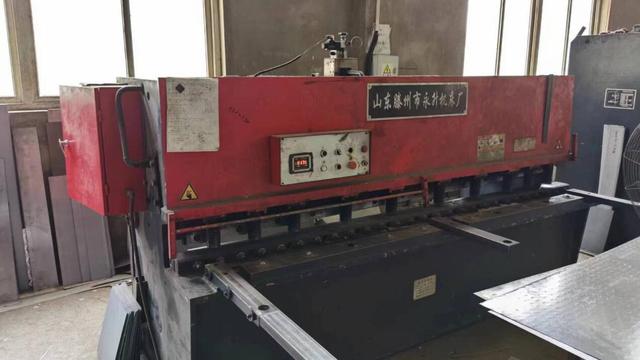
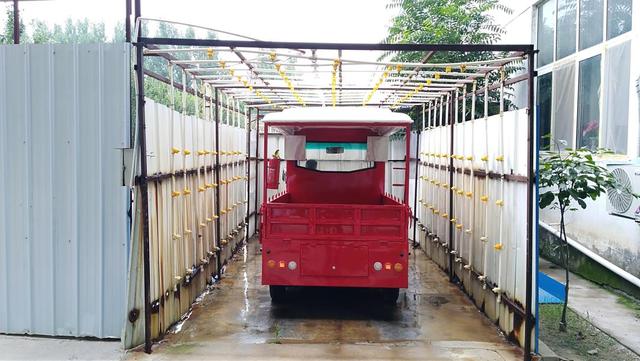
We implement quality control measures at every stage of production at our Shenzhen factory. This includes incoming inspections of battery cells and electronic controllers, automated robotic welding of the high-tensile steel frames, and dyno tests to verify motor efficiency. Finished vehicles undergo alignment, braking, and water-resistance testing before packaging and export.
Yes. Supported by our experienced engineering and R&D team, we offer comprehensive OEM and ODM services. Procurement clients can customize body colors, brand logos, seating arrangements (from 2 to 10 seats), chassis lift heights, tire configurations for off-road use, and cargo bed styles (such as flatbeds, closed boxes, or dump beds).
Typical manufacturing lead times range from 25 to 35 days from deposit confirmation and technical specification sign-off. This timeline may vary depending on order volume and the level of customization required. Our proximity to the Port of Shenzhen allows us to arrange efficient shipping to North America, Europe, Australia, and the Middle East.
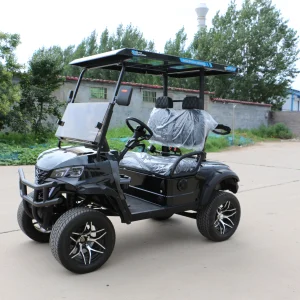
Heavy-duty configurations designed for golf courses, resort shuttle routes, and industrial cargo handling.
 Kabar Golf