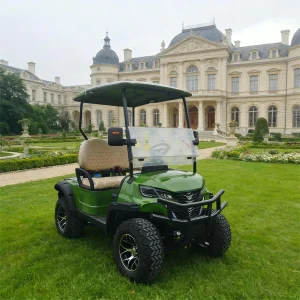
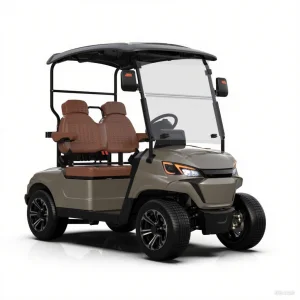
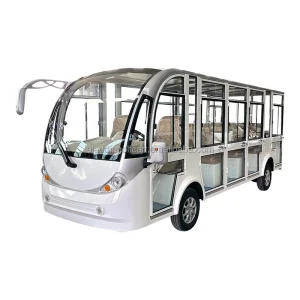
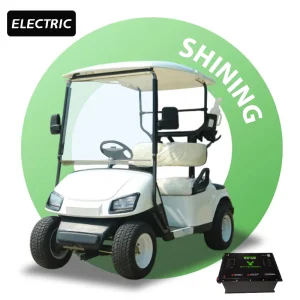
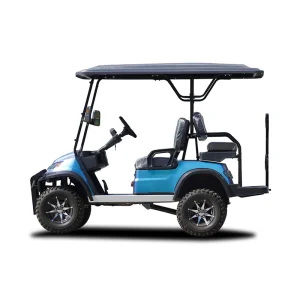
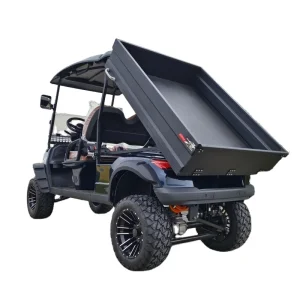
Explore the industry's leading electric sightseeing, cargo, utility, and heavy-duty vehicles designed for global markets.
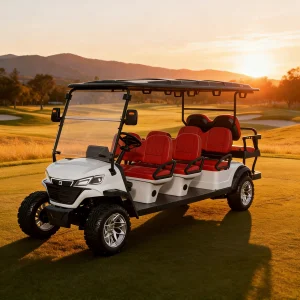
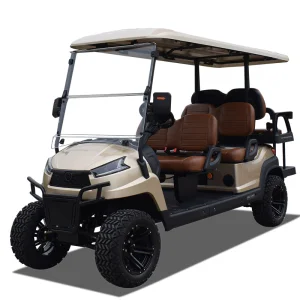
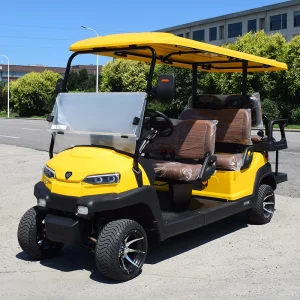
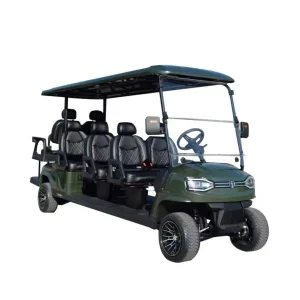
A detailed analysis of micro-mobility market dynamics, battery technologies, global compliance regulations, and localized B2B deployment frameworks.
The global transportation landscape is undergoing an unprecedented paradigm shift, driven by strict carbon neutrality targets, increasing urbanization, and the optimization of logistics within closed or semi-closed environments. At the center of this movement is the convergence of traditional golf carts and nimble micro-mobility configurations, commonly referred to as "Bike-Style" golf carts. These represent a new category of vehicles engineered with a narrower chassis, highly responsive maneuverability, and structural components optimized for multi-purpose lanes, campus environments, and pedestrian-dense areas.
By blending the safety structure, stability, and load-bearing capacity of a traditional electric golf buggy with the compact geometry, agile steering, and energy efficiency typically seen in high-end electric cargo cycles, manufacturers are addressing a crucial gap in municipal and commercial fleet operations. These vehicles offer robust performance profile advantages—such as reduced spatial footprints, zero direct emissions, low noise pollution, and exceptionally low Total Cost of Ownership (TCO) compared to conventional utility trucks or larger passenger shuttles.
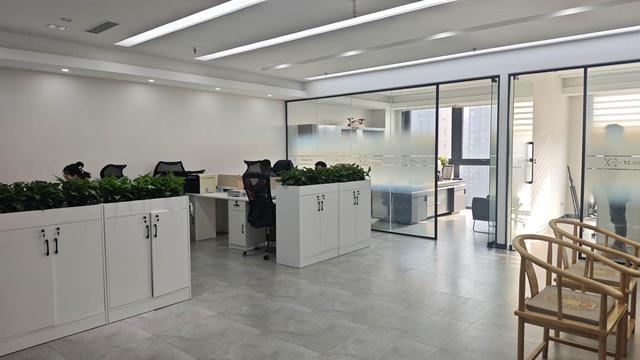
Shenzhen Kabar Golf Co., Ltd. stands as a premier manufacturer and exporter in the electric mobility sector. Established in 2014 in Shenzhen, the high-tech capital of China, the company operates a state-of-the-art production facility exceeding 18,000 square meters. Powered by a workforce of over 220 highly skilled technicians and automotive engineers, Kabar Golf is specialized in delivering customized, commercial-grade electric vehicles designed for hotels, residential complexes, tech parks, and airports globally.
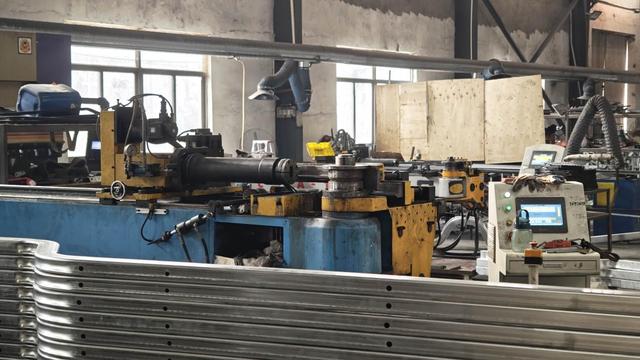
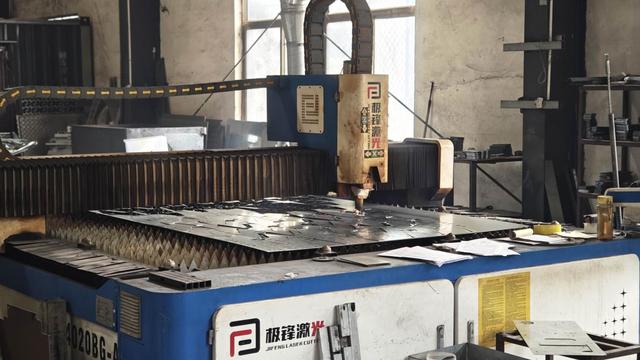
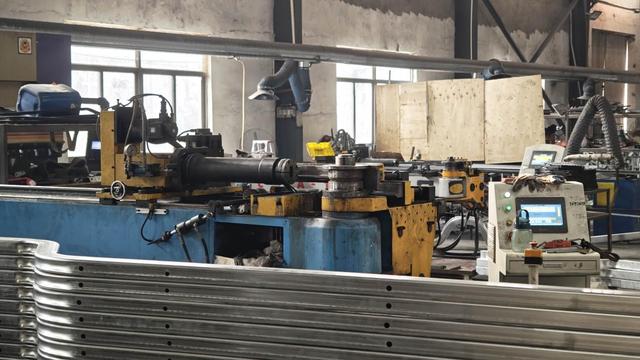
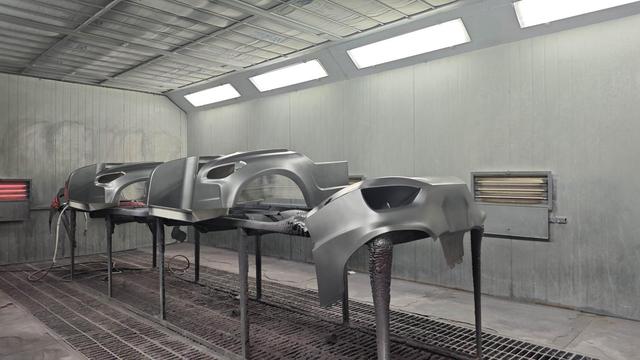
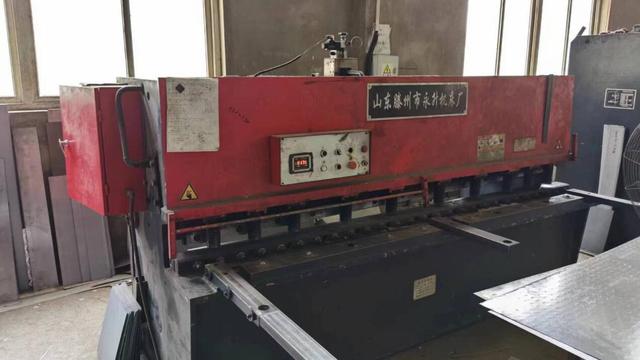
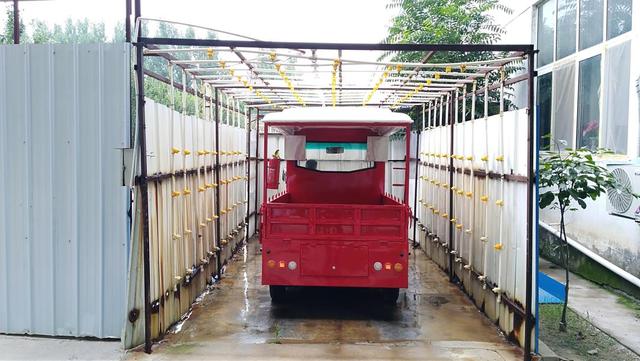
Kabar Golf's core capabilities lie in its advanced vertically integrated manufacturing setup. The facility features robotic welding chassis cells, automated electrophoresis painting lines, precision assembly stations, and comprehensive testing tracks designed to validate vehicle structural integrity, shock absorption systems, and electrical load limits. By implementing strict quality controls at every node of the supply chain—from premium battery cell selection to dynamic chassis alignment—Kabar Golf guarantees that every unit leaves the factory with peak durability and operating efficiency.
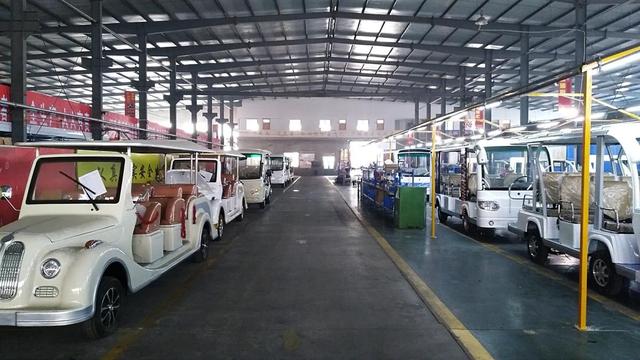
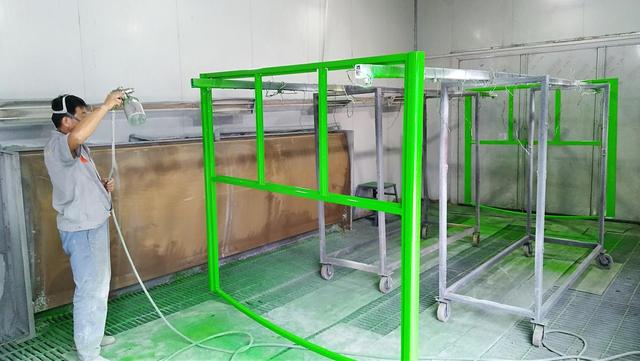
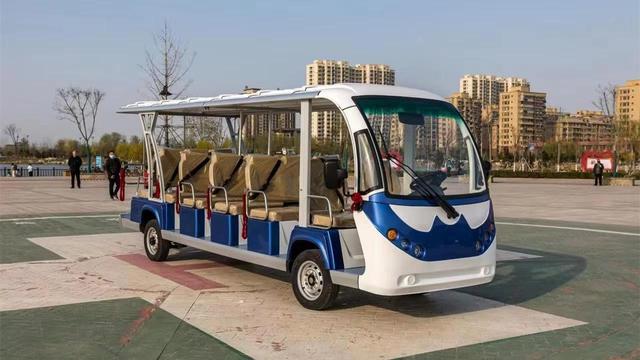
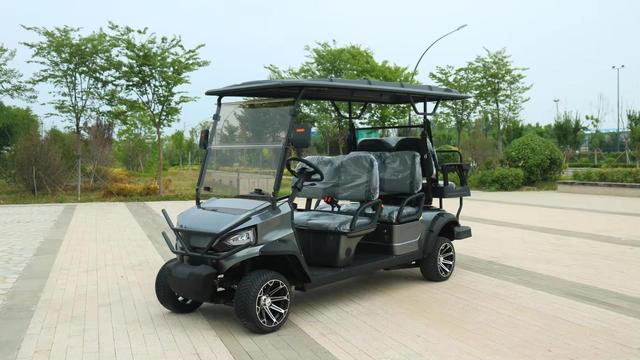
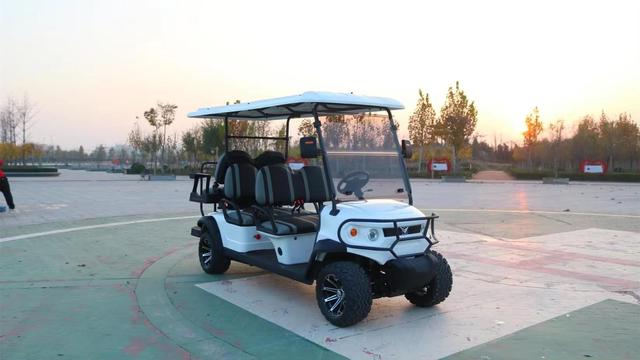
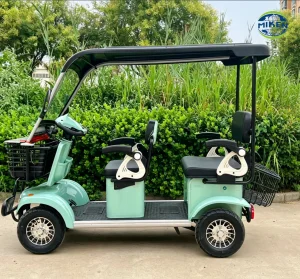
Electric buggies and compact, bike-style golf carts are no longer confined to traditional 18-hole golf courses. Global business sectors are leveraging these energy-dense utility vehicles to tackle diverse structural challenges:
| Vehicle Class | Common Applications | Primary Power Type | Peak Load Range | Specialist Safety Features |
|---|---|---|---|---|
| Intelligent Shuttle (e.g. Wolan Controller) | Smart Campuses, Tech Parks, Corporate Hubs | 72V Lithium-Ion (LiFePO4) | 600 kg - 1,200 kg | Regenerative braking, fleet telematics, collision avoidance sensors |
| Compact Cargo (2-Seater + Cargo Box) | Industrial warehouses, resorts, local delivery | 48V / 72V Lead-Acid or Lithium | 400 kg - 800 kg | Mechanical parking brake, reinforced tailboards, 18-inch off-road tires |
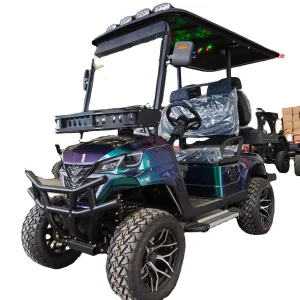
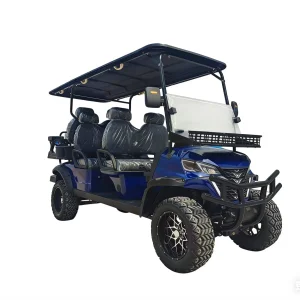
| Off-Road Electric Hunting Buggy | Eco-tourism, hunting fields, farming terrains | 72V High-Output Lithium | 500 kg - 900 kg | Independent suspension, high ground clearance, heavy-duty brush guards |
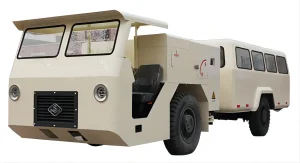
| Underground Mining Utility Vehicle | Underground mines, harsh industrial plants | Explosion-Proof Electric System | 1,000 kg - 2,000 kg | Flameproof motor casing, explosion-resistant battery box, reinforced chassis |
For international buyers and procurement agencies, importing low-speed utility electric vehicles requires navigating complex regional frameworks. Shenzhen Kabar Golf Co., Ltd. ensures all models are optimized to meet or exceed regional legal standards, simplifying customs clearance and local road registration:
While lead-acid configurations have lower initial setup costs, Lithium Iron Phosphate (LiFePO4) systems offer a superior TCO over a 5-year operating period. Lithium packs feature 3,000+ charge cycles compared to just 500-800 cycles for lead-acid. This transition cuts maintenance costs, reduces vehicle downtime, and yields a weight reduction of up to 150 kg per vehicle, dramatically improving steering response and energy efficiency.
The convergence of connectivity and mechanical engineering has driven Kabar Golf to integrate advanced telematics into its product ecosystem. Smart controllers, such as the Wolan Intelligent Controller series, act as the brain of the vehicle, collecting operational telemetry in real time. Features include:
Our standard B2B minimum order quantity starts at 1 container (which can mix different models depending on packing limits, such as SKD or CKD configurations). Standard production lead times are between 25 to 35 days from receipt of the deposit. Custom OEM/ODM requests may require an additional 10 to 15 days for engineering sign-offs.
We offer three main shipping configurations: completely assembled (CBU), semi-knocked down (SKD), and completely knocked down (CKD). SKD uses heavy-duty steel crates protecting the main chassis, requiring minimal assembly on arrival. CKD maximizes space, allowing up to double the units per container, ideal for regional partners with established local assembly facilities.
Yes. We supply 1% to 2% high-wear replacement parts (such as tires, brake pads, bulbs, and plastic panels) free with container orders. For larger fleets and regional dealers, we provide direct remote technical training for maintenance staff and source key drivetrain components (like Curtis or Wolan controllers and KDS motors) that can be easily serviced globally.
Yes, our R&D team works closely with buyers to integrate local safety requirements. We can configure vehicles with DOT-approved tires, 3-point seat belts, safety glass windshields, side mirrors with indicators, horn systems, and mechanical dual-circuit braking lines, making them street-legal in accordance with local regulations.
Premium solutions engineered for heavy-duty industrial facilities, off-road applications, and all-weather transport operations.
 Kabar Golf