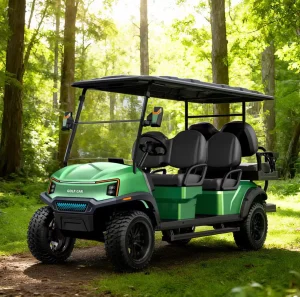
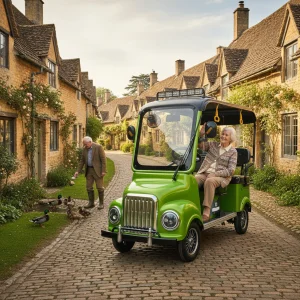
Direct procurement access to high-demand customizable low-speed utility configurations and engineering components.
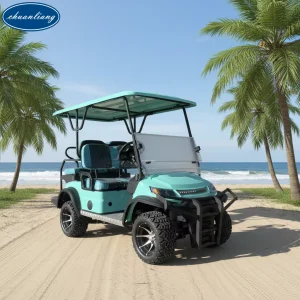
Unveiling the core factors driving supply chain diversification, safety compliance, and power system transformations globally.
The global low-speed electric vehicle (LSEV) and portable electric vehicle (PEV) market is witnessing a tectonic shift. What was once defined simple golf fleet management has now evolved into an integrated, smart-city micro-mobility subsystem. Commercial buyers, municipal developers, and supply chain managers are looking beyond simple transportation; they demand high integration, advanced battery safety (LiFePO4 conversions), and IoT fleet telematics.
This industry report outlines the top paradigms governing the ranking of the Top 10 Portable Electric Vehicle Manufacturers and Exporters, prioritizing key features: structural chassis resilience, power conversion efficiency, strict international quality certifications (like CE, DOT, and EEC), and custom configuration capacities.
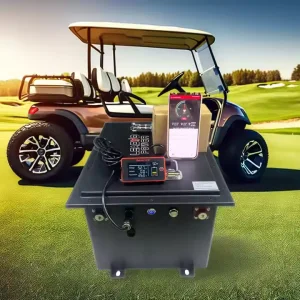
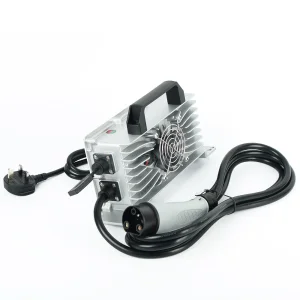
Transitioning from traditional lead-acid configurations to deep-cycle Lithium Iron Phosphate (LiFePO4) chemistries, extending operational lifespan to over 3000-5000 charging cycles while integrating state-of-the-art CAN-bus communication modules.
Modern commercial fleets rely on OTA monitoring systems. Leading manufacturers integrate real-time GPS tracking, electronic speed limiting, geo-fencing capabilities, and diagnostic remote dashboards to optimize fleet maintenance schedules.
With eco-parks, resorts, and corporate campuses targeting zero-emission milestones, the demand for solar-assisted configurations and optimized brushless AC motors with regenerative braking systems is surging rapidly.
Analyzing an industrial leader in precision customization, sustainable vehicle engineering, and global logistics resilience.
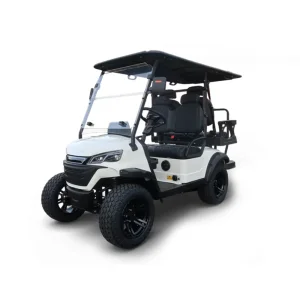
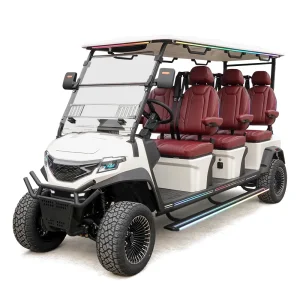
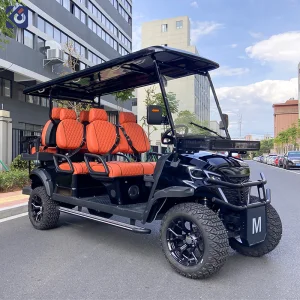
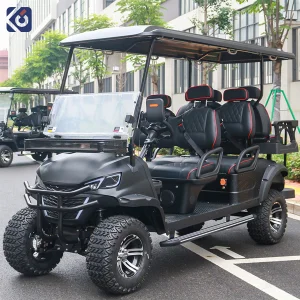
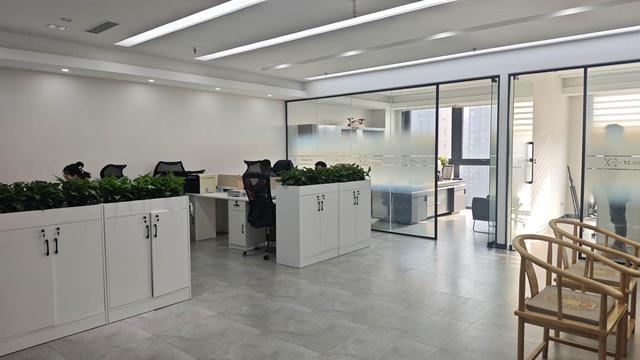
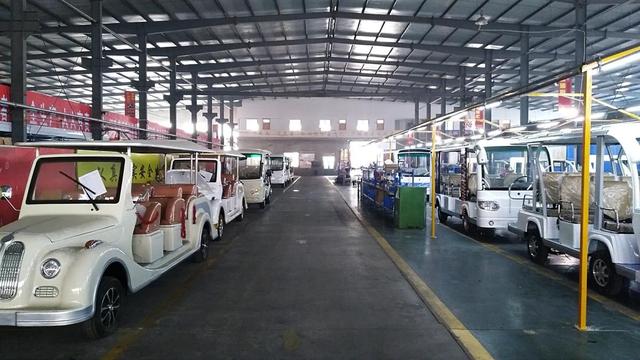
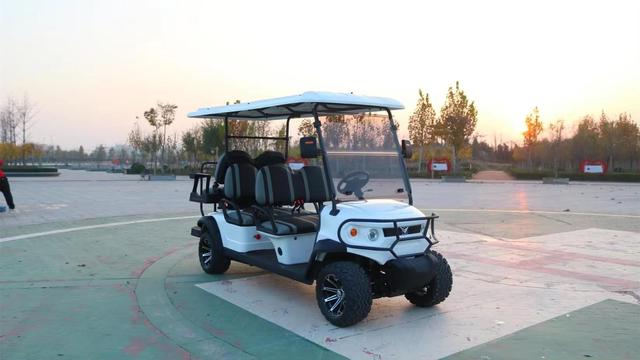
Shenzhen Kabar Golf Co., Ltd. is a professional golf cart manufacturer located in Shenzhen, Guangdong, China. Established in 2014, the company specializes in the research, development, manufacturing, and export of electric golf carts, utility vehicles, and customized mobility solutions for global customers. With a modern production facility covering more than 18,000 square meters and a workforce of over 220 employees, Kabar Golf has developed into a reliable supplier serving golf courses, resorts, hotels, industrial parks, residential communities, airports, campuses, and commercial facilities worldwide.
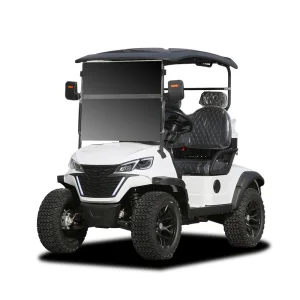
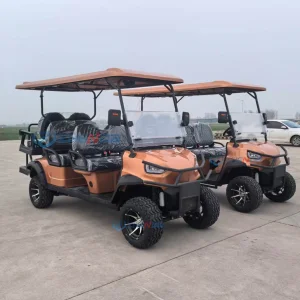
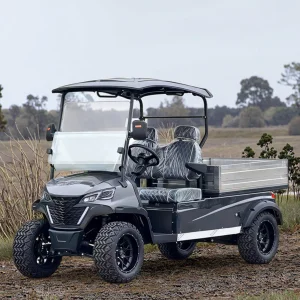
The company's product portfolio includes electric golf carts, passenger transport vehicles, utility carts, cargo vehicles, resort shuttle carts, street-legal electric vehicles, fleet transportation solutions, and customized mobility vehicles. Designed with a focus on efficiency, comfort, safety, and sustainability, Kabar Golf products help customers improve transportation operations while reducing environmental impact.
Supported by an experienced engineering and R&D team, Shenzhen Kabar Golf continuously invests in vehicle innovation, battery technology, intelligent control systems, and ergonomic design. The company offers comprehensive OEM and ODM services, including vehicle customization, branding, color matching, seating configurations, accessory integration, and private-label manufacturing to meet the diverse requirements of international markets.
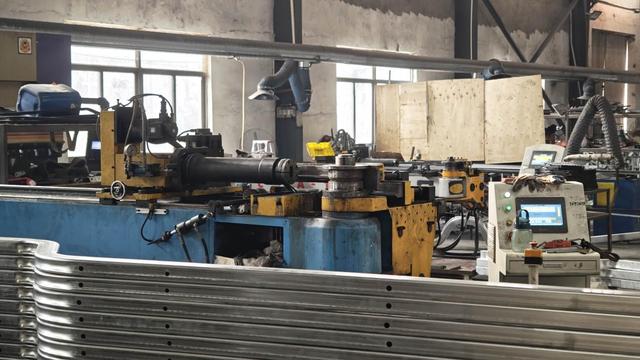
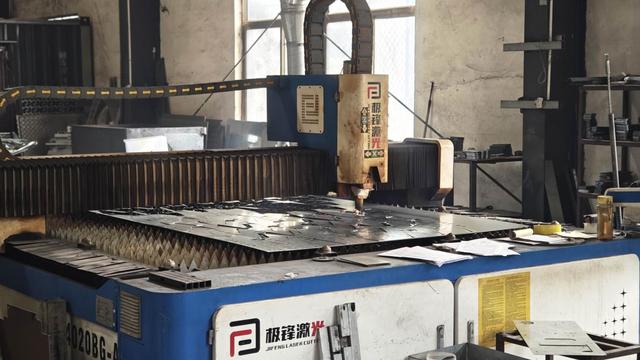
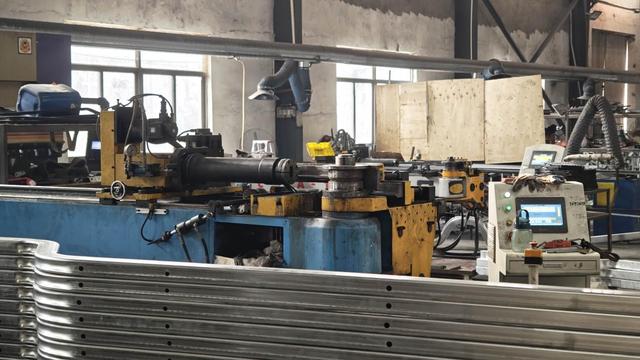
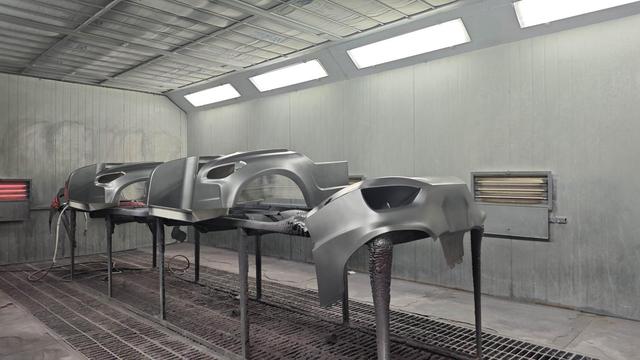
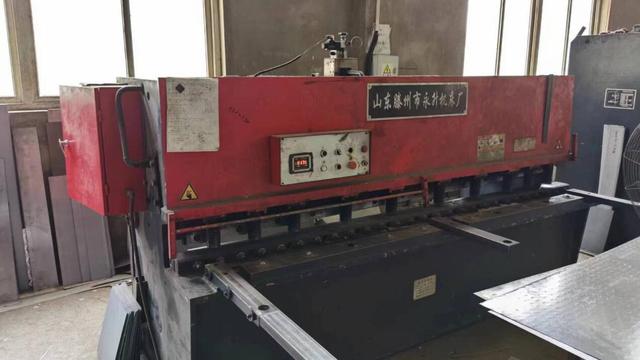
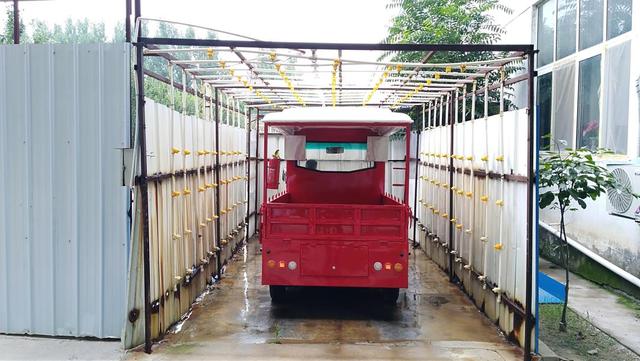
Quality management is integrated throughout every stage of production, from component sourcing and vehicle assembly to testing and final inspection. Advanced manufacturing equipment and strict quality control procedures help ensure consistent product performance and reliability.
With products exported to North America, Europe, the Middle East, Southeast Asia, Australia, and other regions, Shenzhen Kabar Golf Co., Ltd. is committed to delivering dependable electric mobility solutions and long-term value for customers worldwide. The company continues to provide innovative golf carts, utility vehicles, and custom transportation solutions tailored to evolving market needs.
How integrated manufacturing hubs in Southern China guarantee cost-effective, high-reliability fleet logistics.
Global procurement teams analyzing the Top 10 Portable Electric Vehicle Manufacturers must evaluate the strength of a supplier's upstream industrial cluster. Southern China, particularly the Shenzhen-Dongguan manufacturing corridor, houses the world’s most dense electric vehicle component supply chain.
This geographic positioning offers distinct operational advantages:
| Evaluation Indicator | Shenzhen Industrial Clusters | Traditional Regional Hubs | Impact on Procurement (ROI) |
|---|---|---|---|
| R&D Lead Time | 2 - 4 Weeks (Rapid mockups) | 12 - 16 Weeks | Accelerated time-to-market for custom designs |
| Customization Scope | Chassis, Seating, Paint, Solar, IoT | Standardized catalog options only | Full branding and application tailoring |
| BMS & Battery Testing | Automated Cell Matching & Aging | Outsourced third-party testing | Superior product lifespans and zero recalls |
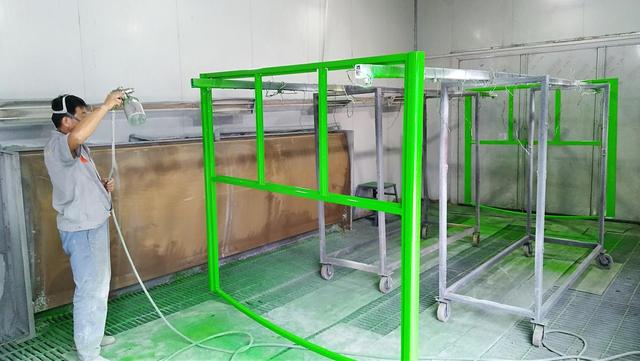
| Chassis Coatings | Electrophoretic coating (E-coat) | Standard spray powder coating | Excellent corrosion resistance in humid/marine areas |
Understanding the legal certifications and custom features necessary to operationalize low-speed electric fleets in overseas jurisdictions.
Must comply with Department of Transportation (DOT) and National Highway Traffic Safety Administration (NHTSA) low-speed vehicle (LSV) rules. Key features include three-point seatbelts, side mirrors, turn signals, and a max speed capped at 25 mph (40 km/h).
Requires L6e (light quadricycles) or L7e (heavy quadricycles) category approvals. Vehicles must feature hydraulic braking systems, integrated warning signals, eco-friendly drive profiles, and pass strict electromagnetic compatibility (EMC) testing.
Requires high-capacity air-conditioning units, dust-proof motor seals (IP65+ ratings), solar-assisted recharge rooftops, and off-road tires. Must perform consistently at temperatures exceeding 50°C without battery thermal runaway.
Exploring specialized roles for low-speed electric fleets in modern commercial industries.
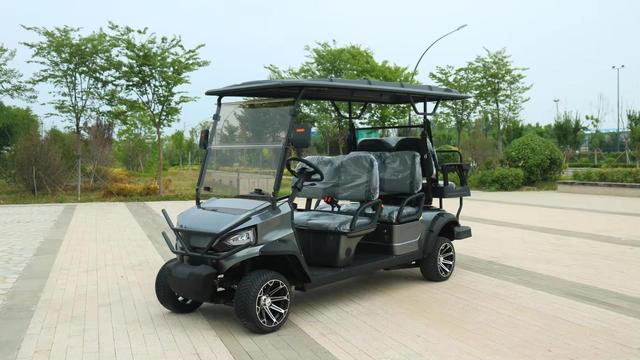
Premium golf clubs demand quiet operation, smooth suspensions, and grass-friendly tires. High climbing ability is critical for courses with steep terrain, while comfortable seating and sleek aesthetics elevate the guest experience. Integrated GPS screens and digital scoring panels are standard add-ons for modern layouts.
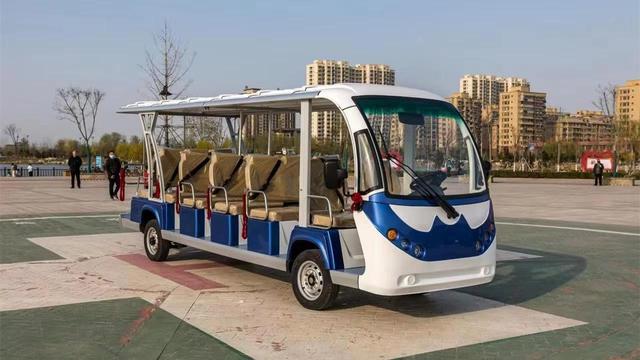
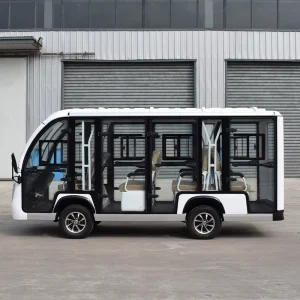
Airports and large campuses require low-maintenance passenger shuttles (such as 11-seater configurations) and cargo utility vehicles. These must feature rapid charging and high-efficiency AC motors to support continuous shifts throughout the day.
In heavy industrial spaces, safety and utility come first. Custom flatbeds, heavy cargo boxes, and emergency response configurations help streamline internal logistics, material handling, and security patrols.
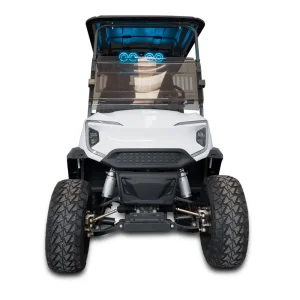
Outdoor enthusiasts and resort operators require elevated ground clearance, heavy-duty suspension systems, and high-torque motors. Off-road vehicles must handle uneven terrain, mud, and steep grades without sacrificing range or safety.
Expert answers to help you navigate import certifications, customized vehicle options, and battery choices.
High-capacity transporters, smart off-road setups, and outdoor utility options for industrial facilities.
 Kabar Golf