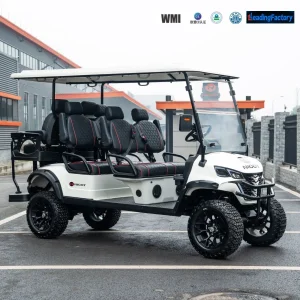
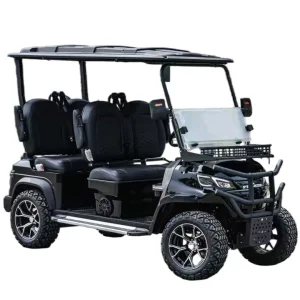
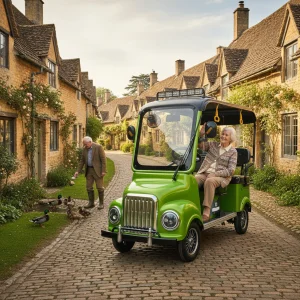
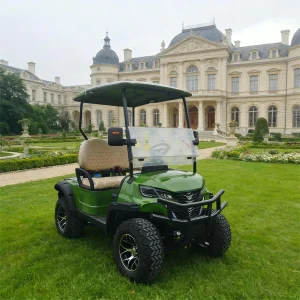
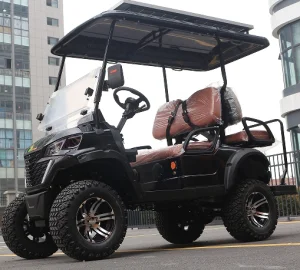
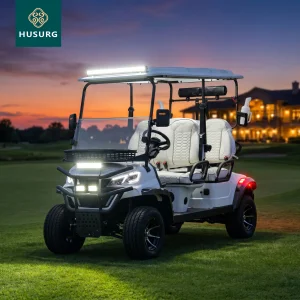
Explore our leading fleet systems engineered for elite performance, environmental compliance, and long-range utility across commercial applications.
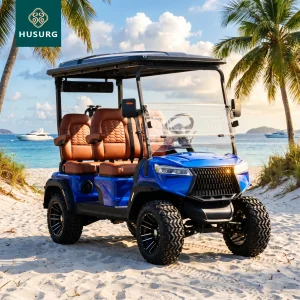
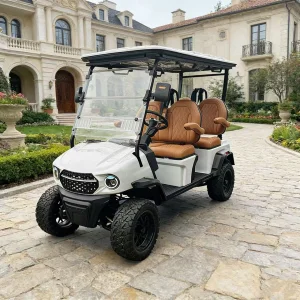
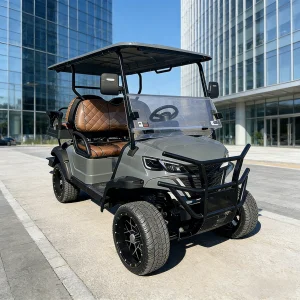
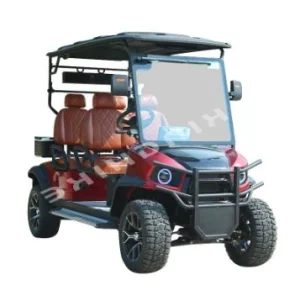
The global low-speed electric vehicle (LSEV) landscape is undergoing a monumental paradigm shift. No longer confined to the manicured fairways of golf courses, high-performance golf carts and utility buggies have transitioned into key components of modern campus, urban, and industrial mobility systems. Driven by deep-seated zero-emission regulations and rapid infrastructure development, manufacturers are engineering vehicles capable of extended duty cycles, complex off-road navigation, and integration into municipal street networks.
Technological breakthroughs in lithium iron phosphate (LiFePO4) battery chemistry, high-efficiency AC motors, and intelligent motor controllers (such as the industry-standard Curtis Controllers) are establishing a new baseline of performance. Today's commercial fleets demand vehicles that provide a running range exceeding 70-90 km on a single charge, faster fast-charging intervals, and integrated safety architectures like Electromagnetic Braking (EMB) systems.
Furthermore, integration of telemetry, GPS geofencing, and automated fleet diagnostics is standardizing fleet operations for multi-facility operations. As global urban planners look for green alternatives to light commercial combustion utility vehicles, high-performance, street-legal golf carts fill the gap, offering unmatched maneuverability, ease of maintenance, and lower cost of ownership (TCO).
For industrial buyers, enterprise procurement managers, and resort operators, selecting the right golf cart fleet is a multifaceted financial and operational decision. Reliability, safety certifications, and manufacturer stability take precedence over initial acquisition price. Corporate procurement mandates increasingly focus on safety and compliance criteria, forcing global vendors to offer certified low-speed electric vehicles.
Key purchase factors scrutinized in B2B procurement include:
Procurement Insight: High-performance fleets integrating premium lithium systems cut maintenance costs by up to 65% compared to traditional lead-acid operations. With zero acid spills, no daily watering, and a reduced carbon footprint, lithium is now the dominant power source for corporate buyers.
At the core of the global electric utility cart supply chain is the transition to Factory 4.0 principles, with Shenzhen leading the way. Manufacturers like Shenzhen Kabar Golf Co., Ltd. (founded in 2014) demonstrate how high-precision manufacturing, automated quality control, and localized vertical integration create reliable global supply chains.
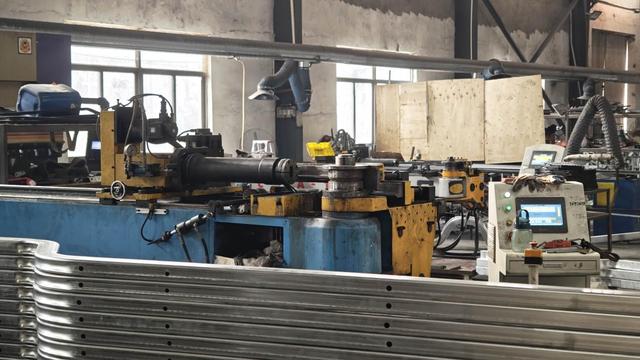
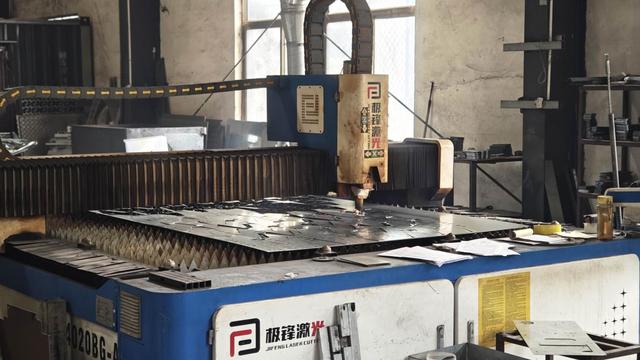
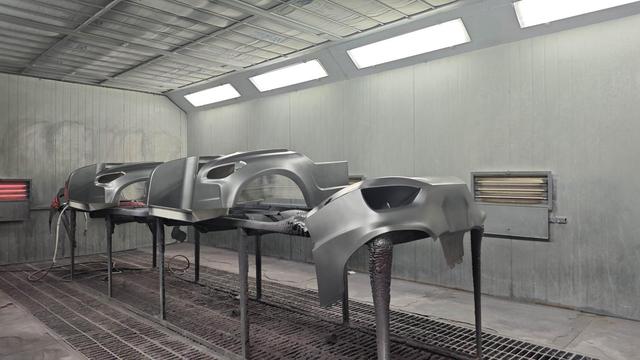
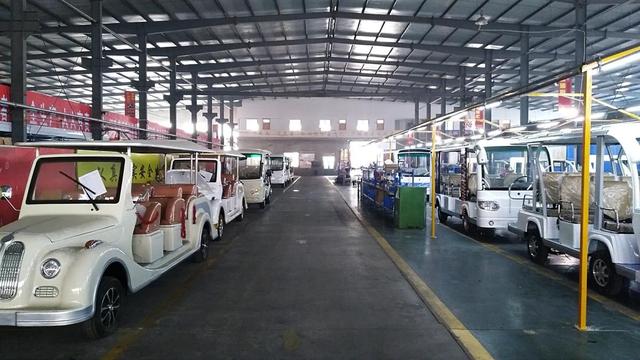
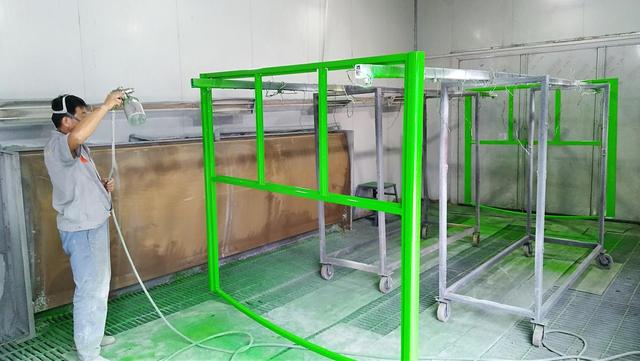
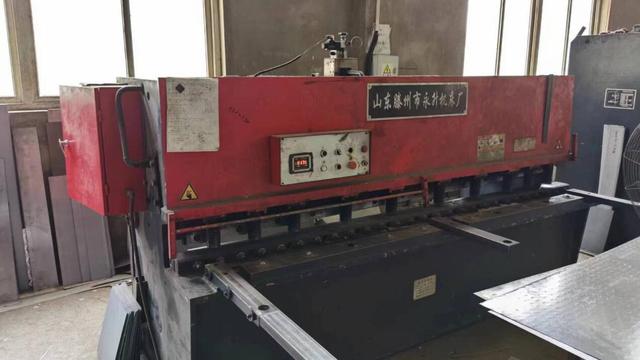
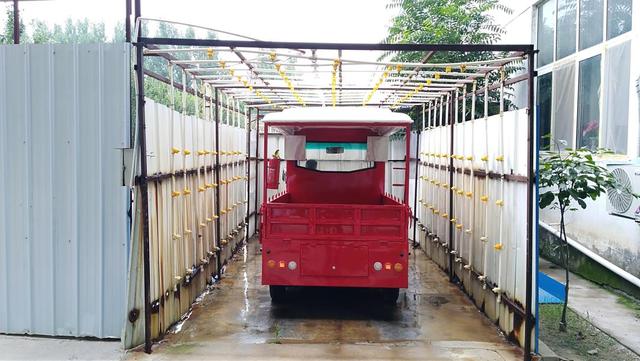
Operating a modern production facility spanning more than 18,000 square meters with an elite engineering workforce of over 220 professionals, Kabar Golf has optimized its manufacturing flow. By integrating automated robotic chassis welding, computerized controller diagnostic bays, and environmental test chambers, the factory delivers consistent vehicle reliability.
This vertical integration reduces lead times for complex OEM/ODM projects. From modifying seating configurations (2, 4, 6, to 8-seaters) to integrating custom cargo enclosures and heavy-duty suspension packages, Chinese Factory 4.0 infrastructure offers unparalleled scaling capabilities. Having battery development and vehicle assembly in close geographic proximity also ensures fast validation of new electrical designs, keeping manufacturers ahead of global competitors.
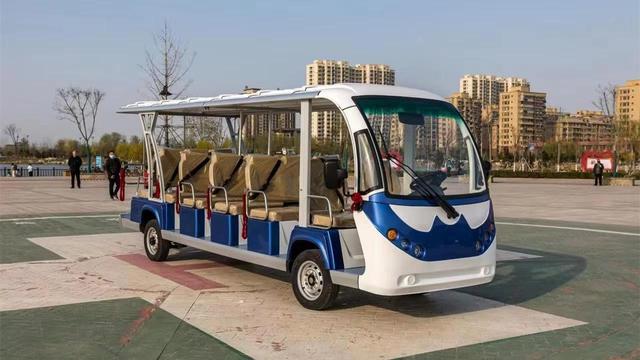
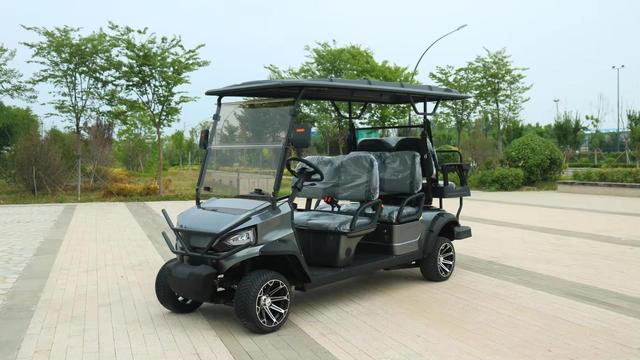
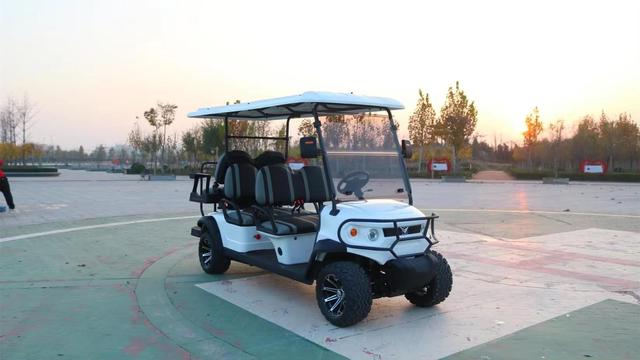
High-performance electric vehicles must adapt to diverse operational landscapes. A standard golf cart design cannot handle the heavy demands of resort guest transport, rugged off-road hunting reserves, or clean-room airport cargo handling. Manufacturers now build application-specific utility packages:
Discover heavy-duty cargo utility models, off-road hunting vehicles, and innovative solar-powered passenger options designed for industrial use.
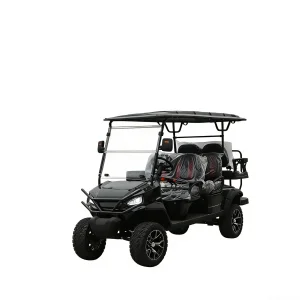
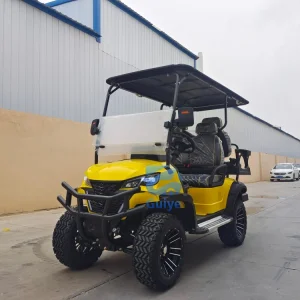
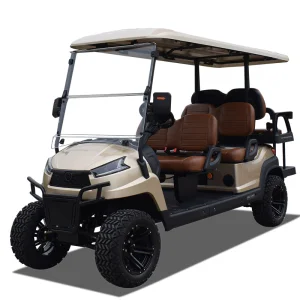
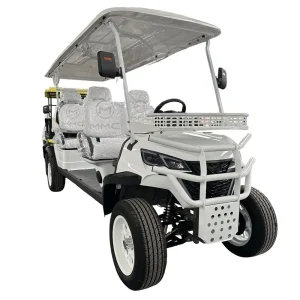
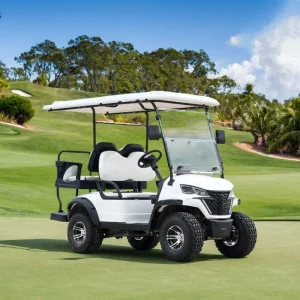
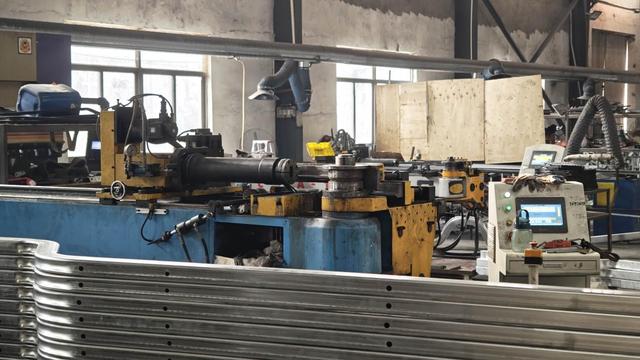
Take a look inside the modern manufacturing facilities of Shenzhen Kabar Golf Co., Ltd. Here, advanced production lines, automated frame welding stations, and professional electrical diagnostic testing bays work together to build reliable vehicles. The plant's strict QA protocols ensure that every electric golf cart and utility buggy matches international standards before shipping to destinations across North America, Europe, Australia, and Asia.

 Kabar Golf