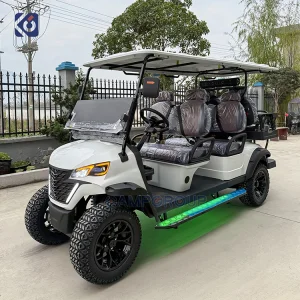
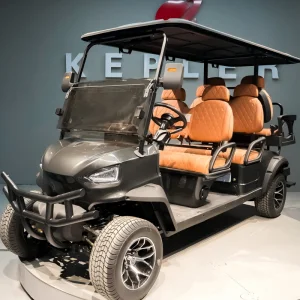

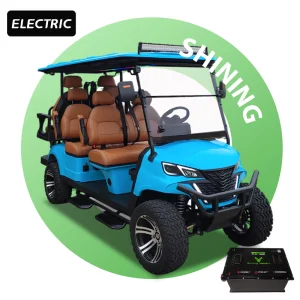
Exploring the macro-level transition from internal combustion engines to high-efficiency, zero-emission smart utility configurations in industrial settings.
The global market for Electric Utility Vehicles (EUVs) is undergoing an unprecedented expansion, driven by stringent corporate sustainability targets, zero-emission mandates in metropolitan areas, and the operational cost advantages of electric powertrains. From commercial resorts and municipal parks to large-scale industrial complexes and golf courses, organizations are auditing their carbon footprints and replacing internal combustion utility fleets with quiet, reliable, and energy-dense electric alternatives.
In addition to cost and environmental benefits, the integration of smart-grid charging systems and telematics has transformed electric utility vehicles into data-gathering endpoints within corporate networks. Modern fleet managers track vehicle location, battery health, load weights, and geofenced speed limits in real-time, boosting safety metrics and optimizing operational productivity.
Established in 2014, Kabar Golf stands as an industry benchmark in R&D, structural design, and large-scale manufacturing of electric mobility systems.
Strategically situated in Shenzhen, Guangdong—the technological epicenter of China—Shenzhen Kabar Golf Co., Ltd. has established itself as an innovative force in the electric vehicle ecosystem. Since its inception, the company has integrated cutting-edge hardware design with reliable battery management protocols, engineering vehicles that endure intensive daily use across diverse environmental conditions.
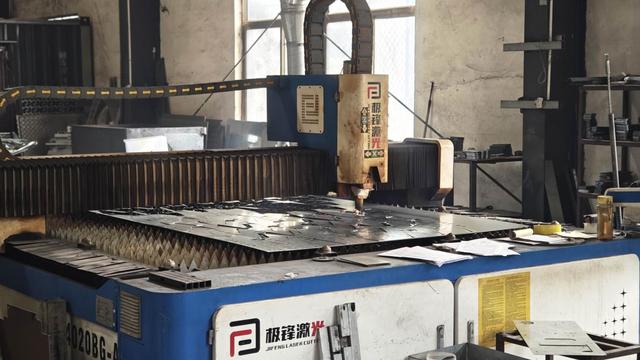
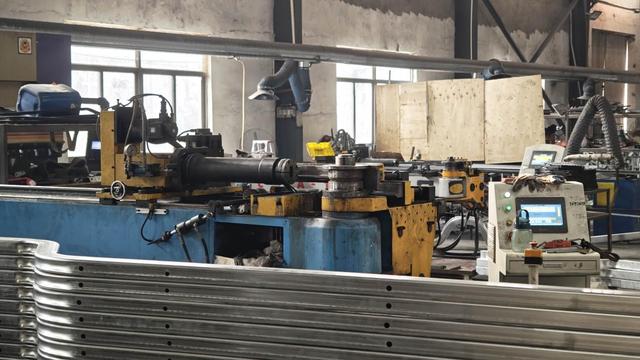
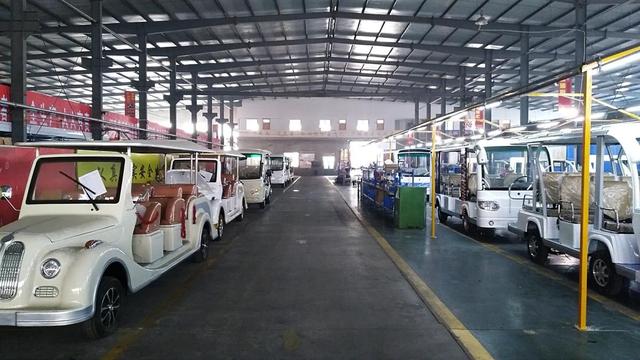
Spanning an advanced production hub exceeding 18,000 square meters and staffed by a dedicated group of over 220 engineers and manufacturing specialists, the facility runs under rigorous ISO 9001 and ISO 14001 guidelines. Kabar's comprehensive product lineup includes electric golf carts, heavy-duty utility vehicles, multi-passenger airport/resort shuttles, and specialized street-legal configurations. By offering specialized OEM and ODM programs, Kabar ensures international customers receive tailored adjustments in frame layout, suspension travel, battery chemistry, and payload capability.
Tailored frame alignments, custom chassis modifications, and application-specific gear ratios for heavy industrial demands.
High-density LiFePO4 cells paired with dynamic smart BMS boards to prevent thermal runaway and prolong battery life cycles.
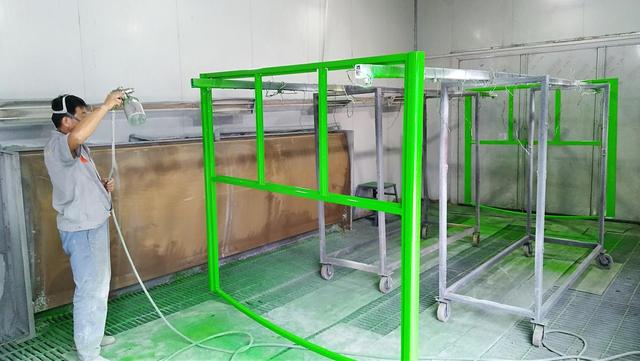
Hot-dip galvanized steel frames and powder-coated aluminum members designed to withstand high humidity and coastal environments.
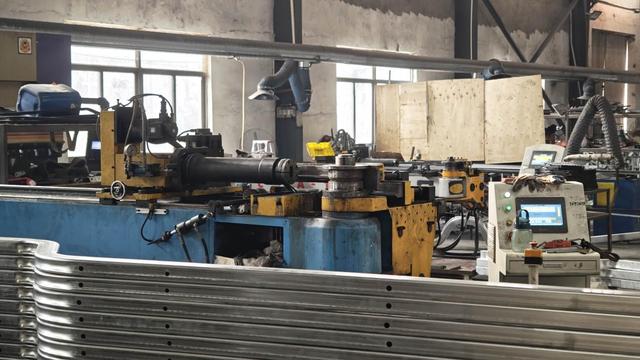
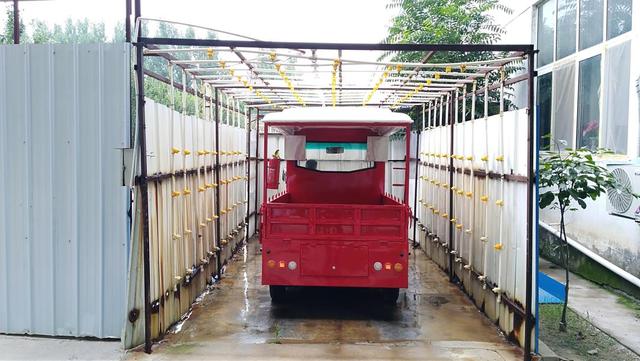
Quality management is not merely a step in Kabar's assembly process; it forms the backbone of their operations. Before leaving the facility, every chassis undergoes computerized wheel alignment, dyno testing, electronic load checks, and outdoor track trials to verify dynamic stability, braking efficiency, and structural integrity under full payload capacity.
Analyzing why Shenzhen and the broader Guangdong industrial cluster represent the ultimate hubs for sourcing high-performance Electric Utility Vehicles.
The success of Shenzhen Kabar Golf Co., Ltd. is deeply tied to the robust supply chain ecosystem of the Greater Bay Area in Southern China. Unlike manufacturers in other regions, Chinese factories operate within a concentrated, high-velocity network of component suppliers, testing laboratories, and shipping hubs. From premium steel extrusion plants and microchip fabricators to specialized tire developers, every necessary resource is situated within a two-hour logistics circle.
This localized supply chain density offers substantial advantages to global commercial buyers:

How differing industries utilize electric utility vehicle specifications to maximize efficiency, payload throughput, and passenger comfort.
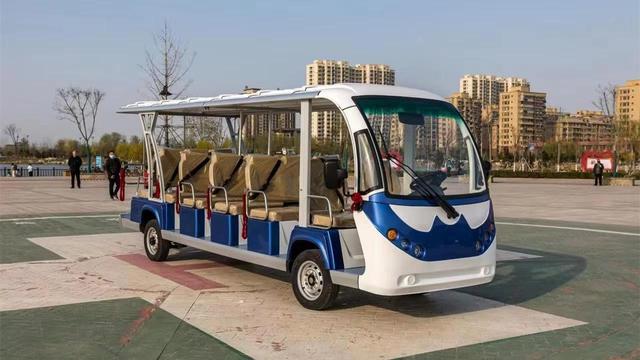
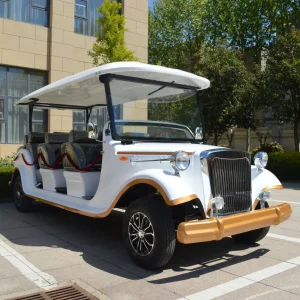
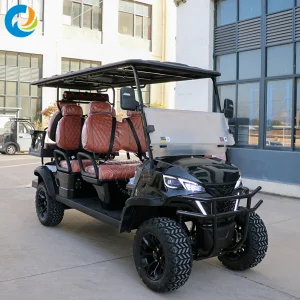
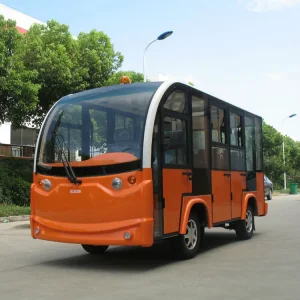
Large resort complexes require guest transfers that prioritize tranquility and clean air. Custom 6-seat to 12-seat open or closed resort shuttles operate quietly, transporting visitors and luggage without disturbing the serene resort environment.
Key Parameter: 72V low-noise AC motor, custom luggage racks, and soft-ride coilover suspensions.Modern farm layouts demand vehicles that traverse mud, loose gravel, and steep inclines while hauling heavy feed or equipment. 4x4 utility configurations provide a quiet, exhaust-free alternative to traditional loud diesel tractors.
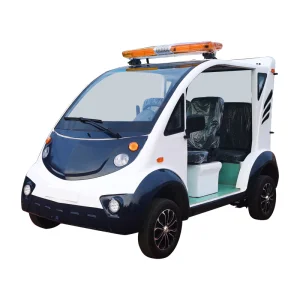
Key Parameter: High-torque 5kW/7.5kW motors, aggressive off-road knobby tires, and heavy-duty cargo boxes.Safety and maintenance crews in chemical plants, manufacturing complexes, and airports must traverse indoor and outdoor zones quickly. Narrow profiles, warning lights, and weatherproof cabins ensure continuous operation in all conditions.
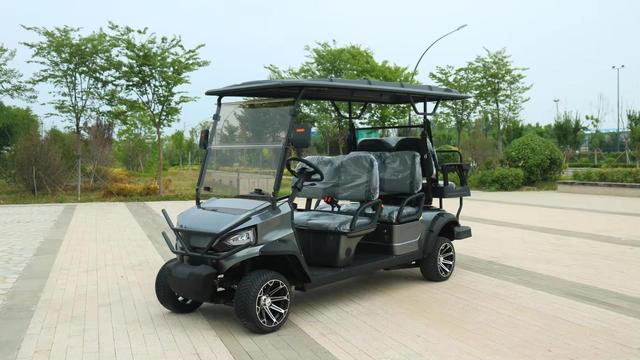
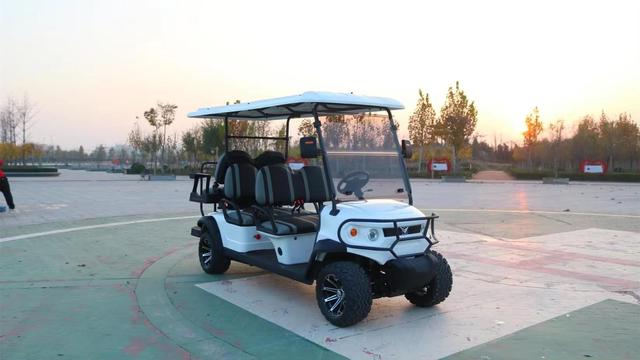
Key Parameter: 48V/72V systems, dynamic LED lighting kits, and customizable enclosure systems.Standard golf carts have evolved into street-legal neighborhood electric vehicles (NEVs). Modern communities leverage these vehicles for local shopping trips, school runs, and short errands, easing urban traffic congestion.
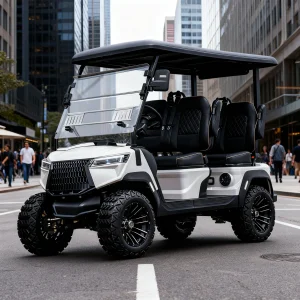
Key Parameter: DOT-certified windshields, safety belts, side mirrors, and integrated turn signals.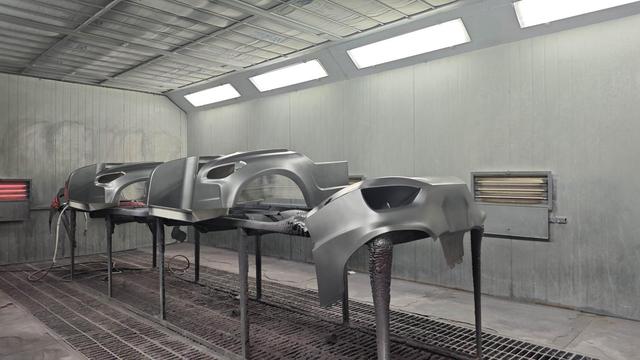
How innovations in power electronics, battery chemistry, and autonomous systems are shaping the utility vehicles of tomorrow.
The electric utility vehicle landscape is advancing beyond simple lead-acid golf configurations. As buyers seek longer operational ranges, faster charging cycles, and enhanced safety features, manufacturers are designing new technological solutions. Sourcing managers should focus on three primary technical directions:
While traditional utility vehicles operated on 36V or 48V arrays, modern designs are transitioning to 72V and 96V powertrains. Higher voltage systems draw less current to produce the same power output. This reduction in current limits heat generation across wire harnesses, increases overall motor efficiency, and allows vehicles to tackle steep terrain without overheating sensitive electronic components.
Lithium Iron Phosphate (LiFePO4) chemistry has emerged as the industry standard for commercial fleets. Compared to lead-acid batteries, LiFePO4 chemistry provides significant performance improvements:
| Performance Indicator | Lead-Acid Battery Systems | LiFePO4 Lithium Battery Systems | Operational Advantage |
|---|---|---|---|
| Expected Life Cycles | 300 - 500 cycles (80% DoD) | 3,000 - 4,000+ cycles (80% DoD) | Extends fleet life to 10+ years without replacement |
| Dead Weight Impact | Heavy (approx. 180kg for 48V set) | Light (approx. 45kg for 48V set) | Improves cargo capacity and reduces turf damage |
| Daily Maintenance | Requires distilled water refilling | Completely maintenance-free | Reduces labor costs and eliminates acid spills |
| Charging Efficiency | Slow charge time (8 - 10 hours) | Rapid charging (2 - 3 hours) | Enables opportunity charging during shift breaks |
Smart utility fleets are now integrating advanced control technologies. The introduction of Auto-Cruise, Smart-Following, and LiDAR-guided pathing allows specialized vehicles to follow operators automatically or run pre-programmed patrol routes within industrial complexes, minimizing manpower needs for repetitive transport tasks.
Understanding global certifications required for legal import, public road operation, and industrial safety compliance.
Deploying utility vehicles on public roads or within complex industrial environments requires adherence to international safety and emission standards. Sourcing from a certified manufacturer ensures that the vehicles comply with local regulations, preventing potential customs issues and liability risks.
Key regulatory frameworks for electric utility vehicles include:


Expert answers regarding battery systems, maintenance, compliance, and international shipping configurations.
 Kabar Golf