China Wholesale Smart Transport Solutions Factories & Exporters

High-Performance Fleet Management, Next-Gen Lithium Electric Drivetrains, and Certified Green Mobility Solutions from Shenzhen Kabar Golf Co., Ltd.

Global Industry Overview & The Rise of Smart Transport

An in-depth whitepaper analysis on modern off-road electric mobility, localized integration, and manufacturing capabilities.

The global light-duty electric vehicle (LDEV) and low-speed vehicle (LSV) industries are undergoing a massive technological shift. The market is transitioning from standard lead-acid powered recreational buggies to fully integrated IoT smart transport networks. Today, commercial fleet operators, hospitality chains, and industrial facilities expect their micro-mobility solutions to perform efficiently, offer maximum safety, and integrate seamlessly with cloud-based management platforms.

"Smart transport solutions are not merely about propulsion shift; they represent a convergence of heavy-duty mechanics, battery management intelligence, cloud telemetry, and localized compliance architectures."

As cities and enterprises commit to carbon neutrality, micro-mobility fleets are serving as critical components of zero-emission operational targets. The transition requires a deep understanding of energy density optimizations, heavy-duty mechanical engineering, and automated safety standards. Shenzhen Kabar Golf Co., Ltd., founded in 2014, has positioned itself at the center of this movement, engineering high-end customized electric golf carts, resort shuttle buggies, and heavy-duty utility vehicles that meet these expectations.

2014
Established
18K+ m²
Production Area
220+
Skilled Employees
50+
Global Regions

1. The Technological Roadmap: Powertrains, Batteries & IoT

The core performance of modern smart transport units rests on three pillars: electric drivetrains, intelligent battery management systems (BMS), and connected vehicle software. Traditional golf vehicles operated on DC systems, which required extensive carbon-brush maintenance and offered low energy efficiency. Modern designs utilize high-voltage AC motors (ranging from 3.5kW to 5kW and above) paired with advanced controller units (such as Curtis controllers) that allow for smooth acceleration curves, regenerative braking, and intelligent hill-descent control.

🔋
LiFePO4 Integration

Utilizing high-density Lithium Iron Phosphate chemistry with smart BMS protection, offering over 3000 charge cycles and thermal stability.

📡
GPS Fleet Telemetry

Real-time geofencing, remote diagnostics, and battery status tracking for fleet managers via web dashboards and mobile applications.

☀️
Solar Range Extension

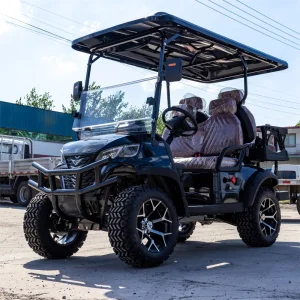
Integrated solar panel rooftops that continually trickle-charge the battery pack, extending daily range by up to 20-30% in sunny regions.

By shifting to Lithium-Iron-Phosphate (LiFePO4) battery packs, modern utility fleets achieve significant advantages. Lithium batteries have higher energy densities, weigh up to 70% less than equivalent lead-acid packs, and require no maintenance. The integration of advanced solar panel rooftops provides a constant trickle charge, which is highly beneficial for open-air resorts and sunny golf courses in regions like Australia, the Middle East, and Southern Europe. This feature minimizes grid dependency and keeps fleets operational for longer periods.

Shenzhen Kabar Golf Manufacturing Excellence

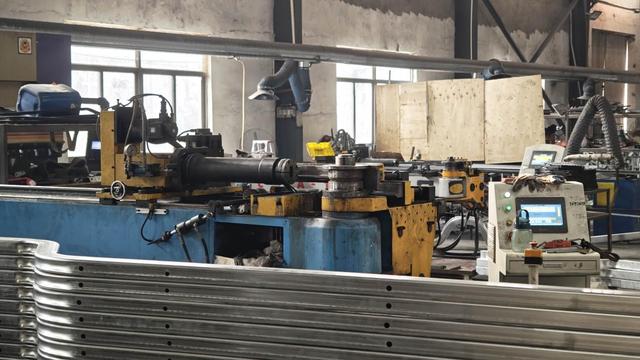
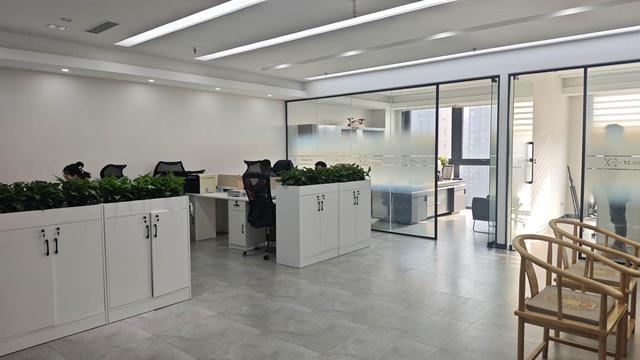
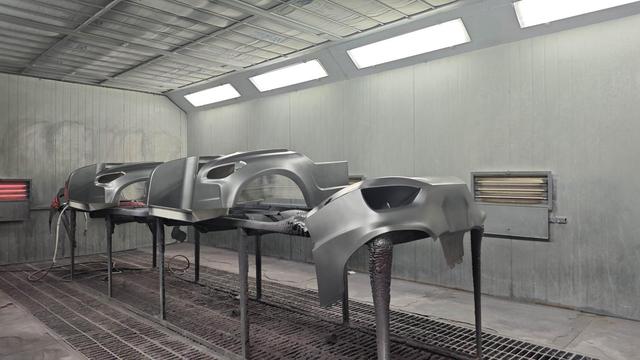
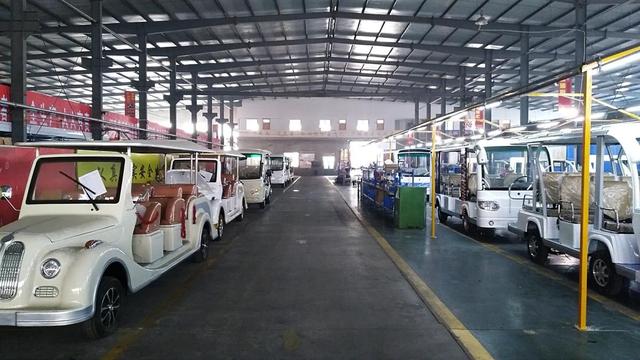
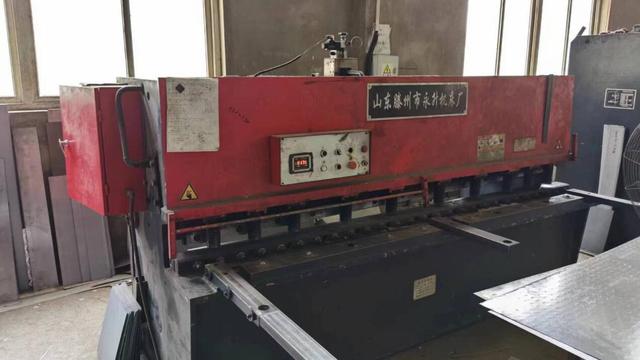
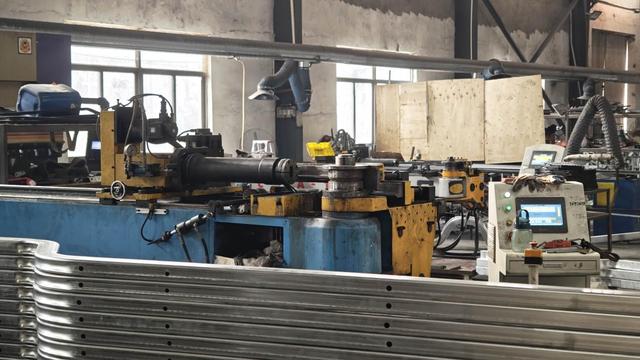
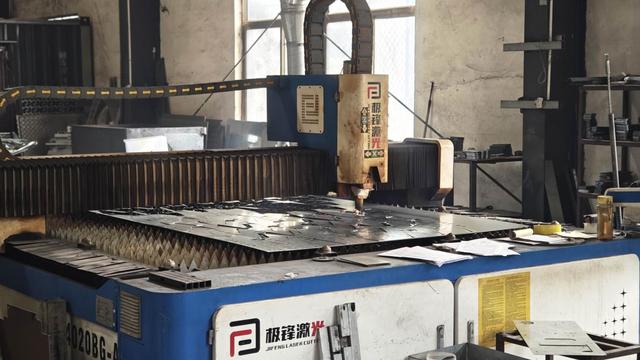
A look inside our 18,000 square meter state-of-the-art production facility in Guangdong, China.

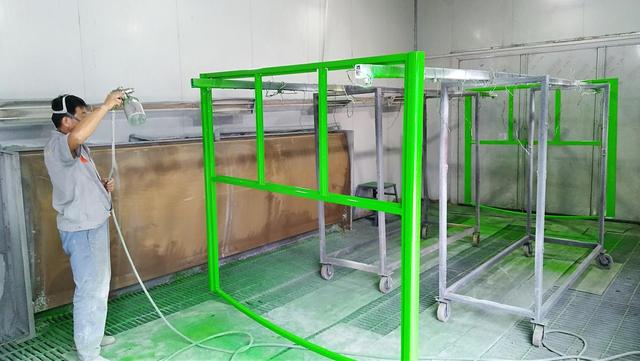
Located in Shenzhen, Guangdong—the tech capital of China—Shenzhen Kabar Golf Co., Ltd. leverages the region’s advanced electronics and automotive ecosystems. Since 2014, the company has integrated research, development, assembly, and testing under one roof. Every vehicle undergoes structural tests, frame corrosion resistance checks, electrical load simulations, and final test-track runs before delivery.
🏗️ 2. Supply Chain Resiliency & Raw Material Advantages

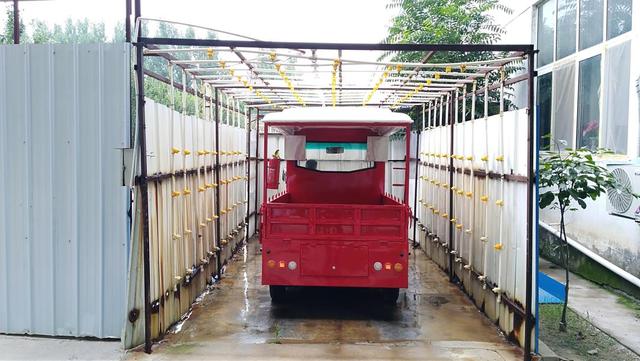
Shenzhen's industrial position allows Kabar Golf to optimize procurement of high-tensile steel, high-purity aluminum alloys, electronic controllers, and high-quality plastics. This supply chain proximity ensures shorter delivery lead times and lower material costs than foreign manufacturers. By utilizing advanced laser cutting, robotic welding systems, and automated electrophoretic dipping, we produce structural chassis that are highly resistant to moisture, salt spray, and extreme temperatures. This durability makes them suitable for use at oceanfront resorts, tropical golf courses, and industrial warehouses alike.

🌍 3. Localized Applications & Commercial Use Cases

A primary challenge for international B2B buyers is finding transport solutions that suit their specific climates, local laws, and terrain conditions. Low-speed electric vehicles require customization depending on where they are deployed:

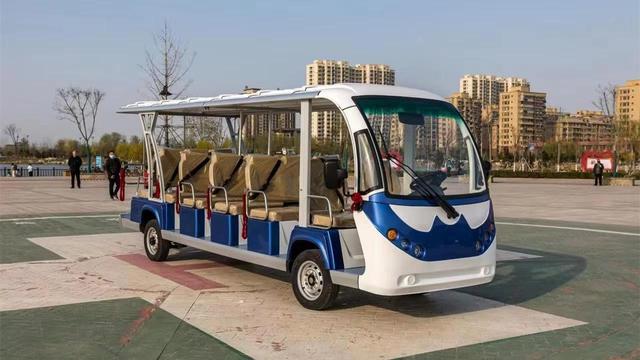
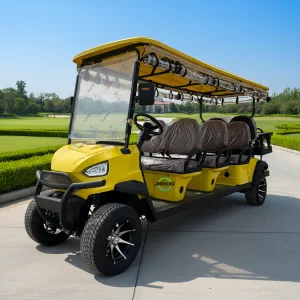
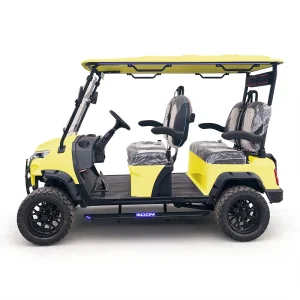
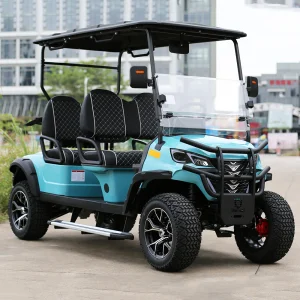
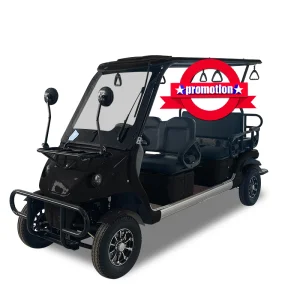
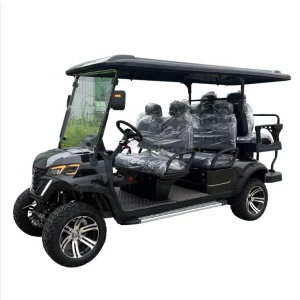
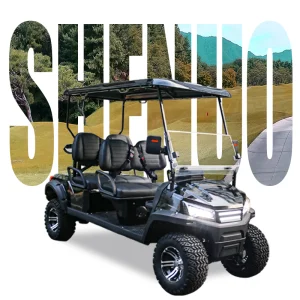
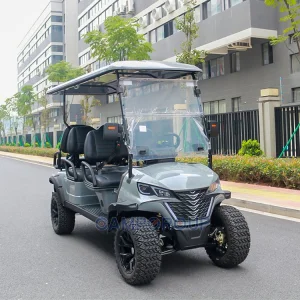
  • Hospitality & Resorts: 6-seater and 8-seater open-sided shuttle buggies with soft cushioned seating. These vehicles operate quietly to minimize noise pollution while moving guests around the property.
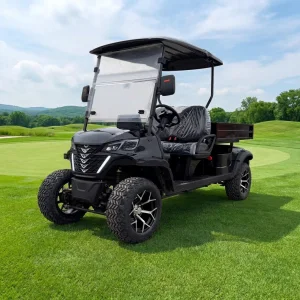
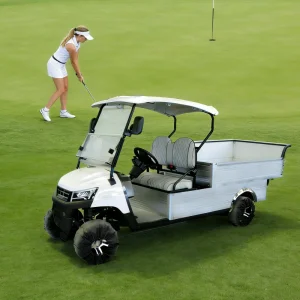
  • Commercial & Industrial Parks: Heavy-duty electric utility vehicles configured with flatbeds, hydraulic dump beds, or closed cargo boxes. They are used for onsite maintenance, facility sanitation, and parts movement.
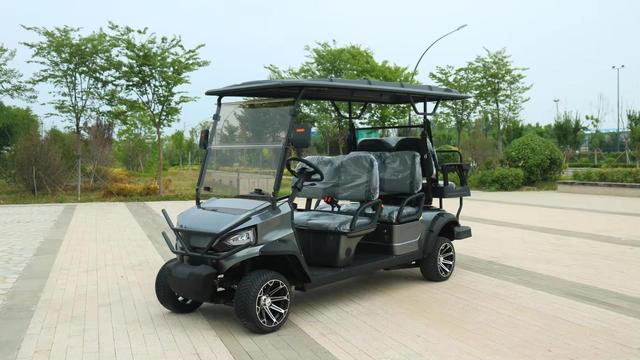
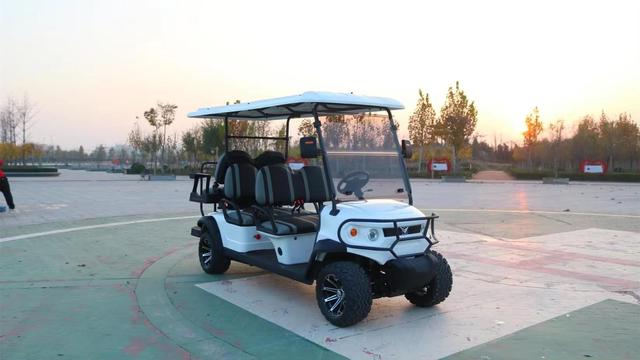
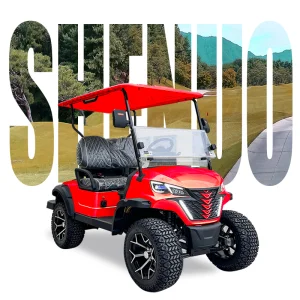
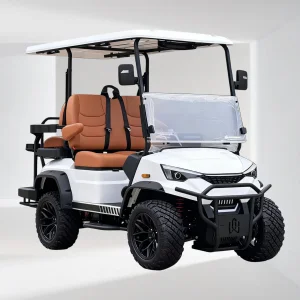
  • Golf & Country Clubs: 2-seater and 4-seater carts equipped with smart GPS fleet management systems, geofencing to protect greens, and cup holders/golf bag attachments.
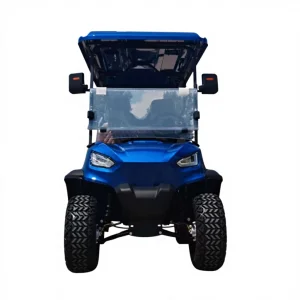
  • Municipal Security & Security Patrols: High-clearance, off-road 4WD units with warning lights, sirens, and rugged suspension. They are built for community policing, public parks, and hotel perimeter security.

🛡️ 4. Compliance and International Certifications

Operating street-legal low-speed vehicles on public or semi-public roads requires compliance with international standards. Shenzhen Kabar Golf Co., Ltd. ensures its products are designed to meet these key regulations:

  • EEC (European Economic Community) Certification: Selected passenger and cargo carts are built to meet EEC standards, which include required lighting, mirrors, braking setups, and VIN formats for registration across EU member states.
  • ADR (Australian Design Rules): Carts destined for Oceania can be fitted with the ADR Outback Heavy-Duty package, which features reinforced suspensions, front disc brakes, and specific seatbelt installations.
  • CE (Conformité Européenne) Certification: All electrical components, batteries, controllers, and wiring harnesses are certified to meet European safety, health, and environmental standards.

Commercial Procurement Q&A (FAQ)

Expert answers to common questions about importing, customizing, and maintaining electric utility fleets from China.

1. What is the typical production and shipping lead time for bulk orders?
For standard configurations, the production cycle ranges between 20 to 30 days. Custom OEM/ODM requests (such as custom painting, modified frames, or specialized electronic gear) take 35 to 45 days. Ocean shipping times vary depending on the destination port, taking approximately 15-20 days to Southeast Asia, 30-35 days to Australia, and 35-45 days to Europe and North America.
2. How does Kabar Golf handle warranty services and spare parts availability globally?
We provide a 1-year comprehensive warranty on critical structural parts (frame, axle) and electronic components (AC motor, Curtis controller). For lithium battery units, we offer warranties up to 3 to 5 years depending on the cell chemistry chosen. We supply a percentage of wearing parts (fuses, plastic clips, brake pads) with bulk shipments and can dispatch priority replacements globally within 3 to 5 days.
3. Can the vehicles be configured to meet European street-legal (EEC) requirements?
Yes. We manufacture specific configurations that comply with EEC standards, including three-point seatbelts, upgraded lighting layouts (high/low beams, indicators), dual-circuit braking systems, speedometers, and designated VIN plates. Please notify our engineering team before ordering to ensure the correct chassis configurations are built.
4. What are the key benefits of choosing Lithium Iron Phosphate (LiFePO4) over lead-acid batteries?
LiFePO4 batteries offer a longer service life (over 3,000 cycles at 80% DOD compared to 500 cycles for lead-acid), require no maintenance or water top-ups, charge faster, and weigh significantly less. This weight reduction improves energy efficiency, decreases tire wear, and helps prevent damage to turf when driving on golf courses.
5. What custom OEM/ODM services are available for B2B fleets?
We offer extensive customization option packages, including custom corporate paint matches, custom cargo box volumes, hydraulic lift beds, specialized equipment racks (for golf bags, cleaning supplies, or luggage), weather-proof canvas enclosures, integrated GPS fleet tracking setups, and branded steering wheels and body decals.
6. How do solar-powered rooftops perform on electric utility carts?
Our solar range-extension setups feature high-efficiency monocrystalline solar panels. These panels continuously trickle-charge the battery pack whenever they are exposed to sunlight, adding about 15-25% more daily range. This system is ideal for vehicles used outdoors all day, such as resort shuttles or security patrols, helping to reduce grid charging costs.
7. Are gasoline options still available for off-grid operations?
Yes. For operations in remote wilderness areas, agricultural landscapes, or sites without reliable electrical grids, we produce heavy-duty 4-stroke gasoline-powered utility vehicles. These are equipped with front disc brakes, high ground clearance, and CE-certified engines that provide long-range performance and reliability.
8. How do your smart transport solutions integrate into larger fleet management systems?
Our high-end smart golf vehicles can be fitted with integrated telematics units that send real-time data (GPS location, speed, battery health, and collision warnings) to a central cloud portal. Fleet managers can use this platform to set up geofences, monitor active usage, and receive maintenance alerts.