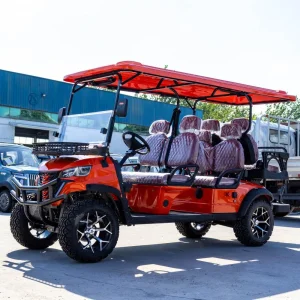
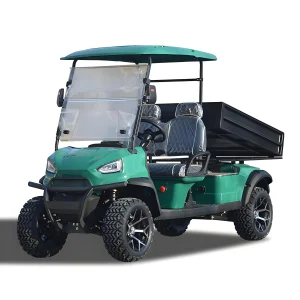
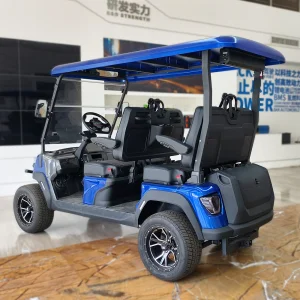
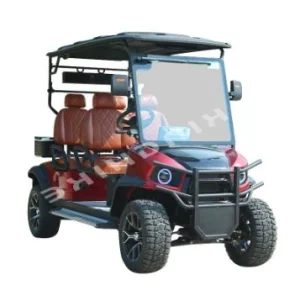
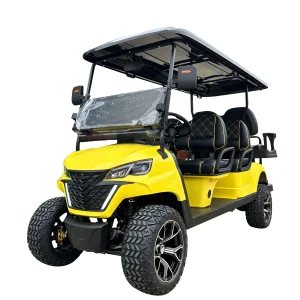
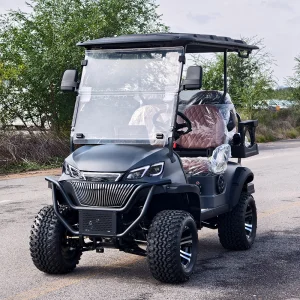
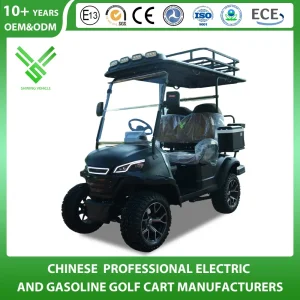
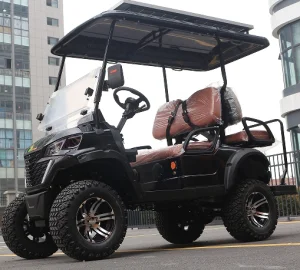
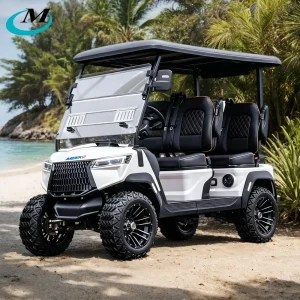
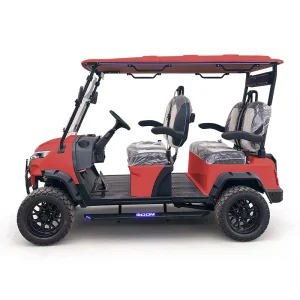
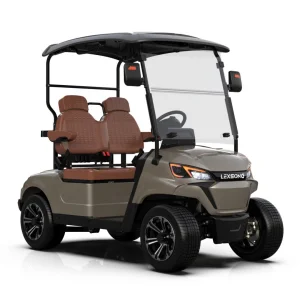
High-performance electric passenger carriers and utility vehicles engineered for rugged terrains, camping resorts, and eco-conscious campuses.
The global outdoor recreation, glamping, and hospitality industries are experiencing an unprecedented structural transformation. Driven by international decarbonization mandates and consumer demands for eco-friendly tourism, traditional internal combustion engine (ICE) utility vehicles are rapidly being replaced by zero-emission electric counterparts. Within this market segment, electric camping carts, utility transport vehicles (UTVs), and all-terrain golf buggies have evolved from niche equipment into indispensable fleet assets for commercial operators.
Today’s outdoor recreation sector requires high-capacity cargo hauling, stable climbing abilities, and prolonged battery life. Operators face unique operational challenges: navigating steep, unpaved terrains, transporting heavy equipment or multi-passenger groups, and operating quietly to preserve the natural peace of scenic campsites. Modern electric camping carts solve these challenges. Backed by advanced lithium battery chemistry (LiFePO4) and robust electronic controllers, they deliver clean, silent, and highly efficient transport across diverse topographies.
Historically, low-speed utility vehicles relied heavily on lead-acid batteries, which suffered from rapid voltage drops, high maintenance requirements, and limited cycle lifespans. The transition to high-voltage, high-capacity lithium-ion setups has redefined fleet operations. High-voltage configurations—specifically 48V and 72V powertrains—enable rapid acceleration, enhanced heat management, and the torque profiles necessary to climb gradients of up to 30% under full load conditions. The benefits of this transition are clear:
To manufacture industrial-grade electric utility vehicles capable of surviving harsh outdoor environments, engineers must optimize three core systems: the structural chassis, the powertrain dynamics, and the smart fleet integration interface. At Shenzhen Kabar Golf Co., Ltd., our engineering roadmap focuses on these variables to deliver durable, field-tested performance.
| System Specification | Traditional Standard (Lead-Acid / DC) | Advanced Industrial Standard (Kabar LiFePO4 / AC) | Operational Impact / ROI |
|---|---|---|---|
| Battery System | 48V Lead-Acid (Flooded/AGM) | 72V / 48V LiFePO4 (Lithium Iron Phosphate) | 3x longer range, zero maintenance, 3000+ lifecycles |
| Controller Technology | Analog DC Controllers | Curtis Smart AC Controller (350A-500A) | Precise regenerative braking, diagnostic logs, thermal safety |
| Chassis Architecture | Standard Welded Carbon Steel | Hot-Dip Galvanized or T6 Aircraft-Grade Aluminum | Complete corrosion prevention, lighter frame, lifetime structural integrity |
| Climbing Performance | 15% - 20% Max Slope Grade | 25% - 35% Lifted Off-Road Dynamic Slope Grade | Access to rugged terrains, steep hiking trails, and sandy beaches |
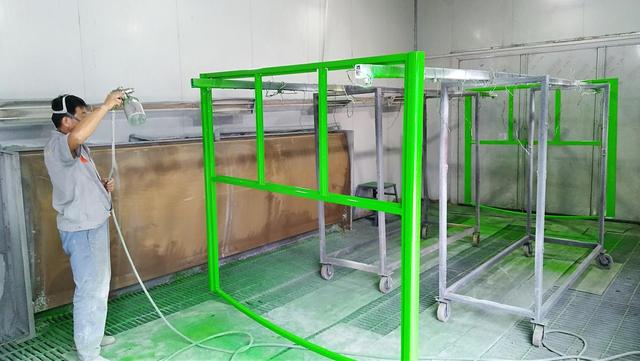
Terrain variability requires a chassis that balances rigidity with torsional flexibility. Using heavy-duty, robotically welded carbon steel treated with hot-dip galvanization, or rust-proof, lightweight T6-grade aluminum frames, our vehicle platforms withstand high-humidity coastal zones, swampy farm pathways, and salted winter trails. Suspensions are upgraded to independent double A-arm setups with adjustable hydraulic shock absorbers, dampening physical impacts to secure cargo stability and rider comfort.
Brushless AC induction motors (5kW to 7.5kW) provide immediate torque without friction losses, eliminating carbon brushes and reducing heat generation.
State-of-the-art Battery Management Systems monitor cell voltages, balance charging, and protect against thermal runaway or over-discharge.
GPS tracking, geofencing parameters, remote lockouts, and live battery diagnostic telemetry are fully integrated for real-time management.
Electric utility vehicles are versatile platforms that can be customized for specific industries. By understanding user intent, we engineer tailor-made configurations designed to optimize workflow efficiency across various environments:
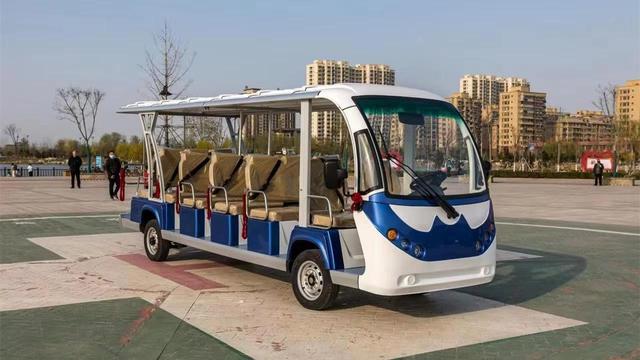
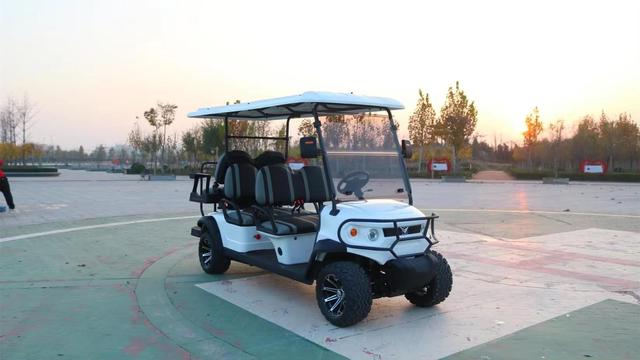
Luxury glamping sites require silent, exhaust-free guest transportation to protect their peaceful atmosphere. Outfitted with high-capacity cargo boxes or multi-row seating configurations (ranging from 4 to 8 passengers), these vehicles comfortably carry guests and heavy luggage over gravel paths, wooden bridges, and dirt roads. High-end woodgrain dashboards, onboard charging ports, and weather-resistant enclosures ensure a premium experience.
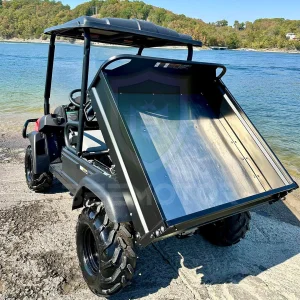
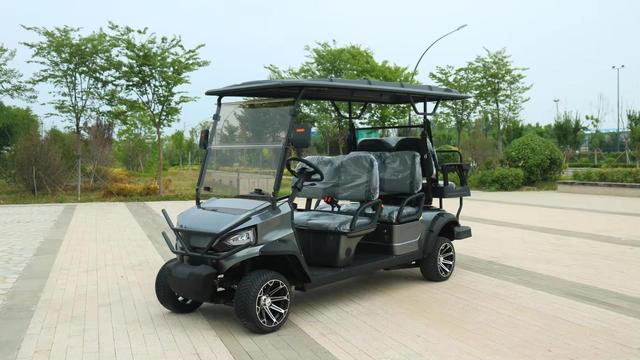
For hunting reserves, large farms, and wildlife conservation zones, vehicles must traverse thick mud, wet grass, and loose sand. Lifted profiles combined with all-terrain, aggressive-tread 23-inch tires provide the ground clearance needed to clear rocks and tree roots. Built-in winch setups, gun racks, and heavy-duty cargo trays turn the electric buggy into a powerful, quiet utility tool for deep-forest operations.
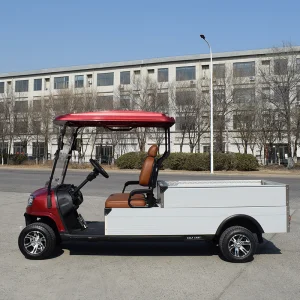
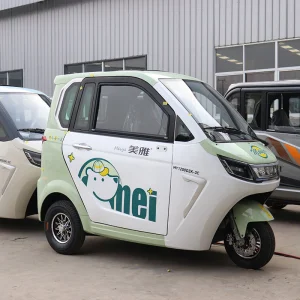
Airports, universities, and factory complexes rely on continuous intra-campus logistics. Electric flatbed trucks, mini-shuttles, and custom cargo-bed pickups facilitate tool transport, waste management, and security patrols. Fast charging speeds and robust battery capacities ensure these vehicles can work multiple shifts back-to-back with minimal downtime.
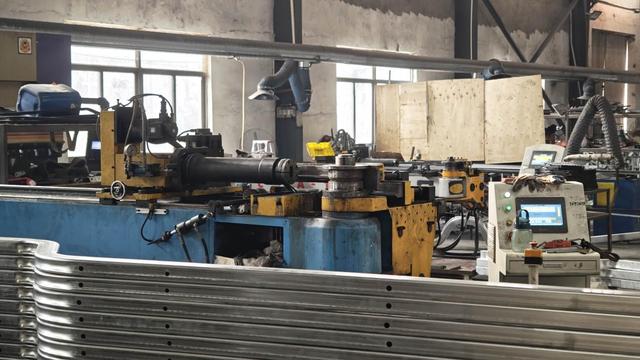
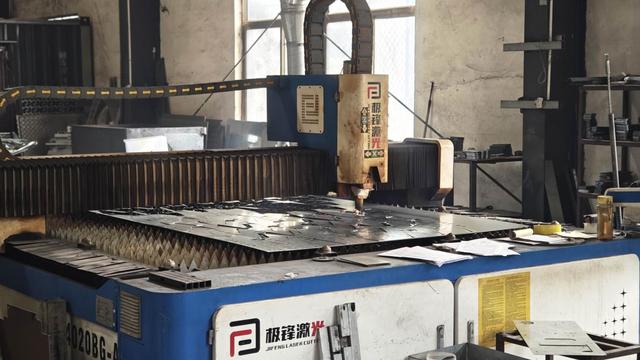
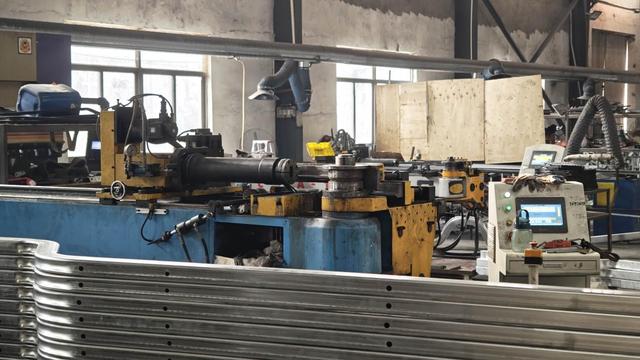
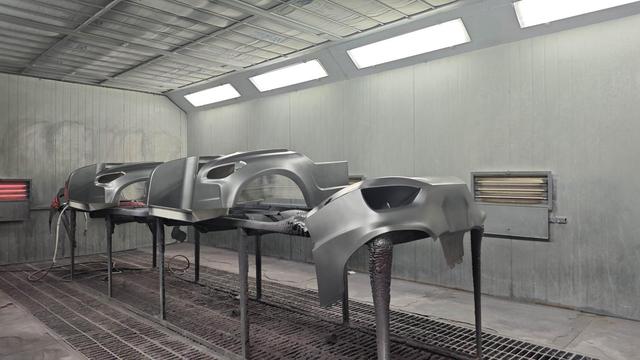
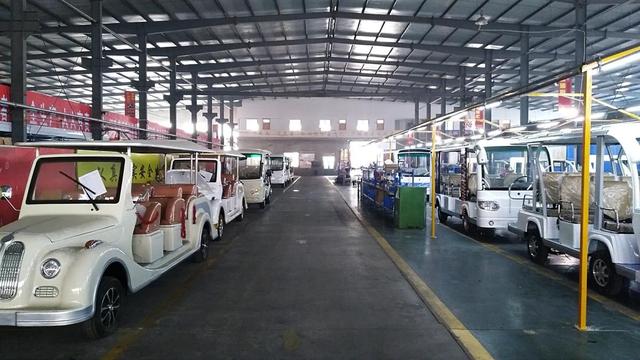
Established in 2014 and situated in the industrial manufacturing hub of Shenzhen, Guangdong, China, Shenzhen Kabar Golf Co., Ltd. has established itself as an innovative force in the electric low-speed vehicle (LSV) sector. Operating from a state-of-the-art production facility spanning more than 18,000 square meters, our company employs a dedicated workforce of over 220 professionals, including specialized structural engineers, electronics technicians, and quality assurance inspectors.
Our product lineup is designed with a focus on efficiency, passenger comfort, safety, and environmental sustainability. It includes electric golf carts, multi-passenger transport shuttles, heavy-duty utility vehicles, cargo carriers, resort shuttles, and custom street-legal electric cars (LSVs). By continuously investing in technological innovation, smart control systems, and ergonomic engineering, we help commercial operators optimize transport logistics while reducing their carbon footprint.
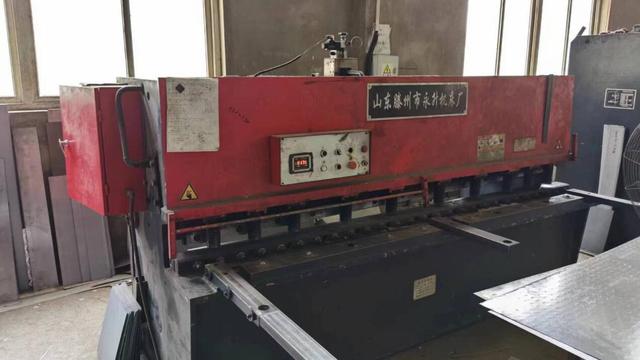
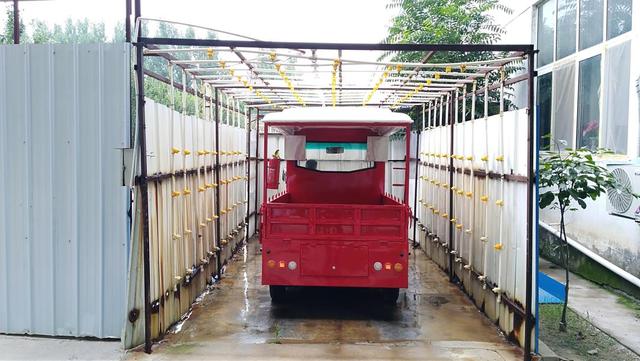
Quality management is integrated into every phase of production. We source premium components, utilize automated robotic welding lines, and perform rigid load, battery stress, and dyno tests before shipment. All products conform to strict international standards, including CE and DOT certifications, ensuring seamless importation and regulatory compliance in North America, Europe, the Middle East, Southeast Asia, and Australia.

To assist global procurement directors, project managers, and fleet distribution networks in making informed decisions, we have answered the most common questions regarding importing, configuring, and maintaining our electric utility vehicles:
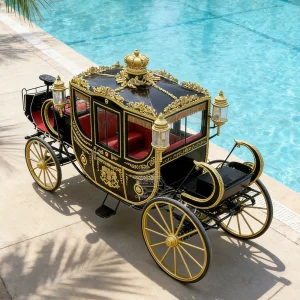
Explore our specialized electric vehicles, customized golf caddies, solar-powered systems, and luxury passenger carriages.
 Kabar Golf