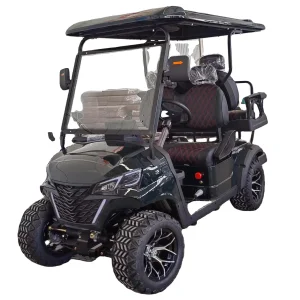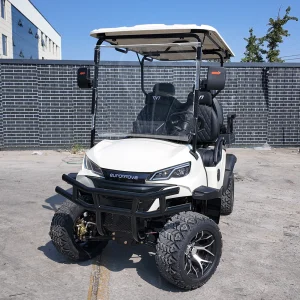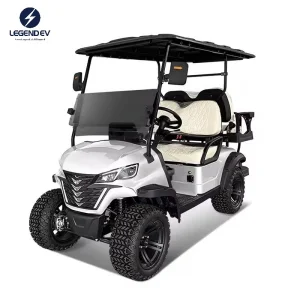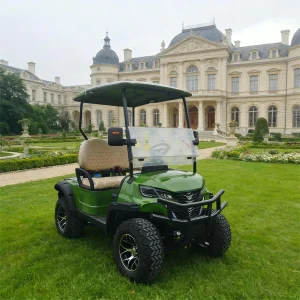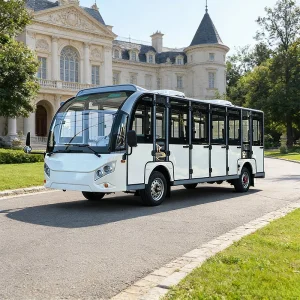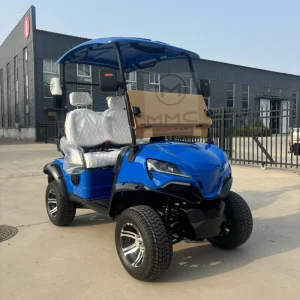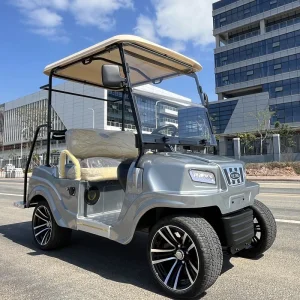
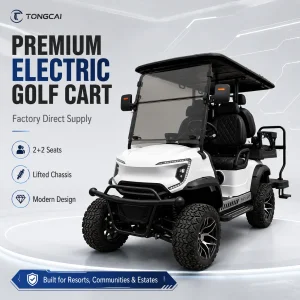
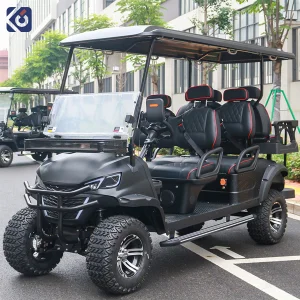
The global low-speed electric vehicle (LSEV) landscape is undergoing a monumental paradigm shift. Once perceived as simple course utility vehicles, modern rechargeable golf carts have emerged as pivotal multi-industry transport assets. Driven by stringent sustainability targets, corporate ESG mandates, and advancements in power density, global enterprises are rapidly transitioning fleet operations to next-generation electric platforms.
China’s manufacturing ecosystem, led by innovation corridors in Shenzhen and Guangdong, serves as the epicentre of this revolution. With integrated vertical supply chains, advanced R&D infrastructure, and state-of-the-art battery integration facilities, Chinese suppliers offer unparalleled scalability, technical customization, and cost-to-performance optimization. This guide outlines the key structural trends, technical metrics, and compliance paths critical for international procurement managers and enterprise buyers looking to partner with top-tier Chinese manufacturers.
The industry has largely abandoned legacy lead-acid configurations. High-Performance Lithium Iron Phosphate (LiFePO4) systems represent the current gold standard, offering up to 3,500 charge cycles, zero maintenance, lower weight distribution, and faster charge times under 4 hours.
Modern fleets leverage intelligent AC motor controllers (such as Curtis or Wolan systems) integrated with GPS tracking, geofencing, remote diagnostics, and real-time battery status reports, reducing operating expenditures by up to 25%.
Municipalities and master-planned communities are redefining transit. Golf carts equipped with headlights, blinkers, safety glass, seatbelts, and DOT-approved tires now qualify as street-legal Low-Speed Vehicles (LSVs), bridging the gap between local transit and standard cars.
When evaluating manufacturers in China, international procurement agents must look beyond simple unit economics. Achieving an optimized Total Cost of Ownership (TCO) requires analyzing vehicle frame integrity, battery chemistry safety, drivetrain efficiency, and local certification compliance. Below is a structured analysis comparing legacy lead-acid units to premium lithium setups, indicating why leading resorts and commercial facilities specify LiFePO4:
| Performance Indicator | Legacy Lead-Acid Carts | Next-Gen Lithium (LiFePO4) Carts | Procurement Advantage |
|---|---|---|---|
| Usable Battery Lifespan | 500 - 800 cycles (approx. 2-3 years) | 3,000 - 4,000 cycles (8-10 years) | Reduces replacement cycles and maintenance labor. |
| Depth of Discharge (DoD) | 50% maximum before cell damage | Up to 90% usable capacity | Longer runtime per charge with consistent motor output. |
| Operational Weight | Heavier battery packs lead to higher wear | 35% lighter overall chassis weight | Less turf damage, better acceleration, higher range. |
| Smart BMS Protection | None; manual thermal monitoring required | Integrated Smart BMS (Over-voltage, Thermal) | Critical safety assurance against thermal runaway. |
| Warranty Terms | Typically 1-2 years limited warranty | 5 Years Comprehensive Warranty (e.g. BAK/Kabar) | Mitigates procurement risk and ensures manufacturer trust. |
B2B buyers operate in diverse settings requiring dedicated configurations:
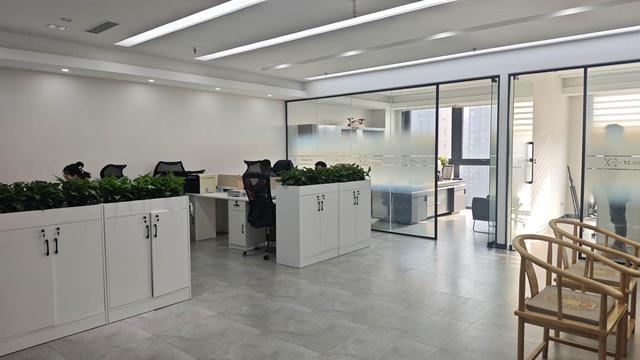
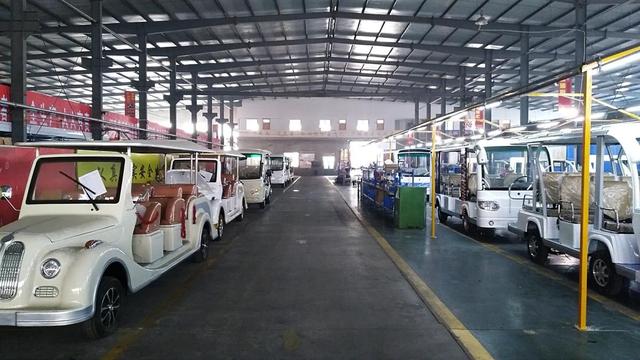
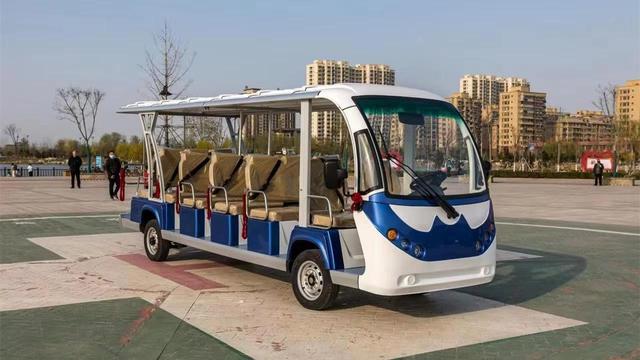
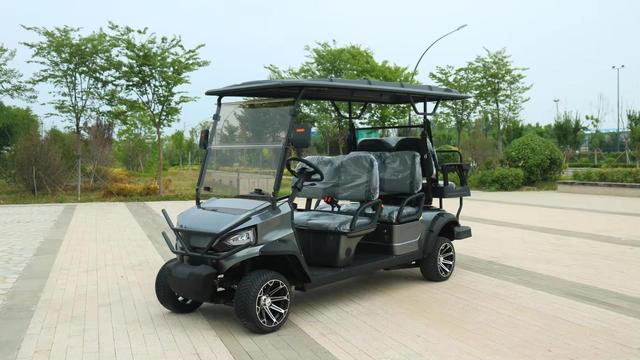
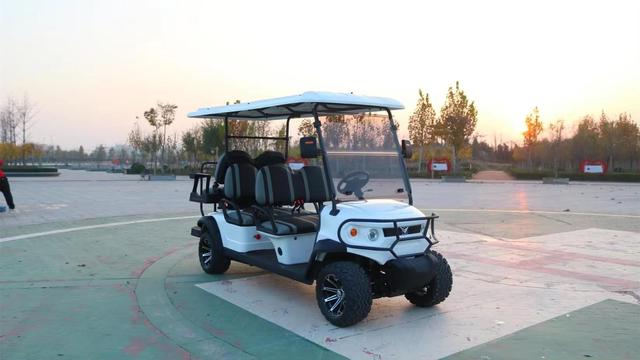
Shenzhen Kabar Golf Co., Ltd. is a professional golf cart manufacturer located in Shenzhen, Guangdong, China. Established in 2014, the company specializes in the research, development, manufacturing, and export of electric golf carts, utility vehicles, and customized mobility solutions for global customers. With a modern production facility covering more than 18,000 square meters and a workforce of over 220 employees, Kabar Golf has developed into a reliable supplier serving golf courses, resorts, hotels, industrial parks, residential communities, airports, campuses, and commercial facilities worldwide.
The company's product portfolio includes electric golf carts, passenger transport vehicles, utility carts, cargo vehicles, resort shuttle carts, street-legal electric vehicles, fleet transportation solutions, and customized mobility vehicles. Designed with a focus on efficiency, comfort, safety, and sustainability, Kabar Golf products help customers improve transportation operations while reducing environmental impact.
Supported by an experienced engineering and R&D team, Shenzhen Kabar Golf continuously invests in vehicle innovation, battery technology, intelligent control systems, and ergonomic design. The company offers comprehensive OEM and ODM services, including vehicle customization, branding, color matching, seating configurations, accessory integration, and private-label manufacturing to meet the diverse requirements of international markets.
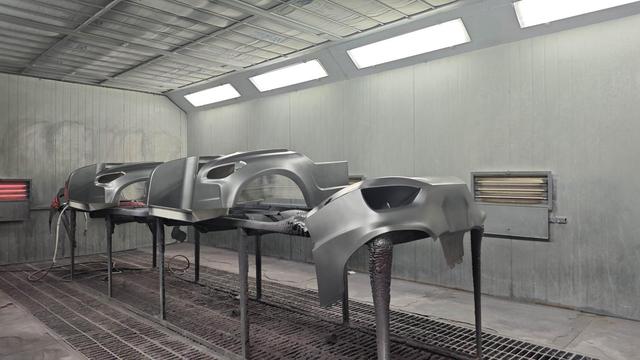
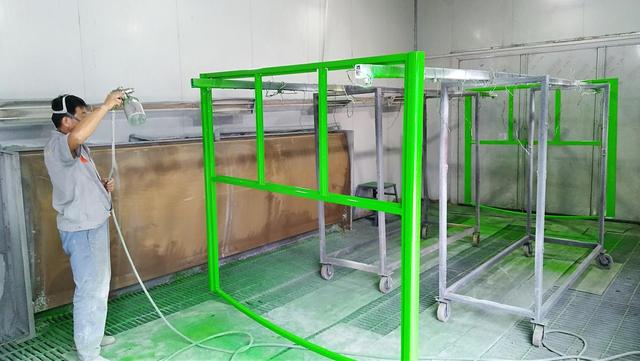
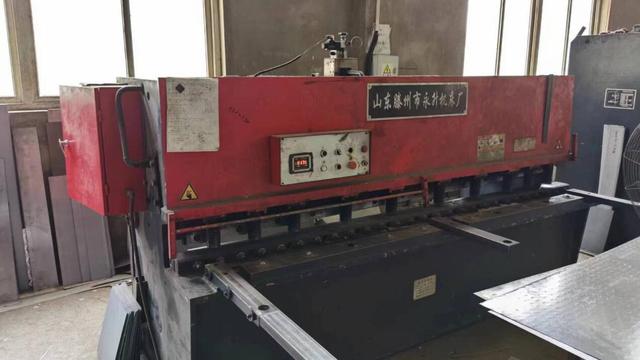
Quality management is integrated throughout every stage of production, from component sourcing and vehicle assembly to testing and final inspection. Advanced manufacturing equipment and strict quality control procedures help ensure consistent product performance and reliability. With products exported to North America, Europe, the Middle East, Southeast Asia, Australia, and other regions, Shenzhen Kabar Golf Co., Ltd. is committed to delivering dependable electric mobility solutions and long-term value for customers worldwide.
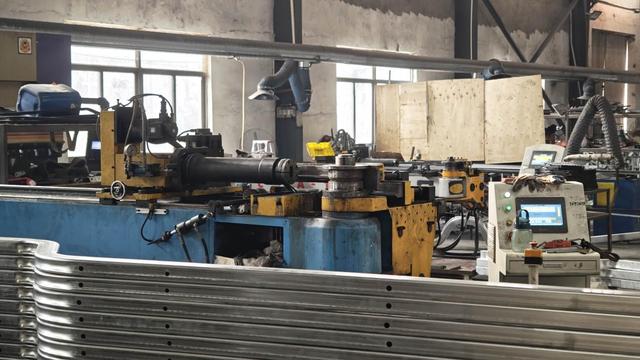
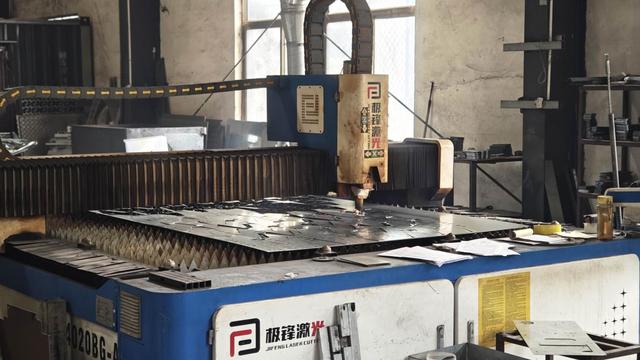
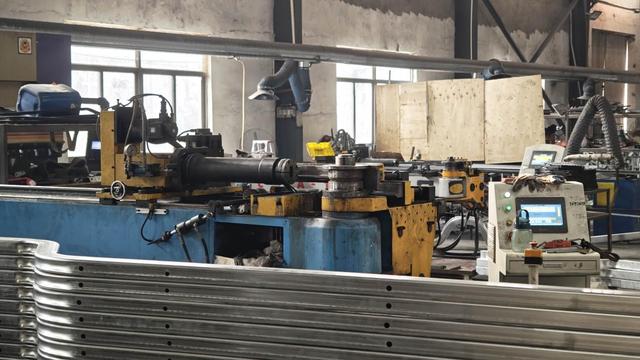
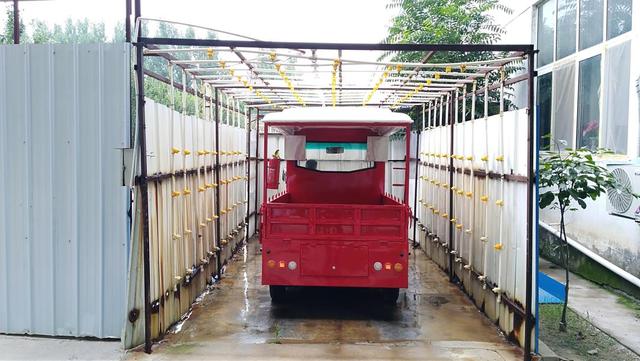
Shenzhen Kabar Golf’s engineering divisions look toward integrating sustainable mobility with next-generation smart cities. The multi-year development path prioritizes three main engineering sectors:
Vehicles destinados for the European Union carry full CE and EEC certification, while US shipments feature DOT-approved braking, windshields, seatbelts, and lights compliant with Federal Motor Vehicle Safety Standard (FMVSS) 500.
Integration of ultra-light, flexible photovoltaic solar panels onto canopy tops. This configuration offers a range extension of 10-15km per day from ambient sun exposure, relieving power load and decreasing reliance on grids.
Current technical roadmaps include testing Level-2 autonomous steering and sensor platforms designed for pre-mapped pathways on resorts, tech parks, and commercial campuses, ensuring controlled operating zones.
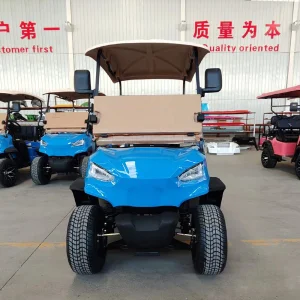
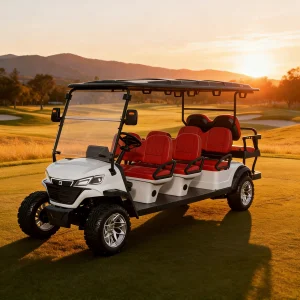
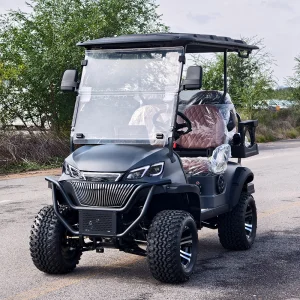
 Kabar Golf