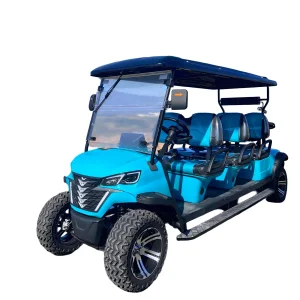
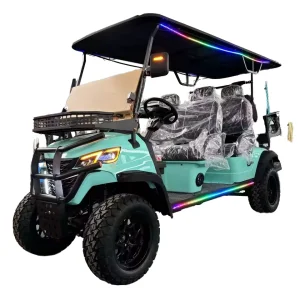
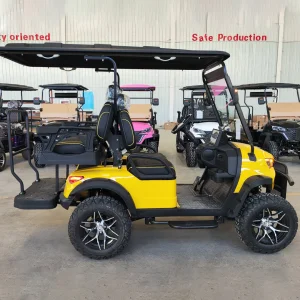
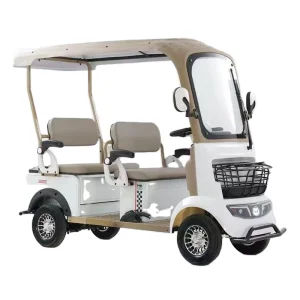
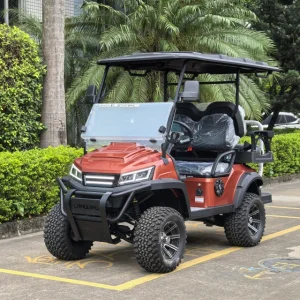
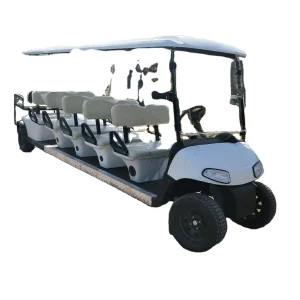
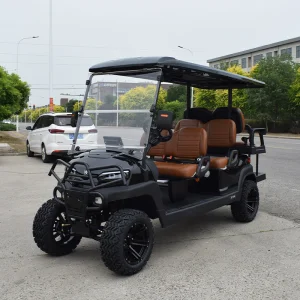
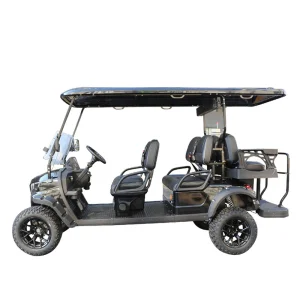
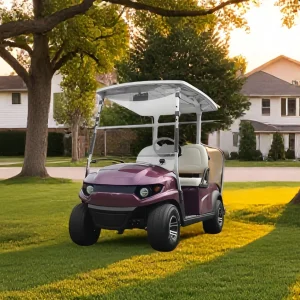
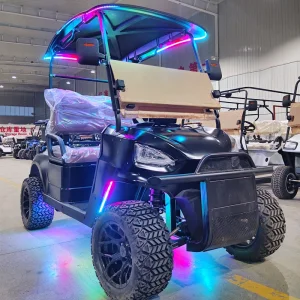
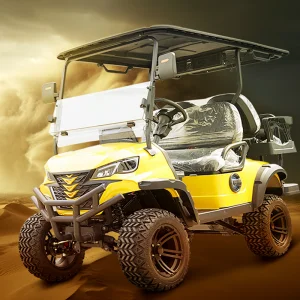
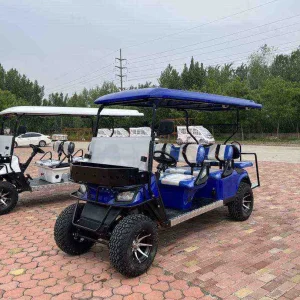
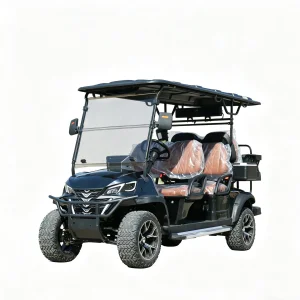
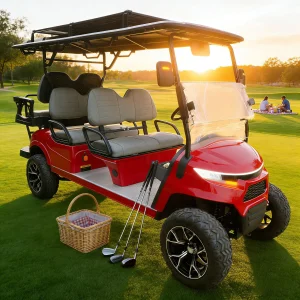
Passenger Golf Carts Suppliers & Exporters serving the Malaysia Market

High-Performance Electric Utility Carts, Bespoke Fleet Configurations & Smart Green Mobility Solutions for Commercial Tourism, Urban Estates, and Logistics Hubs across Malaysia.

1. Malaysia's Green Mobility Landscape: Commercial & Industrial Demands

Malaysia is witnessing a rapid structural transition toward sustainable energy and green transport solutions. Catalyzed by the National Energy Transition Roadmap (NETR) and the Low Carbon Mobility Blueprint (LCMB) 2021-2030, the demand for clean energy and low-speed electric vehicles (LSEVs) has surged beyond traditional golf courses. Today, heavy industries, high-end real estate developers, hospitality groups, and national park operators are searching for reliable, emission-free fleet vehicles to reduce their operational carbon footprint.

In major urban growth centers like Kuala Lumpur, Penang, Johor Bahru, and Putrajaya, zero-emission transportation is being integrated directly into smart city blueprints. High-density residential enclaves and luxury gated communities require silent, reliable shuttles for security patrols and tenant transit. Similarly, the eco-tourism sectors in areas like Langkawi, Redang Island, and the nature trails of Sabah and Sarawak require rugged off-road passenger buggies that can operate in delicate ecological zones without producing noise pollution or toxic emissions.

Furthermore, major logistics hubs, commercial airports (such as KLIA and KLIA2), and industrial manufacturing facilities across Malaysia are modernizing their internal transit routes. Moving staff, guests, and heavy gear across massive terminals requires a reliable fleet of high-performance electric carts capable of continuous, heavy-duty duty cycles.

Macro-Market Insight: High-Temperature Battery Stability

The tropical maritime climate of Malaysia is characterized by year-round high humidity (averaging 80%) and temperatures regularly exceeding 33°C. In these environments, battery heat dissipation and moisture-sealed chassis components are critical. Standard electrical buggies manufactured for temperate zones frequently suffer from premature thermal decay or electronic breakdowns when exposed to the prolonged rain and high ambient temperatures typical of the Malaysian monsoon seasons.

2. Technical Demands in Malaysia’s Tropical Climate

Selecting a golf cart fleet for the Malaysian market requires strict attention to automotive engineering details. The combination of intense tropical downpours (such as during the Northeast Monsoon) and highly corrosive coastal environments (like Langkawi or Penang) demands heavy-duty chassis designs and highly protective electrical setups.

Battery Chemistry: Lithium Iron Phosphate (LiFePO4) vs. Lead-Acid

While traditional flooded lead-acid batteries are highly cost-efficient at first, they pose significant operational challenges in Malaysia. High ambient temperatures accelerate water evaporation in lead-acid cells, demanding strict maintenance schedules. Furthermore, their high weight-to-power ratio limits range on hilly terrains, such as the steep elevations of Genting Highlands or Cameron Highlands.

Conversely, Lithium Iron Phosphate (LiFePO4) batteries stand out as the premium technology for tropical fleet management. LiFePO4 cells are inherently stable at high temperatures, offering:

  • Extended Lifetime: Up to 3,500+ charge cycles compared to the 500-800 cycles of lead-acid.
  • Zero Maintenance: No water topping required, eliminating human error in fleet servicing.
  • Fast-Charging: Fully charges in 2 to 3 hours, enabling efficient partial charges during lunch breaks.
  • Weight Reduction: Up to 150kg lighter, improving vehicle range and reducing wear on tires, brakes, and suspension.

Water-Resistance and Ingress Protection (IP Ratings)

Heavy rainfall in Malaysia causes regular flooding on pathways and greens. Standard golf carts with exposed wiring can quickly short-circuit. Reliable suppliers must offer key components with high IP ratings:

  • Electric Motors (AC System): Sealed brushless AC motors with IP65 or IP67 ratings, keeping out dust and water during deep puddle crossings.
  • Motor Controllers: Enclosed, aluminum-housed controllers (e.g., Curtis or equivalent smart control systems) with advanced thermal management and IP66 ingress protection.
  • Wiring Harnesses: Automotive-grade, double-insulated wiring looms with sealed, waterproof connectors.

Corrosion Protection: Electrophoretic Chassis Coating

Coastal resorts face salt spray that can degrade mild steel frames within months. Leading manufacturers utilize high-tensile hot-dip galvanized steel frames or high-grade extruded aluminum chassis. The steel structures undergo a multi-stage electrophoretic coating process (E-coating) to ensure complete rust-proofing, even inside hollow frame sections.

18,000+
Sqm Modern Factory
220+
Experienced Staff
90km
Max Extended Range
3,500+
Battery Cycles (LiFePO4)

3. The Chinese Manufacturing Edge: Shenzhen Kabar Golf Co., Ltd.

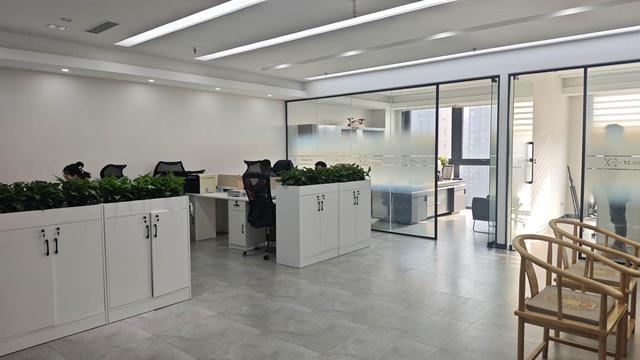
Partnering with an established manufacturer based in China's technology capital, Shenzhen, provides distinct supply chain and engineering advantages. Shenzhen Kabar Golf Co., Ltd., established in 2014, has developed a modern production footprint that blends cost-efficiency with high-precision engineering.

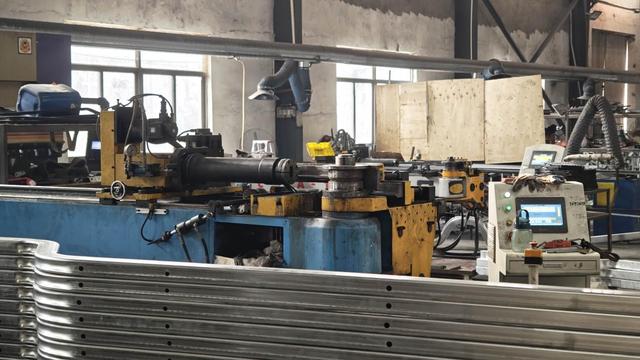
Occupying a production area exceeding 18,000 square meters and staffed by a dedicated team of over 220 automotive engineers and assembly experts, Kabar Golf manages the entire vehicle development cycle. This vertical integration covers initial CAD chassis modeling, suspension geometry design, electrical engineering, and comprehensive quality control.

OEM and ODM Design Adaptations

Global procurement directors require custom adaptations rather than off-the-shelf options. Kabar Golf offers flexible OEM/ODM capabilities, enabling client fleets to match specific operating conditions in Malaysia:

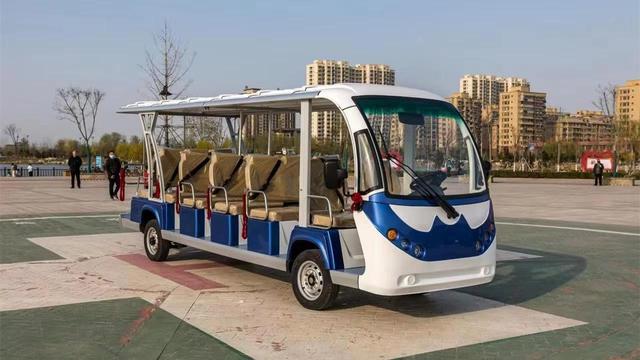
  • Custom Seating & Bed Layouts: Configurable frame chassis options ranging from compact 2-seaters to high-capacity 12-passenger sightseeing shuttles, or versatile 4+2 split utility setups.
  • Integrated Tech Solutions: Dashboard integrations including modern LCD touchscreen displays, GPS tracking systems, diagnostic CAN-bus interfaces, and USB charging docks for resort guests.
  • Branding and Color Matching: Custom polyurethane paint matching and UV-stabilized thermoformed body panels to match corporate brand guidelines.
  • Heavy-Duty Utility Equipment: Specialized storage boxes, golf bag holders, ambulance medical stretchers, and cargo boxes for facilities maintenance.

Strict Quality Testing Protocols

Every passenger vehicle leaving the factory line undergoes a strict testing regimen designed to exceed CE standards. Our testing workflow includes:
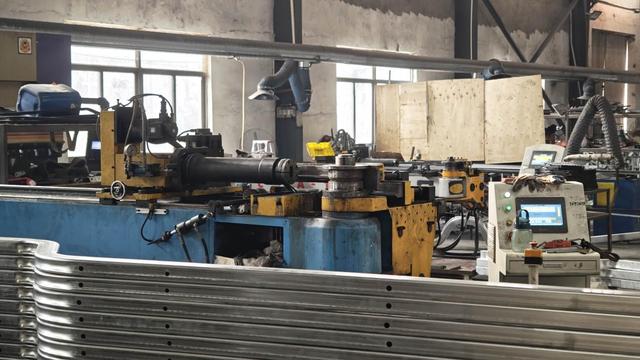
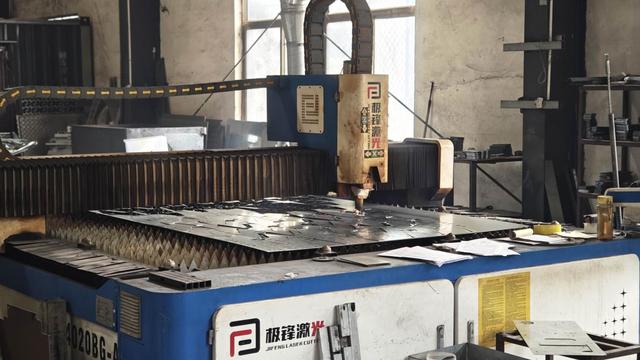
  1. Dynamometer Performance Testing: Verifies torque curves, motor efficiency, and braking performance under simulated load conditions.
  2. Climb Gradient Tests: Checks the park brake holds and that the drive motor climbs steep ramps safely.
  3. Chassis Water-Resist Testing: Simulates heavy rain storms to verify the waterproof sealing of critical electronic bays and motor connectors.
  4. Battery Performance Checks: Full charge/discharge cycles verify battery BMS balancing and thermal limits before shipping.

Manufacturing Facilities & Production Lines

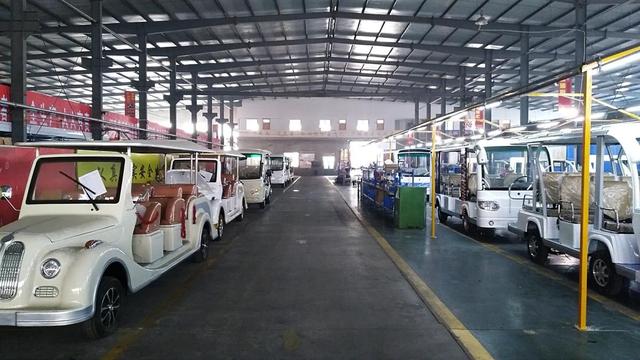
Kabar Golf Factory Assembly Line
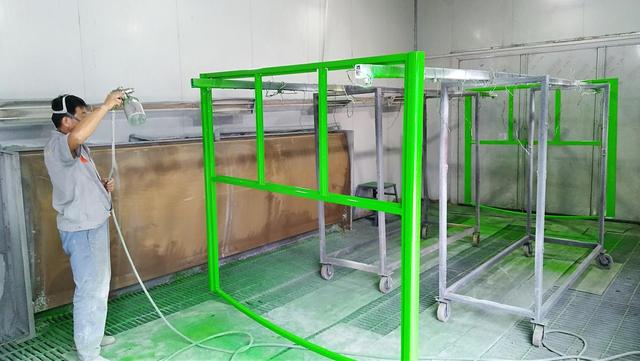
Welding and Frame Construction Shop
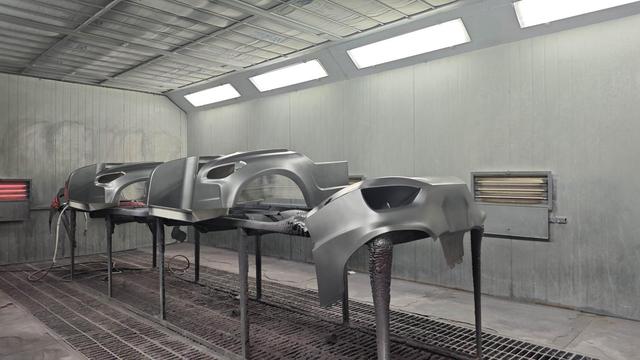
Body Paint and Finishing Bay
Quality Control Testing Bay
Electric Motor Diagnostic Area
Finished Vehicles Packing Yard
Golf Cart Loading and Logistic Prep
Chassis Testing Area
Pre-Delivery Inspection Dock
OEM Vehicle Customization Workshop

We also maintain detailed safety records for our international shipments. Here are some of our additional component storage and finished product bays:
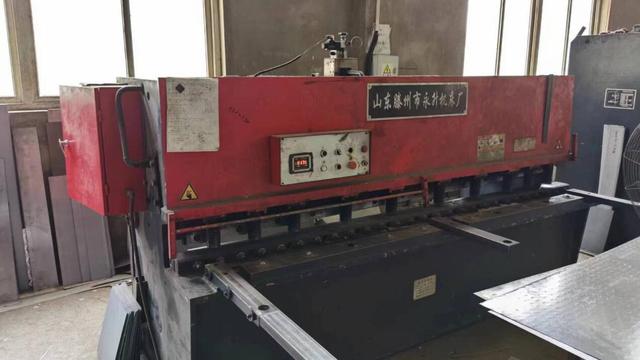
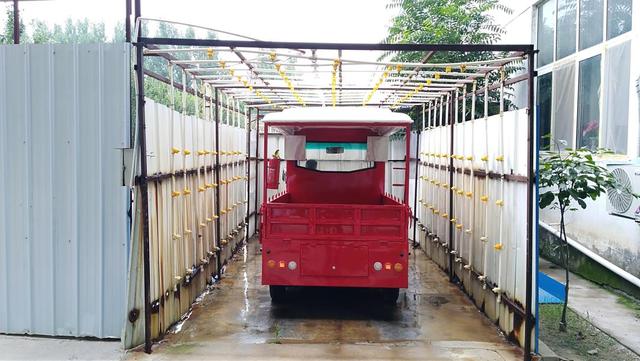
Finished Golf Carts Warehouse
Component Assembly Bay

4. Supply Chain Logistics & Import Compliance for Malaysia

Importing machinery and vehicles into Malaysia requires a clear understanding of regulatory requirements, customs documentation, and logistics paths. Working with an experienced exporter like Kabar Golf ensures a smooth shipping process.

HS Codes, Import Duty, and SST

Electric golf carts and low-speed passenger vehicles are classified under the Harmonized System code: HS Code 8703.10.1000 (specifically for golf cars and similar vehicles). In Malaysia:

  • Import Duties: Depending on the vehicle specifications and trade agreements (such as the ACFTA - ASEAN-China Free Trade Area), import duties may be significantly reduced or exempted with a valid Form E certificate.
  • Sales & Service Tax (SST): Subject to standard local SST rates on imported goods.
  • SIRIM Approvals: Certain commercial use cases require equipment approvals or electrical system verifications by SIRIM Berhad to ensure grid compliance of charging equipment.

Logistical Routes from Shenzhen to Malaysia

Shenzhen's geographic position offers highly efficient shipping routes to East and West Malaysia:

  • Port of Loading: Primary shipments leave from Shenzhen Port (Shekou or Yantian terminals).
  • Port of Discharge (West Malaysia): Port Klang (Westport/Northport) or Johor Port (Pasir Gudang). Typical ocean transit time ranges between 5 to 7 days.
  • Port of Discharge (East Malaysia): Kuching Port, Bintulu Port, or Kota Kinabalu Port. Typical ocean transit time ranges between 9 to 12 days.
  • Packaging Standards: Vehicles are shipped securely using heavy-duty steel crates inside standard 40ft High Cube containers. This protects the alignment and finishes from high-sea movements.

Technical & Procurement FAQ

Find answers to common questions about technical specifications, battery options, and importing procedures for the Malaysian market.

What is the typical battery lifespan under Malaysian climatic conditions?
Our premium Lithium Iron Phosphate (LiFePO4) battery systems are designed to deliver over 3,500 charging cycles while maintaining 80% capacity. In Malaysia's high-temperature environment, their integrated Battery Management System (BMS) controls cell temperatures, ensuring a lifespan of 8 to 10 years without water maintenance. Traditional lead-acid batteries, under the same tropical heat, generally last 2 to 3 years due to accelerated cell evaporation.
Are these electric passenger carts legal to drive on public roads in Malaysia?
Generally, standard electric golf buggies are classified as Low-Speed Vehicles (LSVs) and are intended for private property, resort pathways, airports, and closed housing developments. To operate on public roads, the vehicle must meet specific JPJ (Jabatan Pengangkutan Jalan) guidelines, including safety belts, hydraulic brake systems, front headlights, turn indicators, side mirrors, and a registered license plate. We offer customized street-legal kits to help meet these local licensing requirements.
How does Kabar Golf ensure electrical system safety during heavy monsoon downpours?
We use double-insulated wire looms, automotive-grade waterproof connectors, and sealed enclosures for controllers and motors. Our brushless AC drive motors have an IP65 rating, and the electronics are housed high in the chassis to prevent water exposure during wet operations.
Can you provide custom seat arrangements for commercial cargo or tourist shuttles?
Yes, our factory specializes in custom designs. We can build vehicles with configurations such as 4-passenger (with cargo box), 6-passenger, 8-passenger, or up to 12-passenger sightseeing shuttles, as well as customized ambulance beds or food-delivery cargo boxes.
What is the standard warranty on batteries and drive systems?
We provide a 3-year factory warranty on our Lithium LiFePO4 battery packs and a 2-year warranty on major drivetrain components, including the AC motor, controller, and transaxle. Replacement components are shipped directly from our warehouse to reduce operational downtime.
What documentation do you provide to help with import clearance at Port Klang?
We provide a complete set of import documents, including the Bill of Lading, Commercial Invoice, Packing List, CE Certificates, and a Certificate of Origin (Form E) to support customs clearance and potential tariff reductions under trade agreements.
How long does delivery take from your factory in Shenzhen to Malaysia?
Production typically takes 15 to 25 days depending on the size of the order and customization requests. Ocean transit from Shenzhen to Port Klang is about 5 to 7 days, and to East Malaysian ports like Kuching or Kota Kinabalu is about 9 to 12 days.
Can the charger run on standard Malaysian domestic electricity?
Yes, our onboard and external battery chargers are configured to match Malaysia's grid standards: 240V single-phase at 50Hz, utilizing standard UK-type G plugs for convenient charging.
What corrosion-resistance features are included for coastal operations?
Vehicles intended for coastal areas feature hot-dip galvanized steel frames with multi-stage electrophoretic powder coating, marine-grade stainless steel hardware, and sealed composite floorboards to protect against rust from salt air and sea water.
How do you handle maintenance and spare parts in Malaysia?
We provide a package of essential maintenance parts with bulk fleet orders. In addition, standard wear components (such as tires, brake pads, and shock absorbers) use common specifications, and electrical components are available for shipping directly from our Shenzhen facilities.