High-efficiency passenger transit solutions customized for Australia’s unique commercial landscapes, featuring advanced power delivery systems and robust safety configurations.
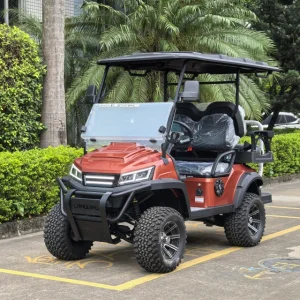
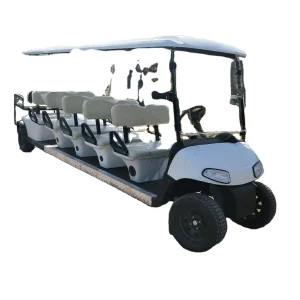
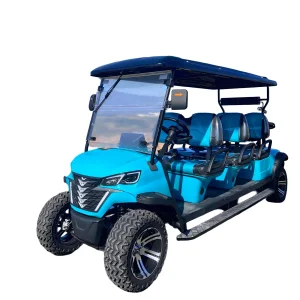
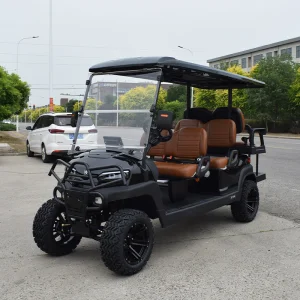
An analytical exploration of the growing demand for electric low-speed passenger fleets across Australia’s economic sectors.
Australia’s commercial transport paradigm is shifting toward smart electrification, and low-speed passenger electric vehicles (LSEVs) are leading the transformation. Driven by stringent corporate net-zero targets, high operational energy costs, and an national focus on ecological preservation, organizations across the continent are actively phasing out internal combustion engine (ICE) utility fleets. From the tropical eco-resorts of the Whitsundays and the extensive viticultural estates of the Yarra Valley to Australia's vast mining campuses and master-planned retirement villages, the demand for high-reliability, zero-emission passenger transportation is surging.
Unlike standard utility vehicles, modern passenger golf carts must serve as multi-functional transit platforms. They must combine passenger comfort, low maintenance, and energy efficiency, all while operating reliably in Australia's challenging environmental conditions. Coastal resorts demand high resistance to salt spray and high humidity; inland agricultural and wine-growing regions require excellent suspension and torque for hilly terrains; and urban commercial zones require quiet, emissions-free operations. As a result, commercial buyers are moving away from basic recreational carts in favor of industrial-grade passenger buggies engineered to rigorous specifications.
In response to these demands, leading Australian project developers, facility managers, and procurement officers are establishing direct partnerships with tier-1 global manufacturers and exporters. This whitepaper analyzes how these partnerships leverage international manufacturing scale to deliver tailored, high-compliance electric vehicle fleets that meet Australia's unique geographic and regulatory challenges.
Navigating Australian Design Rules (ADR), Conditional Road Registration, and Safety Mandates for Commercial Operation.
Deploying a passenger utility fleet in Australia requires careful compliance with local safety standards and road regulations. Unlike other regions, Australia has distinct guidelines governing where and how low-speed vehicles can operate. Key regulatory aspects include:
For vehicles targeting public road access via conditional registration, compliance with basic safety metrics is essential. This includes integrated three-point seat belts, shatterproof windscreens, and certified brake systems.
Every Australian state regulates low-speed vehicles differently. For instance, New South Wales (Transport for NSW) and Queensland (Department of Transport and Main Roads) offer conditional registration schemes for golf buggies, requiring specific light configurations, reflective hazard plates, and speed limiters (typically capped at 20 km/h or 30 km/h).
Australian corporate environments place immense weight on employee and public safety. Carts operated on resort grounds or industrial facilities must be equipped with backup beepers, flashing safety beacons, and speed limiters to safeguard pedestrians and workers.
Shenzhen Kabar Golf Co., Ltd. customizes its passenger carts for the Australian market. We incorporate premium components like US-imported Curtis controllers, highly responsive hydraulic front-and-rear disc braking systems, and certified LED lighting packages to meet local safety and registration requirements. Our engineering team designs custom wiring assemblies to simplify the integration of local telematics and speed regulation devices.
Why direct manufacturing integration with Shenzhen Kabar Golf Co., Ltd. optimizes B2B fleet acquisition.
As a leading hub for advanced manufacturing, the Shenzhen-Guangdong industrial corridor offers a highly efficient ecosystem for low-speed electric vehicle production. Direct partnerships with established manufacturers like Shenzhen Kabar Golf Co., Ltd. allow Australian commercial buyers to combine robust quality standards with cost-efficient global logistics.
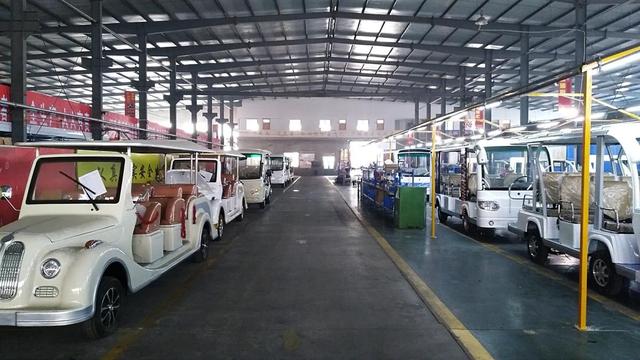
Established in 2014, Kabar Golf specializes in the research, development, and export of high-grade electric golf carts, utility transport vehicles, and custom mobility solutions. Operating from a modern facility spanning over 18,000 square meters and supported by a team of more than 220 skilled manufacturing professionals, the company provides comprehensive OEM and ODM support. This direct-to-manufacturer model bypasses middlemen, allowing Australian enterprises to co-design custom configurations directly with the engineers responsible for vehicle assembly.
Kabar Golf's integrated supply chain delivers several key advantages for B2B buyers:
Specially configured models featuring raised ground clearance, high-torque drivetrains, and long-range battery systems for rugged environments.
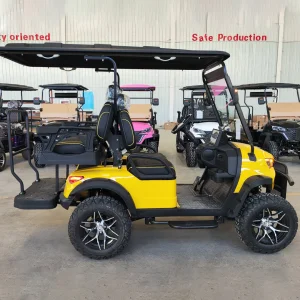
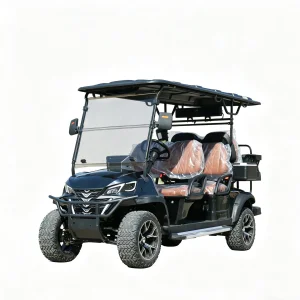
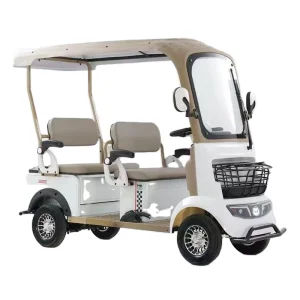
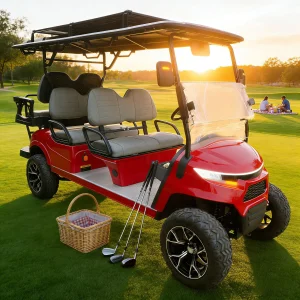
Essential technical and economic factors to evaluate when sourcing high-occupancy electric vehicles.
Enterprise procurement departments must balance immediate capital expenditure (CAPEX) with long-term operational costs (OPEX) when investing in electric vehicle fleets. Evaluating the Total Cost of Ownership (TCO) reveals key areas where customized engineering directly impacts long-term profitability:
While traditional lead-acid batteries have lower upfront costs, they require regular water maintenance, degrade faster in high temperatures, and have a shorter cycle life (approx. 500-800 cycles). In contrast, lithium-iron phosphate (LiFePO4) systems require zero maintenance, charge faster, support opportunity charging, and last 3,000+ cycles at 80% Depth of Discharge (DoD). This makes lithium the clear choice for high-frequency operations, such as airport and resort shuttling.
Our passenger carts utilize advanced AC brushless induction motors (typically 4KW or 5KW high-efficiency systems) paired with heavy-duty speed controllers. Brushless AC motors provide precise torque control and regenerative braking systems that feed energy back into the battery pack on downhill slopes. This design reduces brake wear and extends the vehicle's driving range between charges.
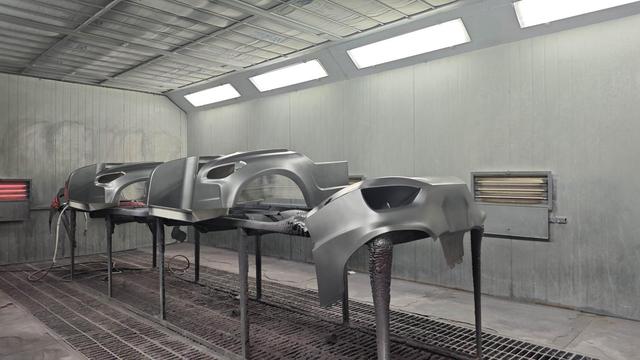
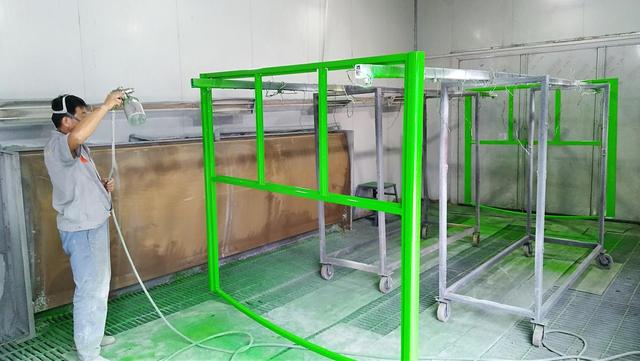
Australia’s coastal resorts, marinas, and residential estates present highly corrosive environments. Fleet vehicles operating in these areas must feature robust rust prevention. Kabar Golf uses hot-dip galvanized steel chassis or optional lightweight aluminum frames, finished with durable automotive-grade powder coating to prevent corrosion and ensure long-term durability.
Large-scale operators require real-time visibility into their fleet operations. Our electric platforms support optional telematics modules, enabling managers to track GPS coordinates, set geofenced speed limits, monitor real-time battery status, and receive remote system diagnostics via mobile and web interfaces.
How distinct commercial environments deploy customized electric utility fleets to optimize operations.
In eco-sensitive regions like the Great Barrier Reef islands, low noise and zero emissions are essential. Multi-passenger shuttles quietly transport guests and luggage from docks to villas, protecting the local environment while maintaining a premium guest experience.
Hilly terrain and variable ground conditions require vehicles with high ground clearance, robust suspensions, and high-torque drivetrains. 4WD variants transport tour groups and staff safely across unpaved trails and steep vineyards.
Vast sites and remote work camps require dependable workforce transit. Heavy-duty 8-to-12-seater passenger carts operate as zero-emission shuttles, moving staff across expansive campuses, reducing walking times, and lowering overall site emissions.
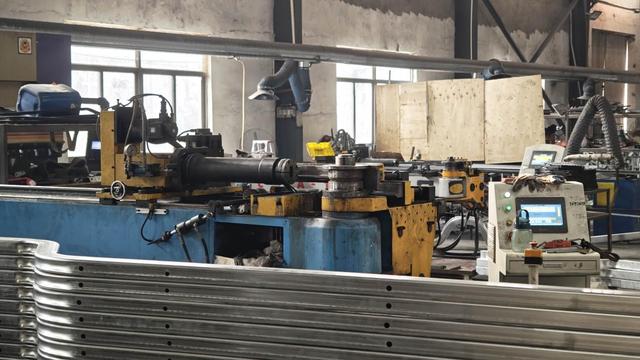
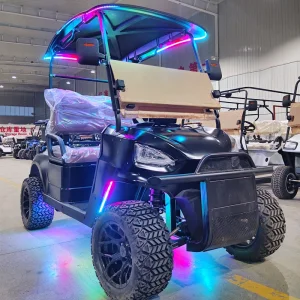
A glimpse inside the 18,000 sqm Shenzhen Kabar production facility, showcasing precision assembly, rigorous component testing, and quality control.
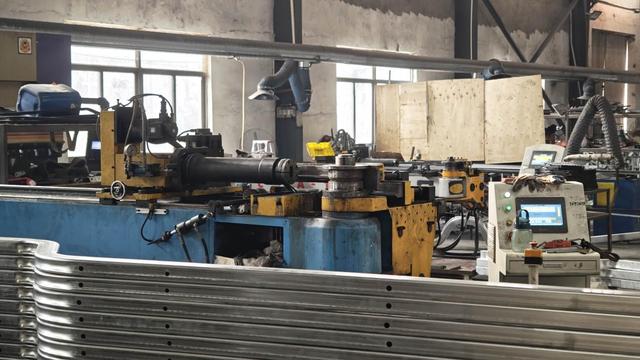
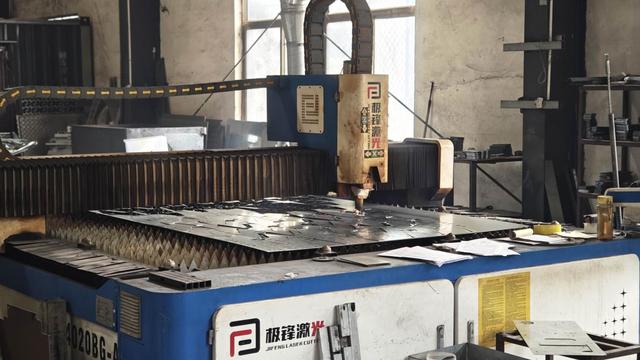
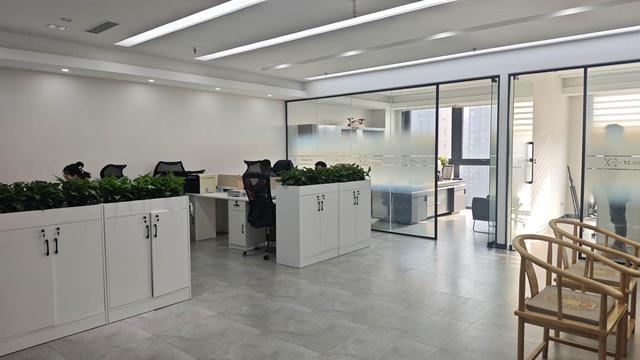
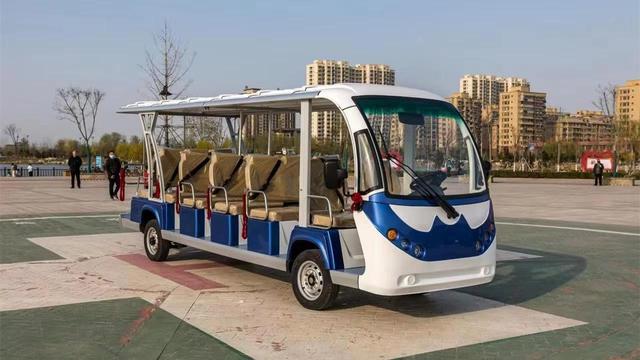
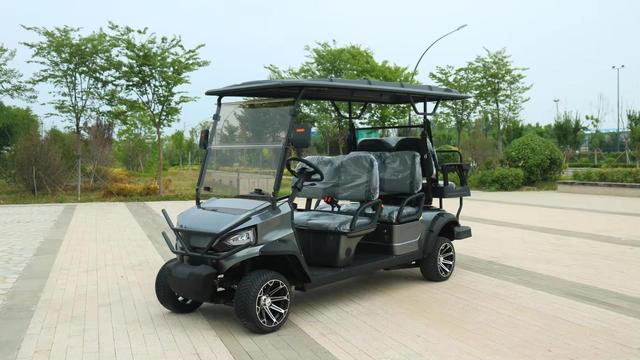
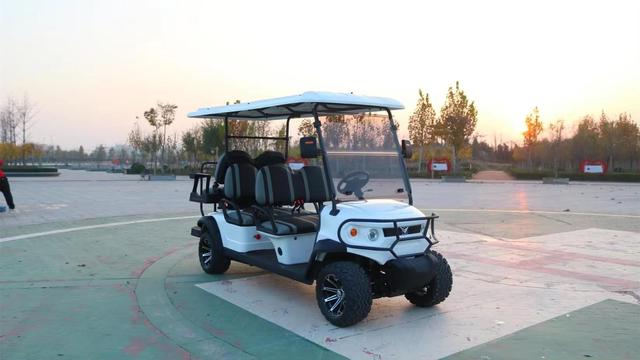
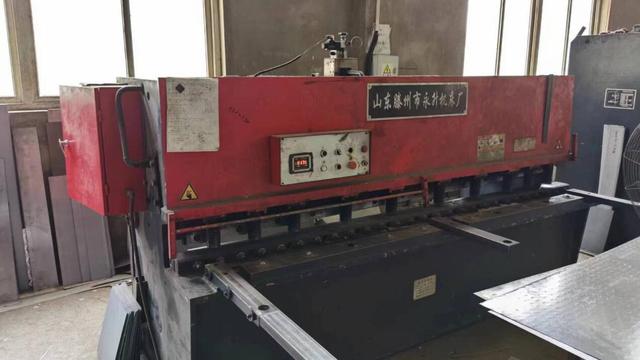
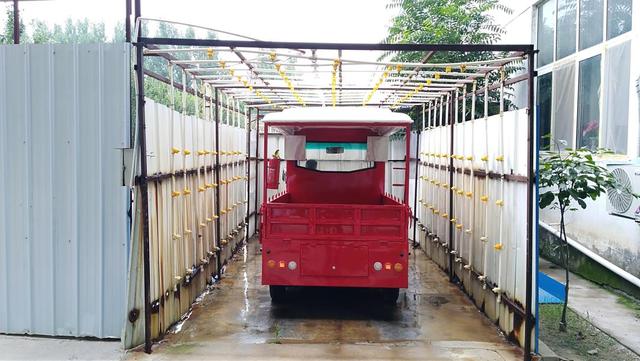
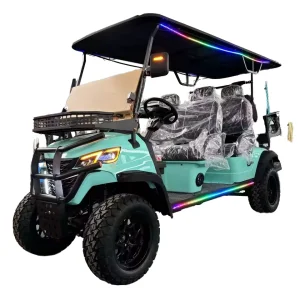
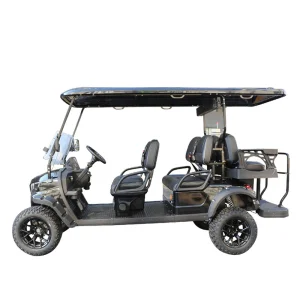
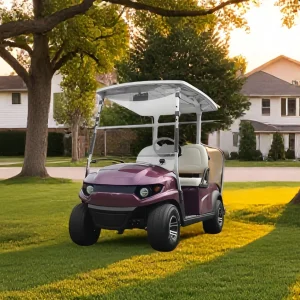
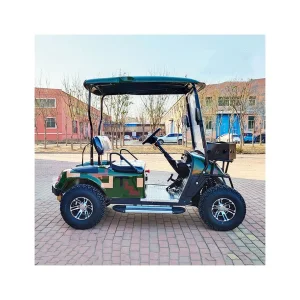
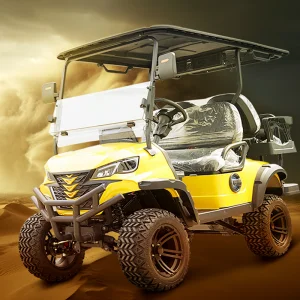
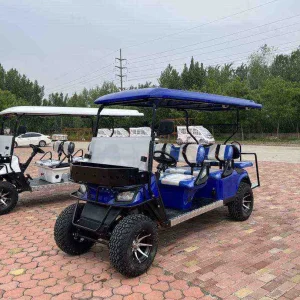
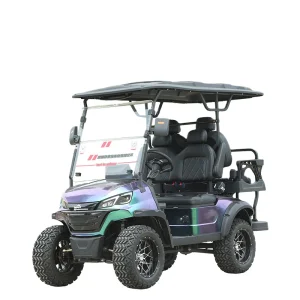
Explore our diverse range of high-performance electric vehicles designed to meet various commercial and passenger transport needs.
Detailed answers to the most common questions regarding low-speed electric vehicle compliance, shipping, and customization for the Australian market.
 Kabar Golf