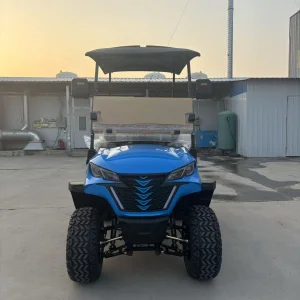
Explore our top-tier electric mobility line, manufactured with advanced electrical systems, integrated safety engineering, and rugged construction designed for campuses, resorts, and municipal operations.
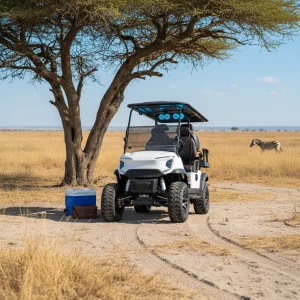
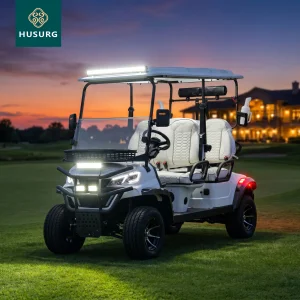
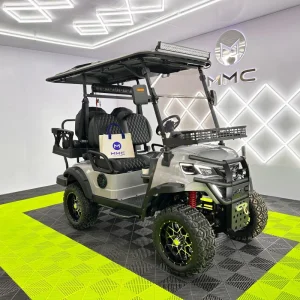
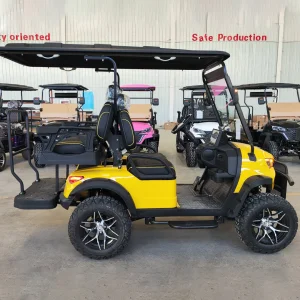
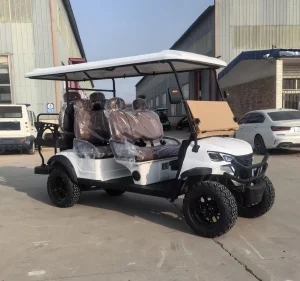
The global industrial and commercial landscapes are undergoing a profound transformation. Driven by stringent environmental mandates, the urgent need to achieve ESG (Environmental, Social, and Governance) targets, and a macro-economic push toward operational efficiency, modern enterprises are abandoning internal combustion engines in favor of low-speed electric vehicles (LSEVs). Battery operated carts have transcended their historic association with golf courses to become critical components of localized transport infrastructure.
For large-scale facilities, institutional campuses, industrial complexes, and commercial properties, battery operated fleets offer a silent, carbon-free solution to complex logistics challenges. Whether coordinating guest logistics in eco-sensitive luxury resorts or optimizing heavy-duty maintenance routing across expansive municipal parks, these specialized carts streamline operational workflows. The transition to high-voltage AC drivetrains, intelligent battery management systems, and ergonomic structural designs has enabled fleets to lower their Total Cost of Ownership (TCO) while significantly enhancing corporate sustainability profiles.
Information Gain: Traditional fleets operating internal combustion engines face rising maintenance schedules, high fuel expenditures, and severe localized emissions penalties. Transitioning to advanced lithium-ion and premium lead-acid battery platforms removes localized emissions completely, provides over 80% thermal-to-kinetic energy conversion efficiency, and reduces moving powertrain components by up to 60%, drastically cutting long-term maintenance costs.
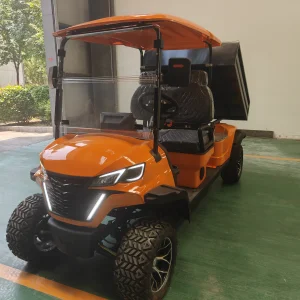
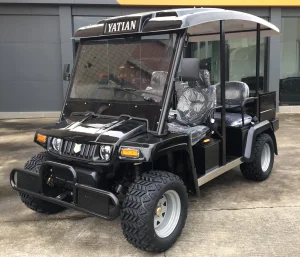
Heavy-duty utility carts featuring manual and hydraulic tilting boxes. Engineered to carry payload capacities of up to 1,000kg across complex terrains, ensuring seamless site cleanup, baggage handling, and maintenance support.
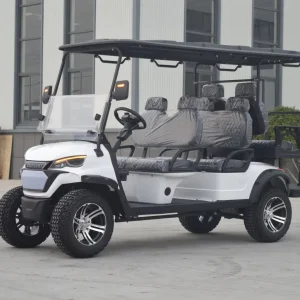
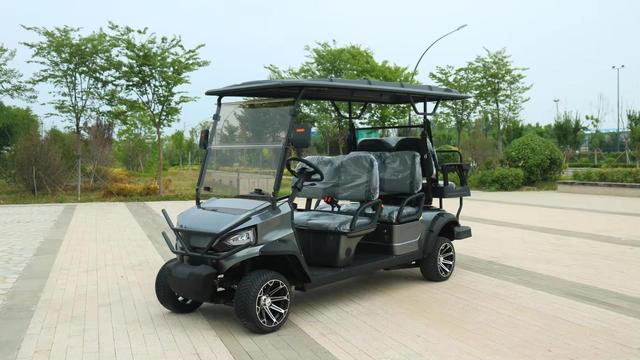
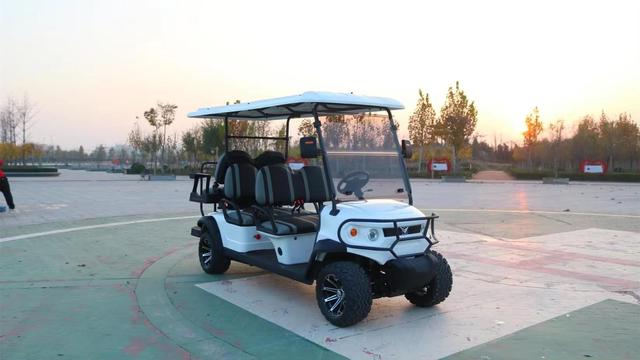
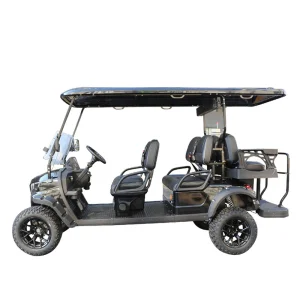
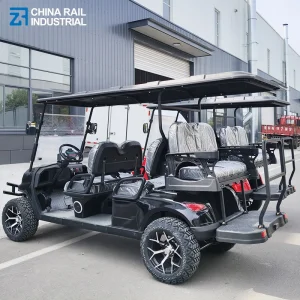
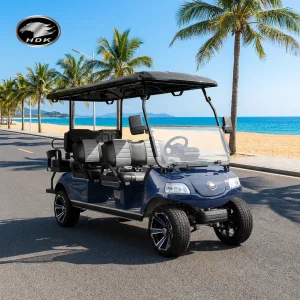
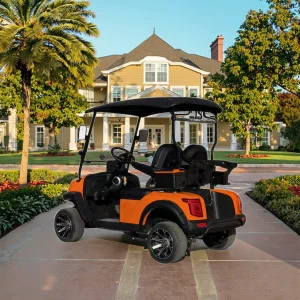
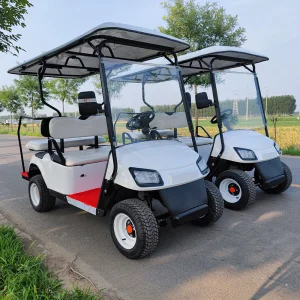
Luxurious configurations from 4-passenger campus shuttles to expansive 8-passenger vehicles. Tailored for continuous hotel, airport, and resort operations, ensuring smooth rides via optimized leaf-spring suspension and hydraulic disc brakes.
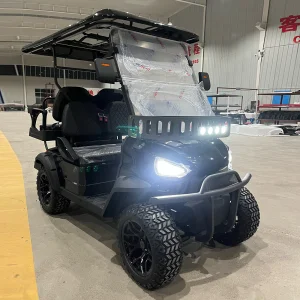
Street-legal patrol vehicles featuring certified warning light brackets, heavy-duty brush guards, and reinforced structures. Designed for police patrols, secure university environments, and public safety enforcement.
The global demand for high-capacity, dependable battery-powered mobility units has experienced exponential growth. Historically concentrated in North America, the market has expanded rapidly into European eco-tourism corridors, Middle Eastern commercial developments, and industrial hubs across the Asia-Pacific region. According to recent industrial intelligence, the global market for low-speed electric vehicles is projected to expand at a compound annual growth rate (CAGR) exceeding 8.4% over the current decade, driven by rapid urbanization and green urban zoning laws.
In highly regulated regions such as the European Union and the United States, strict mandates governing low-emission zones (LEZs) have prohibited the operation of fossil-fueled maintenance and passenger vehicles within historical city centers, campuses, and conservation reserves. Manufacturers have adapted to this paradigm by integrating automotive-grade safety features—including electromagnetic brakes (EMB), dual-circuit hydraulic braking systems, safety glass windshields, and three-point seat belts—directly into their base platforms, ensuring seamless transitions to street-legal compliance.
A reliable supplier must back product innovation with robust industrial manufacturing and rigorous quality control protocols. Shenzhen Kabar Golf Co., Ltd. serves as an excellent case study of high-level industrial capabilities in this sector.
Shenzhen Kabar Golf Co., Ltd. is a professional golf cart manufacturer located in Shenzhen, Guangdong, China. Established in 2014, the company specializes in the research, development, manufacturing, and export of electric golf carts, utility vehicles, and customized mobility solutions for global customers. With a modern production facility covering more than 18,000 square meters and a workforce of over 220 employees, Kabar Golf has developed into a reliable supplier serving golf courses, resorts, hotels, industrial parks, residential communities, airports, campuses, and commercial facilities worldwide.
The company's product portfolio includes electric golf carts, passenger transport vehicles, utility carts, cargo vehicles, resort shuttle carts, street-legal electric vehicles, fleet transportation solutions, and customized mobility vehicles. Designed with a focus on efficiency, comfort, safety, and sustainability, Kabar Golf products help customers improve transportation operations while reducing environmental impact.
Supported by an experienced engineering and R&D team, Shenzhen Kabar Golf continuously invests in vehicle innovation, battery technology, intelligent control systems, and ergonomic design. The company offers comprehensive OEM and ODM services, including vehicle customization, branding, color matching, seating configurations, accessory integration, and private-label manufacturing to meet the diverse requirements of international markets.
Quality management is integrated throughout every stage of production, from component sourcing and vehicle assembly to testing and final inspection. Advanced manufacturing equipment and strict quality control procedures help ensure consistent product performance and reliability. With products exported to North America, Europe, the Middle East, Southeast Asia, Australia, and other regions, Shenzhen Kabar Golf Co., Ltd. is committed to delivering dependable electric mobility solutions and long-term value for customers worldwide. The company continues to provide innovative golf carts, utility vehicles, and custom transportation solutions tailored to evolving market needs.
Modern electric mobility vehicles depend heavily on their internal systems. The components within battery operated carts dictate their overall efficiency, safety, and adaptability.
While deep-cycle lead-acid batteries remain an affordable option, Lithium Iron Phosphate (LiFePO4) systems represent the modern industry standard. LiFePO4 configurations support over 3,500 charging cycles, require zero maintenance, reduce weight by 60%, and support fast charging.
Transitioning from DC motors to high-torque 3.5KW and 5KW AC brushless motors has increased powertrain efficiency. AC motors deliver steady torque at lower speeds, improve hill-climbing capabilities, and support regenerative braking.
Future development focuses on fleet telematics. Fleet operators can now access real-time GPS tracking, geofencing parameters, remote diagnostic reports, and battery state-of-health (SOH) tracking through centralized dashboards.
This technological advancement ensures fleet operators secure immediate returns on investment. Regenerative braking systems, for example, capture kinetic energy during deceleration and downhill driving, returning it directly to the battery pack. This system increases operational range by up to 15% and reduces wear on mechanical brake pads, minimizing downtime for maintenance.
Shipping low-speed vehicles globally requires strict adherence to international regulatory frameworks. To guarantee seamless customs clearance and street-legal operational capabilities, products undergo extensive homologation testing. This testing ensures compliance with CE certification standards for European markets, as well as DOT and FMVSS requirements for operation on public roads in the United States.
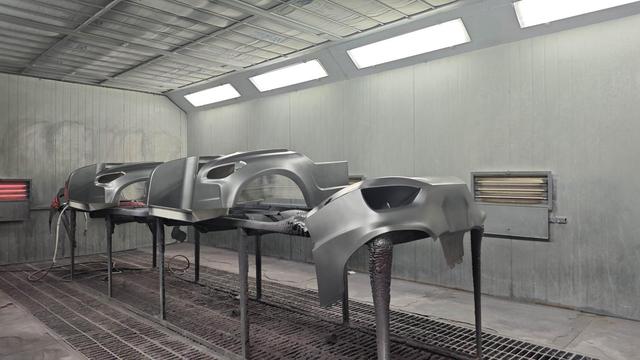
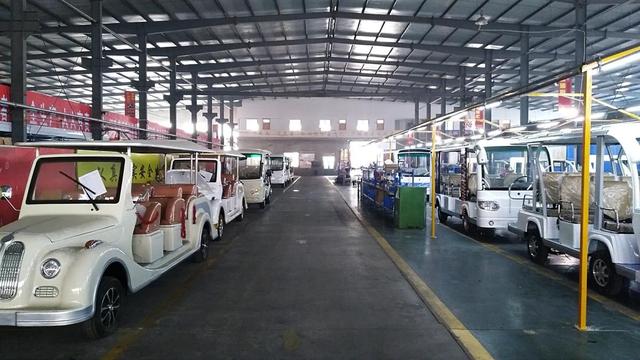
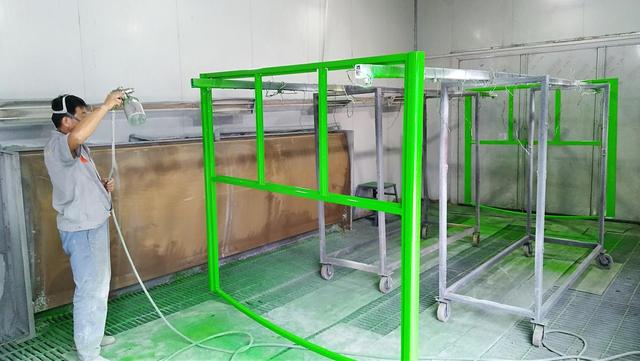
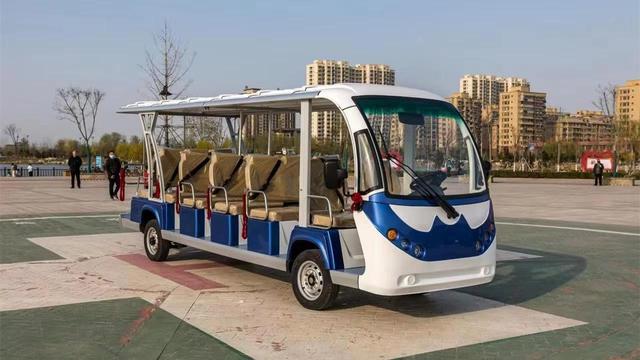
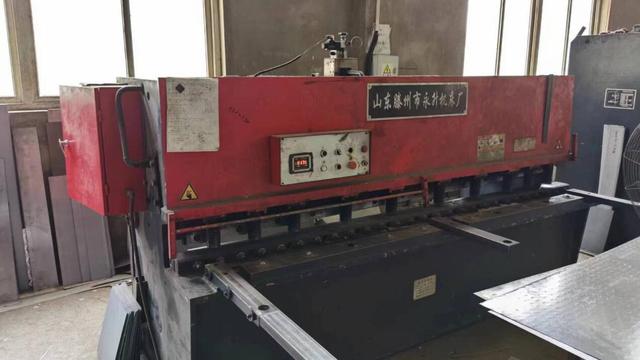
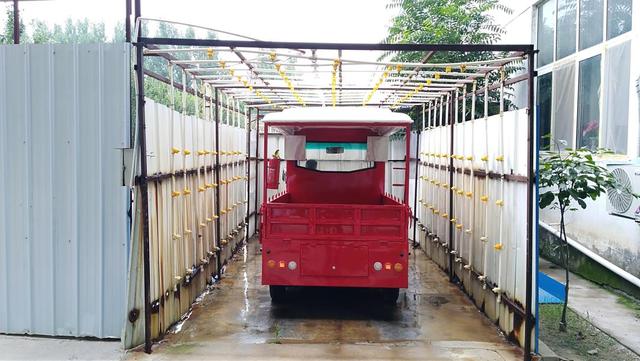
To ensure consistency across global markets, manufacturers maintain advanced production lines equipped with automated structural welding, high-precision robotic metal painting, and dynamic chassis alignment machinery. Below is an overview of our state-of-the-art production environments and quality control facilities:
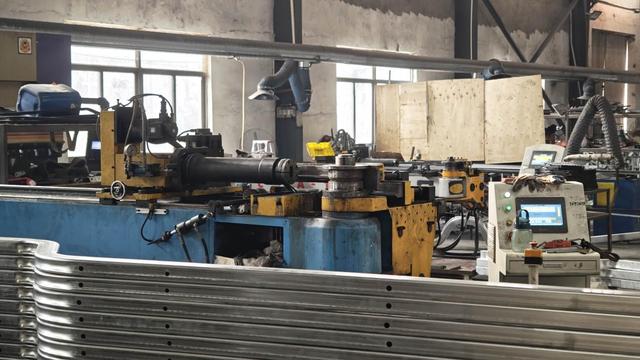
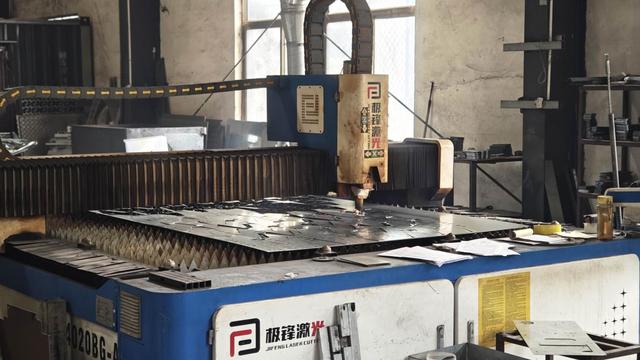

The requirements for battery-operated electric carts vary significantly across different regional markets. Understanding these localized operational contexts is essential for ensuring successful long-term deployment:
From a commercial fleet perspective, while lead-acid batteries have a lower initial purchase price, Lithium Iron Phosphate (LiFePO4) systems deliver a significantly lower Total Cost of Ownership (TCO). LiFePO4 cells support between 3,000 and 5,000 charging cycles at 80% Depth of Discharge (DoD), compared to approximately 500 to 800 cycles for lead-acid alternatives.
Additionally, lithium-ion setups do not require regular maintenance, such as watering or terminal cleaning. They also reduce overall vehicle weight by 60%, improving mechanical efficiency and reducing wear on tires and suspension components. Lithium systems also support opportunistic charging without memory degradation, which maximizes vehicle uptime.
Making a vehicle street-legal varies by local jurisdiction, but generally requires upgrading the unit to meet Low-Speed Vehicle (LSV) or Neighborhood Electric Vehicle (NEV) standards. Key modifications include installing a DOT-approved laminated safety glass windshield, a high-visibility LED lighting array (including headlights, brake lights, turn signals, and a license plate light), dual exterior side-view mirrors, a rearview mirror, and three-point safety seat belts.
The vehicle must also be equipped with an onboard speedometer, a horn, and a vehicle identification number (VIN). Finally, the powertrain must limit the maximum design speed to between 20 mph (32 km/h) and 25 mph (40 km/h) depending on local guidelines.
On steep slopes, traditional mechanical drum brakes can suffer from heat fade, which reduces stopping power. Modern electric carts resolve this by using dual-system configurations. Four-wheel hydraulic disc brakes provide consistent mechanical stopping power and dissipate heat effectively.
This is paired with an Electromagnetic Brake (EMB) system acting as an automatic parking brake. The EMB engages automatically whenever the vehicle stops, preventing rolling on steep grades even if the power is turned off or the battery depletes. It also integrates with the motor controller to assist with controlled deceleration on descents.
A standard 72V lithium-powered cart equipped with a 100Ah to 150Ah battery pack delivers an operational range of 70km to 90km per full charge under normal driving conditions. This range is influenced by several factors:
Review our second collection of premium electric utility vehicles, classic designs, and high-passenger shuttles engineered to meet global compliance and performance standards.
 Kabar Golf