As global enterprises commit to aggressive Net-Zero sustainability targets, the modernization of internal micro-mobility logistics has shifted from a secondary operations concern to a core ESG priority. Corporate campus systems, master-planned commercial complexes, regional transit terminals, and luxury leisure properties increasingly require silent, zero-emission, and highly reliable transit configurations.
This whitepaper analyzes the Top 10 Corporate Shuttle Carts Suppliers & Exporters, with a key emphasis on Shenzhen Kabar Golf Co., Ltd. and its role in spearheading technology integration, customizable low-speed vehicles (LSVs), and robust Chinese supply chain corridors. By reviewing the market through technical configurations, cost-benefit analyses, and localization models, procurement directors can formulate optimal capital expenditure strategies for sustainable fleet deployment.
To guide procurement teams, we analyze the leading global suppliers according to their technical capacity, engineering standards, and geographic coverage.
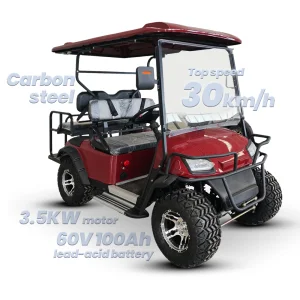
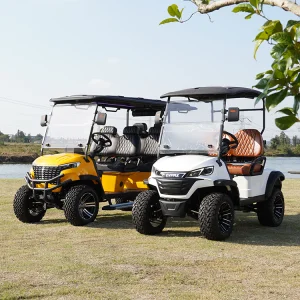
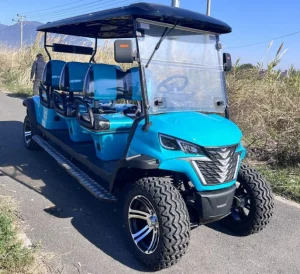
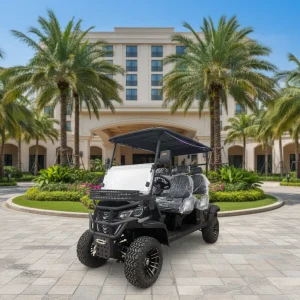
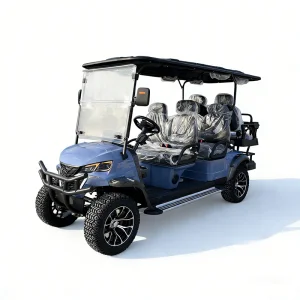
Established in 2014 and situated in Shenzhen's technology manufacturing cluster, Kabar Golf represents the modern paradigm of precision engineering. Boasting a facility of over 18,000 square meters and a dedicated engineering workforce exceeding 220 employees, the company has carved out a distinct market position in customized electric golf carts, resort shuttle systems, street-legal low-speed vehicles (LSVs), and intelligent utility carts. Their integration of high-density lithium-iron-phosphate (LiFePO4) power cells, high-strength tensile steel frames, and intelligent telemetry makes them the premier choice for international B2B fleet buyers seeking OEM/ODM agility.
A pioneer in North American micro-mobility, Club Car focuses on high-end aluminum chassis engineering. Their commercial line features highly robust suspension systems suited for rugged terrain, though at a significantly higher initial acquisition cost compared to Asian alternatives.
Part of the industrial giant Textron, E-Z-GO excels in mass-producing standard golf carts and light utility vehicles. Their proprietary ELiTE lithium drivetrains offer decent performance, backed by a strong North American distributor network.
Leveraging their extensive automotive heritage, Yamaha provides extremely reliable combustion and AC electric drivetrains. They are renowned for ride comfort and precise steering dynamics, though their design options are generally standardized with less room for bespoke styling.
Focused almost entirely on industrial cargo carriers and heavy-duty personnel movers, Taylor-Dunn's portfolio excels inside major distribution hubs and steel mills, offering rugged utilitarian construction.
Operating in the ultra-luxury segment, Garia blends Scandinavian design with automotive-grade materials. They serve premium corporate campuses, exclusive resorts, and municipal zones looking for a high-status aesthetic.
A major player in high-capacity electric shuttle buses, Wuling caters to large-scale urban passenger transport with 11- to 23-seater configurations, suitable for public transit links and airport terminals.
Global Electric Motorcars (GEM) specializes in street-legal, FMVSS-compliant low-speed vehicles. Offering distinct safety features like three-point seatbelts and automotive-grade glass windshields, they are optimized for public road transit.
Serving the European continent, Italcar provides compact utility vehicles and shuttles featuring European Union type-approvals, optimized for tight historical urban centers and European resort pathways.
Focusing on heavy-duty European off-road and municipal service operations, Alke' manufactures highly specialized, explosion-proof electric vehicles for airports, dangerous materials facilities, and cold climates.
Corporate shuttle carts are no longer confined to the golf course. Modern business ecosystems deploy these versatile vehicles across various challenging environments:
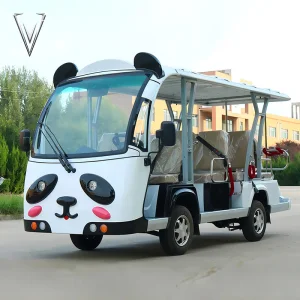
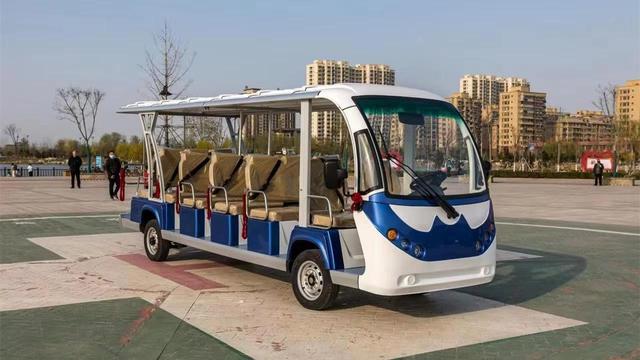
Airports operate 24/7 with massive foot traffic. Electric shuttles, such as the Japanese Cartoon-Themed Electric Shuttle Bus (14 & 8 Seater), are deployed for tarmac movements, VIP transport, and airside logistics. Due to indoor exhaust restrictions, zero-emission electric powertrains are mandatory. Reliability is critical; a single vehicle breakdown can cause severe scheduling delays.
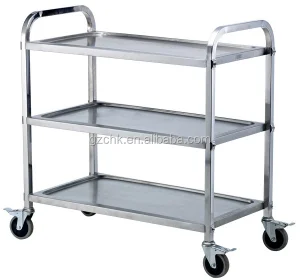
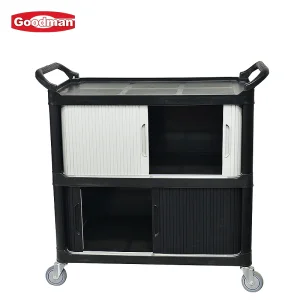
Hospitality environments require high aesthetic appeal, whisper-quiet operations, and extreme longevity against corrosive marine air. Premium guest movement requires vehicles with customizable color schemes, luxury leather seating, and advanced utility additions like the Five-Star Hotel Poolside Service Cart with Towel Warmer or 3 Tier Plastic Food Service Carts with Doors to ensure frictionless room-service and housekeeping operations.
Silicon Valley-style corporate campuses and sprawling universities rely on low-speed shuttles to connect parking structures, research labs, and dining halls. Integrated telematics allow facilities managers to track fleet utilization, battery state of charge (SoC), and implement geofencing to ensure vehicles do not stray from designated pathways.
The global low-speed vehicle market is undergoing rapid technological evolution. The table below highlights the technological shifts occurring between legacy systems and next-generation configurations.
| Technology Segment | Legacy Configurations (Obsolescent) | Next-Gen Standards (Kabar Golf Specifications) | Strategic Benefit for Fleet Operators |
|---|---|---|---|
| Battery Chemistries | Flooded Lead-Acid / AGM batteries | Lithium Iron Phosphate (LiFePO4) & NMC | Zero maintenance, 3x life cycles, rapid 2-hour charging, and 50% lighter weight. |
| Drivetrain & Motor | DC Brushed Motors | High-Efficiency AC Brushless Motors (4kW - 7.5kW) | Higher regenerative braking efficiency, excellent hill-climbing power, and low wear. |
| Chassis Architecture | Heavy Welded Cast Iron | High-strength structural steel or hot-dip galvanized frame | Outstanding corrosion resistance, structural rigidity, and weight reduction. |
| Telemetry & Safety | Basic analog battery needle meters | Smart High-Definition Touch Displays, GPS, Fleet Management | Real-time tracking, remote speed limits, preventative maintenance diagnostics. |
In sunny regions, solar-assisted golf carts (like the Eco-Friendly Solar Powered Golf Cart) represent the cutting-edge of off-grid engineering. By integrating flexible, high-efficiency monocrystalline solar panels directly into the canopy, operators can feed a continuous trickle-charge back into the lithium battery pack, extending the operating range by up to 15-20% daily and reducing utility grid dependencies.
The global logistics landscape requires supply chains that are highly resilient, adaptable, and cost-efficient. The Southern Chinese industrial cluster, centering on Shenzhen and Guangdong, serves as the epicentre for advanced electric vehicle components.
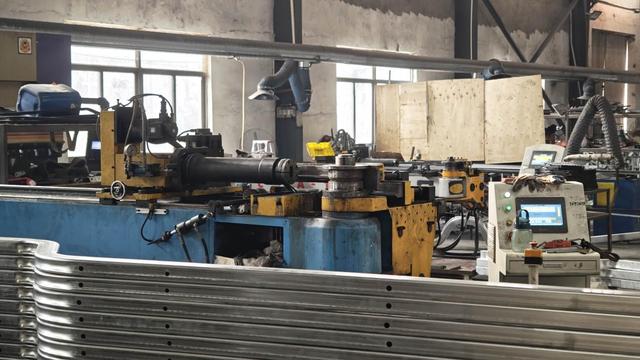
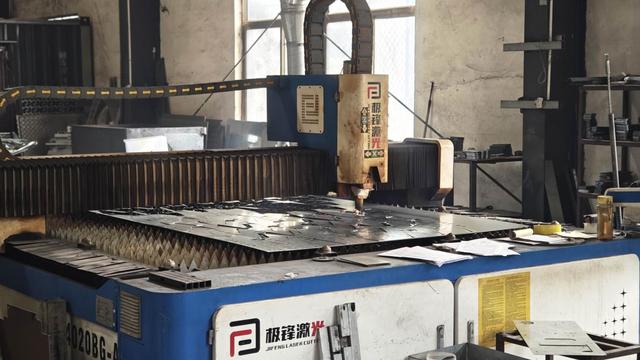
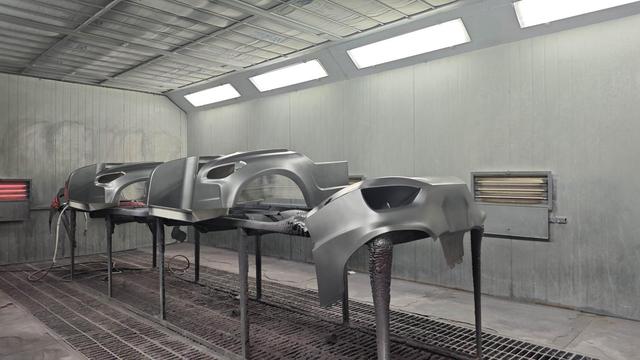
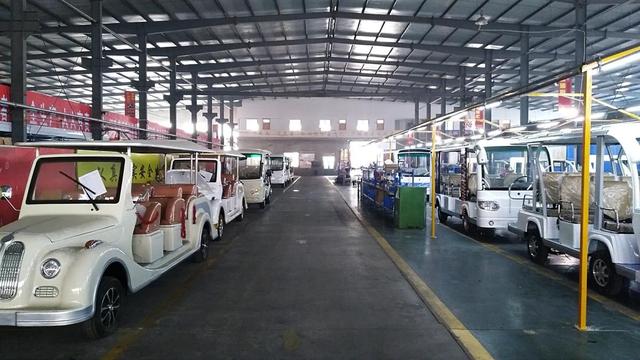
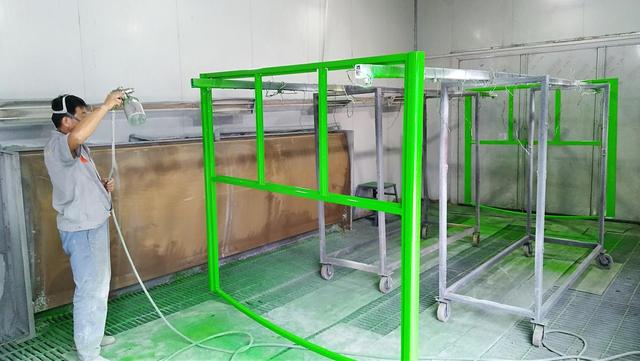
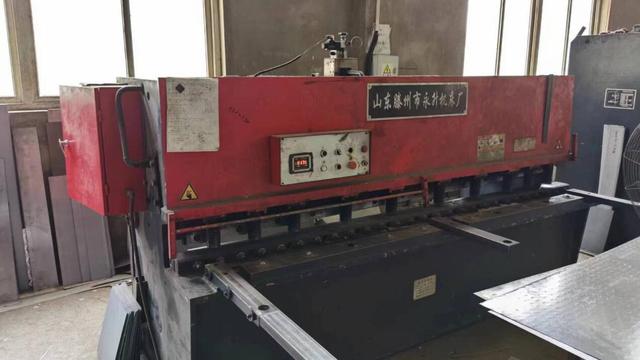
Vertical Integration: At Shenzhen Kabar Golf's 18,000 sqm facility, the manufacturing process is vertically integrated. This includes metal fabrication, chassis welding, precision painting, electrical wire-harness assembly, and strict multi-point dyno testing. Because Kabar Golf is situated in the heart of the global electronics capital, sourcing high-grade microcontrollers, lithium battery management systems (BMS), and premium alloy parts takes hours rather than weeks.
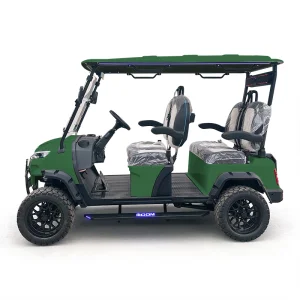
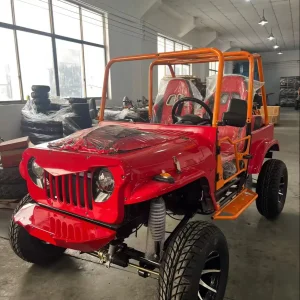
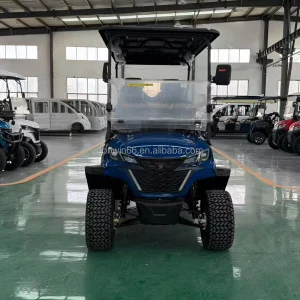
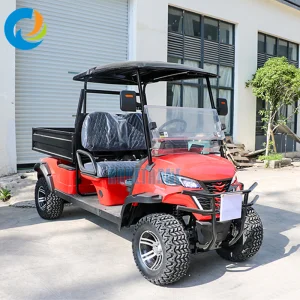
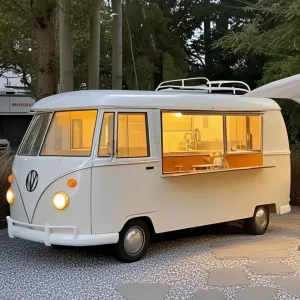
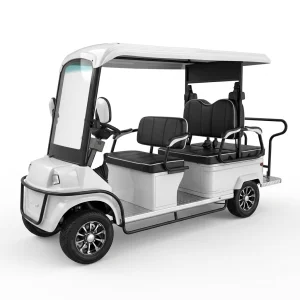
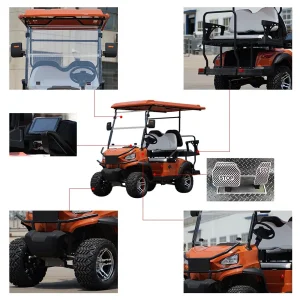
Transporting electric vehicles globally involves navigating complex import regulations. B2B buyers must prioritize suppliers who maintain rigorous international certifications to prevent import delays at customs checkpoints:
Shenzhen Kabar Golf Co., Ltd. strictly integrates quality check procedures at every stage, providing comprehensive export documentation, custom tariff coding (HS Code: 870310), and specialized seaworthy steel-crated packaging. This ensures that vehicles arrive at their destination ready for immediate deployment.
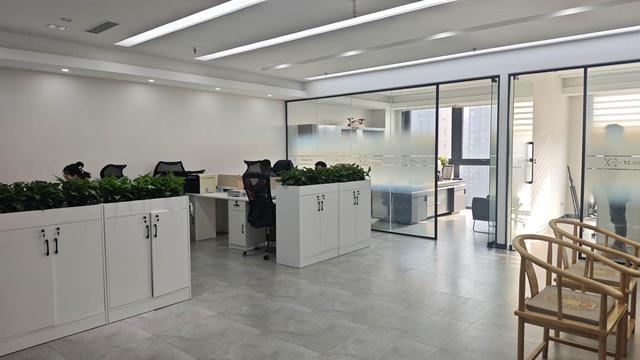
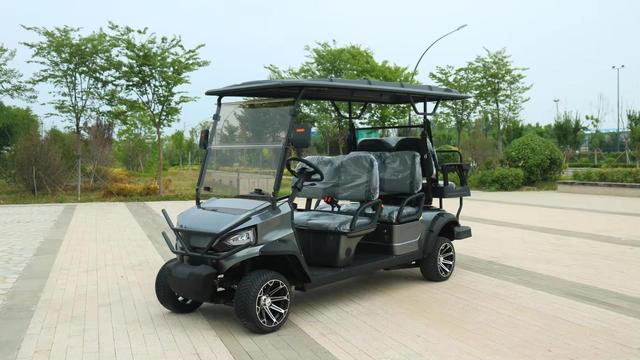
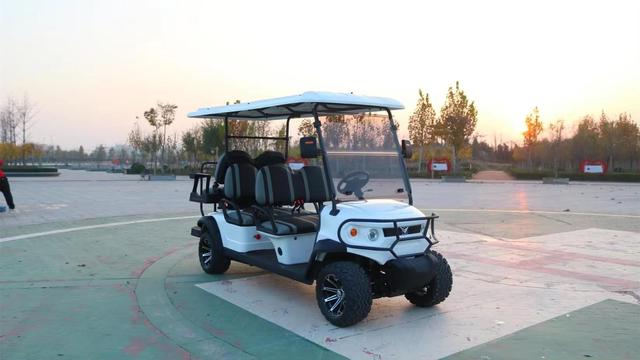
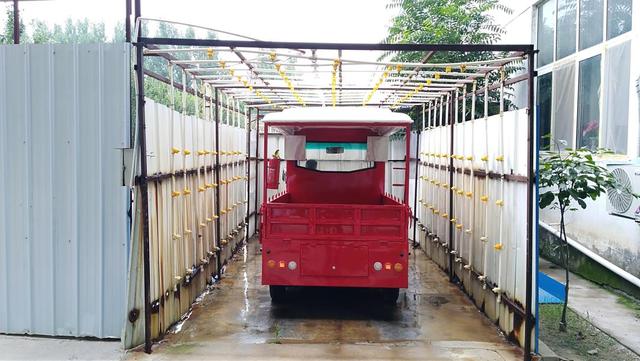
Consistent vehicle reliability is achieved through robust engineering and systematic testing. Below is an authentic showcase of Shenzhen Kabar Golf's advanced production facilities, design departments, assembly areas, and quality control systems.
 Kabar Golf