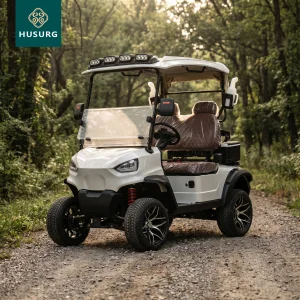
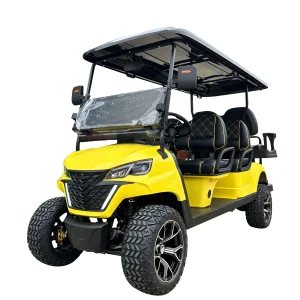
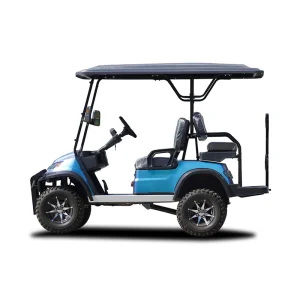
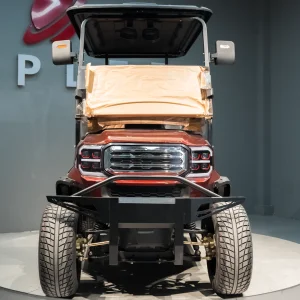
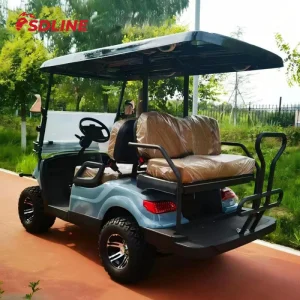
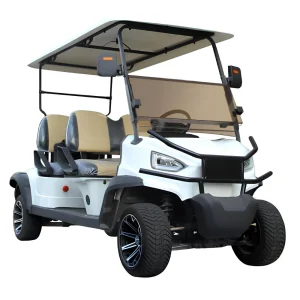
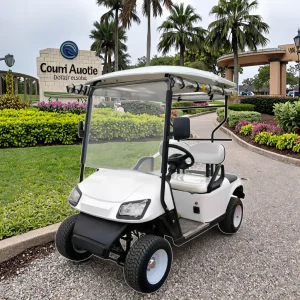
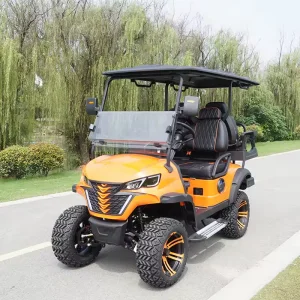
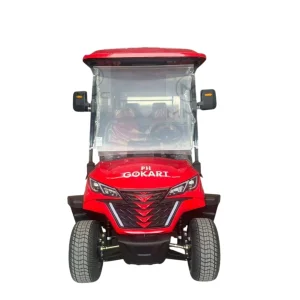
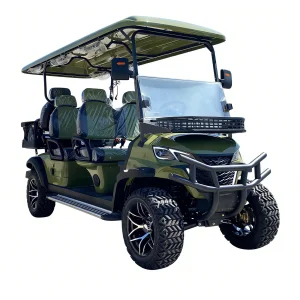
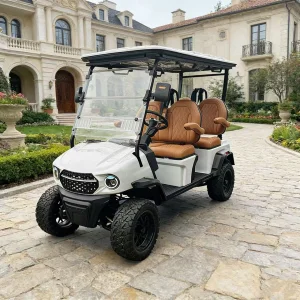
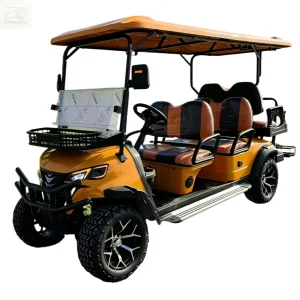
Explore our leading commercial utility configurations, optimized for intelligence, durability, and multi-terrain operation.
Strategic shift towards zero-emission fleets, modular chassis designs, and advanced battery chemistry (LiFePO4).
In the contemporary landscape of industrial logistics, resort management, and zero-emission municipal transportation, the role of Commercial Utility Vehicles (CUVs) has undergone a dramatic transformation. Originally conceptualized as basic mechanical buggies for flat turf applications, today's electrified utility vehicles are high-tech, multi-purpose platforms that represent the cutting edge of industrial mobility. This paradigm shift is driven by global sustainability mandates, the urgent need to optimize Total Cost of Ownership (TCO), and rapid breakthroughs in automotive-grade battery technology.
Underpinning this industrial revolution is the consolidation of manufacturing hubs, with Shenzhen and the broader Guangdong province at the epicentre of this engineering hub. Leading manufacturers are now implementing modular assembly line principles, deploying lightweight aluminum alloys, and utilizing hot-dip galvanized steel chassis frameworks to ensure long-term corrosion resistance. By integrating advanced Controller Area Network (CAN-bus) architectures and Variable Frequency AC motors, modern CUVs offer unmatched torque curves, regenerative braking efficiencies, and remote telematics tracking.
"The convergence of IoT fleet tracking, solid-state battery progress, and custom modular payloads has elevated the standard low-speed vehicle (LSV) into a business-critical asset for resorts, shipping ports, and modern industrial campuses."
Analyzing key evaluation parameters, ROI metrics, and operational performance matrices for global logistics procurers.
| Evaluation Parameter | Legacy Lead-Acid Fleet | Lithium-Ion (LiFePO4) Standards | Key Operational ROI Benefit |
|---|---|---|---|
| Battery Life Cycle | 300 - 500 charge cycles | 3,500 - 5,000+ charge cycles | Reduces battery replacement frequency by 80%. |
| Maintenance Overhead | High (Watering, terminal cleaning) | Zero-maintenance (Sealed chemistry) | Saves hundreds of manual labor hours per fleet annually. |
| Charging Efficiency | Slow (8-10 hours, linear curve) | Fast (2-3 hours, supports opportunistic charging) | Maximizes asset uptime; allows multi-shift operations. |
| Payload to Weight Ratio | Low (Heavy batteries decrease cargo limits) | High (Lightweight cells enable structural utility) | Increases maximum payload capacity by up to 30%. |
| Telematic Integration | None / Basic voltage meters | CAN-bus telemetry with real-time SOC tracking | Allows predictive maintenance and geofencing. |
Customized utility vehicle solutions designed to meet the logistical demands of specialized sectors.
Delivering high-capacity multi-passenger shuttles (up to 8 seats) with rain curtains, premium suspension, and near-silent operation to ensure a high-end guest experience.
Heavy-duty cargo beds, high-torque 7.2V / 5kW AC motors, and custom storage options to facilitate internal parts transport, heavy-duty towing, and continuous shifting.
CE and EEC certified street-legal low-speed vehicles (LSVs) tailored for police patrols, campus security, park maintenance, and local mail delivery services.
A global leader in electric golf carts, utility vehicles, and customized mobility engineering. Est. 2014 in Shenzhen, Guangdong, China.
Shenzhen Kabar Golf Co., Ltd. is a professional golf cart manufacturer located in Shenzhen, Guangdong, China. Established in 2014, the company specializes in the research, development, manufacturing, and export of electric golf carts, utility vehicles, and customized mobility solutions for global customers. With a modern production facility covering more than 18,000 square meters and a workforce of over 220 employees, Kabar Golf has developed into a reliable supplier serving golf courses, resorts, hotels, industrial parks, residential communities, airports, campuses, and commercial facilities worldwide.
The company's product portfolio includes electric golf carts, passenger transport vehicles, utility carts, cargo vehicles, resort shuttle carts, street-legal electric vehicles, fleet transportation solutions, and customized mobility vehicles. Designed with a focus on efficiency, comfort, safety, and sustainability, Kabar Golf products help customers improve transportation operations while reducing environmental impact.
Supported by an experienced engineering and R&D team, Shenzhen Kabar Golf continuously invests in vehicle innovation, battery technology, intelligent control systems, and ergonomic design. The company offers comprehensive OEM and ODM services, including vehicle customization, branding, color matching, seating configurations, accessory integration, and private-label manufacturing to meet the diverse requirements of international markets.
Quality management is integrated throughout every stage of production, from component sourcing and vehicle assembly to testing and final inspection. Advanced manufacturing equipment and strict quality control procedures help ensure consistent product performance and reliability. With products exported to North America, Europe, the Middle East, Southeast Asia, Australia, and other regions, Shenzhen Kabar Golf Co., Ltd. is committed to delivering dependable electric mobility solutions and long-term value for customers worldwide.
Our production facilities implement strict ISO 9001:2015 quality control processes.
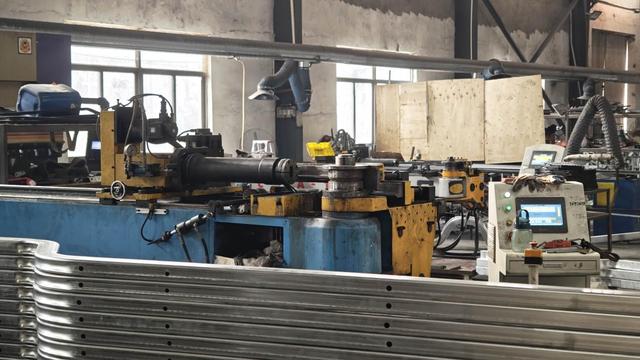
Advanced Chassis Assembly Line
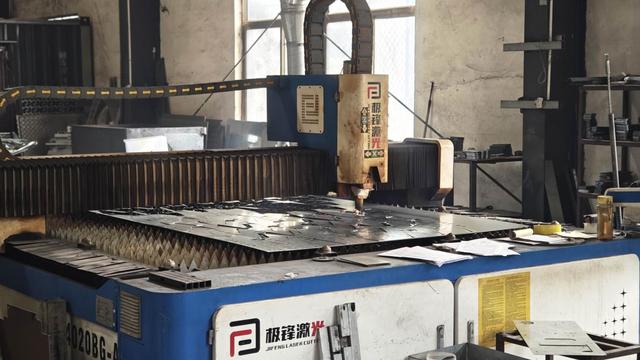
Precision Engineering Station
Welding and Safety Diagnostics

Powertrain Calibration Area
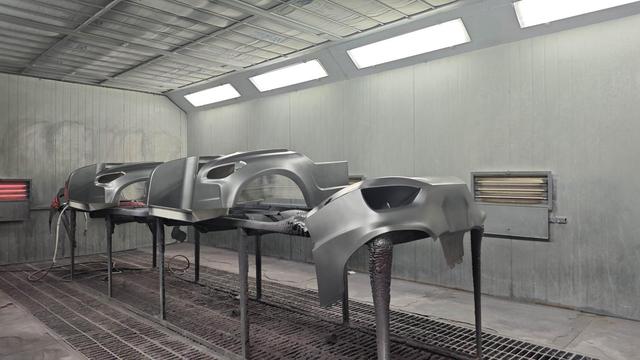
Body Mold and Customization
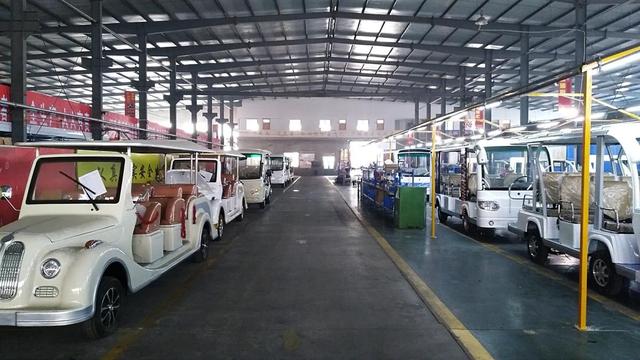
Electrophoretic Paint Coating
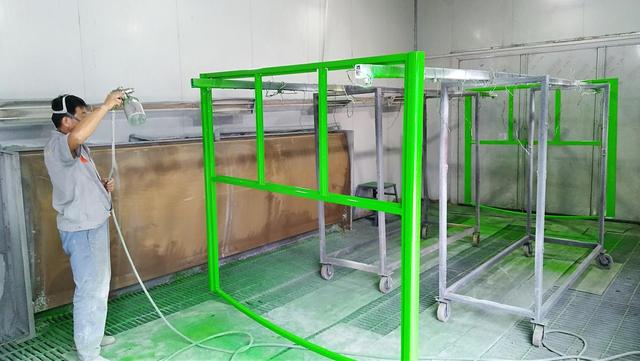
Final Component Inspection
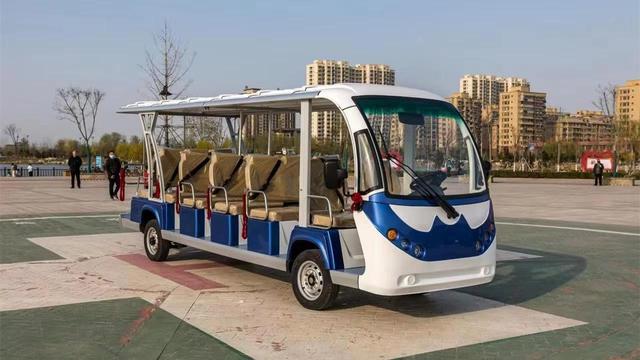
Quality Check Benchtop Testing
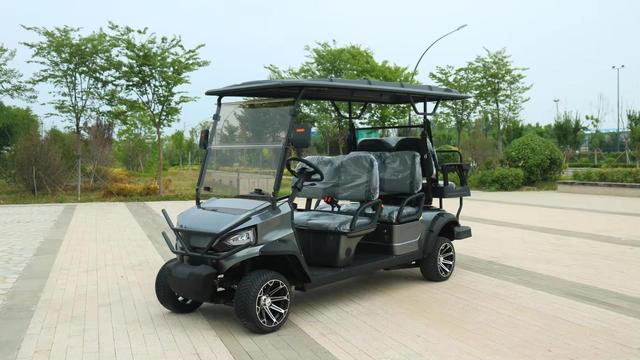
High-Voltage Wiring Integration
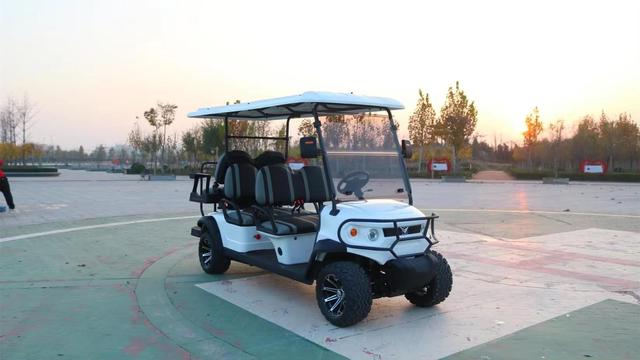
Performance Ramp Test Track
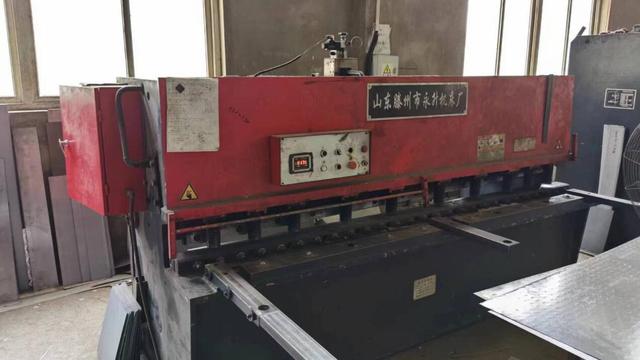
Completed Fleet Warehouse
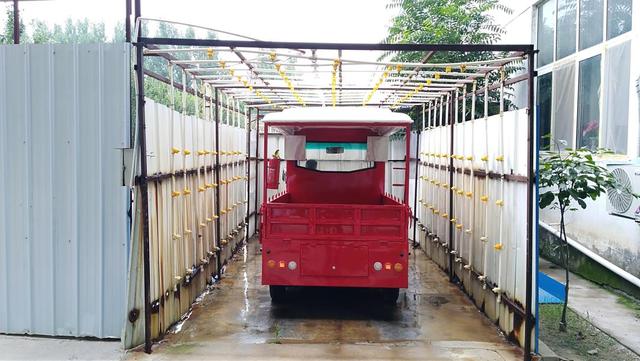
Global Export Preparation Dock
Innovations in powertrain efficiency, smart autonomous driving, and vehicle-to-grid integration.
The transition of utility fleets into smart ecosystems relies on technological advancements. The R&D path for the upcoming generation of commercial utility vehicles focuses on three main developments:
By shifting from legacy brushed DC or basic AC induction motors to Permanent Magnet Synchronous Motors (PMSM), modern platforms achieve up to 95% system efficiency. This minimizes thermal losses, increases hill-climbing capabilities, and provides precision control over low-speed high-torque operation, which is critical for rough terrains.
Next-generation vehicles are incorporating higher energy density cells with integrated smart Battery Management Systems (BMS). These setups support CAN-bus diagnostic output, protect against thermal runaway, and offer fast charging from standard 110V-240V utility ports without needing proprietary station infrastructure.
Cloud-integrated vehicle control units (VCUs) allow managers to monitor speed profiles, battery Health Status (SoH), State of Charge (SoC), and location in real-time. Geofencing ensures that golf resort fleets remain within permitted boundaries, preventing accidents and reducing wear.
Meeting global standards: EEC certification, CE compliance, DOT street-legal specifications, and local parts distribution networks.
Operating low-speed vehicles on public roads or structured corporate properties requires strict compliance with international regulations. Shenzhen Kabar Golf Co., Ltd. ensures all units meet or exceed certifications required for international import:
To support global distributors, Kabar Golf offers localized engineering assistance, custom design configurations, and spare parts supply lines to prevent fleet downtime.
Clear, direct information addressing key considerations for commercial procurement managers.
Select from our high-performance line-up to optimize your logistical operations.
 Kabar Golf