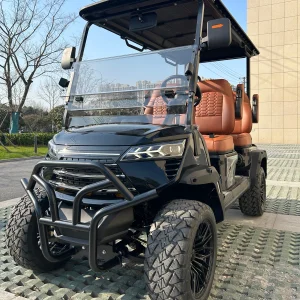
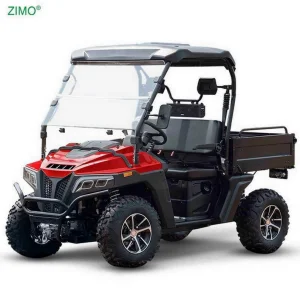
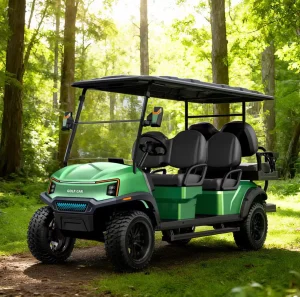
Pioneering standard-setting engineering for resort transport, cargo delivery, and commercial sightseeing.
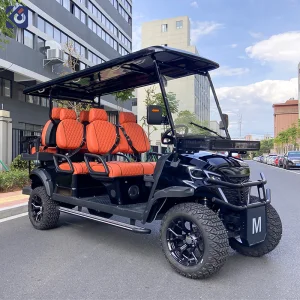
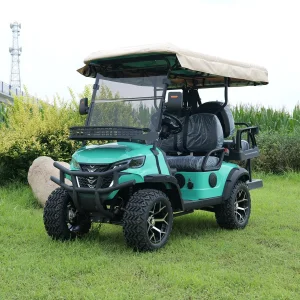
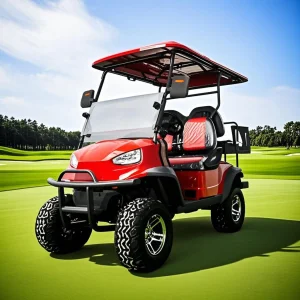
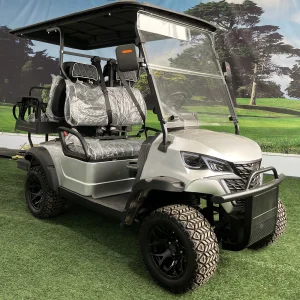
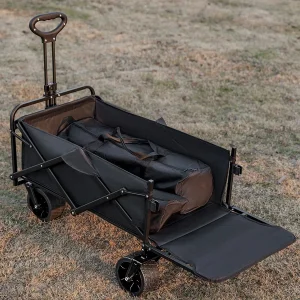
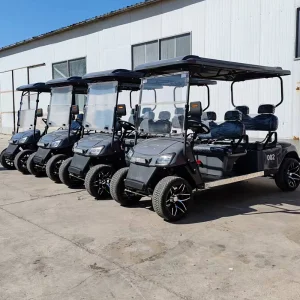
The global low-speed electric vehicle (LSEV) landscape is transitioning from luxury golf course fleets to comprehensive, multi-scenario accessible transport solutions. Driven by rigorous international environmental mandates, urban micro-mobility requirements, and ADA-compliant accessibility demands, modern manufacturing standards for utility vehicles and passenger buggies have significantly evolved. Today, accessible carts serve as the logistical backbone of green commercial complexes, modern medical facilities, smart campuses, and high-end tourism resorts.
Key industrial hubs, notably in the Pearl River Delta of China, leverage localized engineering powerhouses to output thousands of customized carts annually. Leading factories integrate advanced lithium-iron-phosphate (LiFePO4) battery systems, high-efficiency AC motors, and intelligent telematics systems to meet the safety and performance demands of diverse global markets, including North America, Europe, Australia, and the Middle East.
How global procurement officers assess manufacturing competency, quality assurance, and compliance framework.
Top-tier exporters prioritize FMVSS 500 (Low-Speed Vehicles) in the United States and EEC/L7e classification in Europe. Adhering to these certifications ensures safety mechanisms like DOT-approved windshields, integrated seatbelts, side mirrors, and automotive lighting arrays are native to the vehicle chassis.
High-grade aluminum alloy or hot-dip galvanized steel chassis provide rust resistance in coastal marine resorts. Dual-arm independent front suspensions ensure maximum passenger comfort and vehicle stability over uneven, off-road terrain.
The global market demands lithium battery integration (typically LiFePO4 chemistry) equipped with smart Battery Management Systems (BMS). This setup guarantees high-discharge efficiency, stable thermal management, overcharge protection, and lifespans exceeding 3,000 charge cycles.
A strategic projection of technologies transforming commercial transport, fleet automation, and energy recovery.
Fleet operators deploy global geofencing, real-time GPS tracking, remote battery diagnostics, and automated maintenance warning networks integrated into vehicle dashboards.
Deployment of LiDAR-assisted pedestrian detection, collision-avoidance braking, and lane-keep assist systems specialized for low-speed closed environments (resorts, airports, theme parks).
Implementation of Vehicle-to-Grid (V2G) power modules, allowing idle utility and shuttle carts to feedback clean energy into campus smart grids during peak electricity demand intervals.
Different commercial, municipal, and industrial scenarios present distinct requirements for low-speed transport fleets. A leading manufacturer must offer adaptive solutions that address these challenges directly.
| Scenario & Domain | Primary Challenge | Technical Configuration Required | Operational ROI Benefit |
|---|---|---|---|
| Eco-Tourism & Island Resorts | Corrosive ocean air, high humidity, variable passenger counts. | Aluminum-alloy frame, marine-grade upholstery, custom weather enclosures. | Zero direct emissions, quiet passenger transit, low maintenance costs. |
| Industrial Logistics Parks | Heavy continuous towing load, asphalt and unpaved travel. | AC motor (5KW-7.5KW), heavy-duty flatbed cargo decks, hydraulic disc brakes. | Replacement of gas-guzzling yard tractors, lower fuel overhead, high material throughput. |
| International Airport Terminals | Frequent stops, tight maneuvering space, public safety concerns. | Non-marking rubber tires, tight turning radius, electromagnetic automatic brakes. | Fast and safe transfer of mobility-impaired passengers and crew, zero indoor exhaust. |
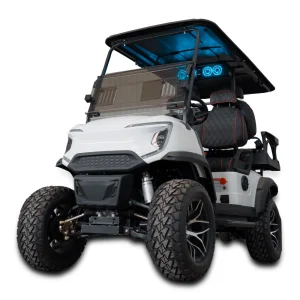
| Hunting & Off-Road Clubs | Rugged terrain, mud, steep inclines, heavy gear payloads. | 4x4 drive configuration, lifted heavy-duty suspension, high-torque controller. | Silent approach, excellent climbing traction, rugged utility performance. |
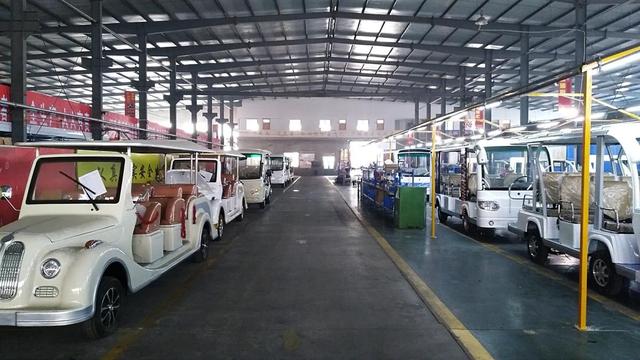
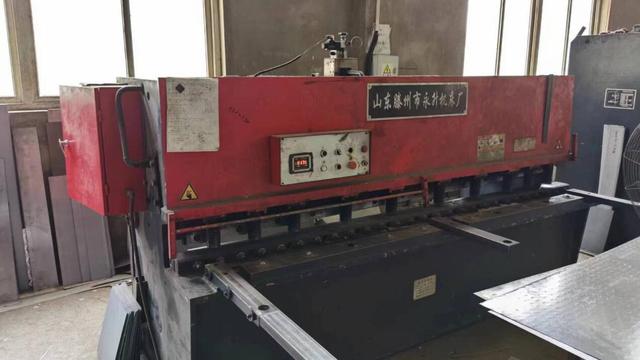
Established in 2014 and based in the high-tech manufacturing hub of Shenzhen, Guangdong, China, Shenzhen Kabar Golf Co., Ltd. has positioned itself as an industry-leading manufacturer and exporter of electric vehicles. Operating from a state-of-the-art facility spanning more than 18,000 square meters, the company relies on over 220 skilled workers and specialized engineers to design, build, and distribute customized mobility solutions worldwide.
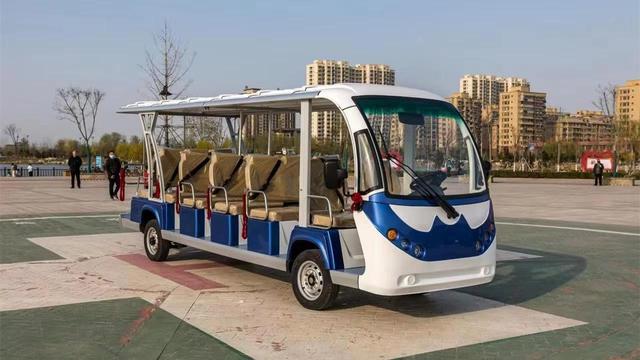
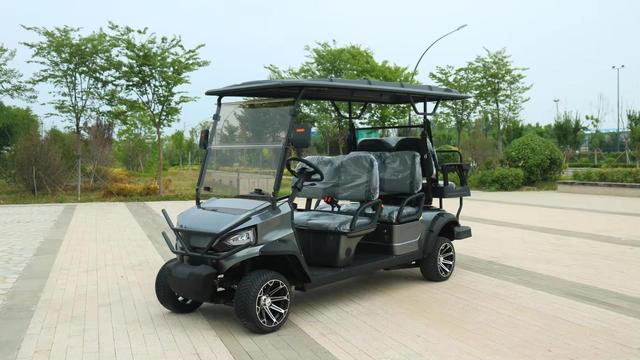
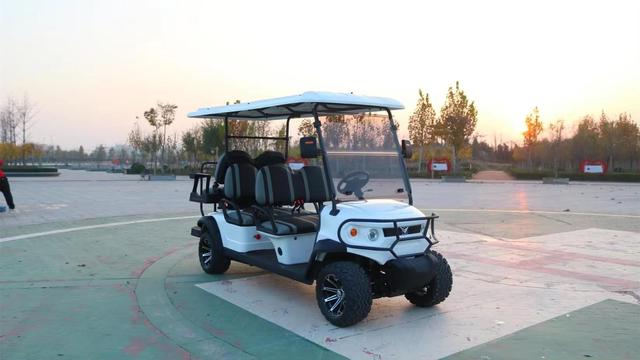
Kabar Golf's expansive product portfolio encompasses electric golf carts, passenger transport shuttles, heavy-duty cargo vehicles, street-legal LSVs, and specialized farm utility vehicles. Through continuous investments in battery safety, mechanical durability, and ergonomic frame configurations, Kabar Golf delivers premium ODM and OEM services to meet the specific certification standards of North America, Europe, Australia, and beyond.
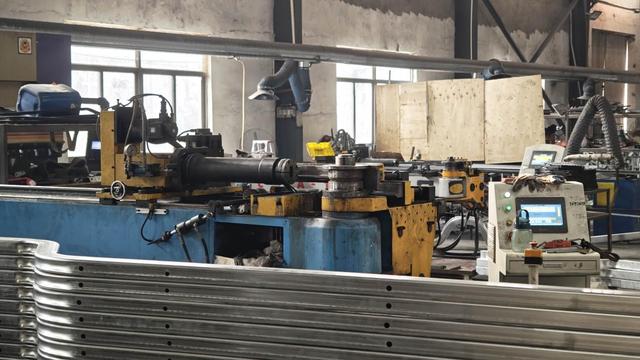
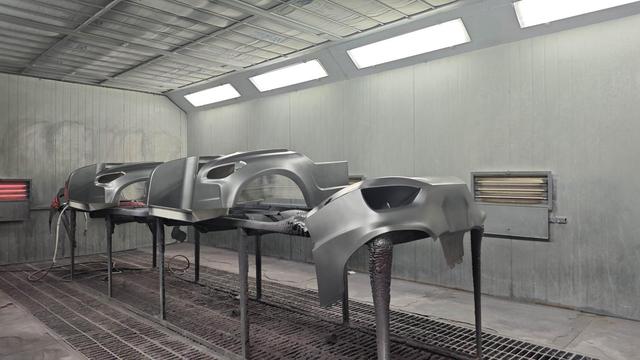
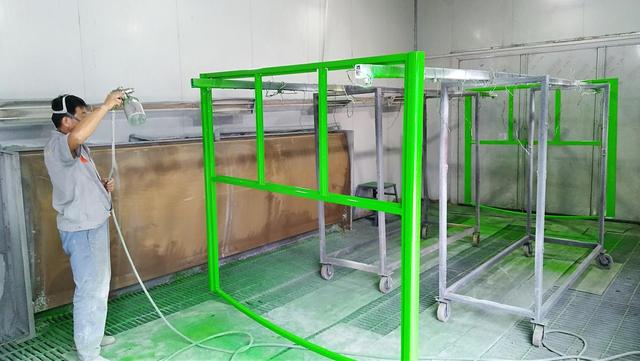
Quality management remains integrated throughout every manufacturing stage—from structural frame welding to high-voltage battery system testing. By providing robust engineering support and tailored customization, Shenzhen Kabar Golf Co., Ltd. ensures exceptional total cost of ownership (TCO) and long-term operating value for its international clientele.
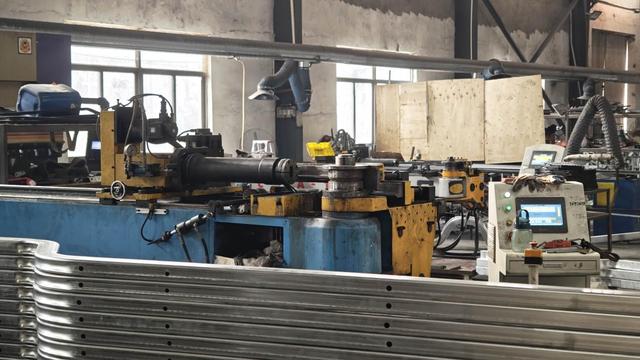
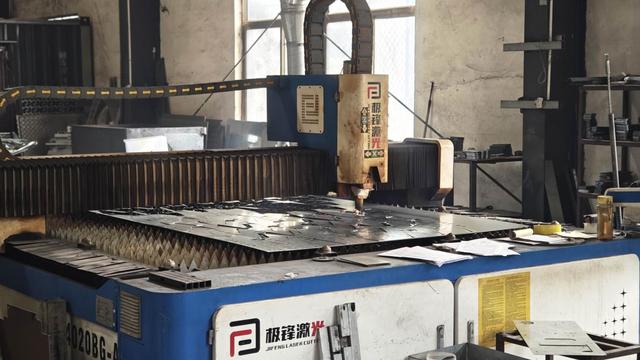

Crucial technical queries addressed by senior electric utility vehicle engineers.
Engineered for extreme performance, remote operations, and heavy industrial workloads.
 Kabar Golf