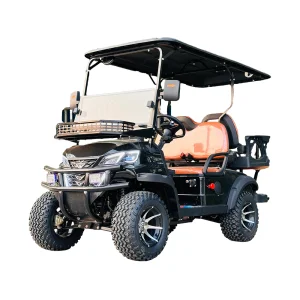
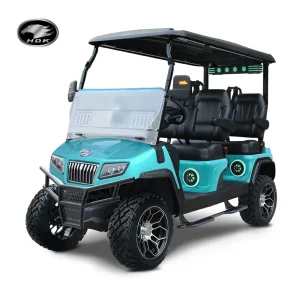
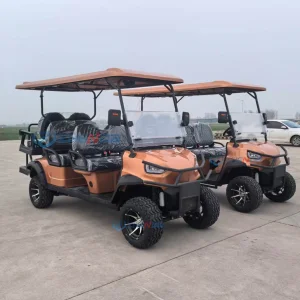
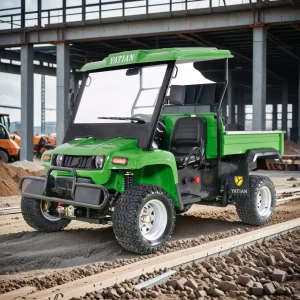
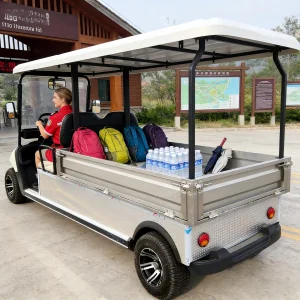
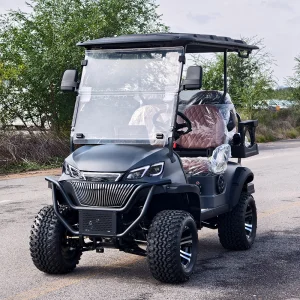
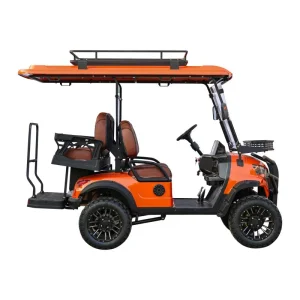
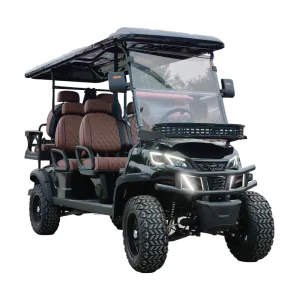
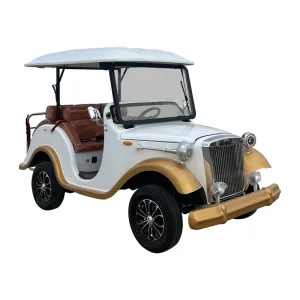
Explore our flagship configurations engineered for high-performance municipal, hospitality, commercial, and utility fleet integration.
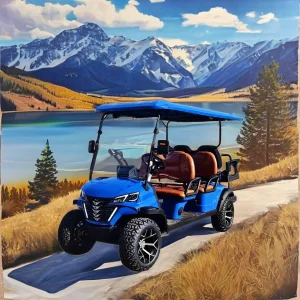
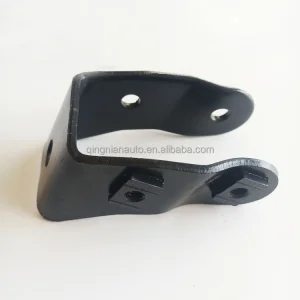
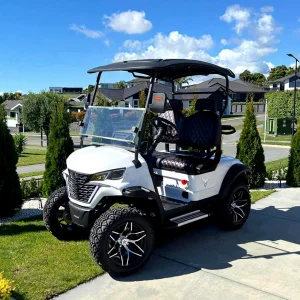
Analyzing procurement standards, technical advancements, supply chain dynamics, and regulatory adaptation in low-speed mobility.
The global transport landscape is experiencing a paradigm shift towards micro-mobility and decentralized fleet operations. Low Speed Vehicles (LSVs), defined broadly as four-wheeled passenger or utility vehicles operating under limited speeds (typically up to 25 mph or 40 km/h in most jurisdictions), have transitioned from niche recreational utilities to integral components of urban, industrial, and commercial operations.
Governed by regulatory frameworks such as the Federal Motor Vehicle Safety Standard 500 (FMVSS 500) in the United States and EU Directive L7e classifications in Europe, LSVs provide an optimal ratio of operational cost-efficiency to environmental compliance. As commercial entities, universities, municipalities, and resorts execute decarbonization mandates, the search for a verified OEM/ODM Low Speed Vehicles Supplier who can deliver customizable, rugged, and compliance-ready platforms has become a strategic priority. This whitepaper analyzes the manufacturing dynamics, market requirements, and supply chain strategies driving global low-speed fleet development.
The low-speed vehicle market is no longer dictated by traditional golf cart parameters. Today’s industrial and commercial buyers require ruggedized engineering, longer life cycle components, and advanced electronic control architectures. Three dominant trends are currently shaping the industry:
Traditional lead-acid batteries are obsolete due to maintenance overheads and poor lifecycle value. Advanced LiFePO4 battery platforms provide extended cycles, faster charging, and zero-maintenance operations.
Modern fleets demand telemetry systems for remote monitoring, geofencing, driver monitoring, and diagnostic alerts, allowing operators to run smart facilities with real-time analytics.
Multi-purpose chassis architectures that support swift conversion between personnel transportation, cargo carrying, and off-road configurations are gaining global market share.
Enterprise procurement departments evaluating OEM/ODM low speed vehicles suppliers focus heavily on minimizing Total Cost of Ownership (TCO). Procurement managers look beyond unit pricing to analyze structural elements such as frame anti-corrosion treatments, warranty policies, and global replacement parts supply chains.
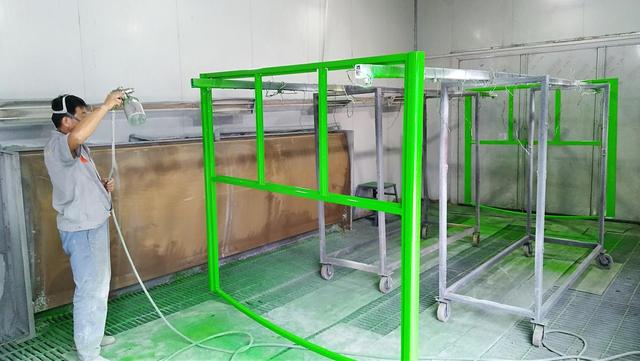
In cold, coastal, or humid resort environments, structural failure of steel chassis is a major issue. Hence, manufacturers utilizing high-tensile hot-dip galvanized steel frames or premium aluminum extrusions are highly favored. Certification compliance is another crucial benchmark: US buyers seek DOT-certified windshields, seatbelts, and lighting systems, while European buyers require EEC homologation. Sourcing teams prioritize partners who demonstrate compliance in manufacturing and logistics documentation.
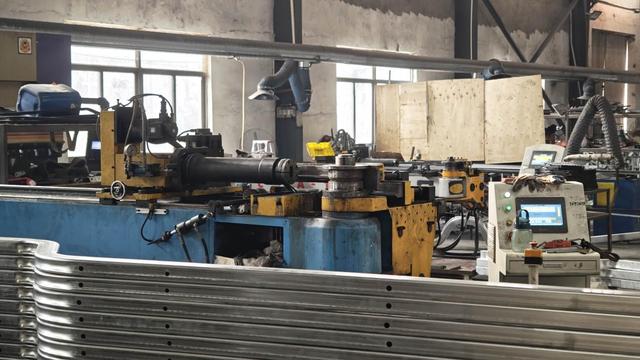
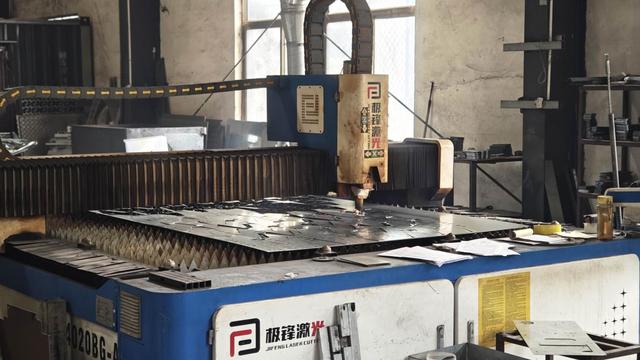
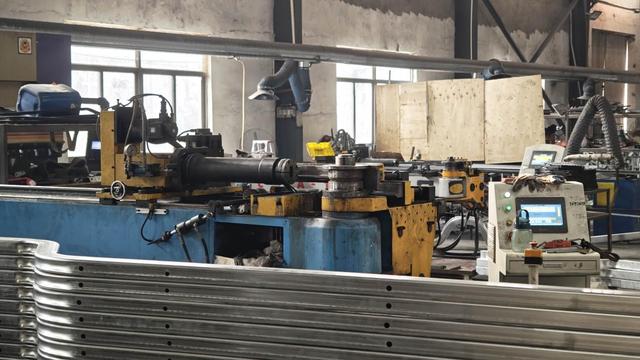
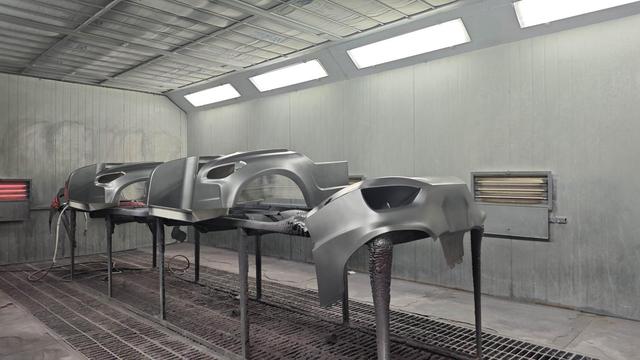
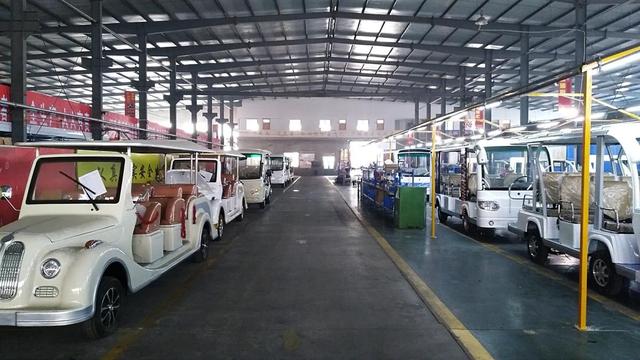
Represented by industry leaders like Shenzhen Kabar Golf Co., Ltd., the Chinese manufacturing sector has entered the Factory 4.0 era. Founded in 2014, Kabar Golf operates a massive 18,000+ square meter production facility in Shenzhen, staffed by over 220 skilled workers and specialized engineers. This manufacturing capacity represents the integration of advanced smart automation, precise robotic welding, and automated quality testing protocols.
Shenzhen's geographic location acts as a key industrial catalyst. Known as the Silicon Valley of hardware, Shenzhen hosts an unparalleled cluster of lithium-ion battery developers, electrical drive-train manufacturers, smart sensor suppliers, and metal fabrication workshops. This local ecosystem allows Kabar Golf to maintain supply chain resilience. Even during global supply shocks, our factory secures components, performs strict in-line quality controls, and conducts rigorous dyno and terrain testing on all vehicles.
Furthermore, our direct access to major international shipping ports enables efficient bulk container shipping. By optimization of steel shipping rack designs, we pack multiple vehicles per container to lower global logistics costs.
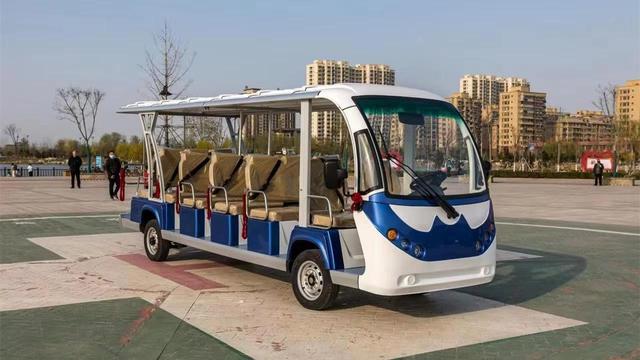
Our specialized OEM/ODM low speed vehicles are designed to perform reliably across diverse settings:
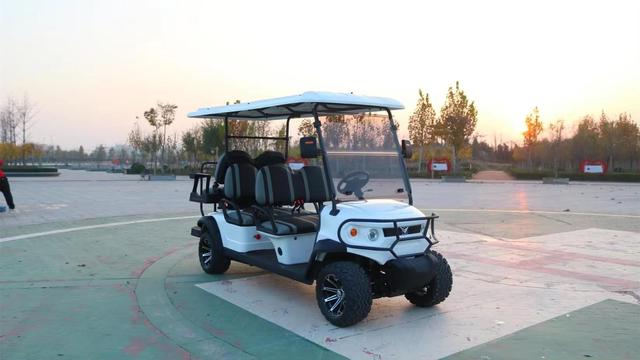
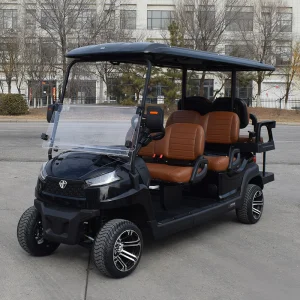
Silent electric drivetrains provide quiet operation in hotels and gated neighborhoods, keeping guest experiences tranquil. Custom paint finishes, luxury seats, and functional configurations match brand themes.
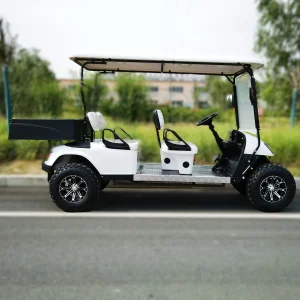
Equipped with reinforced structural frames and powerful cargo configurations, these utility vehicles haul heavy loads, luggage, and tools across vast distribution centers and airports.
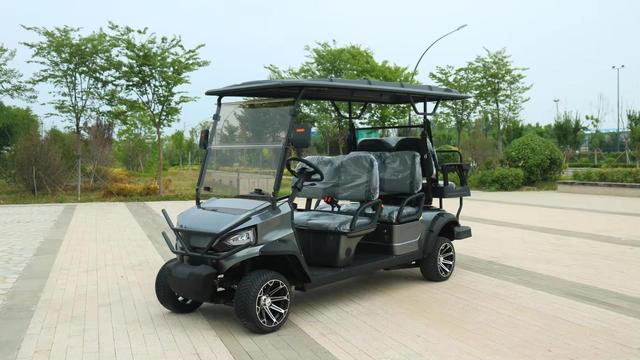
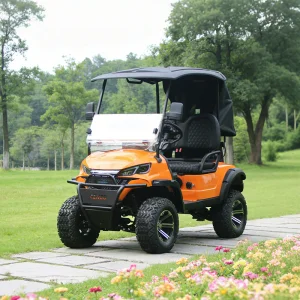
Our off-road options feature lifted suspensions, rugged tires, and robust electric motors to easily traverse rough hunting grounds, construction sites, and municipal park boundaries.
Every fleet has distinct requirements, making catalog models insufficient. This is why Kabar Golf offers extensive OEM and ODM capabilities. From adjusting battery capacity (e.g., matching standard 48V setups or upgrading to high-output 72V platforms) to integrating specialized cargo boxes, custom seat layouts, branding colors, or solar charging options, our engineers turn operational challenges into practical solutions.
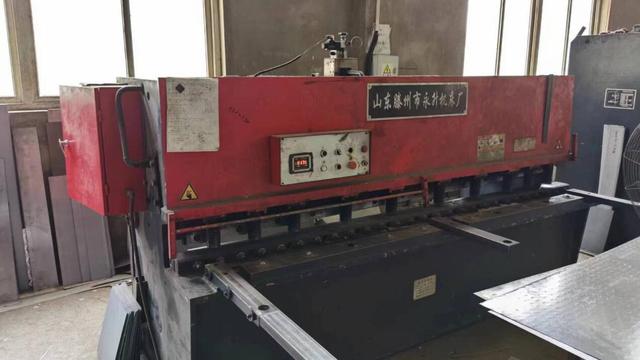
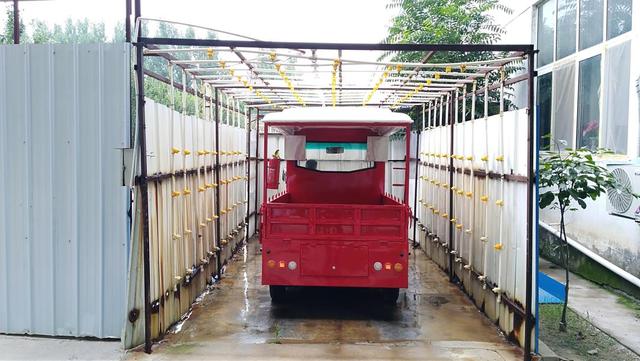
A tour inside the 18,000+ square meter facility of Shenzhen Kabar Golf Co., Ltd., showcasing high-standard production, assembly lines, and raw material processing.

Get professional answers to technical, regulatory, and logistics queries from our engineering team.
Explore our specialized range of high-capacity passenger carriers, cargo transport, and off-road utility vehicles.

 Kabar Golf