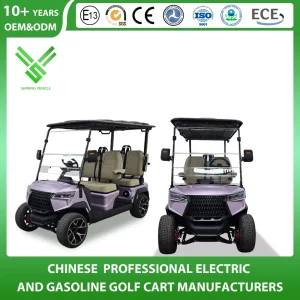
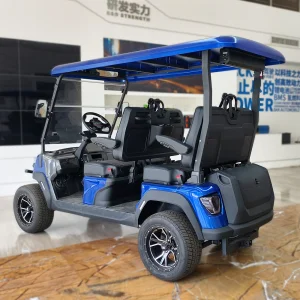
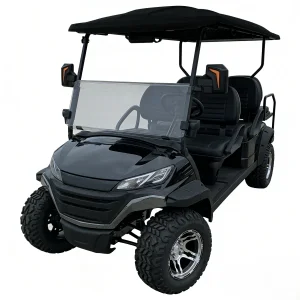
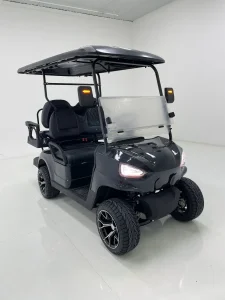
Analyzing market-shifting paradigms, electrification dynamics, and the critical role of customized micro-mobility in disaster and crisis management.
Modern commercial and industrial complexes are increasingly enforcing zero-emission policies. Traditional internal combustion emergency response carts are being rapidly phased out in favor of high-performance electric powertrains. Utilizing high-efficiency AC motors paired with smart Curtis Controllers, modern response fleets achieve instant torque delivery, crucial for fast deployment during critical events, without compromising indoor air quality.
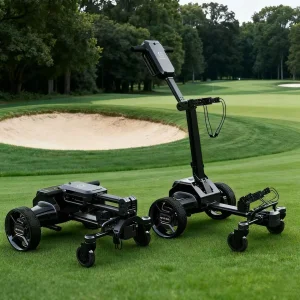
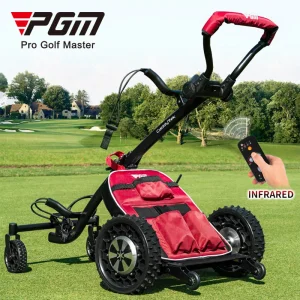
The convergence of IoT with utility and response vehicles represents a massive technological leap. Autonomous follow-me capabilities, such as those demonstrated in intelligent auto-balancing systems, have migrated from consumer sports applications to commercial fleet management. Integrated GPS tracking, automated speed zones (geofencing), and diagnostic reporting ensure emergency response assets are always localized, charged, and operational.
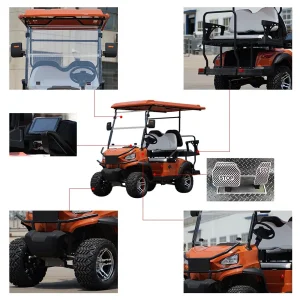
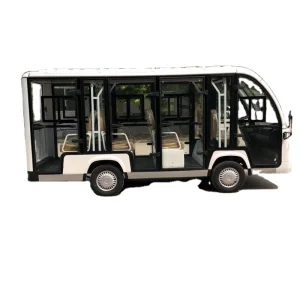
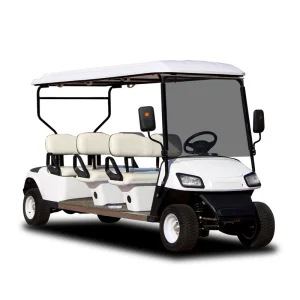
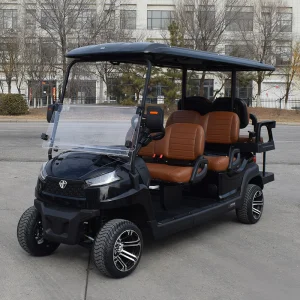
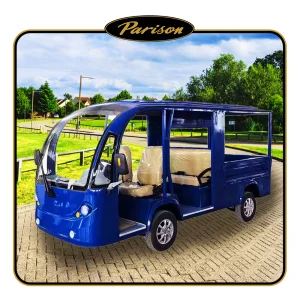
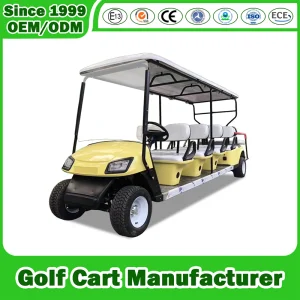
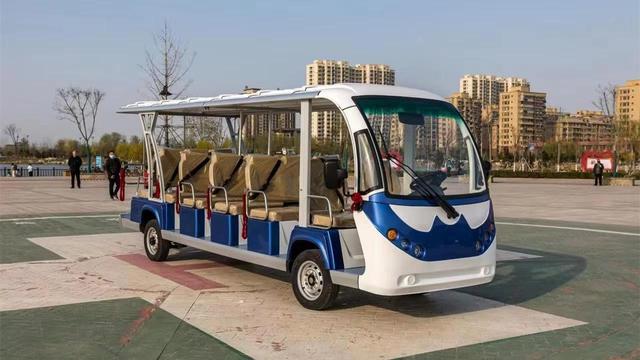
A single chassis layout is no longer sufficient to meet diverse emergency profiles. Modern manufacturers design platform architectures that easily transition from multi-passenger transit to custom medical stretcher layout, fire suppression setups, or rugged cargo configurations. This modular flexibility allows municipal and private enterprise procurement teams to minimize fleet footprints while maximizing operational capacity.
Data from global industrial facilities indicates that transitioning from disorganized safety vehicles to a standardized, modular electric emergency cart fleet reduces critical response times by up to 34% inside sprawling structures like gigafactories, chemical processing plants, and airports.
Deciphering technical criteria, compliance standards, and structural configurations required by modern institutional B2B buyers.
B2B procurement programs require strict compliance with local transport regulations. For environments where emergency vehicles must traverse public municipal roads alongside high-security facility gates, street-legal classifications (such as DOT or CE certifications) are mandatory. Features such as integrated seatbelts, high-visibility mirrors, LED turn signals, horn units, and VIN plate certifications ensure the vehicle can operate seamlessly in hybrid street-and-facility environments.
Emergency response fleets demand maximum availability. Standard lead-acid batteries, while cost-efficient, present limits in high-tempo response scenarios due to slow charge cycles and heavy maintenance overhead. Modern procurement specifications prioritize Lithium Iron Phosphate (LiFePO4) systems. These cells provide rapid fast-charging capabilities, zero thermal maintenance requirements, a long cycle life (exceeding 3000-5000 cycles at 80% DOD), and dynamic integrated battery management systems (BMS) for reliable voltage output.
Vehicles deployed in harsh environments—such as coastal resorts, chemical plants, or damp outdoor storage zones—require superior corrosion protection. Standard steel chassis configurations are vulnerable to rust and structural fatigue. Modern premium utility carts employ high-strength, lightweight aluminum frames. This choice reduces the overall curb weight, increases energy efficiency, improves acceleration, and ensures the structural integrity of the chassis for decades.
Procuring teams must evaluate if a vehicle can support critical emergency response payloads. This includes mounting provisions for specialized medical containment kits, oxygen cylinders, dynamic IV poles, automated external defibrillators (AEDs), high-performance fire-extinguishing sprayers, and robust communications arrays. Secure locking mounts prevent equipment shifts when the vehicle traverses rugged terrains or executes tight turns.
How Shenzhen's high-tech industrial cluster delivers manufacturing efficiency, customized R&D speed, and unmatched global export capacity.
Based in the heart of Shenzhen, Kabar Golf leverages an unparalleled electronic and mechanical manufacturing ecosystem. From high-grade lithium cell suppliers and sophisticated micro-controllers to custom structural extrusion hubs, the immediate regional supply chain reduces material transit times and minimizes component delays, ensuring predictable manufacturing lead times.
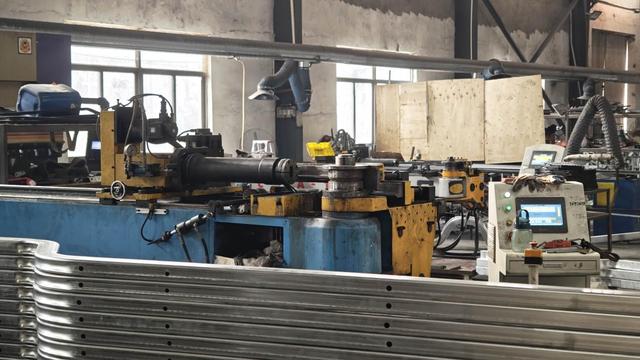
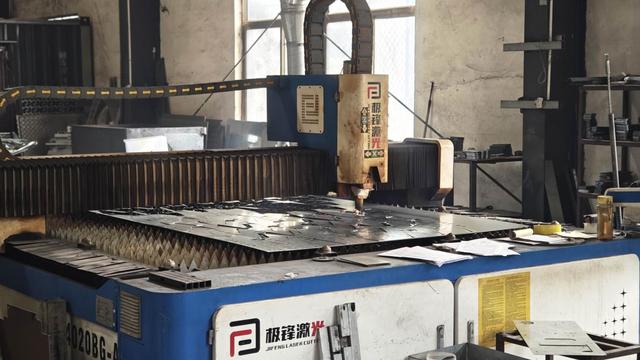
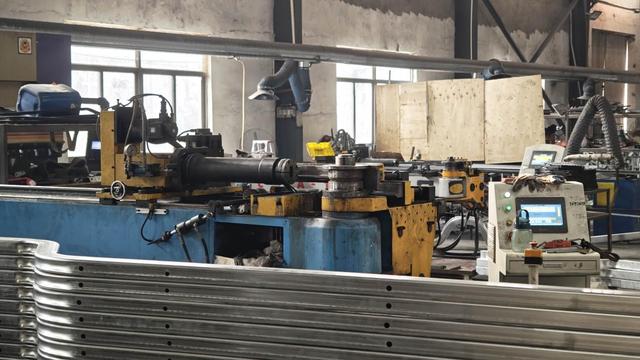
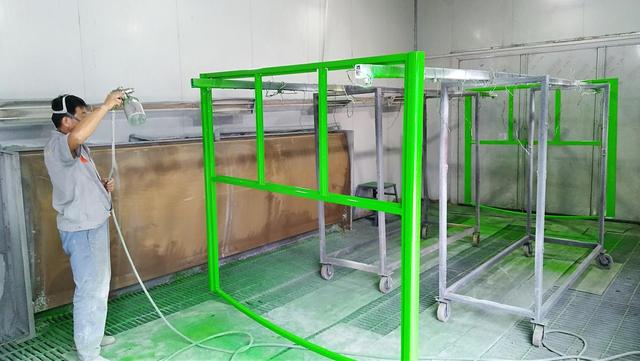
Our 18,000+ square meter factory features advanced production tools, including robotic welding arms for uniform frame construction, automated load simulators, dynamic brake calibrators, and electrical diagnostic chambers. Every emergency response platform undergoes a multi-stage testing sequence before export shipping, assuring consistent quality control.
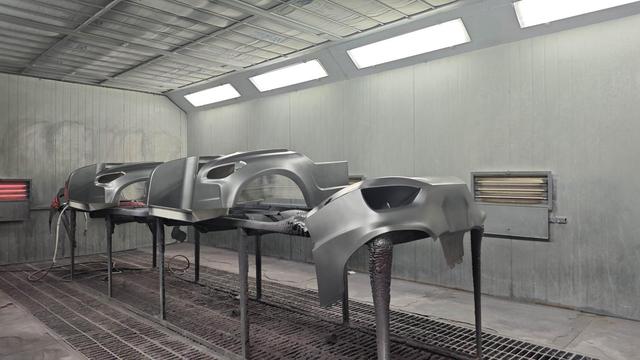
With an experienced in-house engineering and R&D division, we transform custom blueprints into physical prototypes rapidly. Whether you require tailored seating designs, custom storage cabinets for medical equipment, specialized paint matching, or particular tire setups for challenging terrains, our team accommodates tailored designs with manufacturing precision.
Examining practical deployment scenarios across diverse industries requiring rapid, localized response systems.
In high-traffic airports and public transit hubs, traversing long distances rapidly is key for medical teams. Compact electric response carts navigate narrow pedestrian terminals, luggage bays, and airfield areas safely. They provide low-noise, fume-free operation, transporting emergency personnel and equipment directly to passenger locations.
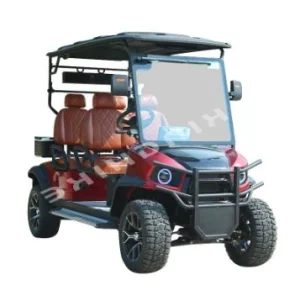
Hazardous environments demand specialized transport features. Industrial response carts fitted with decontamination gear, sprayers, and safety equipment permit swift containment of chemical leaks or minor fires. Anti-roll designs, elevated ground clearance, and specialized tire options ensure traction on industrial concrete, grates, and uneven dirt yards.
For educational campuses, expansive resort properties, and residential zones, emergency response vehicles must balance speed with public safety. Utilizing quiet electric drivetrains or solar-assisted power modules allows these utility vehicles to patrol areas without disrupting guests or residents, maintaining a safe and secure environment.
A Leading OEM/ODM Custom Electric Vehicle & Utility Cart Manufacturer
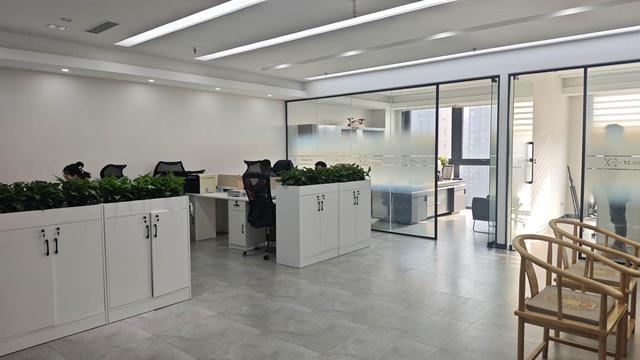
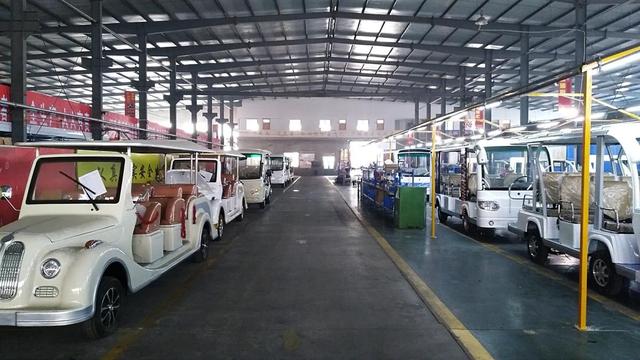
Shenzhen Kabar Golf Co., Ltd. is a professional golf cart manufacturer located in Shenzhen, Guangdong, China. Established in 2014, the company specializes in the research, development, manufacturing, and export of electric golf carts, utility vehicles, and customized mobility solutions for global customers. With a modern production facility covering more than 18,000 square meters and a workforce of over 220 employees, Kabar Golf has developed into a reliable supplier serving golf courses, resorts, hotels, industrial parks, residential communities, airports, campuses, and commercial facilities worldwide.
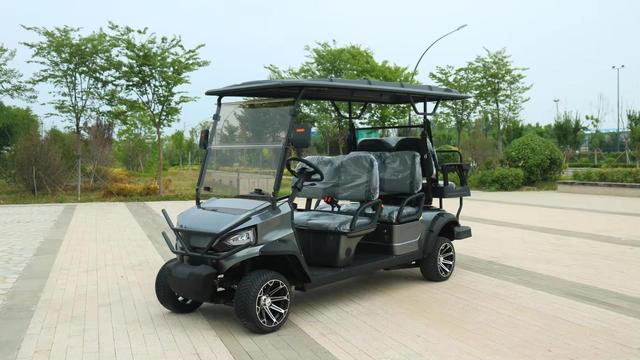
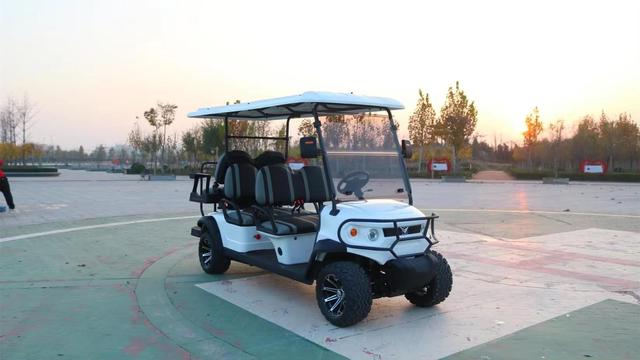
The company's product portfolio includes electric golf carts, passenger transport vehicles, utility carts, cargo vehicles, resort shuttle carts, street-legal electric vehicles, fleet transportation solutions, and customized mobility vehicles. Designed with a focus on efficiency, comfort, safety, and sustainability, Kabar Golf products help customers improve transportation operations while reducing environmental impact.
Supported by an experienced engineering and R&D team, Shenzhen Kabar Golf continuously invests in vehicle innovation, battery technology, intelligent control systems, and ergonomic design. The company offers comprehensive OEM and ODM services, including vehicle customization, branding, color matching, seating configurations, accessory integration, and private-label manufacturing to meet the diverse requirements of international markets.
Quality management is integrated throughout every stage of production, from component sourcing and vehicle assembly to testing and final inspection. Advanced manufacturing equipment and strict quality control procedures help ensure consistent product performance and reliability.
With products exported to North America, Europe, the Middle East, Southeast Asia, Australia, and other regions, Shenzhen Kabar Golf Co., Ltd. is committed to delivering dependable electric mobility solutions and long-term value for customers worldwide. The company continues to provide innovative golf carts, utility vehicles, and custom transportation solutions tailored to evolving market needs.
Resolving core procurement inquiries regarding battery standards, mechanical configuration, and custom OEM/ODM utility vehicles.
 Kabar Golf