High-performance electric passenger vehicles, rugged utilities, and customized resort shuttle solutions manufactured under strict OEM/ODM regulations.
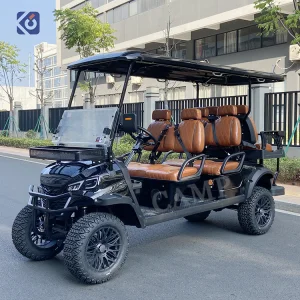
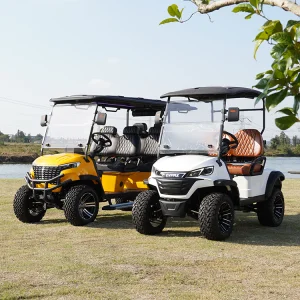
Aligning advanced engineering practices with ecological responsibility to reshape modern neighborhood electric vehicle (NEV) infrastructure.
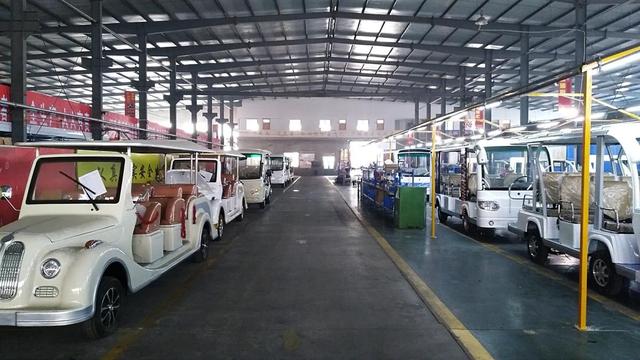
Established in 2014, Shenzhen Kabar Golf Co., Ltd. has grown to become a prominent manufacturer specializing in research, development, and exportation of high-efficiency electric golf carts, utility trucks, and bespoke mobility vehicles. Operating from an expansive, modernized manufacturing facility exceeding 18,000 square meters and staffed by a dedicated group of over 220 professionals, Kabar Golf delivers premium mobility solutions engineered to withstand diverse geographic and commercial environments.
The company’s focus centers on bridging the gap between heavy automotive engineering and flexible, low-speed vehicle design. Underpinning this philosophy is the integration of advanced lithium iron phosphate (LiFePO4) chemistry and state-of-the-art intelligent motor controllers (such as the Curtis controller platform) to ensure optimal vehicle safety, range efficiency, and ease of ownership.
Our solutions target diverse global sectors: elite golf courses, luxury eco-resorts, logistics and warehousing yards, municipal transport depots, aviation terminals, and expansive academic campuses. By maintaining end-to-end control of assembly lines, electronic calibrations, and battery pack integration, Kabar Golf provides verified reliability across international markets.
Our operational scale and technical capacity reflect our dedication to industrial modernization, global distribution logistics, and quality assurance protocols.
Unlocking superior material availability, technological clustering, and engineering capabilities in the Greater Bay Area.
Proximity to major lithium refinery clusters and battery cell leaders (CATL, BYD, EVE) allows direct sourcing of Class-A cells. This integration ensures robust cell balancing, superior degradation resistance, and low battery internal resistance.
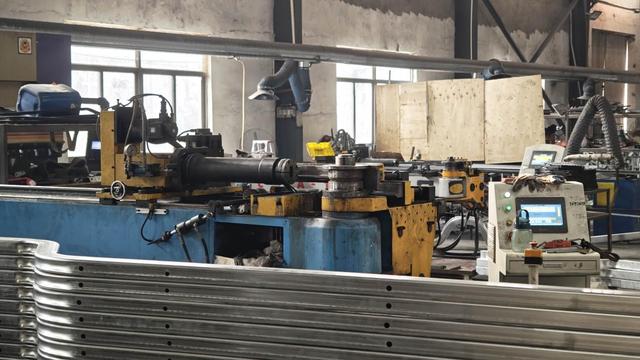
Leveraging advanced aluminum extrusion plants in Southern China, Kabar Golf constructs ultra-lightweight, corrosion-resistant spaceframes. These lightweight structures mitigate weight penalties from heavy utility cargo boxes and large batteries.
Shenzhen's electronic hardware cluster provides swift access to microcontrollers, vehicle wire-harnesses, smart LED lighting systems, and custom telematics boxes. This allows seamless integration of CAN-bus protocols and IoT systems.
For B2B buyers, fleet management costs extend far beyond the initial procurement price. Operating standard lead-acid vehicle fleets involves recurring costs, including battery water replenishment, terminal corrosion cleanup, frequent battery replacements (typically every 2–3 years), and extended downtime due to slow, single-phase charging profiles.
China's lithium battery manufacturing chain transforms this dynamic. Transitioning to LiFePO4 chemistry yields major direct benefits: zero battery maintenance, 3,500+ complete charging cycles at 80% Depth of Discharge (DOD), rapid charging from 20% to 80% in under two hours, and a 150kg weight reduction per vehicle. This weight reduction directly decreases wear on brakes, suspension bushings, and steering gears.
By leveraging Chinese industrial manufacturing scale, B2B buyers experience high-performance stability without a cost penalty:
Deciphering regulatory frameworks to secure legal operation, safe transport, and local distributor support across North America, Europe, and Asia-Pacific.
Exporting low-speed electric vehicles requires meeting strict regional regulatory standards. In the United States, neighborhood electric vehicles (NEVs) must satisfy the DOT FMVSS 500 standard (Low-Speed Vehicles), which mandates specific speed governors (up to 25 mph / 40 km/h), three-point seatbelts, automotive-grade windshields, integrated turn signals, rearview mirrors, and reflectors.
For the European market, vehicles must comply with the EEC L7e light quadricycle directives. This covers braking systems, structural crashworthiness, Electromagnetic Compatibility (EMC), and comprehensive electrical insulation tests. Kabar Golf integrates CE-marked electrical components, including controllers, chargers, and lights, ensuring streamlined customs clearance and legal street operation.
Every vehicle exported by Kabar Golf uses battery cells and modular packs certified under UN38.3. This standard requires rigorous testing under conditions of altitude simulation, thermal cycling, vibration, shock, external short circuit, impact, overcharge, and forced discharge.
A primary challenge for international B2B buyers sourcing from China is securing long-term service and replacement parts. Kabar Golf addresses this concern through an structured post-sale support ecosystem:
How Kabar Golf aligns manufacturing processes with international procurement systems to streamline global supply chains.
Commercial operations have unique demands: a standard golf cart cannot handle rugged construction sites, while a heavy farm vehicle is unsuitable for manicured turf. Our design process starts with User Intent Mining to align vehicle specifications with your operational environment.
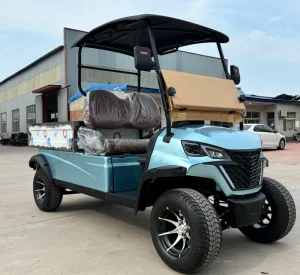
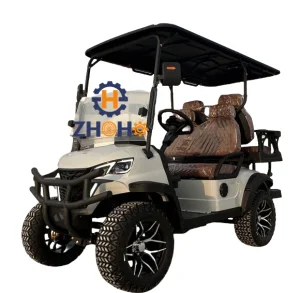
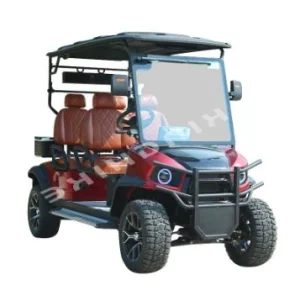
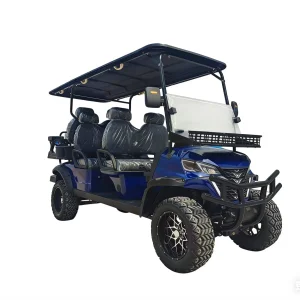
For resort and hospitality fleets, we customize seating configurations from 2-seaters to 8-seaters, offering high-grade synthetic leather seats and integrated beverage coolers. For light industrial sites, we replace golf bag holders with weather-proof cargo boxes made of high-strength structural aluminum, complete with drop-side tailgates and heavy-duty load points.
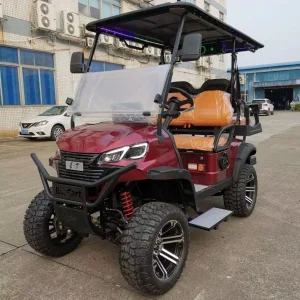
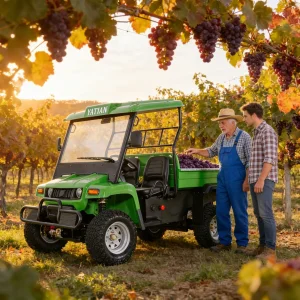
Off-road configurations feature high-torque AC motors (up to 5KW or 7.5KW continuous power ratings), heavy-duty independent double A-arm front suspensions, lifted leaf-spring rear axles, and rugged off-road tires. These upgrades enable stable operation on difficult terrain, from steep golf courses to uneven agricultural properties.
Kabar Golf provides structured OEM and ODM channels that enable fleet operators to tailor vehicle platforms to distinct commercial uses:
Optimizing passenger and cargo transport across diverse commercial, industrial, and recreational environments.
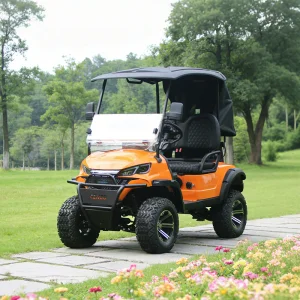
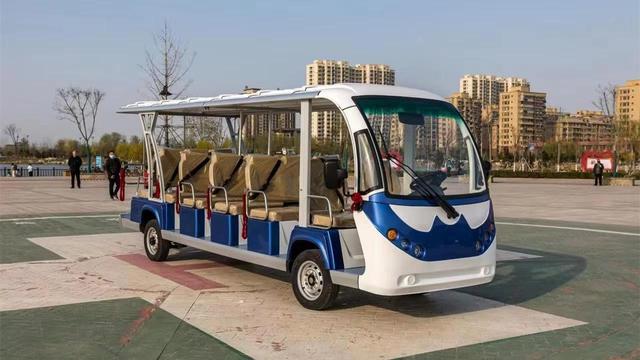
Multi-passenger electric vehicles provide quiet, emissions-free transport for guests and luggage. Our vehicles help maintain a peaceful atmosphere at eco-resorts, beachfront properties, and high-end hotels.
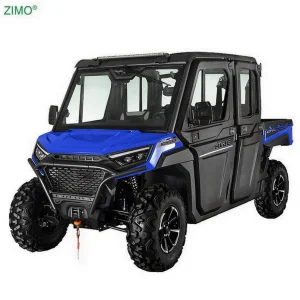
Heavy-duty cargo configurations move parts, tools, and maintenance personnel across large manufacturing complexes, airport tarmacs, and commercial distribution centers.
Street-legal NEVs serve as efficient, low-speed transport for security sweeps, property management tasks, and daily commuting in residential communities and retirement villages.
The low-speed electric vehicle market is rapidly evolving beyond basic transport. Three key technological shifts are redefining fleet operations globally:
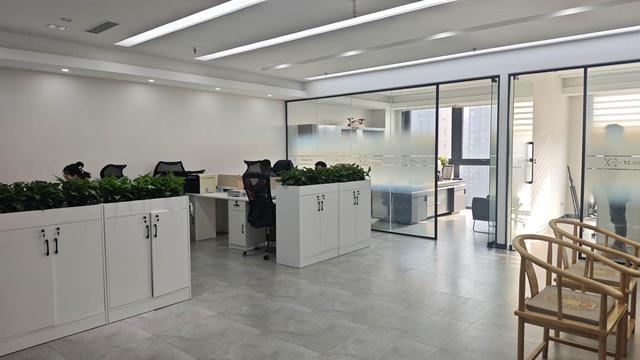
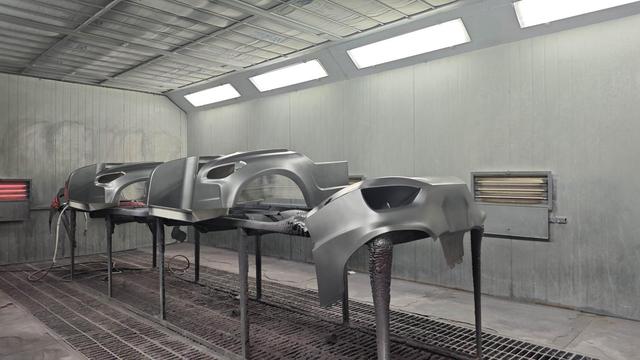
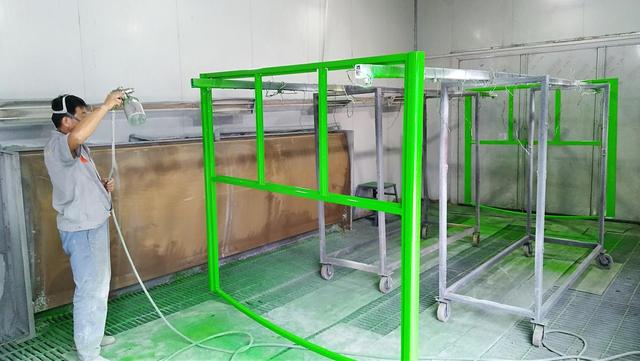
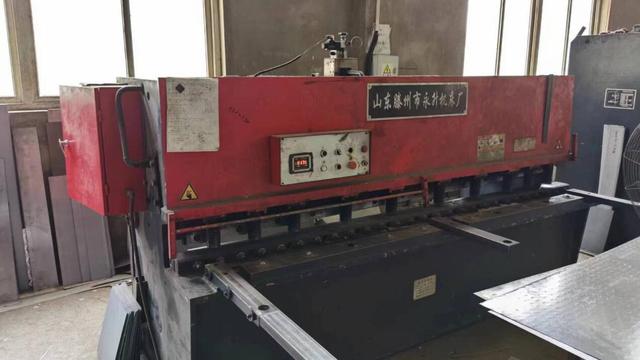
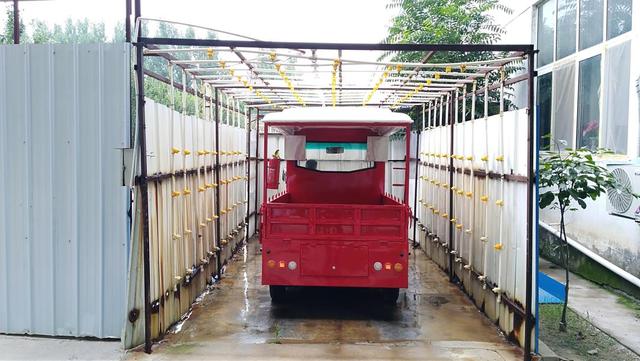
A visual walkthrough of Shenzhen Kabar Golf's 18,000+ SQM production lines, showing assembly precision and safety testing protocols.
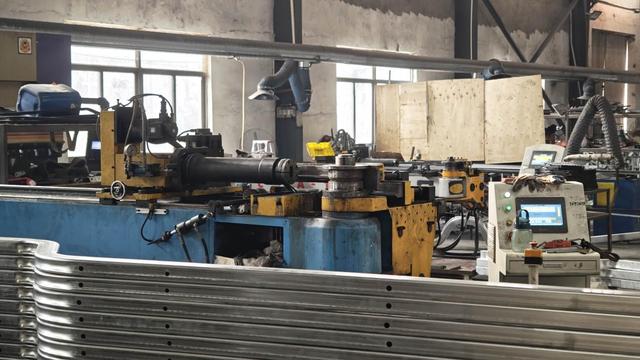
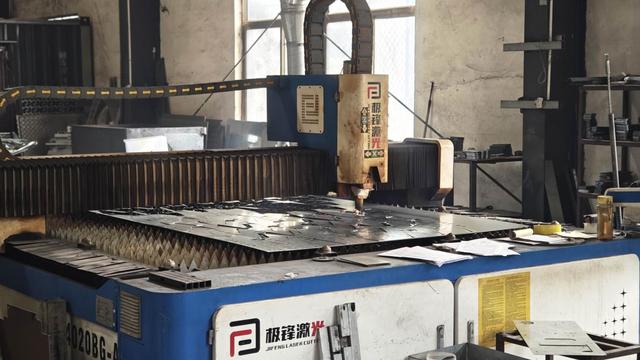
Technical and regulatory answers for fleet managers, purchasing agents, and international distributors.
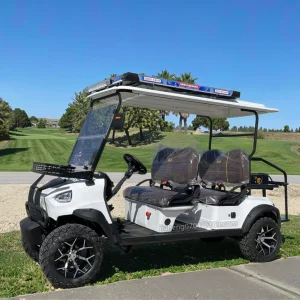
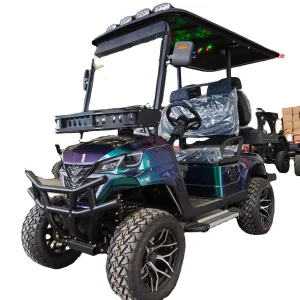
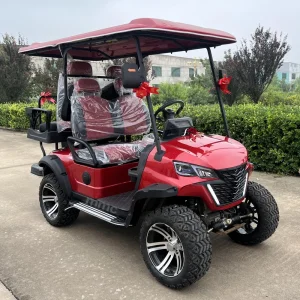
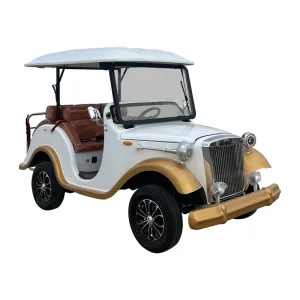
Expanding fleet capacity with heavy-duty aluminum-framed golf carts, street-legal LSVs, and high-performance utility options.
 Kabar Golf