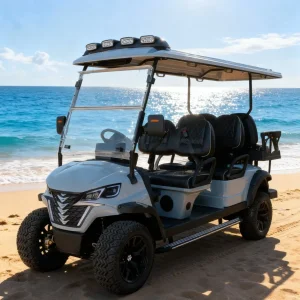
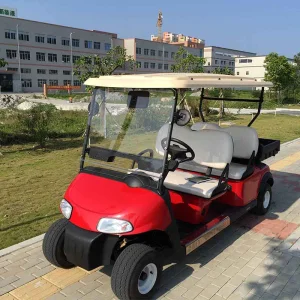
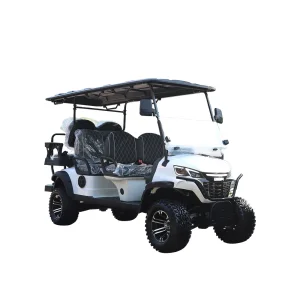
The global logistics, tourism, and micro-mobility industries are undergoing a profound transformation. Driven by stringent decarbonization regulations, rising operations expenditure (OpEx) of internal combustion vehicles, and the commercial viability of high-performance lithium chemistry, the demand for innovative transportation solutions has never been higher. At the forefront of this revolution stands the Chinese manufacturing sector, combining unparalleled supply chain depth with rapid technological iteration to produce highly customized, rugged, and efficient off-highway electric vehicles (EVs).
This comprehensive industry whitepaper analyzes the manufacturing advantages, core technical parameters, market dynamics, and procurement guidelines for global entities seeking to integrate smart golf carts, utility trucks, and resort shuttles into their operations.
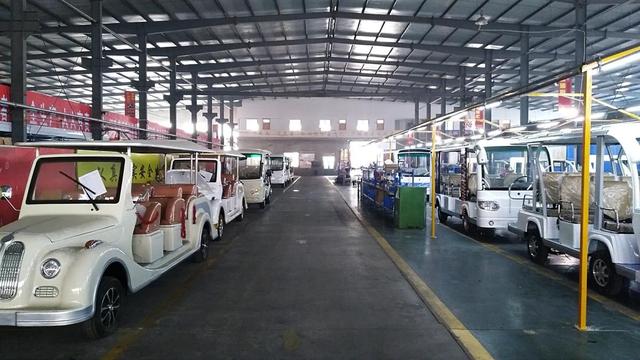
Established in 2014, Shenzhen Kabar Golf Co., Ltd. has positioned itself as an industry-leading designer and manufacturer of electric golf carts, utility vehicles, and custom low-speed vehicles (LSVs) in Shenzhen, Guangdong, China—the epicenter of the world's electronic and hardware innovation network. Over more than a decade, Kabar Golf has scaled its operations to include an 18,000-square-meter modern assembly and diagnostic facility, staffed by over 220 experienced engineers and production staff.
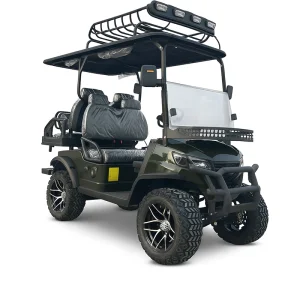
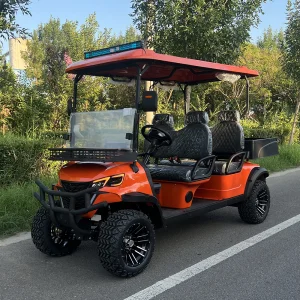
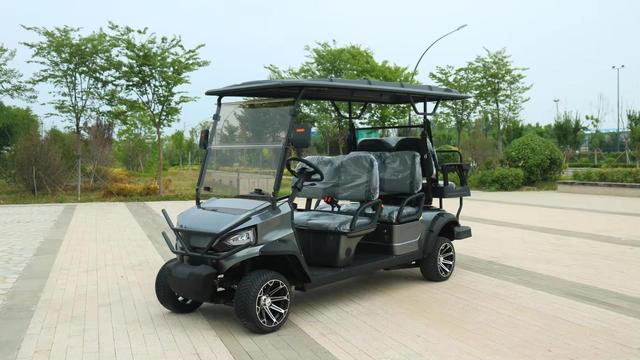
Kabar's comprehensive product lineup is engineered to solve transport challenges in diverse scenarios, including golf courses, eco-resorts, theme parks, airports, industrial zones, campuses, and gated residential communities. Rather than producing generic vehicles, Kabar focuses on modular engineering, ensuring that power configurations, seating options, chassis specifications, and utility tools can be tailored to the exact regulatory and performance standards of local markets, including North America, Europe, Australia, and the Middle East.
China's dominance in the electric vehicle (EV) sector extends far beyond passenger cars. The off-highway and utility vehicle sectors benefit from the exact same structural, technological, and logistical advantages:
Immediate access to Tier-1 lithium-iron-phosphate (LiFePO4) cell producers. This guarantees that utility vehicles maintain high energy density, thermal stability, and an extended life cycle (3,000+ full charge/discharge cycles) compared to traditional lead-acid configurations.
Seamless deployment of 48V, 60V, and 72V electrical architectures paired with advanced digital controllers (such as Curtis and Inpower) and high-efficiency permanent magnet synchronous motors (PMSM) that deliver superior torque curves and hill-climbing capabilities.
The regional ecosystem in Shenzhen allows for rapid prototyping, mold creation, and component fabrication. Whether you require customized 4x4 hunting buggy chassis, specialized airport luggage utility beds, or street-legal modifications, the design-to-delivery pipeline is cut by up to 50%.
To remain competitive, global buyers must prioritize vehicles that incorporate the latest technological trends. Sourcing models that do not align with modern efficiency and safety standards can result in high fleet-maintenance costs and premature technological obsolescence.
| Specification Parameter | Traditional Lead-Acid Fleet | Modern Lithium Fleet (LFP) | Solar-Lithium Hybrid Fleet |
|---|---|---|---|
| Average Life Cycle | 500 - 800 cycles (2-3 Years) | 3,000 - 4,000 cycles (7-10 Years) | 4,000+ cycles (Extended via Float) |
| Charging Time (0-100%) | 8 - 10 Hours | 2 - 3 Hours (Fast Charge) | 2 - 3 Hours (Plus daily solar gain) |
| Maintenance Overhead | High (Watering, terminal corrosion) | Zero Maintenance (Solid state) | Zero Maintenance |
| Energy Efficiency | ~75% efficiency (thermal losses) | 95%+ efficiency | 95%+ efficiency (Net-positive input) |
| Environmental Impact | High toxicity risk (lead runoff) | Eco-friendly, recyclable | Carbon-negative offset potential |
Different enterprise applications demand specific vehicle configurations. Standardized off-the-shelf golf buggies often fail when subjected to intense commercial and industrial loads. Here is how specialized fleets are deployed across various industries:
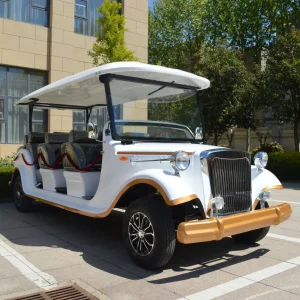
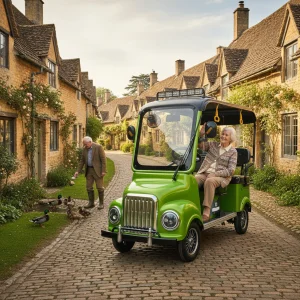
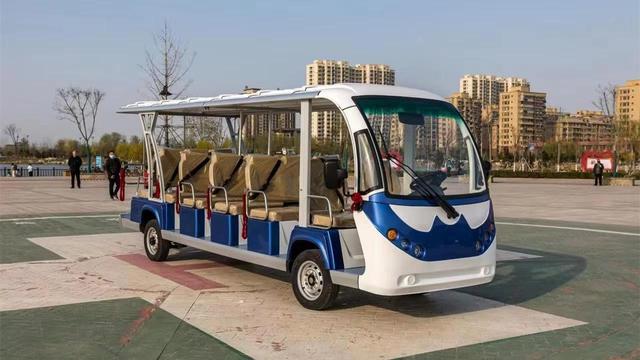
Eco-resorts, large hotels, and private islands require quiet, comfortable, and aesthetically pleasing transport options. Vehicles like the Luxury 12 Passenger Electric Resort Shuttle (72V) ensure smooth, low-noise transport for guests and their luggage while minimizing the resort's carbon footprint.
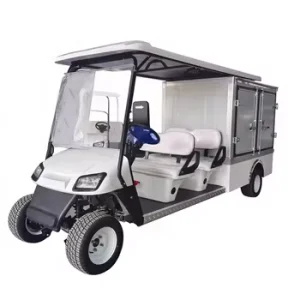
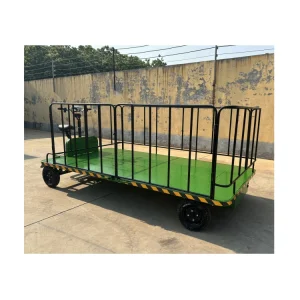
Recommended Configuration: 72V Battery, Hydraulic Disk Brakes, Soft-suspension.Manufacturing complexes, chemical plants, and airports need reliable, heavy-duty cargo options. Customizable utility trucks—featuring load capacities up to 1 ton (3*1.5m bed dimensions)—replace traditional diesel trucks for indoor and campus logistics.
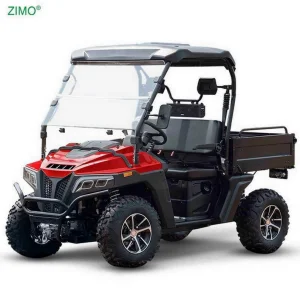
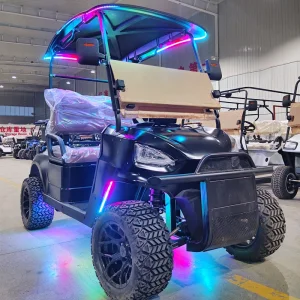
Recommended Configuration: High-torque PMSM Motor, Reinforced Leaf Springs, Drop-side Bed.Farming, estate management, and hunting require rugged traction capabilities. The EEC Street Legal Electric Utility Farm Vehicle features heavy-duty mud tires, robust off-road suspension, and legal safety gear (turn signals, mirrors, DOT-marked tires) for mixed public road use.
Recommended Configuration: 4x4 Drivetrain, Off-road Tires, High Ground Clearance.When importing commercial electric vehicles from China, buyers must evaluate more than just upfront prices. Meeting domestic transport safety standards is critical to avoiding customs clearance issues and legal liability:
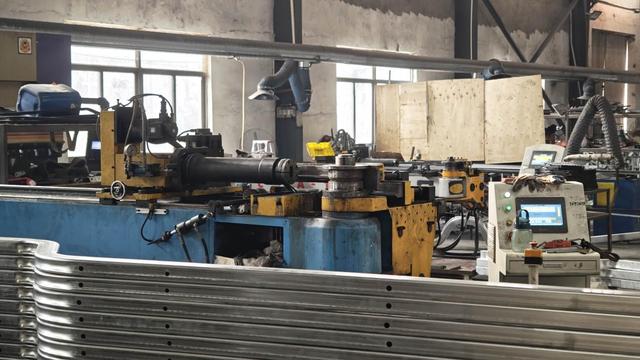
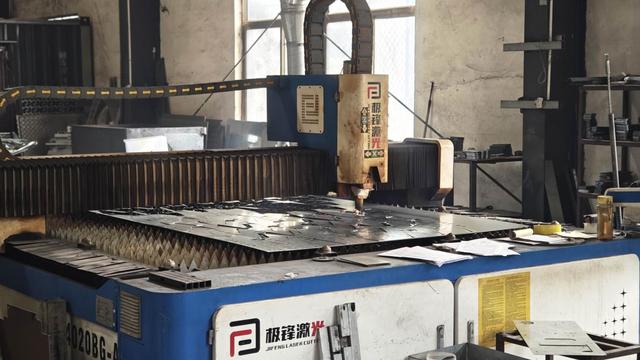
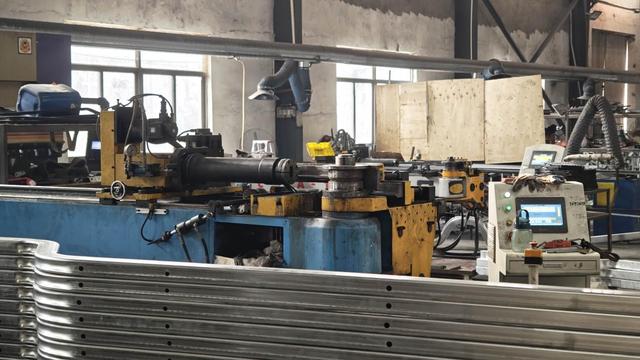
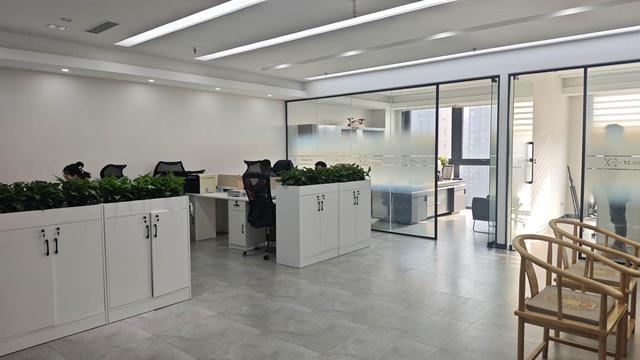
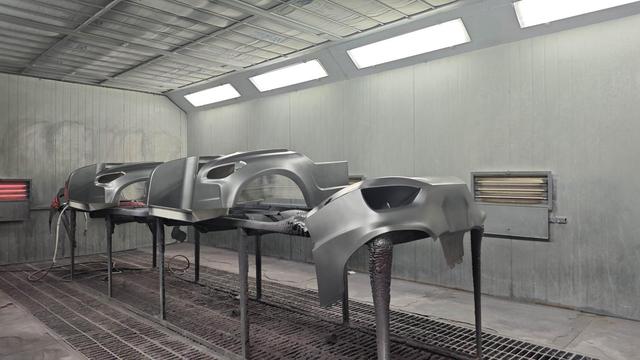
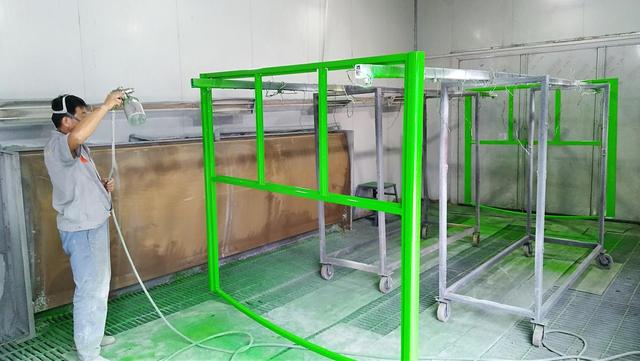
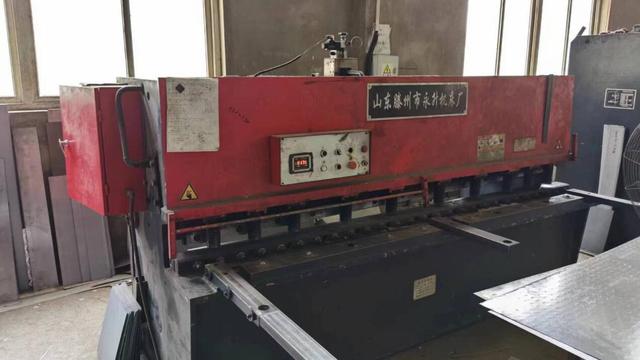
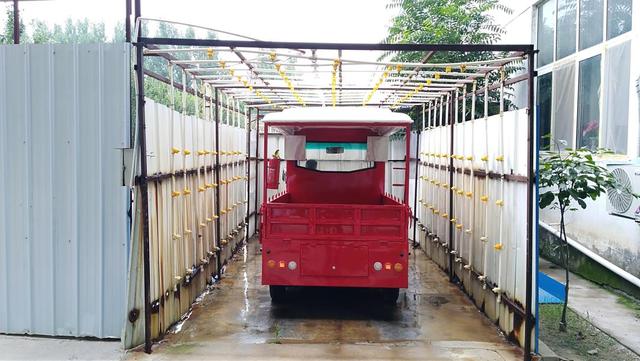
Our modern 18,000+ sqm manufacturing facility integrates advanced assembly lines, strict quality control testing stages, structural diagnostic bays, and customized engineering departments to guarantee unmatched durability and performance.
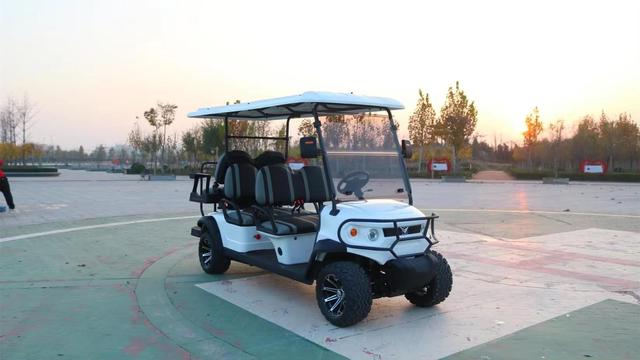
LiFePO4 lithium batteries deliver a significantly longer service life (3000+ cycles vs 500 for lead-acid), weigh up to 60% less (improving vehicle range and reducing wear on suspension), require zero maintenance (no fluid top-ups or venting issues), and support fast charging, which is vital for heavy-use corporate fleets.
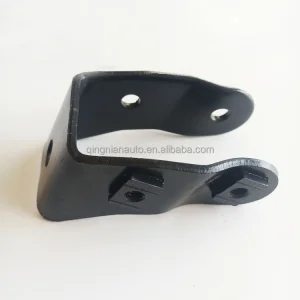
Yes. Kabar Golf manufactures and stocks high-quality aftermarket and OEM-compatible parts, such as the Upper Clevis Assembly (passenger side for Club Car Precedent / Tempo models, part number 1022896-01). We ensure full material tracing and strength compliance for all replacement parts.
Solar-powered models are equipped with weather-proof monocrystalline solar panels built into the roof canopy. Connected directly to the battery pack through a specialized MPPT solar charge controller, the system charges the battery continuously when parked in daylight. This can add up to 10-15 km of driving range per day without requiring wall outlets.
Our export configurations are designed to meet all standard compliance benchmarks. Carts destined for public roads in Europe are EEC street-legal certified. For the United States, our vehicles feature DOT-approved tires, windshields, seat belts, and lighting kits. The batteries and charging systems are CE, UL, and UN38.3 certified.
Our in-house design and engineering department handles full private-label customization. This includes custom branding, specialized frame extensions, color setups, custom cargo attachments, and power system modifications. We provide full CAD layouts and prototype evaluations before start of production.
 Kabar Golf