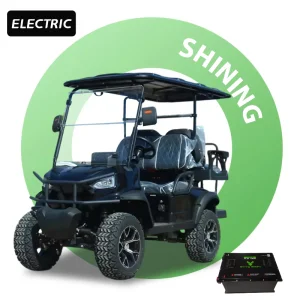
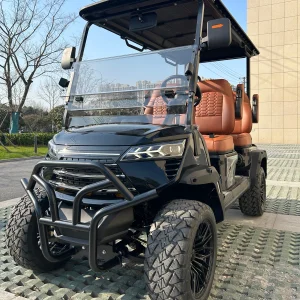
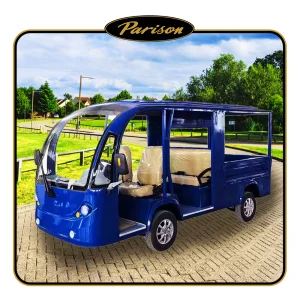
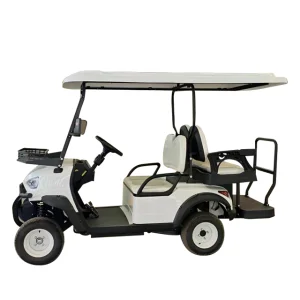
High-performance LSVs optimized for Berlin urban pathways, low-emission zones, and industrial sites.
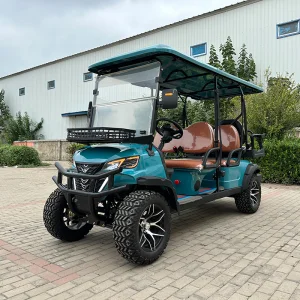
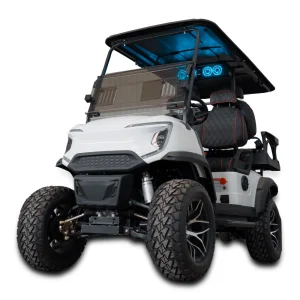
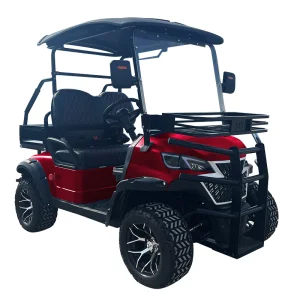
How local infrastructure updates and emission regulations drive the demands for certified street-legal golf carts.
The city of Berlin, governed by the ambitious Berliner Mobilitätsgesetz (Mobility Act), is undergoing a profound structural shift toward decarbonized transportation networks. The expansion of low-emission zones (Umweltzonen), strict weight limits on freight trucks inside urban districts, and the demand for zero-emission logistics have positioned Low-Speed Electric Vehicles (LSEVs)—such as street-legal electric golf carts and utility carts—as vital contributors to urban micro-mobility and last-mile applications. From municipal parks like Tiergarten to commercial complexes in Adlershof, electric utility buggies offer a silent, space-efficient, and zero-carbon alternative to traditional combustion engine utility vans.
Unlike standard off-road golf carts, vehicles intended for Berlin's public streets must conform to stringent European Union regulations (L6e and L7e quadricycle classes) and undergo specific localization modifications to secure approval from the German federal motor transport authority (Kraftfahrt-Bundesamt - KBA). Manufacturers serving this sophisticated market must blend manufacturing capacity with a deep grasp of local regulatory demands. Standard features like dual-circuit hydraulic braking systems, safety glass windshields, high-visibility LED lighting systems, and integrated three-point seat belts are essential requirements for local road compliance.
Berlin's internal Ringbahn zone enforces zero-emission cargo and passenger transit operations, making electric LSVs the primary choice for local fleets.
Compact track dimensions allow electric utility buggies to navigate narrow streets, historical pathways, and pedestrian shopping areas with minimal impact.
Fully compliant with EU L6e/L7e regulations, integrating safety equipment required by German Straßenverkehrs-Zulassungs-Ordnung (StVZO).
Customized mobility designs engineered for versatile, heavy-duty commercial operations in Europe.
Modern enterprises require transportation solutions that integrate into their existing workflow and digital infrastructure. Our street-legal electric vehicles serve diverse operational purposes, acting as essential elements in broader commercial ecosystems rather than simple utility runabouts. From airport baggage handling to hospital campus logistics and boutique hospitality services, our customizable structural options ensure each utility cart is optimized for its operational environment.
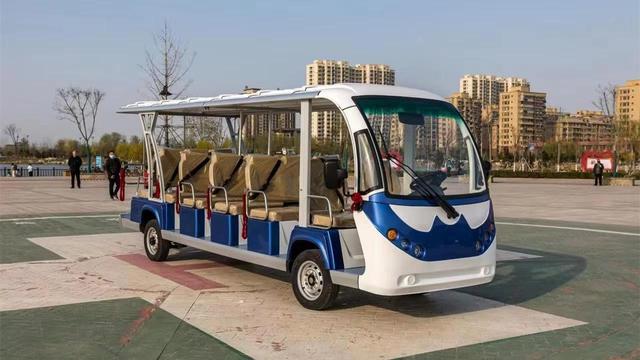
In the tourism and hospitality sector, particularly within resort locations like Wannsee or the tranquil countryside of Brandenburg, silent and non-polluting transportation is crucial for the guest experience. Multi-passenger shuttles (ranging from 4-seaters to 22-seaters) transport guests comfortably, while integrated solar panel canopy kits provide supplemental battery charging to extend operational range. For industrial applications, including manufacturing plants and warehousing zones in the Berlin-Brandenburg metropolitan region, our heavy-duty flatbed utility vehicles deliver robust performance, carrying up to 500kg payloads while navigating tight indoor and outdoor transitions seamlessly.
| Industry Sector | Primary Application | Recommended Model Features | Berlin Compliance Standard |
|---|---|---|---|
| Municipal Parks & Forestry | Eco-path maintenance, refuse collection, security rounds | High-clearance suspension, off-road tires, hydraulic dump bed | StVZO compliant lighting, Low-emission certification |
| Resorts & Hospitality | Guest shuttle services, VIP transport, luggage conveyance | Luxury seating, solar panel canopy, custom branding options | CE certified, silent operation protocols (<50 dB) |
| Industrial Warehouses | Heavy material logistics, spare parts delivery, team transport | Dual-circuit hydraulic brakes, heavy-duty cargo platforms, 5kW-7.5kW motors | TÜV-tested structures, reinforced impact bumpers |
| Urban Last-Mile Delivery | Courier routes, retail delivery, facility maintenance | Weatherproof box enclosure, GPS fleet telematics, LFP battery pack | EEC L7e road approval, legal German license plates |
Navigating the regulatory requirements for street-legal low-speed electric vehicles in Germany.
Operating a low-speed vehicle on public roadways in Germany demands rigorous adherence to regional transport standards. The Straßenverkehrs-Zulassungs-Ordnung (StVZO) governs everything from steering mechanics to light emission angles. For a golf cart or utility buggy to obtain license plates and travel on public roads in Berlin, it must feature a manufacturer-issued Certificate of Conformity (CoC) based on EEC homologation standards. This certificate verifies that the vehicle conforms to either the L6e (light quadricycles, max 45km/h, ≤ 425kg weight, ≤ 6kW motor) or L7e (heavy quadricycles, max 15kW motor, ≤ 450kg cargo/≤ 600kg utility weight) categories.
Shenzhen Kabar Golf Co., Ltd. customizes its vehicles to fulfill these demands before shipment. Our dedicated German compliance configurations include:
Innovating with next-generation power architectures, connected telematics, and automated safety.
The low-speed vehicle sector is transitioning from basic utility structures to advanced mobility solutions. Our engineering roadmap focuses on integrating high-performance Lithium Iron Phosphate (LiFePO4) battery chemistries. LFP batteries provide twice the operational energy density of legacy lead-acid batteries, tolerate cold northern European winters without major power loss, and deliver over 3,500 charging cycles at 8% depth of discharge. This shifts the return-on-investment calculation for operators, offering long-term reliability with virtually zero battery maintenance.
Looking ahead, we are integrating smart telematics modules directly into vehicle architectures. These cloud-connected systems enable remote diagnostics, real-time GPS fleet tracking, and geo-fencing controls—a crucial requirement for municipal operators and rental hubs in Berlin. Furthermore, we are designing vehicle-to-grid (V2G) power interfaces, which will allow parked utility fleets to feed excess stored electricity back into local grids during peak pricing periods, supporting the development of resilient micro-grids.
Long-life lithium setups with integrated Battery Management Systems (BMS) for reliable cold-weather operation down to -20°C.
Integrated GPS, digital speed monitoring, automatic geofencing, and remote over-the-air (OTA) diagnostic capabilities.
Advanced AC motor controllers that capture kinetic energy during braking, redirecting power back into the lithium cells to boost range by up to 15%.
Shenzhen Kabar Golf Co., Ltd.: Professional engineering and scaled production capacity for global distribution.
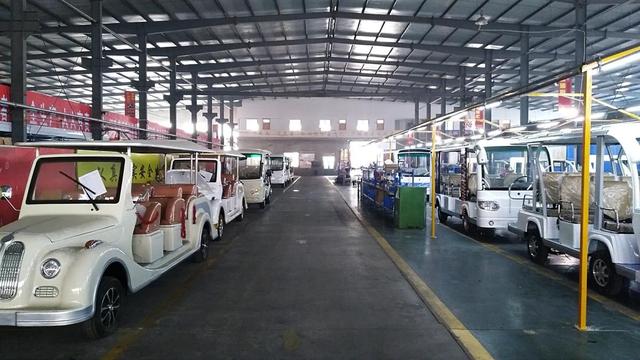
Established in 2014, Shenzhen Kabar Golf Co., Ltd. is a dedicated manufacturer of electric golf carts, utility vehicles, and custom mobility solutions. Operating from our modern manufacturing base in Shenzhen, Guangdong—the global epicenter of electric vehicle supply chains—our facility covers over 18,000 square meters and employs over 220 skilled specialists. This strategic location enables us to source key electrical components, high-torque AC motors, and advanced lithium cells efficiently, providing reliable quality and cost advantages for our global client base.
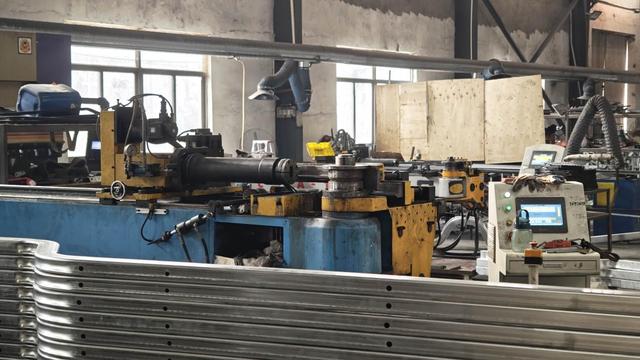
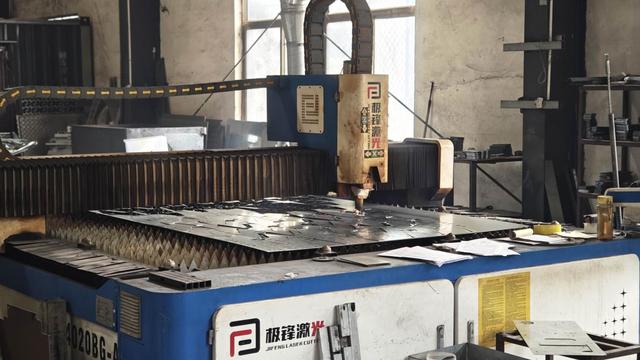
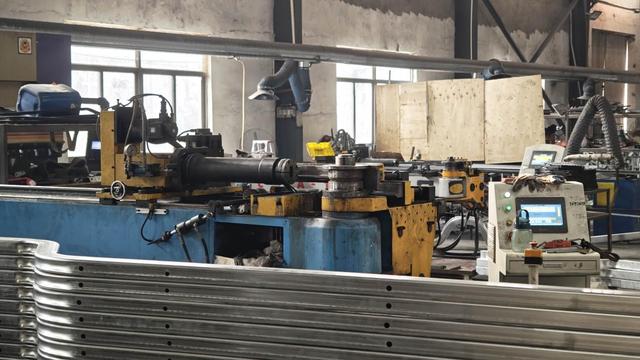
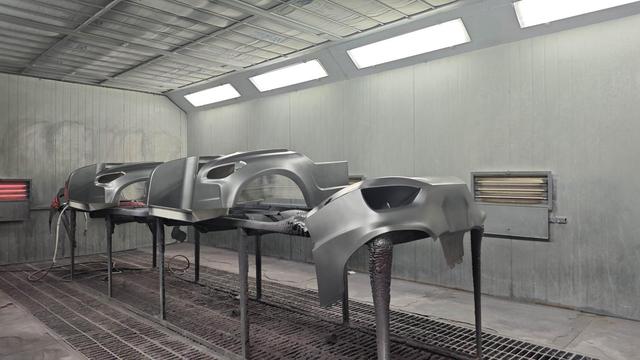
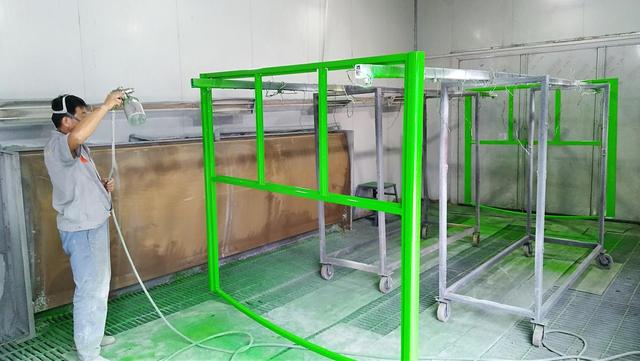
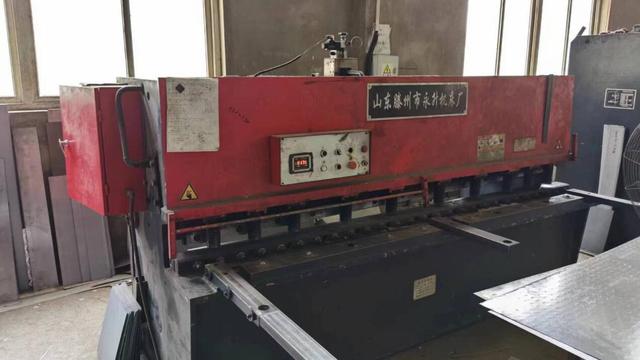
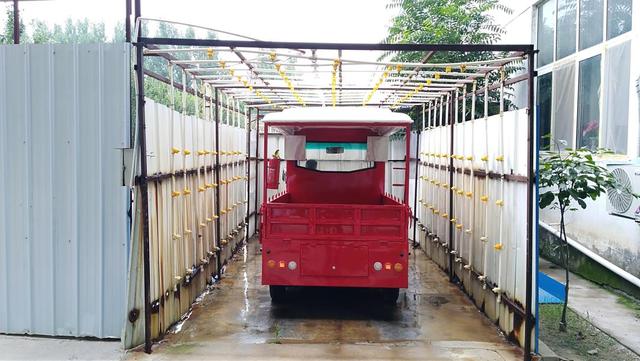
Our production facilities integrate modern manufacturing practices, including automated chassis welding lines, computerized diagnostic stations, and a dedicated cathodic electrophoresis paint shop that provides corrosion protection for steel frames—essential for vehicles operating in damp, salted winter environments like Berlin. Quality control processes are integrated at every stage, from inbound material checks to simulated road trials and dyno testing of drive units. This rigorous approach ensures that every vehicle leaving our factory is ready for long-term commercial duty.
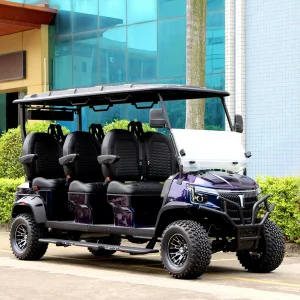
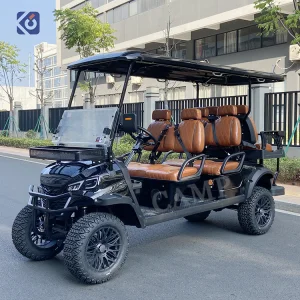
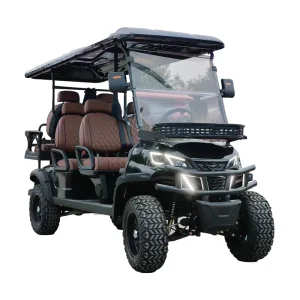
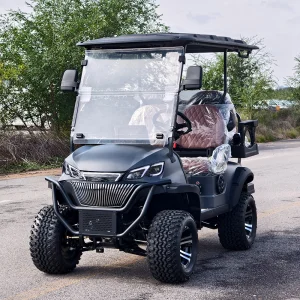
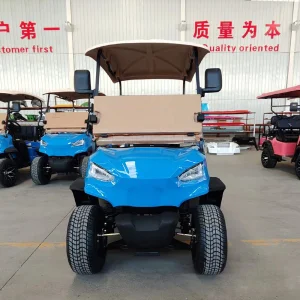
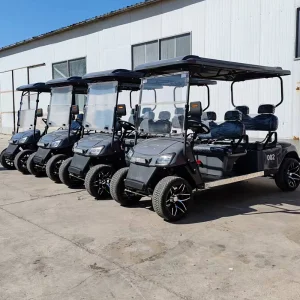
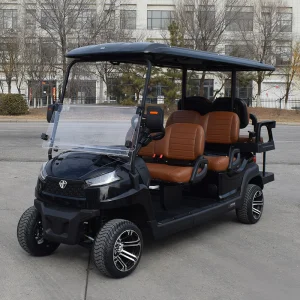
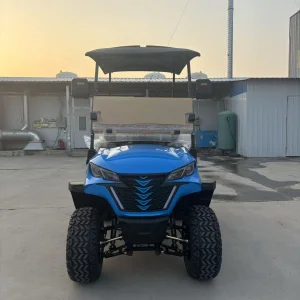
Explore our full line of customizable street-legal and off-road electric utility vehicles.
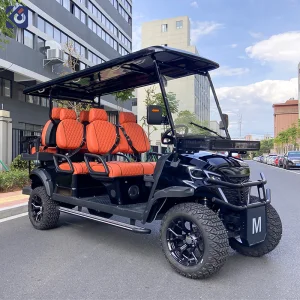
Making data-driven decisions for corporate and municipal fleet investments.
Purchasing professional-grade electric golf carts and utility vehicle fleets represents a long-term capital commitment. For procurement managers, financial comparisons should focus on the Total Cost of Ownership (TCO), rather than upfront purchase prices alone. While diesel or gasoline utility buggies may seem competitive initially, their ongoing maintenance, fuel costs, and short engine lifespans under stop-and-go load cycles lead to higher overall costs.
By comparison, Shenzhen Kabar Golf Co., Ltd.'s high-efficiency electric platforms provide significant cost advantages. Over a 5-year operating period, our electric models yield up to a 60% reduction in operating costs compared to gas utility buggies, driven by high charging efficiency, regenerative braking energy recovery, and minimized mechanical maintenance. Additionally, our customizable configurations enable B2B clients to integrate specific equipment—such as integrated rear utility boxes or solar canopy modules—directly during manufacturing, eliminating post-delivery modification costs.
| TCO Factor (5-Year Cycle) | Legacy Gas Carts | Kabar Lithium-Electric Carts | Strategic Advantage |
|---|---|---|---|
| Energy / Fuel Cost | Estimated €4,200 (Gasoline) | Estimated €780 (Grid Electricity) | Over 80% reduction in direct energy costs |
| Mechanical Maintenance | €2,100 (Filters, belts, spark plugs, fluids) | €350 (Brakes, tire rotations, inspection) | No engine oil, transmission fluid, or belt replacements |
| Battery Replacement Cost | None (Engine overhaul risk at 3,000 hrs) | Zero (LFP battery lasts >8 years/3,500 cycles) | Integrated BMS prevents cells from degrading early |
| German Local Tax Benefits | Standard combustion tax rates | Tax exemptions for zero-emission LSEVs | Saves on yearly vehicle registration and green zone access costs |
Answers to technical, regulatory, and logistics queries for German procurement managers.
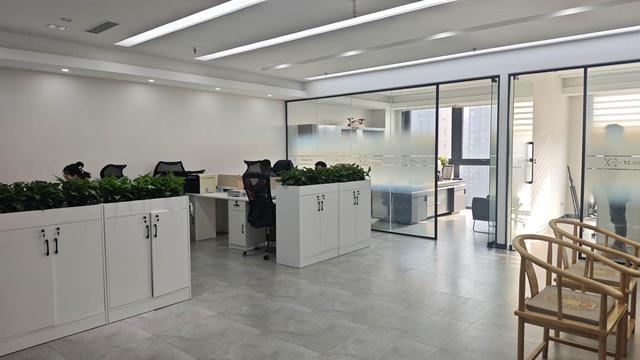
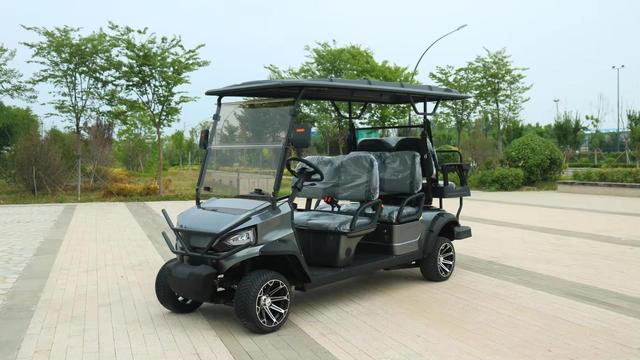
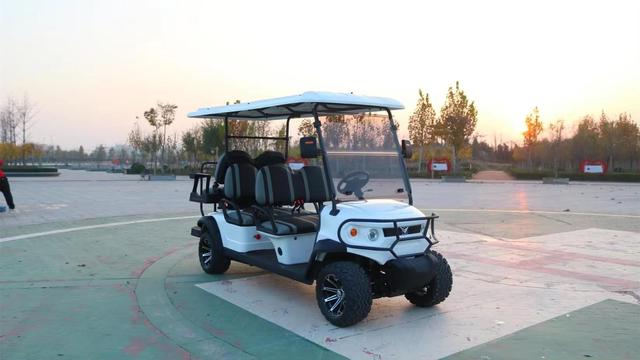
A look inside our 18,000 square meter Shenzhen manufacturing facility.
Need EEC-compliant models or custom specifications for your operations in Germany?
Send Inquiry Now Kabar Golf