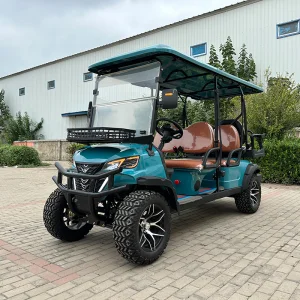
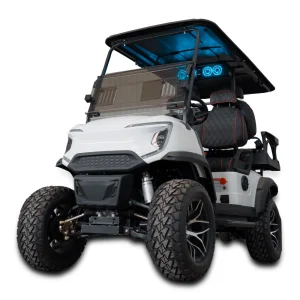
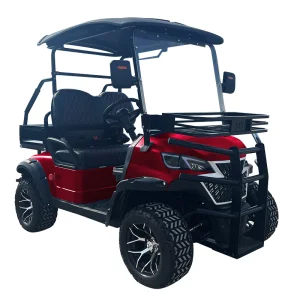
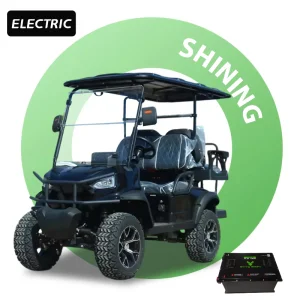
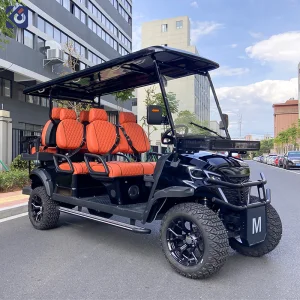
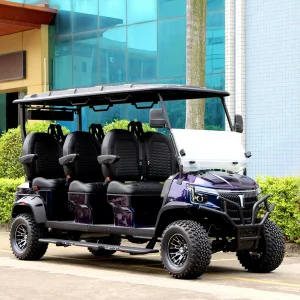
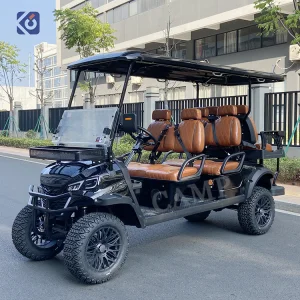
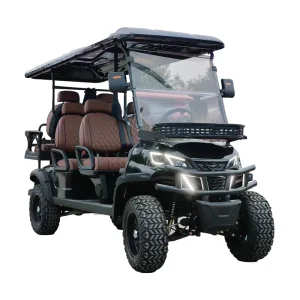
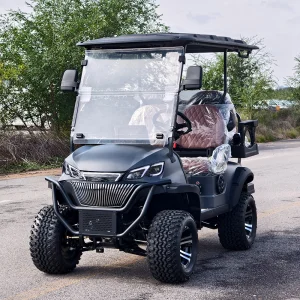
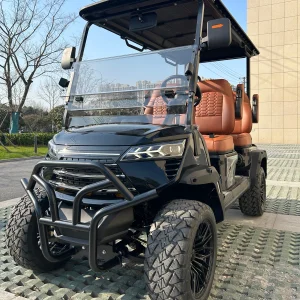
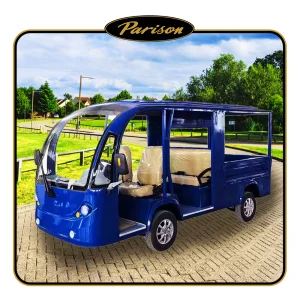
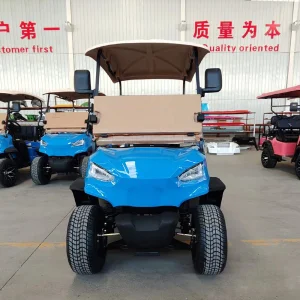
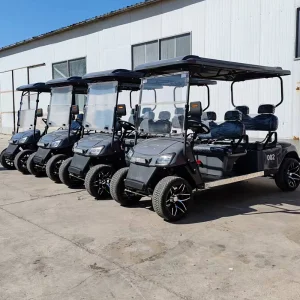
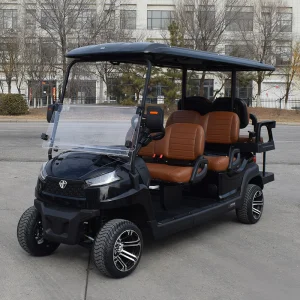
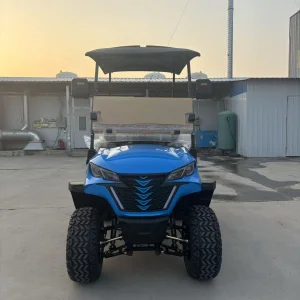
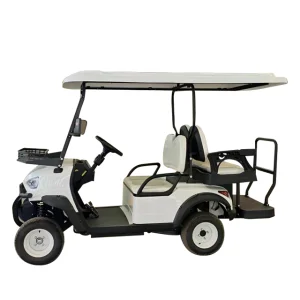
Explore our leading street-legal LSV and utility models configured for optimal performance in South African climates.
An in-depth analysis of structural shifts, environmental challenges, and import ecosystems for electric low-speed vehicles (LSVs).
South Africa is home to some of the world's most luxurious gated residential estates (such as Val de Vie, Steyn City, Zimbali Coastal Resort, and Pecanwood Estate) alongside thousands of eco-tourism destinations. Within these security-controlled estates, traditional internal combustion vehicles are increasingly restricted due to noise pollution and environmental targets. This has triggered a significant demand transition towards street-legal, high-voltage electric golf carts and low-speed passenger vehicles. These vehicles act as the primary mode of transportation for families, security personnel, maintenance crews, and recreational golfers.
With the ongoing structural energy challenges and load-shedding imposed by South Africa's utility grid provider (Eskom), fleet operators require reliable, self-sustaining energy sources. Shenzhen Kabar Golf Co., Ltd. addresses this issue by integrating custom photovoltaic (solar) canopy systems into our street-legal fleets. By exploiting South Africa's abundance of solar resources—averaging over 2,500 hours of sunshine per year—our solar-integrated buggies achieve continuous, trickle-charging during daylight hours. This reduces dependency on the grid, optimizes battery lifecycles, and guarantees operational readiness even during regional power outages.
Engineered for extreme reliability, safety, and strict regulatory adherence in South African commercial applications.
Navigating the legalities of low-speed vehicles on public roads requires detailed compliance under the National Road Traffic Act (Act 93 of 1996). For a golf cart to be deemed "street legal" in South Africa (especially on public municipal access roads linking estates or coastal towns), specific safety equipment is mandatory. Shenzhen Kabar Golf engineers all export models to include:
South Africa's geographic diversity ranges from the steep, coastal terrains of the Western Cape to the hot, arid conditions of the Karoo. Standard low-voltage lead-acid golf carts often experience thermal degradation and power drop-offs on steep inclines. Kabar Golf carts utilize high-voltage lithium technology (60V and 72V configurations) combined with brushless AC induction motors (up to 7500W). This setup maintains high torque output across a wide thermal envelope, avoiding overheating issues even in hot northern climates (Limpopo, Mpumalanga) and sustaining climbs up to 30% gradients.
Lithium Iron Phosphate cells offer superior thermal stability, over 3,500 charging cycles, and a zero-maintenance profile compared to lead-acid batteries.
Integrated Battery Management System monitoring cell health, temperature, and performance. Ready for remote IoT fleet management integration.
Hot-dip galvanized steel frames or premium aluminum chassis options provide corrosion protection against salt air in coastal cities.
Understanding Shenzhen Kabar Golf Co., Ltd.'s manufacturing capacity, custom options, and end-to-end global supply chain.
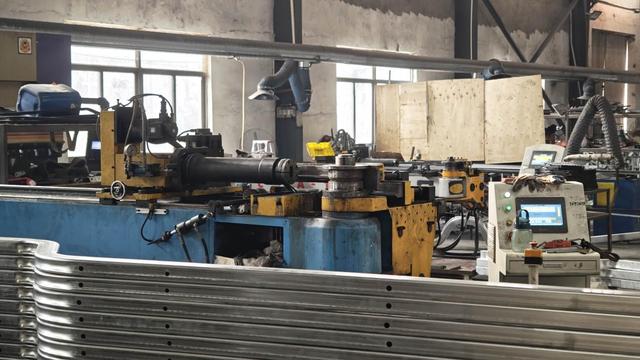
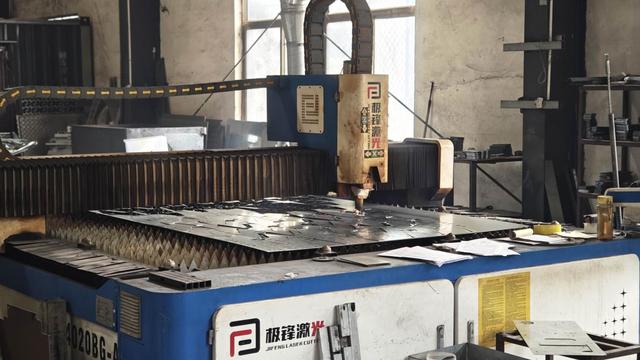
Shenzhen Kabar Golf Co., Ltd. is a professional manufacturer established in 2014, operating a modern production facility in Shenzhen, Guangdong, China. Spanning over 18,000 square meters and supported by more than 220 skilled personnel, the company designs, manufactures, and exports customized micro-mobility solutions to global markets, including North America, Europe, Australia, and the African continent.
For B2B buyers, municipal managers, and fleet distributors in South Africa, sourcing direct from our factory offers clear advantages. We offer full OEM and ODM customization options, including right-hand-drive (RHD) setups, paint color customization to match estate or brand guidelines, specialized utility cargo boxes, and range extensions via larger lithium packs.
We manage the logistics chain from our factory floor to key ports of entry in South Africa, including Durban (the primary gateway for Gauteng), Cape Town, and Port Elizabeth (Gqeberha). Carts are shipped securely in dry container boxes (20GP or 40HQ), configured as SKD (Semi-Knocked Down) to maximize container space and reduce shipping costs, or CKD (Completely Knocked Down) for distributors with local assembly facilities. Our shipping division ensures all documentation (Bill of Lading, Certificate of Origin, CE/EEC compliance documents) is aligned with SARS customs clearance procedures, minimizing port delays.
Expert answers to questions regarding compliance, technology, imports, and maintenance in South Africa.
Under the South African National Road Traffic Act, golf carts are classified as low-speed vehicles. To be operated on public roads, they must be registered, licensed, and fitted with necessary safety equipment (including dynamic LED turn signals, seat belts, side and rear-view mirrors, dynamic braking systems, and a horn). Local municipalities establish specific bylaws regarding where and when low-speed vehicles are permitted. Most gated lifestyle estates maintain private road networks where golf carts are governed by internal rules.
Load-shedding disrupts standard overnight charging routines. To address this, Kabar Golf offers integrated solar canopy options. Our solar-integrated systems use high-efficiency solar cells on the roof to trickle-charge the battery during the day. In the high solar-irradiance conditions of South Africa, solar panels can extend vehicle range by up to 15-20 km per day. They also serve as a clean backup energy source when the local electrical grid is down.
LiFePO4 chemistry offers significant advantages for South African fleet operators. They require no routine maintenance (such as topping off water levels), charge up to three times faster than lead-acid equivalents, and weigh roughly one-third as much, which improves efficiency and reduces vehicle wear. They also have an operational lifespan of 8–10 years (over 3,500 charge cycles at 80% depth-of-discharge), offering a lower total cost of ownership (TCO) compared to lead-acid batteries, which need replacement every 2 years.
The average ocean freight transit time from Shenzhen Port to Durban Port ranges between 22 to 30 days. For Cape Town Port, it averages 28 to 35 days. After arrival, local customs clearance, VAT assessment, and transport inland (to hubs like Johannesburg or Pretoria) typically take 5 to 7 working days, assuming all documentation is correctly aligned with SARS requirements.
Yes. As an experienced exporter, Kabar Golf manufactures Right-Hand Drive configurations for countries that drive on the left, including South Africa, the United Kingdom, and Australia. This ensures natural driving dynamics, controls, and full safety compliance on local roadways.
Detailed engineering metrics across our primary passenger and commercial vehicle ranges.
| Specification | Passenger Range (2-4 Seats) | Fleet Cruiser (6 Seats) | Utility / UTV Range (4x4) |
|---|---|---|---|
| Motor Options | 3.5KW - 5.0KW AC Brushless | 5.0KW - 7.5KW AC High Torque | 3500W Dual Motor (4x4 option) |
| Battery Configuration | 48V / 60V Lithium (LiFePO4) | 72V Lithium (105Ah - 150Ah) | 48V Heavy Duty LiFePO4 Pack |
| Range per Charge | 70km - 90km | 80km - 110km | 50km - 70km |
| Max Speed Limit | 30 km/h - 40 km/h | 40 km/h - 50 km/h | 30 km/h - 50 km/h |
| Payload Capacity | 320 kg | 480 kg | 500 kg - 800 kg |
Explore our wider catalog of electric buggies, off-road carts, and custom commuter vehicles available for direct export to South Africa.
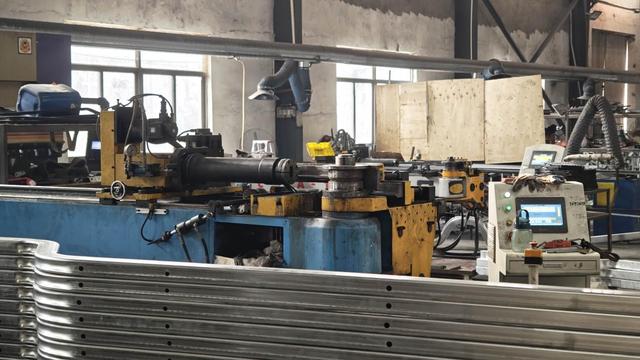
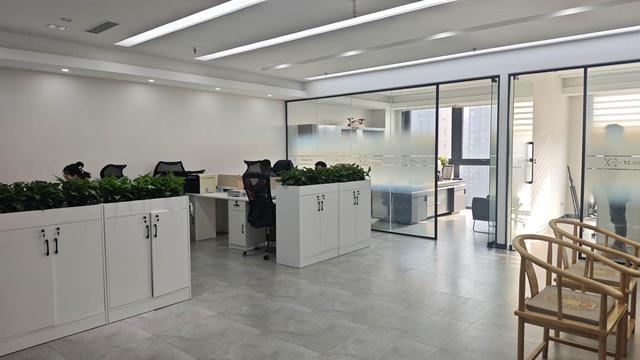
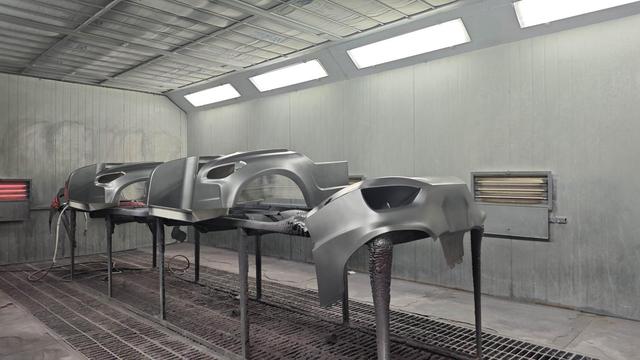
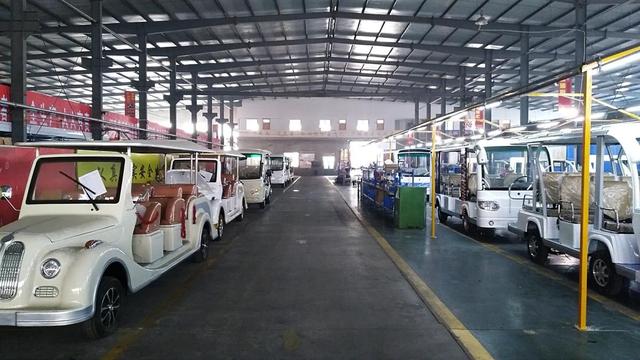
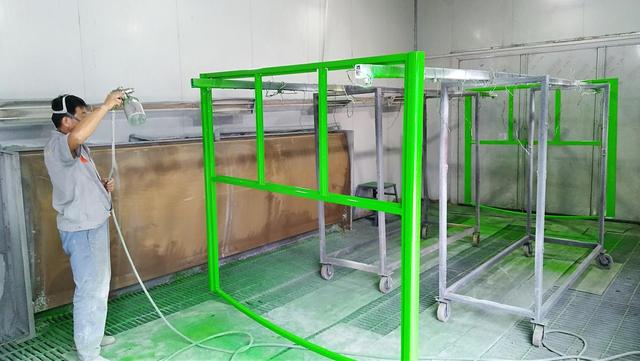
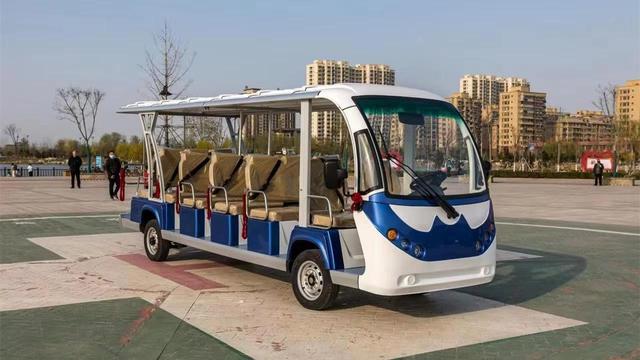
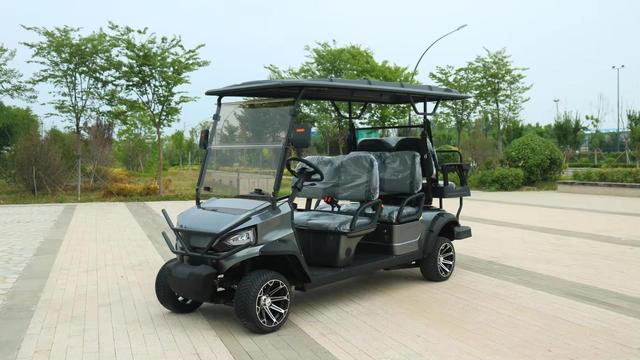
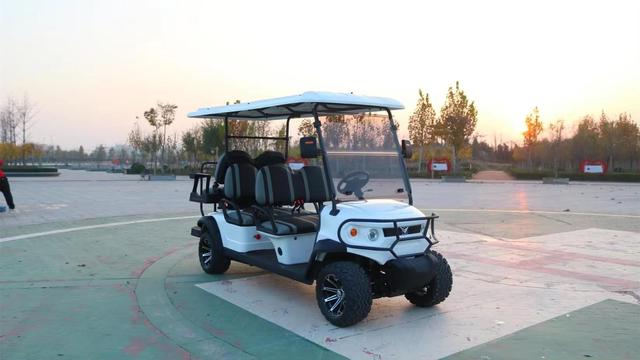
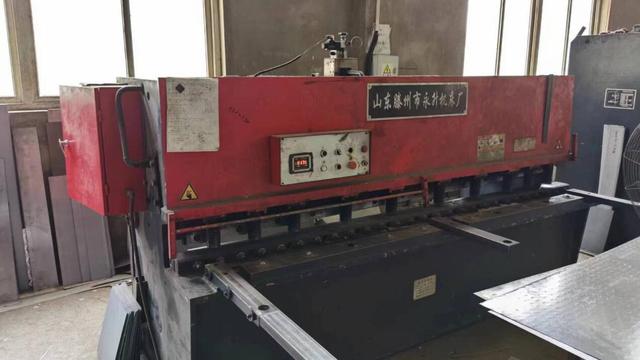
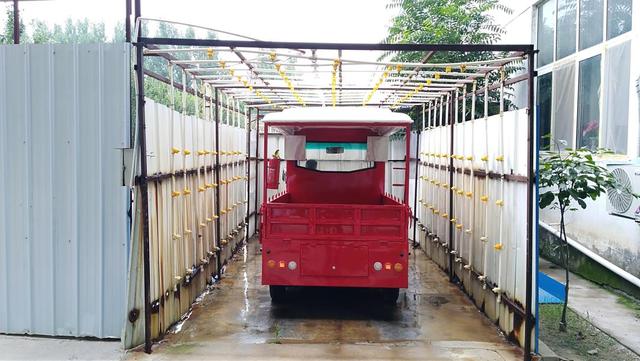
Inside Shenzhen Kabar Golf Co., Ltd.’s 18,000 square meter ISO-certified manufacturing facility, showing precision assembly, testing, and shipping preparation.
Connect directly with our export engineering desk to request tailored quotations, bulk shipping schedules, custom configurations, and dealer support options in South Africa.
Send Inquiry Now Kabar Golf