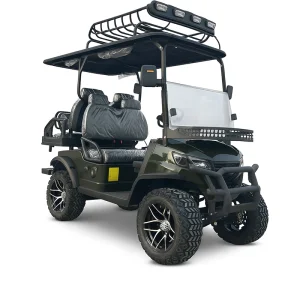
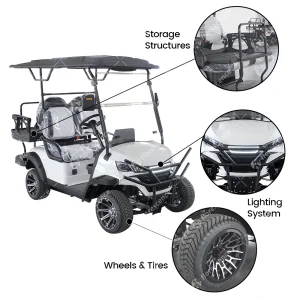
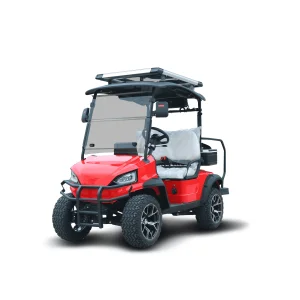
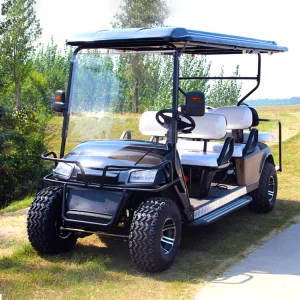
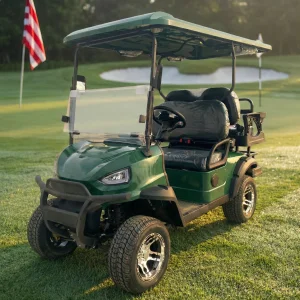
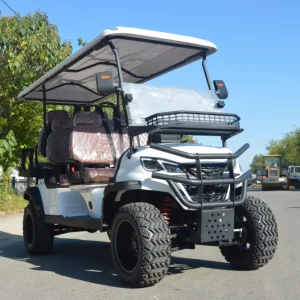
Engineered for structural resilience, energy efficiency, and rugged terrain navigation, these models are optimized for New Zealand's agricultural estates, luxury resorts, and lifestyle communities.
New Zealand's commitment to climate change mitigation and its Zero Carbon Act have rapidly shifted domestic commercial procurement strategies toward low-emission micro-mobility. Within this framework, custom golf carts and light utility vehicles are no longer relegated solely to the traditional 18-hole fairway. From the expansive vineyard complexes of Marlborough to high-end lifestyle communities in Queenstown and the Bay of Islands, commercial entities are requiring customized electric mobility solutions built to withstand harsh marine air, high slopes, and varied terrains.
This white paper analyzes the market demand, technological benchmarks, and custom manufacturing criteria required for importing industrial-grade utility golf vehicles into New Zealand. It serves as a definitive guide for procurement managers, estate developers, municipal managers, and golf course operations directors seeking to partner with global manufacturing leaders like Shenzhen Kabar Golf Co., Ltd.
The geographical and economic structure of New Zealand presents unique challenges and opportunities for low-speed electric vehicles. The demand for customized solutions is driven by three main sectors:
Tourism and Hospitality Infrastructure: New Zealand's globally recognized luxury eco-resorts require quiet, emissions-free passenger transport. Carts must navigate steep terrain silently, ensuring the serene nature of the environment is maintained. Standard off-the-shelf golf buggies often fail due to insufficient motor torque, fast battery degradation under variable temperatures, and premature frame corrosion caused by highly coastal, saline environments.
Viticulture and Horticulture: The sprawling vineyards of Hawke’s Bay and Central Otago require durable utility vehicles for crop monitoring, light hauling, and passenger tours. In these settings, high-ground-clearance 4WD customized golf carts equipped with agricultural tires and drop-down cargo beds outperform traditional petrol utility task vehicles (UTVs) due to their minimal soil compaction and zero-emission operations.
"Procurement officers in New Zealand place primary importance on battery longevity and structural rust-proofing when selecting utility fleets. The local marine climate means frame metallurgy and anti-corrosion coating processes are critical parameters of value."
Retirement Villages and Lifestyle Estates: With the steady growth of planned retirement communities across Auckland, Tauranga, and Christchurch, the need for safe, low-speed, multi-passenger transit is rising. These vehicles must meet localized safety criteria, including superior braking systems, integrated lighting, ergonomic seating adjustments, and weather protection enclosures designed to withstand frequent rain and wind.
For New Zealand businesses, vehicle downtime is costly. Traditional lead-acid batteries, though inexpensive initially, present significant drawbacks including heavy maintenance, short lifespans (2-3 years), and severe capacity loss in cold conditions. This has led to the adoption of Lithium Iron Phosphate (LiFePO4) batteries as the standard for high-use commercial applications.
The technical superiority of 72V/48V LiFePO4 configurations over traditional lead-acid batteries is substantial:
Operating a utility vehicle on public access areas, airport grounds, or private resorts in New Zealand requires adherence to specific manufacturing standards. Vehicles must be equipped with modern safety features including:
CE Certification & Component Standards: Shenzhen Kabar Golf ensures all customized vehicles feature CE-certified electrical wiring harnesses, high-efficiency AC brushless motors, and standardized controller systems (such as Curtis or Toyota controllers).
Safety Systems: Dual-circuit hydraulic brakes, regenerative braking systems, electromagnetic parking brakes, three-point safety harnesses, impact-resistant windscreens (DOT-approved laminated glass), and full LED signaling packages are integrated to align with the safety requirements of corporate environments.
For industrial and municipal buyers, one size rarely fits all. As a specialized manufacturer, Shenzhen Kabar Golf Co., Ltd. offers customization capabilities to adapt vehicles to specific operational environments.
Mechanical Customization: Heavy-duty leaf spring suspensions, elevated lift-kits for off-road terrains, high-torque gear ratios (essential for hilly courses like Kauri Cliffs), and integrated cargo boxes of varying dimensions.
Aesthetic & Branding Integration: Tailored color schemes matching resort branding, high-wear-resistant marine vinyl seats, customized canopy configurations, and custom alloy wheels.
Technology Integration: Fleet tracking options, GPS geo-fencing (allowing golf courses to limit cart usage to specific zones), digital battery diagnostics, and integrated USB ports for passenger convenience.
Shenzhen Kabar Golf Co., Ltd. is a specialized manufacturer based in Shenzhen, Guangdong, China. Established in 2014, the company focuses on the research, development, assembly, and export of high-grade electric golf carts, utility cargo platforms, and bespoke mobility vehicles. Our facility spans over 18,000 square meters, utilizing advanced QC protocols and a workforce of 220+ professionals to supply reliable fleet solutions worldwide.
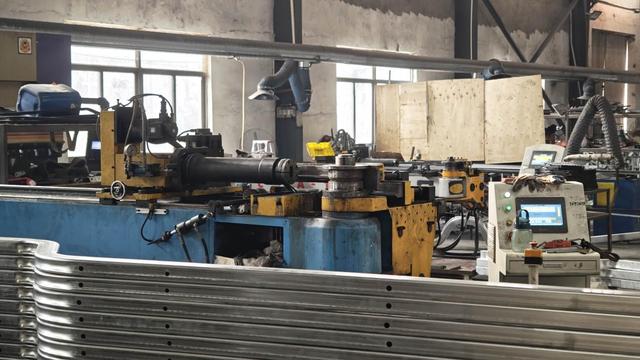
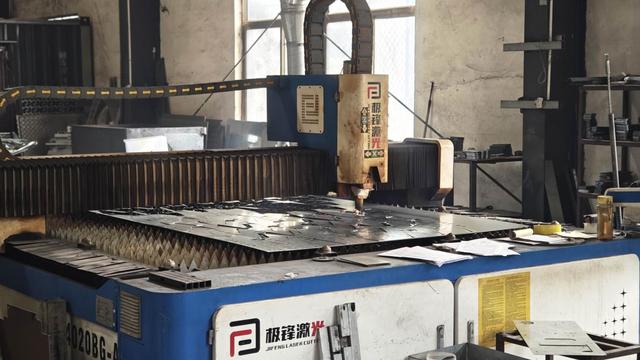
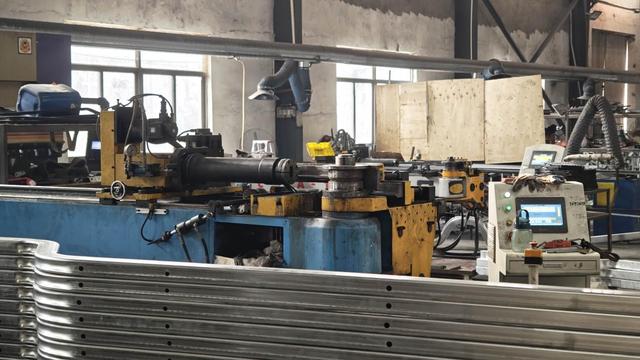
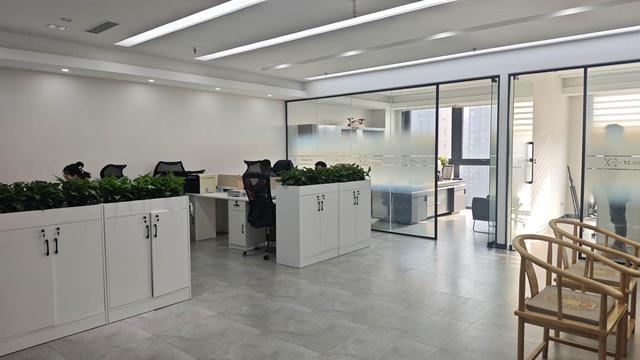
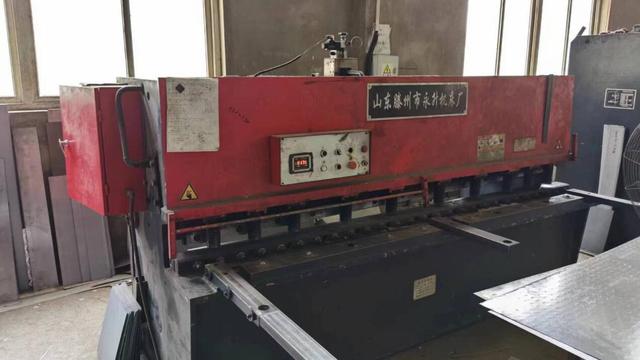
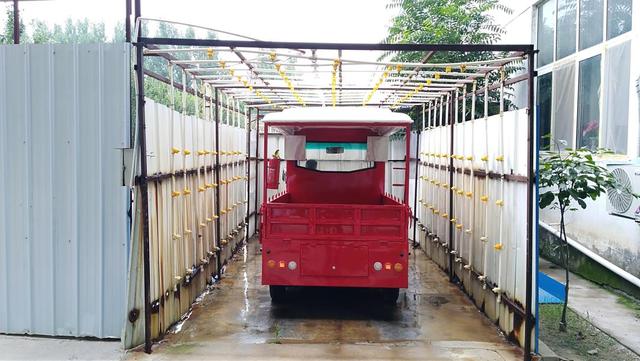
Take a closer look at our 18,000 square meter assembly facility in Shenzhen. Every vehicle undergoes a rigorous multi-stage quality control process, chassis stress testing, and electrical diagnostics prior to shipping.
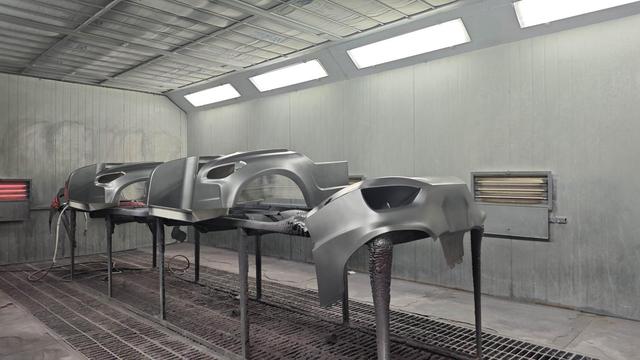
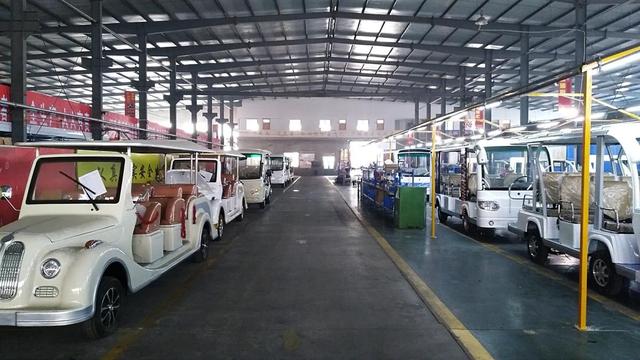
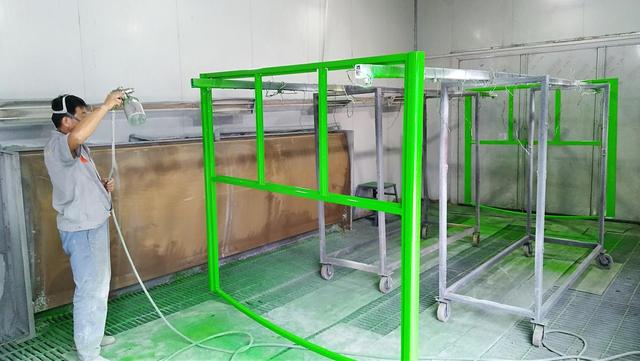
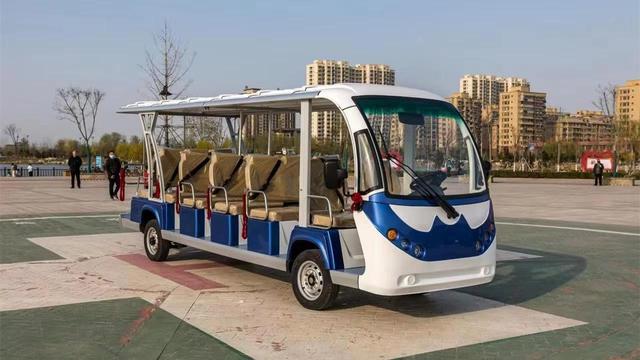
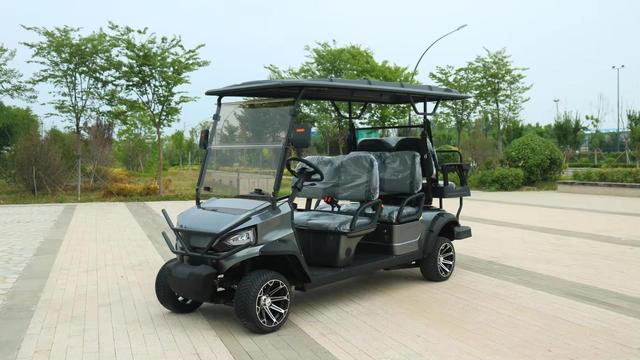
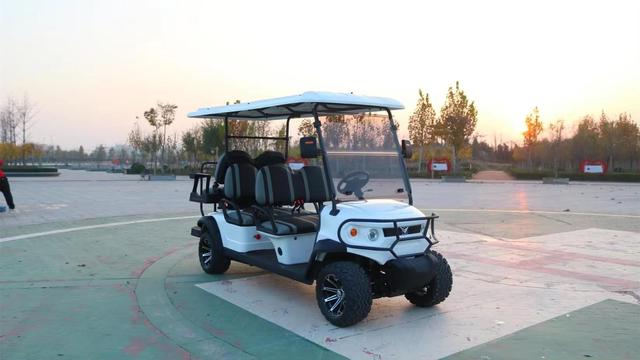
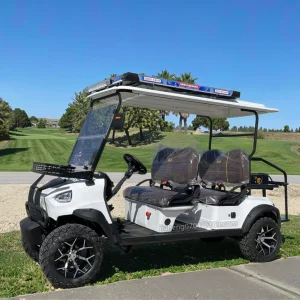
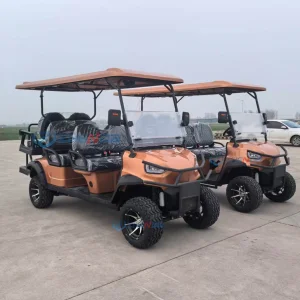
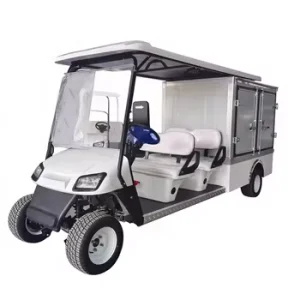
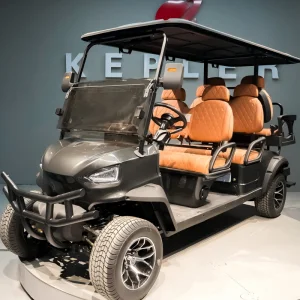
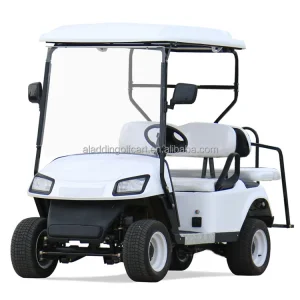
A selection of custom electric golf buggies and transport vehicles designed for high duty cycles and variable environments.
Whether you require standard 2-seater fairways, 4WD utility vehicles for farm operations, or a fleet of 6-seater resort shuttles, our engineering team can custom-build to your specifications.
Send Inquiry Now Kabar Golf