Explore premium connected mobility solutions engineered with advanced telemetry, solar integrations, and robust drivetrains.
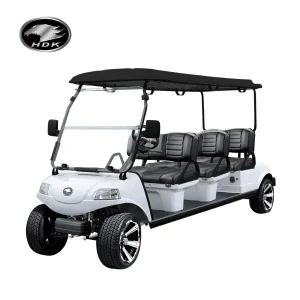
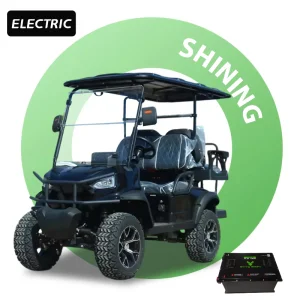
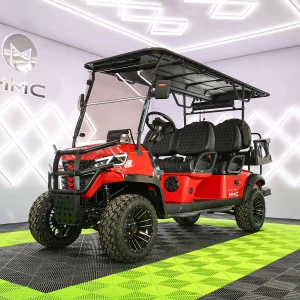
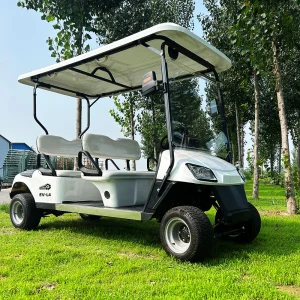
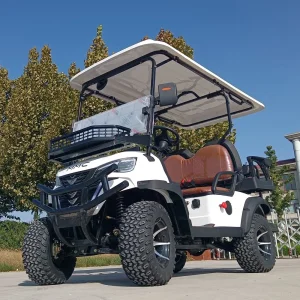
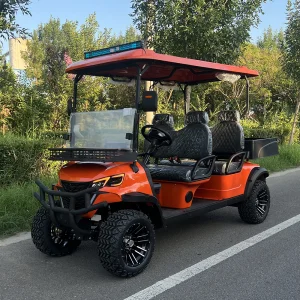
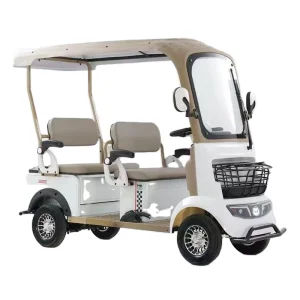
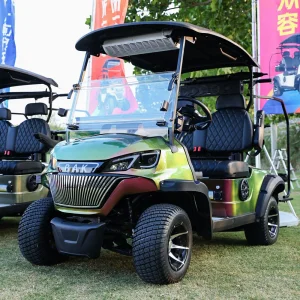
The micro-mobility and commercial utility vehicle sector is undergoing a profound paradigm shift. The integration of Advanced Driver Assistance Systems (ADAS), cloud-based fleet telemetry, and real-time remote diagnostics has elevated standard low-speed vehicles (LSVs) into sophisticated, data-rich nodes within the broader internet of things (IoT) ecosystem. No longer limited to basic transportation, modern electric golf carts, utility trucks, and airport shuttle buggies now leverage V2X (Vehicle-to-Everything) protocols, smart GPS mapping, and geofencing to optimize operations in resorts, industrial parks, and smart urban communities.
As global municipal regulations increasingly favor carbon-neutral transportation, smart micro-vehicles have emerged as a cornerstone of green transit plans. Leading manufacturers are investing heavily in lightweight, high-tensile space-frame designs, highly integrated motor control units (MCUs), and high-efficiency lithium iron phosphate (LiFePO4) powertrains. These technologies ensure extended cycle life, precise range estimations, and seamless cloud monitoring across large deployment regions.
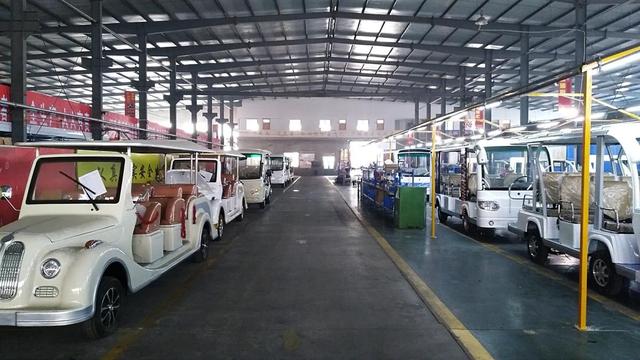
Shenzhen Kabar Golf Co., Ltd. is a professional golf cart manufacturer located in Shenzhen, Guangdong, China. Established in 2014, the company specializes in the research, development, manufacturing, and export of electric golf carts, utility vehicles, and customized mobility solutions for global customers. With a modern production facility covering more than 18,000 square meters and a workforce of over 220 employees, Kabar Golf has developed into a reliable supplier serving golf courses, resorts, hotels, industrial parks, residential communities, airports, campuses, and commercial facilities worldwide.
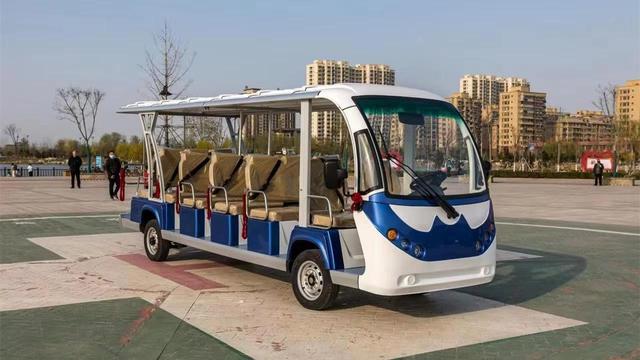
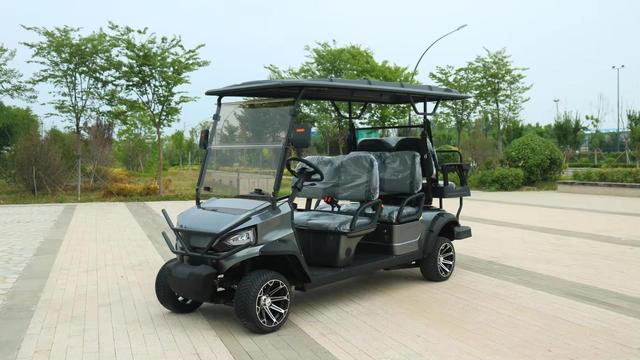
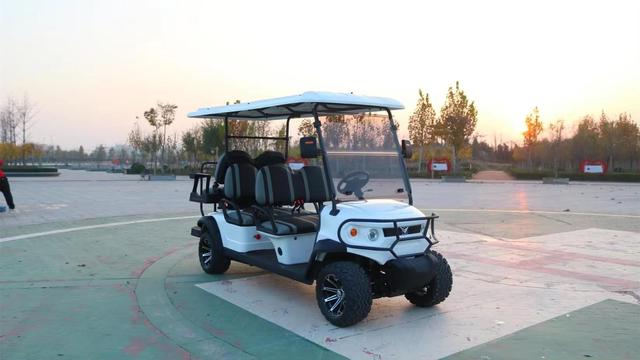
The company's product portfolio includes electric golf carts, passenger transport vehicles, utility carts, cargo vehicles, resort shuttle carts, street-legal electric vehicles, fleet transportation solutions, and customized mobility vehicles. Designed with a focus on efficiency, comfort, safety, and sustainability, Kabar Golf products help customers improve transportation operations while reducing environmental impact.
Supported by an experienced engineering and R&D team, Shenzhen Kabar Golf continuously invests in vehicle innovation, battery technology, intelligent control systems, and ergonomic design. The company offers comprehensive OEM and ODM services, including vehicle customization, branding, color matching, seating configurations, accessory integration, and private-label manufacturing to meet the diverse requirements of international markets.
Quality management is integrated throughout every stage of production, from component sourcing and vehicle assembly to testing and final inspection. Advanced manufacturing equipment and strict quality control procedures help ensure consistent product performance and reliability.
With products exported to North America, Europe, the Middle East, Southeast Asia, Australia, and other regions, Shenzhen Kabar Golf Co., Ltd. is committed to delivering dependable electric mobility solutions and long-term value for customers worldwide. The company continues to provide innovative golf carts, utility vehicles, and custom transportation solutions tailored to evolving market needs.
Shenzhen remains the undisputed global capital for hardware innovation and high-tech electronic manufacturing. This unique geographical advantage enables companies like Shenzhen Kabar Golf Co., Ltd. to benefit from highly concentrated supply chains. By minimizing raw material transport times and fostering rapid product design iterations, Kabar Golf accelerates time-to-market compared to Western competitors. Key drivers of this manufacturing supremacy include:
From primary lithium extraction and cell fabrication to high-power motor drivers, every essential component is sourced within a 100km radius. This drastically minimizes manufacturing bottlenecks and lowers transportation costs.
Engineers can refine designs, prototype structural components, and program customized controller boards in a fraction of the time, allowing for rapid iterations of street-legal Low-Speed Vehicles (LSVs).
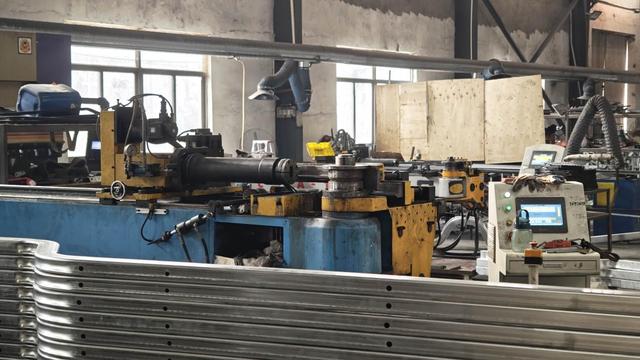
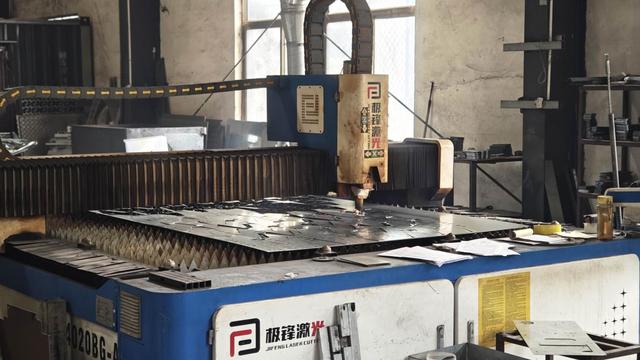
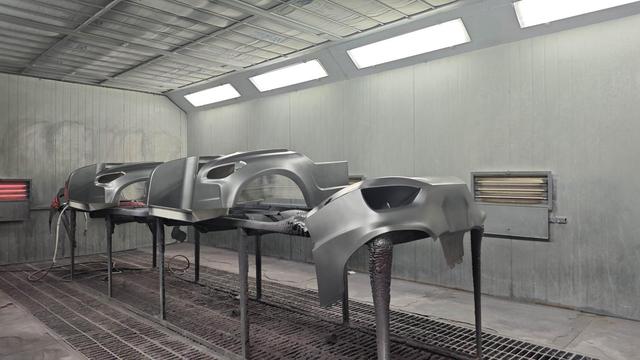
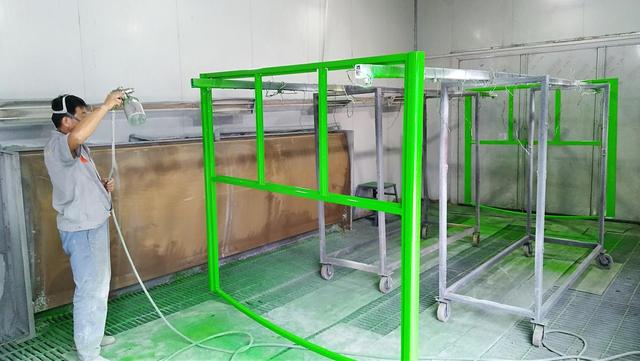
Leveraging state-of-the-art robotic welding, precision laser-cutting of aerospace-grade aluminum, and automated paint lines, the factory consistently maintains tight tolerances and superior build quality.
Modern smart connected utility vehicles require specialized configurations depending on their operating environments. Rather than utilizing generic, one-size-fits-all platforms, leading operators specify vehicle parameters based on target use-cases:
Looking ahead to 2026 and beyond, several core technical innovations are redefining the connected micro-utility space:
1. Solid-State and Smart LiFePO4 Systems: Intelligent Battery Management Systems (BMS) are increasingly equipped with cellular and Bluetooth chips. These platforms allow fleet managers to monitor cell balance, state of charge (SoC), and cell temperatures in real time.
2. Solar Integration and Energy Autonomy: Flexible, marine-grade monocrystalline solar panels are now integrated directly into vehicle roof structures, expanding operational ranges by 15-25% per day.
3. ADAS and Autonomous Route-Following: By using RTK-GPS receivers and ultrasonic proximity sensors, campus shuttle systems can autonomously trace predefined routes, stop for pedestrians, and safely navigate complex parking areas.
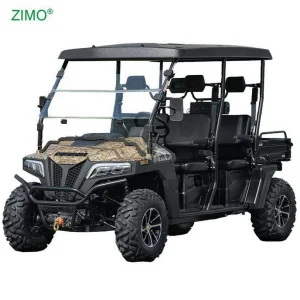
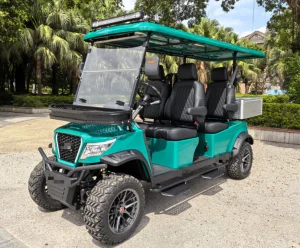
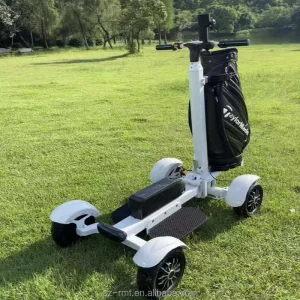
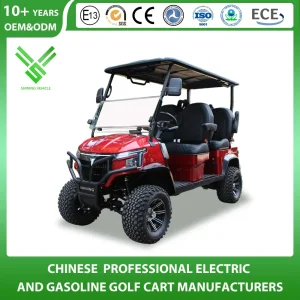
Discover off-road cargo models, street-legal LSVs, and high-capacity passenger shuttles designed for peak efficiency.
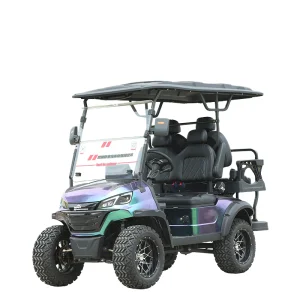
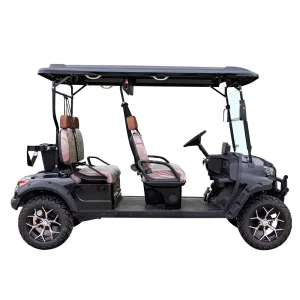
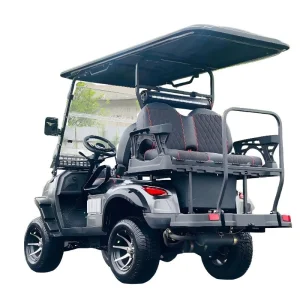
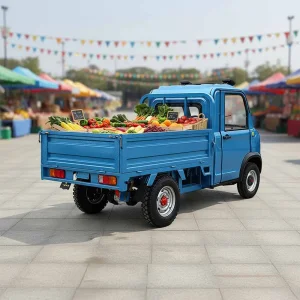
Critical buying criteria, technical specifications, and factory compliance details for global B2B procurement professionals.
For custom configurations (including bespoke corporate branding, specialized seating configurations, and customized payload beds), the typical manufacturing cycle ranges from 25 to 35 business days. This timeframe covers structural frame welding, electronic component integration, and final testing. Standard baseline fleet models can be shipped faster by leveraging our pre-assembled component stock.
We use premium lithium iron phosphate (LiFePO4) chemistries, which are managed by intelligent Battery Management Systems (BMS) featuring integrated thermal runaway protection. These advanced packs are rated for over 3,500 charging cycles at 80% Depth of Discharge (DoD) and perform reliably in ambient temperatures ranging from -20°C to 60°C.
Yes. We offer specialized models that fully comply with US DOT (Department of Transportation), LSV, and European EEC/CE standards. These models are equipped with essential safety features, including three-point seatbelts, safety glass windshields, turn signals, horn, rearview mirrors, and hydraulic braking systems.
Our smart vehicles can be configured with an onboard 4G telematics control unit (TCU). This unit enables geofencing, real-time GPS tracking, remote battery diagnostics, passenger usage statistics, and over-the-air (OTA) firmware updates, making it easy to manage large fleets from a central dashboard.
The process starts with our engineering team collaborating on your requirements, including chassis design, payload needs, and battery capacity. After finalizing the CAD blueprints, we create a prototype, perform rigorous structural and safety tests, and proceed with bulk manufacturing at our facility in Shenzhen.
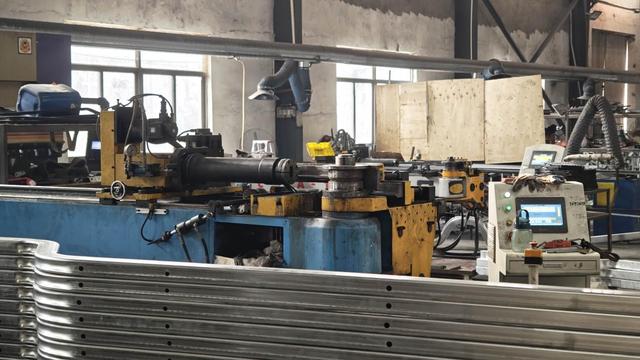
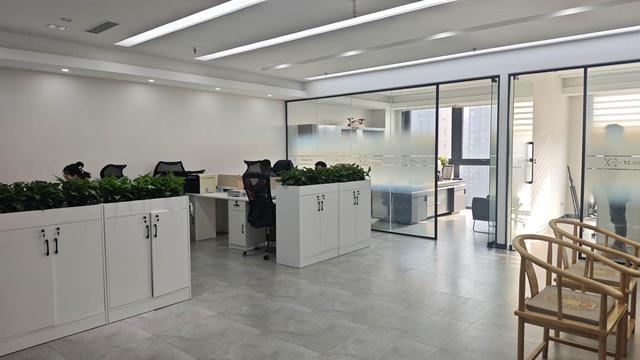
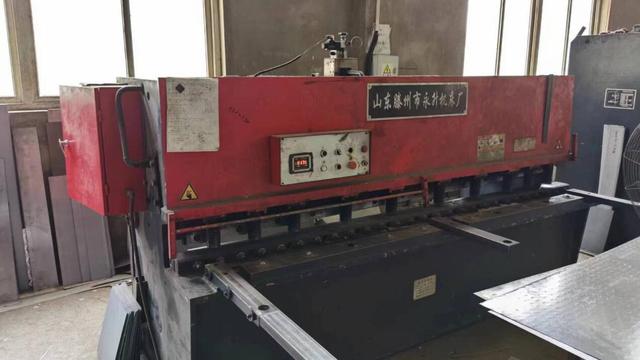
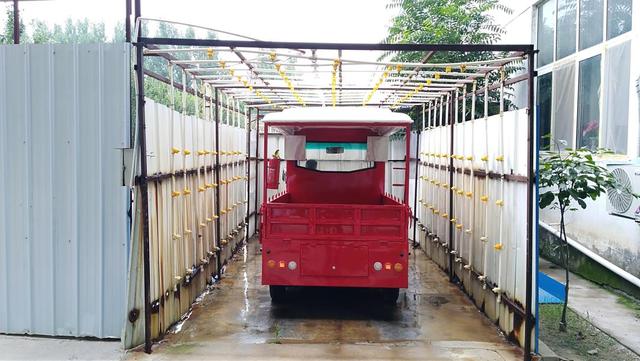
Step inside our state-of-the-art facility: 18,000 square meters of production space, advanced quality control labs, and welding lines.
 Kabar Golf